Molecular identification and functional analysis of HrpZ2, a new member of the harpin superfamily from Pseudomonas syringae, inducing hypersensitive response in tobacco
Kishori Lal, Anurag Joshi, Vartika Saini, Mujahid Mohammed, Pullabhotla V. S. R. N Sarma, Debashish Dey

TL;DR
This paper identifies a new harpin protein from Pseudomonas syringae that triggers plant defense responses in non-host plants.
Contribution
The study reports a new harpin gene (hrpZ2) and its functional role in inducing hypersensitive response in plants.
Findings
HrpZ2 is a new member of the harpin superfamily with a predicted extracellular localization.
HrpZ2 induces hypersensitive response in tobacco and other non-host plants through oxidative burst and defense enzyme activation.
A 3D model of HrpZ2 was built and validated, revealing structural features like α-helices and disordered regions.
Abstract
Harpins belong to a group of proteins with distinctive features such as heat stability, glycine richness, and absence of cysteine and are secreted by many Gram-negative phytopathogens via the type III secretion system. Harpins are known to trigger hypersensitive response followed by induction of systemic acquired resistance in non-host plants. However, the molecular mechanism of harpin-induced hypersensitive response remained largely unexplored, mainly because of the lack of structural information. In this study, we report the cloning of a new harpin gene (hrpZ2) from the Pseudomonas syringae strain MTCC-11950, belonging to the harpin superfamily. In silico analysis revealed that approximately 50.29% of the protein consists of α-helices, 48.53% are random coils, and only 1.16% are β-sheets, and nearly half (42%) of the protein consists of intrinsically disordered regions. Based on a…
Genes, proteins, chemicals, diseases, species, mutations and cell lines named across the full text — each resolved to its canonical identifier and authoritative record.
Click any figure to enlarge with its caption.
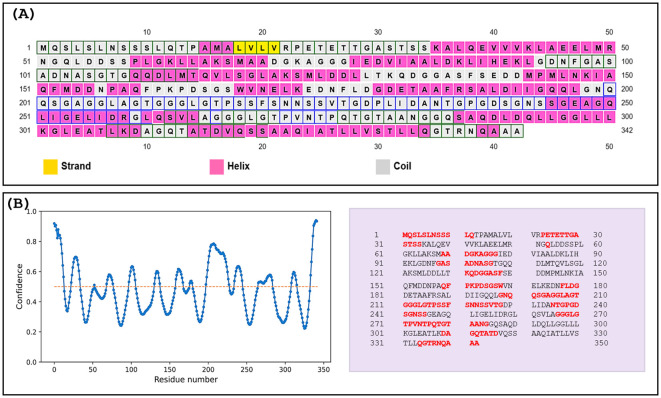 Figure 1
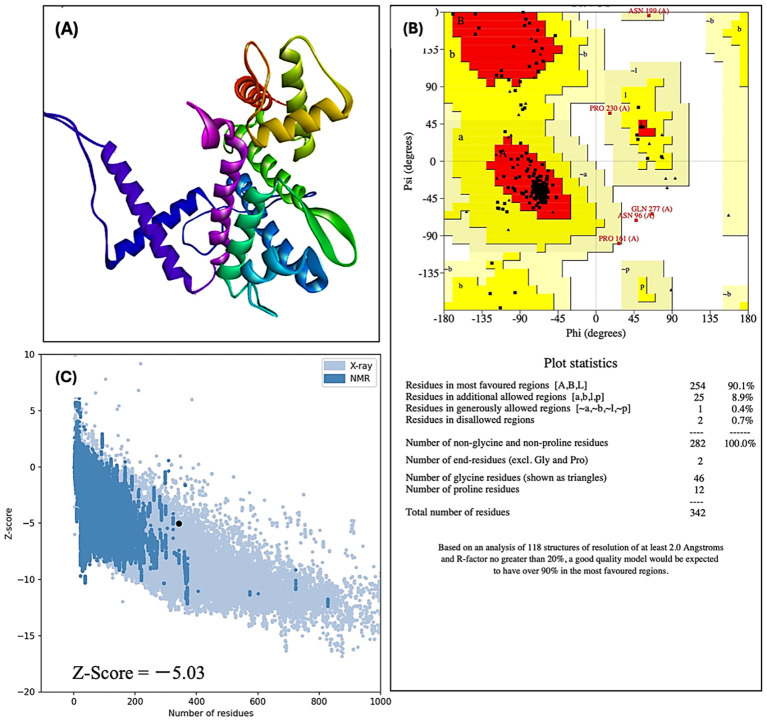 Figure 2
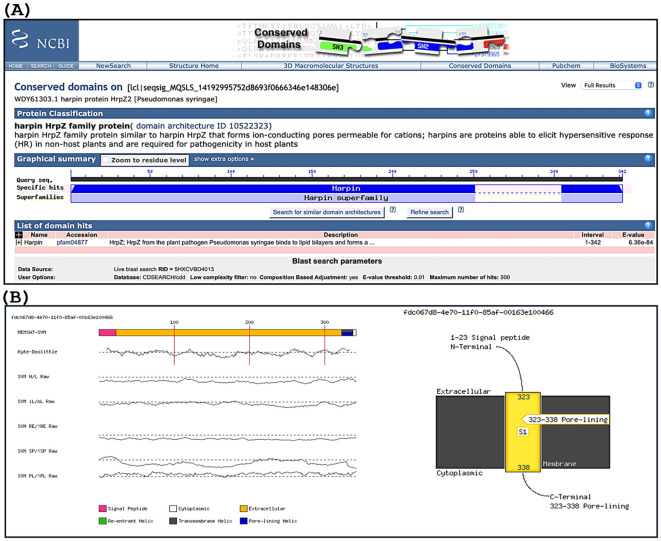 Figure 3
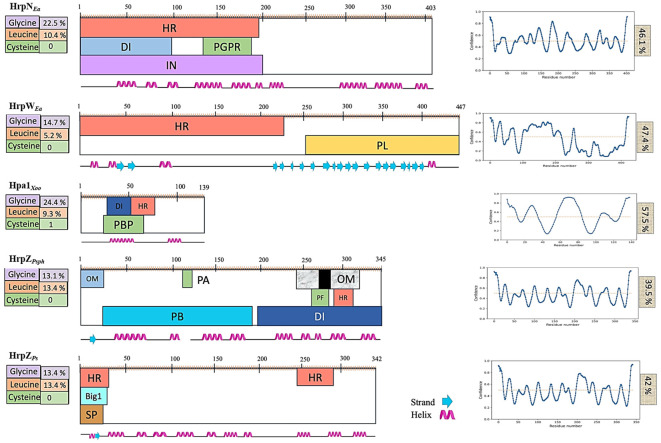 Figure 4
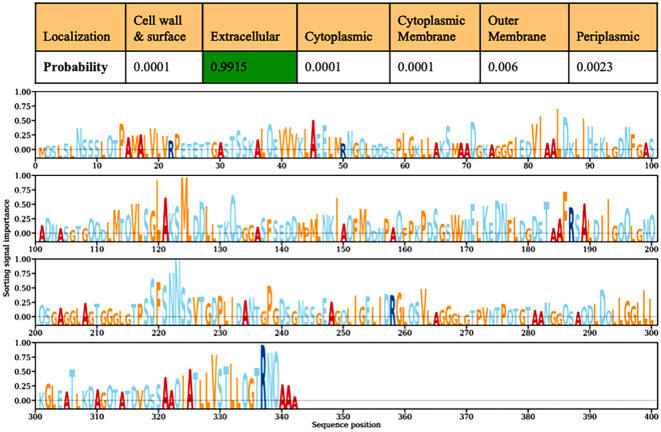 Figure 5
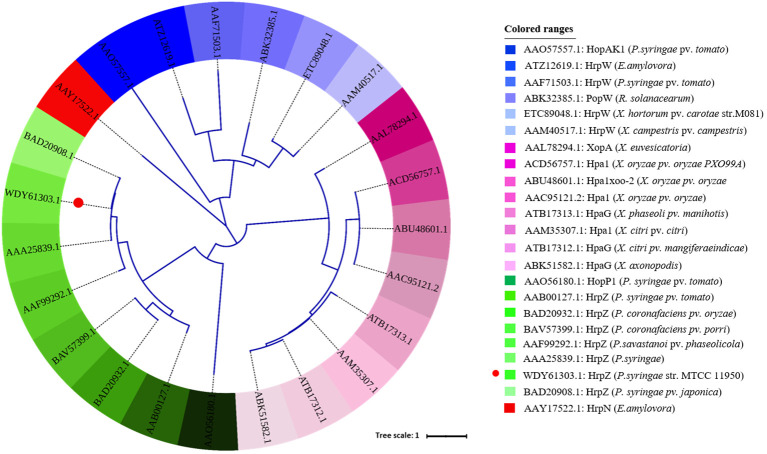 Figure 6
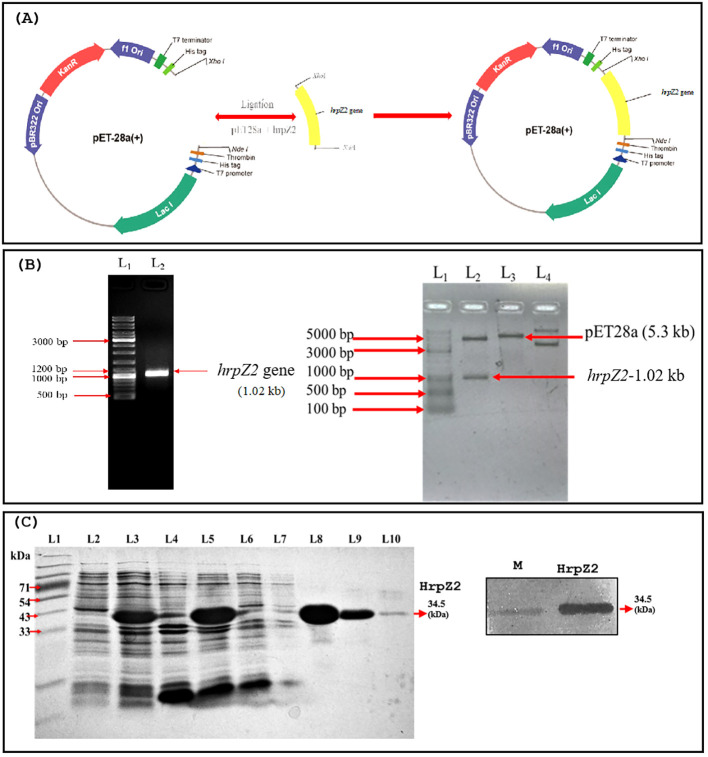 Figure 7
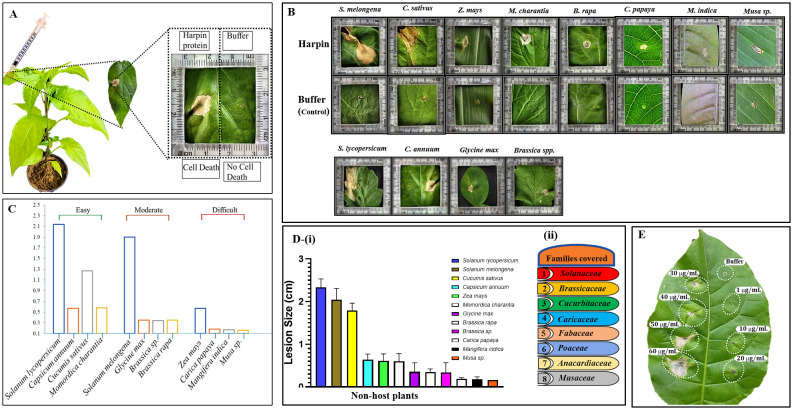 Figure 8
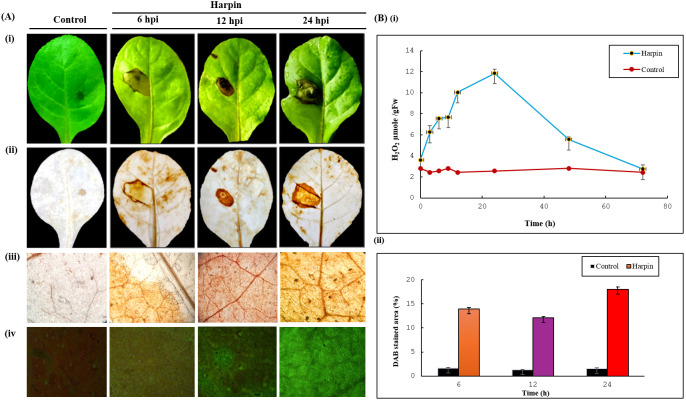 Figure 9
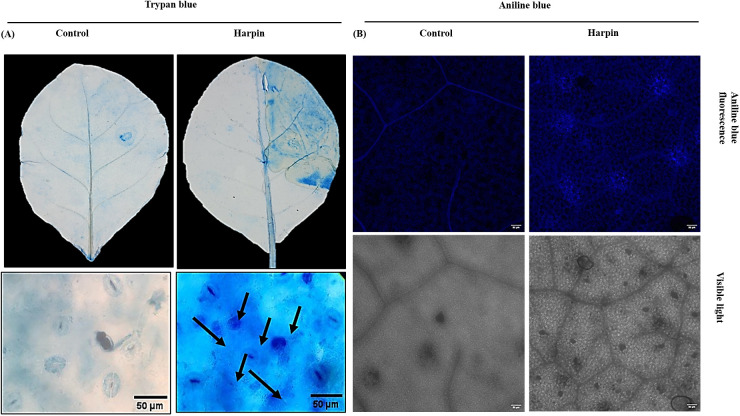 Figure 10
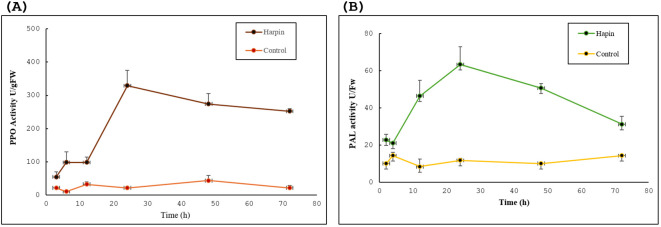 Figure 11
Peer Reviews
No public reviews on file for this paper yet. If you reviewed it on a platform where reviews are public (OpenReview, ICLR, NeurIPS, ICML), you can paste yours below so the community can read it here.
Videos
No videos yet. Explain this paper in a talk, walkthrough, or lecture? Add one.
Taxonomy
TopicsPlant Pathogenic Bacteria Studies · Toxin Mechanisms and Immunotoxins · Plant-Microbe Interactions and Immunity