Fracture resistance of translucent zirconia overlay restoration with different preparation designs
Yousra Ahmed Awad, Lamia Dawood, Mohamed El-Anwar, Ahmed Attia

TL;DR
This study tested how different tooth preparation designs affect the strength of translucent zirconia dental restorations.
Contribution
The study introduces a comparison of four specific tooth preparation designs for zirconia overlays and their impact on fracture resistance.
Findings
Anatomical cusp with chamfer finish line showed the highest fracture resistance (4371 ± 440 N).
Flat cusp reduction with proximal steps showed the lowest fracture resistance (3483 ± 567 N).
Cusp and margin design both significantly affect the fracture resistance of zirconia restorations.
Abstract
This in-vitro study was planned to evaluate the fracture load of translucent zirconia overlay restoration made with different tooth preparation designs. Thirty-two sound mandibular molars were divided into four main groups (n = 8), based on different overlay preparation designs. Group 1 anatomic cusps with chamfer finish line (ACC), group 2: flat cusp with chamfer finish line (FCC), group 3: anatomic cusp reduction with proximal steps (ACS), group 4: flat cups reduction with proximal steps (FCS). The teeth were restored using translucent monolithic zirconia (IPS e.max ZirCAD, Ivoclar, FL). Cementation was performed using adhesive resin cement. Specimens were stored in water at 37 °C for 45 days then followed by cyclic loading fatigue for 120,000 cycles. Finally, specimens were fractured under compressive load in Newton (N) using a universal testing machine. A stereo microscope and…
Genes, proteins, chemicals, diseases, species, mutations and cell lines named across the full text — each resolved to its canonical identifier and authoritative record.
Click any figure to enlarge with its caption.
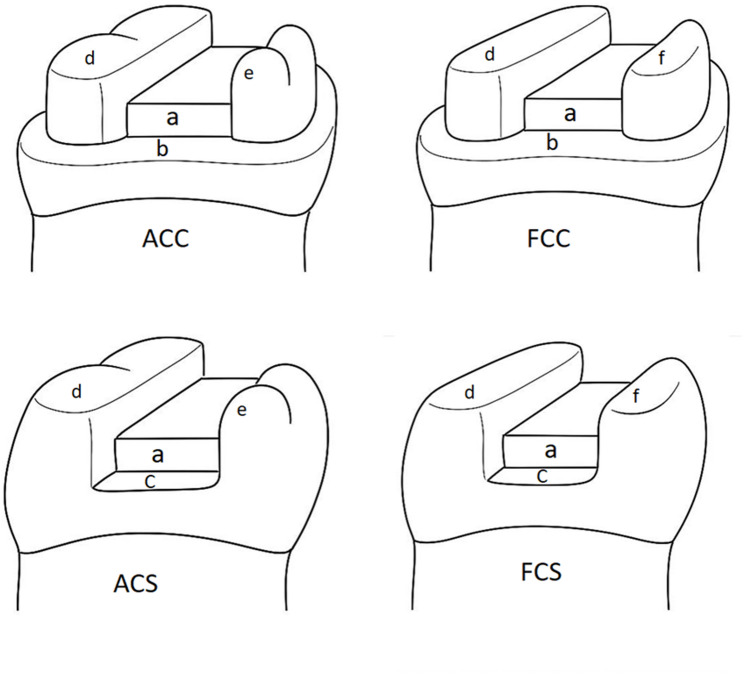 Figure 1
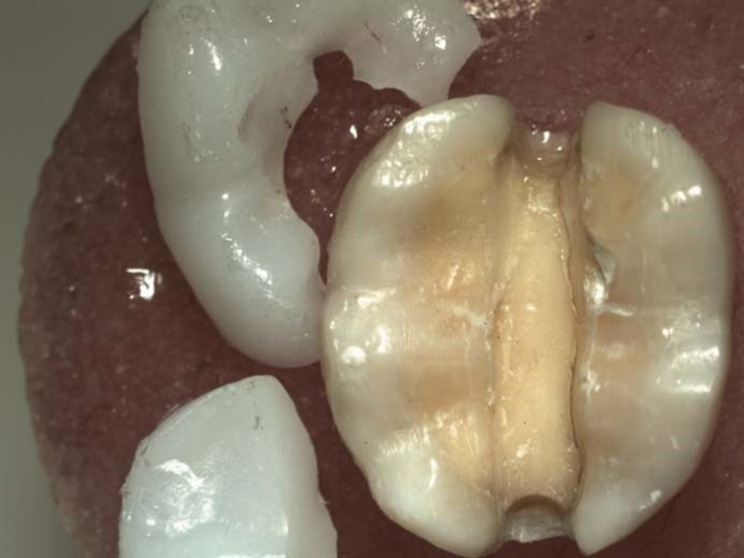 Figure 2
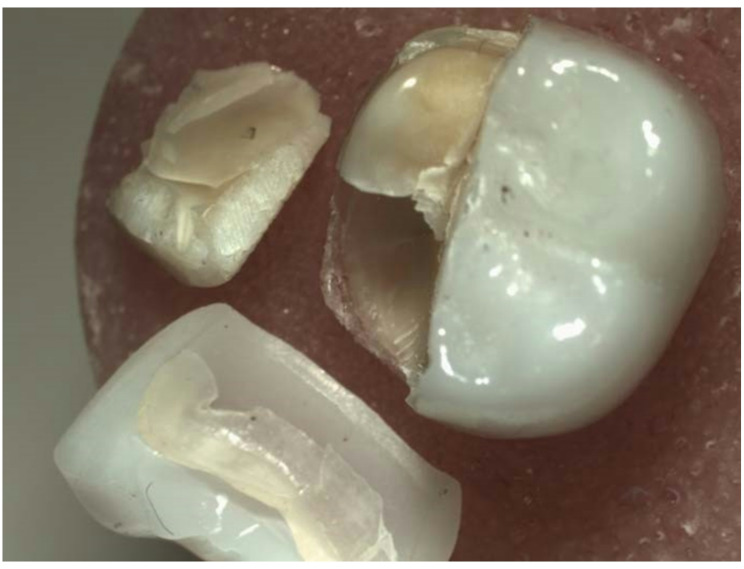 Figure 3
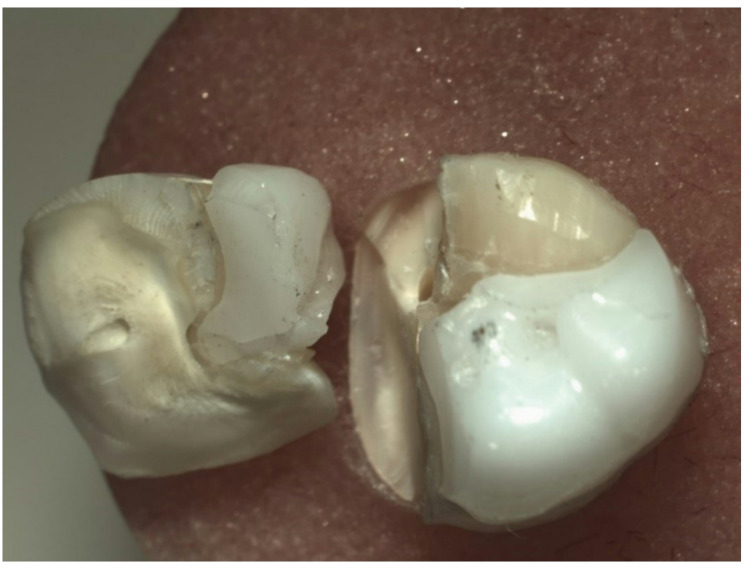 Figure 4
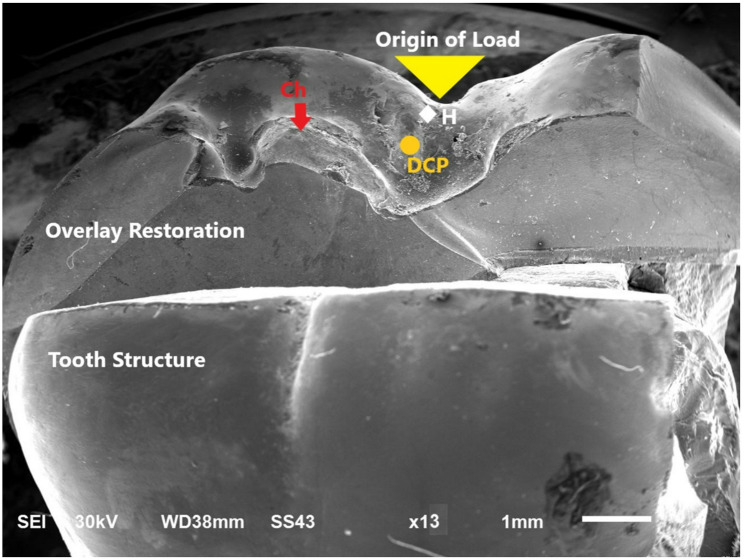 Figure 5
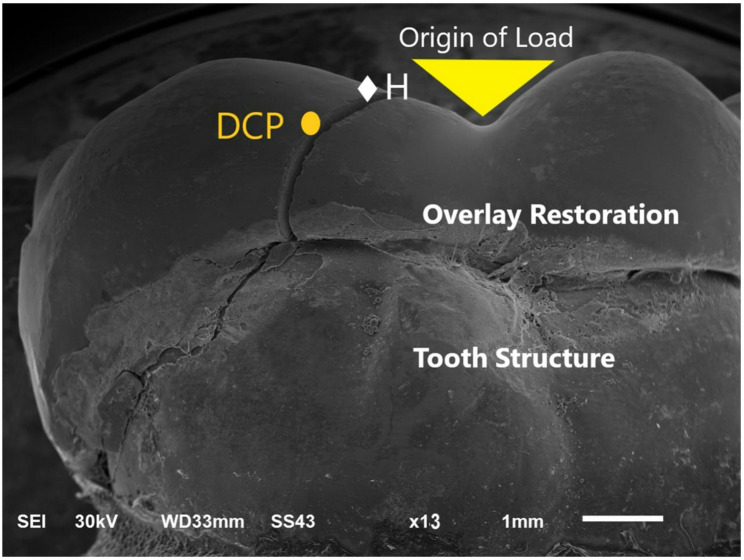 Figure 6
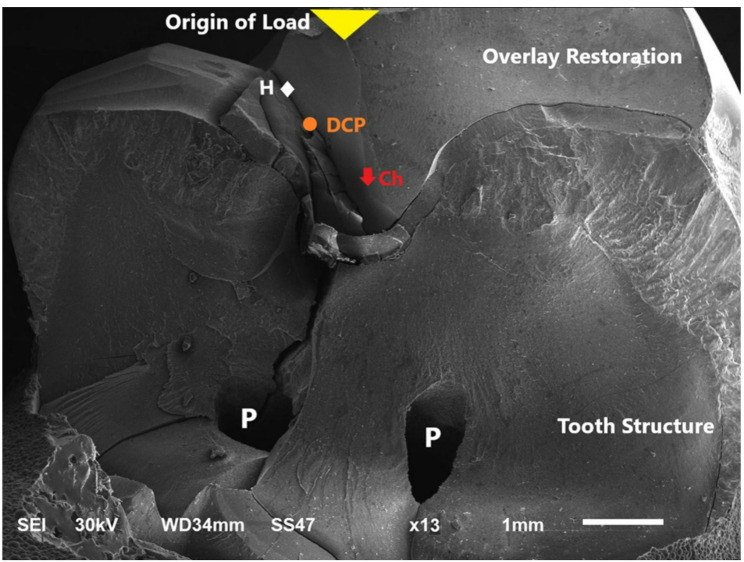 Figure 7
Peer Reviews
No public reviews on file for this paper yet. If you reviewed it on a platform where reviews are public (OpenReview, ICLR, NeurIPS, ICML), you can paste yours below so the community can read it here.
Videos
No videos yet. Explain this paper in a talk, walkthrough, or lecture? Add one.
Taxonomy
TopicsDental materials and restorations · Endodontics and Root Canal Treatments · Dental Implant Techniques and Outcomes