NKG2D receptor ligands are cell surface biomarkers for injured murine and human nociceptive sensory neurons
Shuaiwei Wang, Allison M. Barry, Yoon Kyung Lee, Naomi Young, Sang Wook Shim, Xinying Wang, Hyeongcheol Kim, Laura Stirling-Barros, Rafael González-Cano, Michael Costigan, Georgios Baskozos, Simon Rinaldi, David LH Bennett, Seog Bae Oh, Alexander J. Davies

TL;DR
This study shows that NKG2D receptor ligands appear on injured sensory neurons in mice and humans, suggesting a potential role in chronic pain and immune interactions.
Contribution
The study identifies NKG2D ligands as cell surface biomarkers for injured nociceptive neurons in both mice and humans.
Findings
NKG2D ligands are expressed exclusively in unmyelinated DRG neurons after injury.
Soluble NKG2D receptors bind to injured axons, especially in Mrgprd-expressing nociceptors.
Blocking NKG2D prevents degeneration of human sensory neurites by IL-2-primed NK cells.
Abstract
Nociceptors are primary afferent neurons that sense noxious stimuli. They can be activated by tissue injury as well as the accompanying local immune response. We have shown that following nerve injury in mice, cytotoxic Natural Killer (NK) cells infiltrate the peripheral nerve where they interact with stress-induced ligands of the activating receptor NKG2D (Klrk1). However, the diversity and specificity of NKG2D receptor ligands among sensory neuron subtypes, and translation of this mechanism to human cells, remains unknown. We used dorsal root ganglion (DRG) neurons cultured from C57BL/6J mice of both sexes with fluorescently labelled sensory neuron lines (Scn10a, Mrgprd, Calca, Trpv1, Th, Thy1), as well as human induced pluripotent stem cell-derived (hiPSCd)-sensory neurons after laser ablation, as in vitro models of axonal injury. We assessed the expression of NKG2D ligands by…
Genes, proteins, chemicals, diseases, species, mutations and cell lines named across the full text — each resolved to its canonical identifier and authoritative record.
Click any figure to enlarge with its caption.
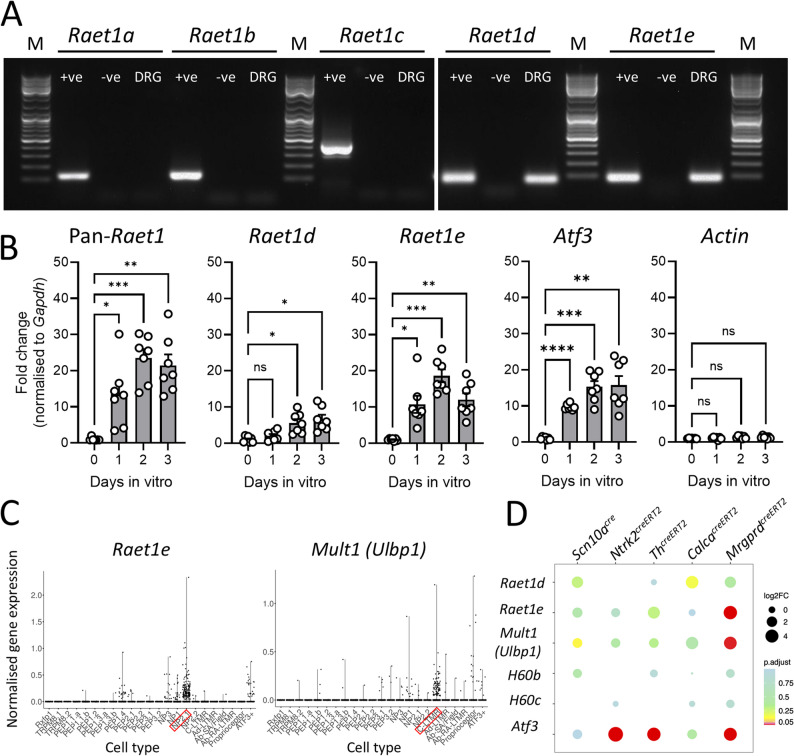 Figure 1
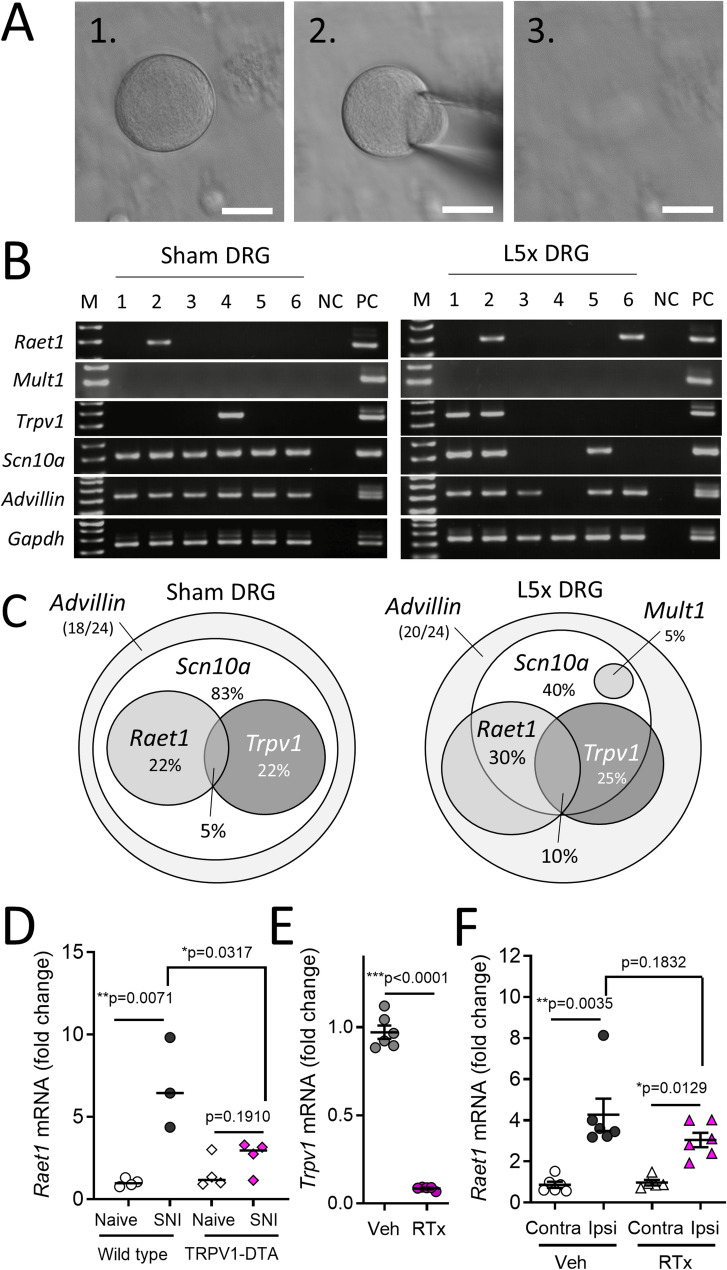 Figure 2
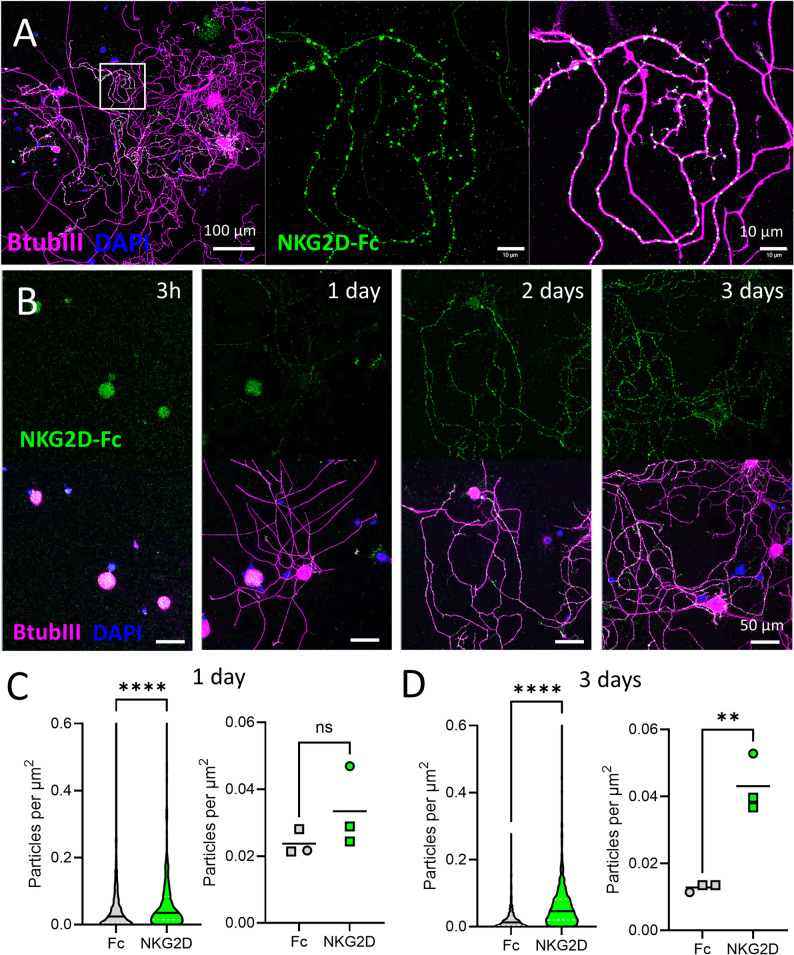 Figure 3
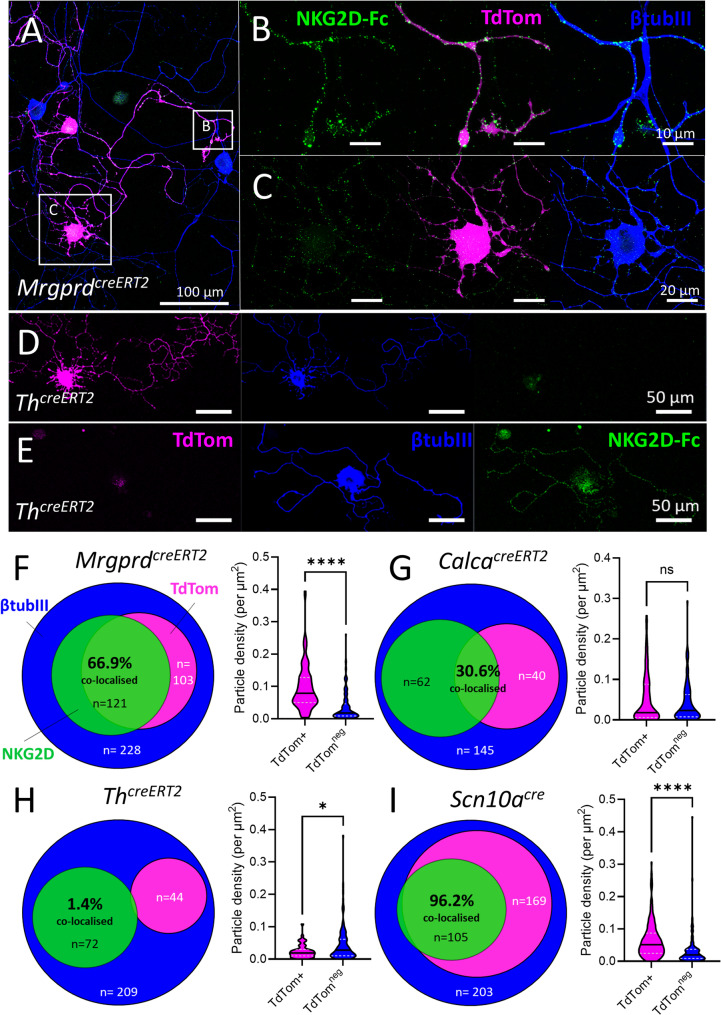 Figure 4
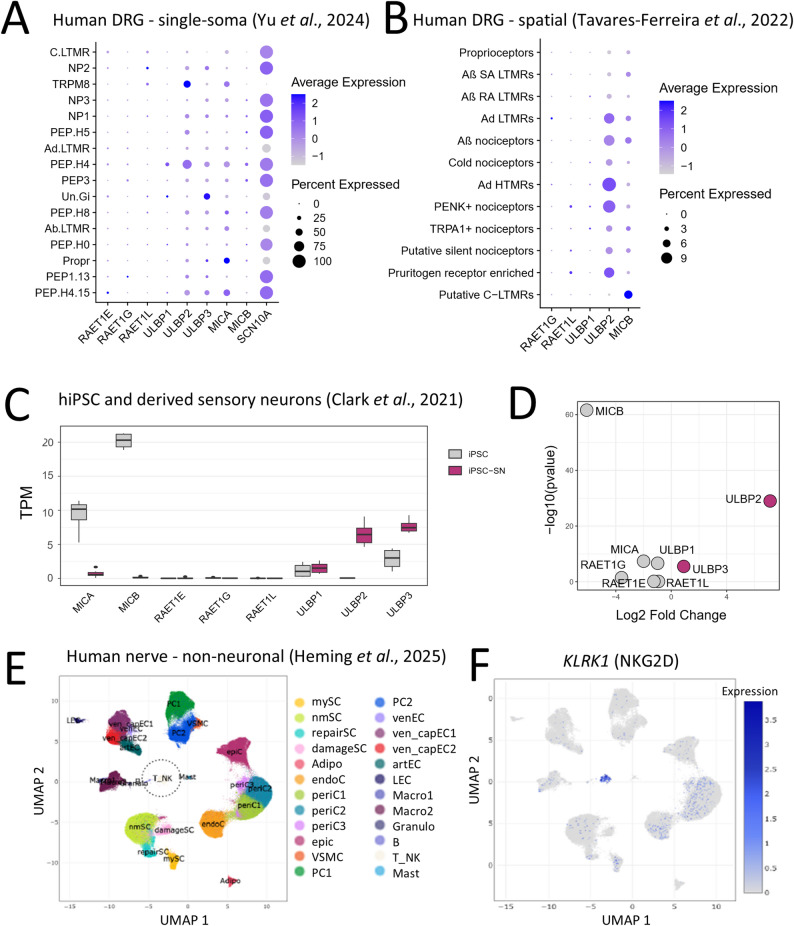 Figure 5
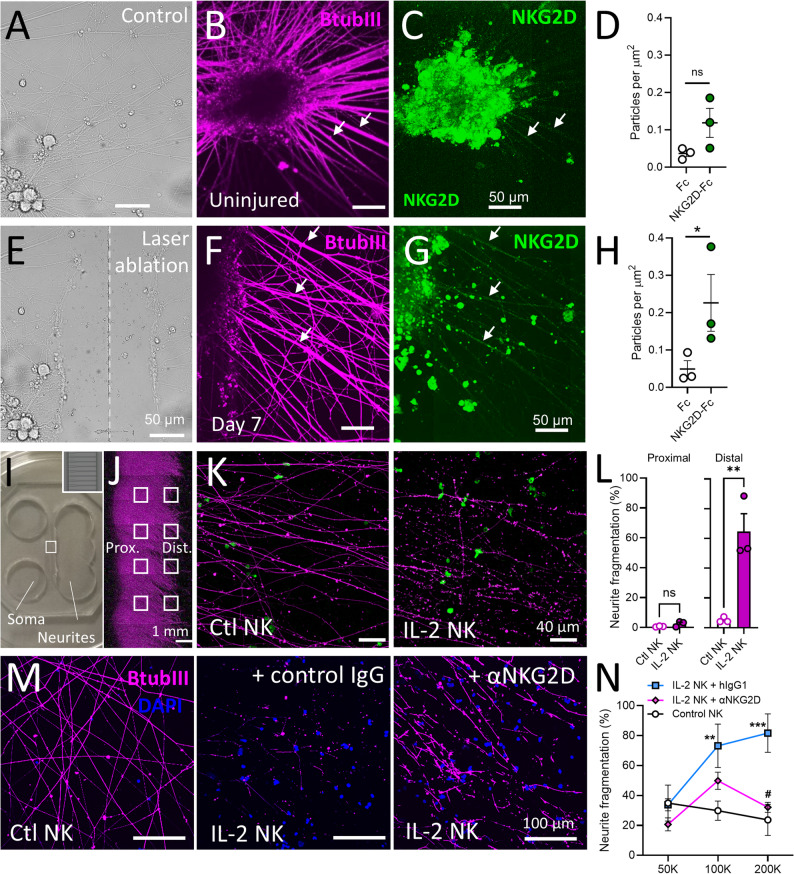 Figure 6
Peer Reviews
No public reviews on file for this paper yet. If you reviewed it on a platform where reviews are public (OpenReview, ICLR, NeurIPS, ICML), you can paste yours below so the community can read it here.
Videos
No videos yet. Explain this paper in a talk, walkthrough, or lecture? Add one.
Taxonomy
TopicsNeuropeptides and Animal Physiology · Immune Cell Function and Interaction · Pain Mechanisms and Treatments