Distributed EEG source localization of hypsarrhythmia in west syndrome: a standardized, low-resolution, brain electromagnetic tomography (sLORETA) study
Jooyoung Lee, Ja Un Moon, Eu Gene Park, Il Han Yoo, Ji Yoon Han, Tae-Hoon Eom, Joong Hyun Bin

TL;DR
This study uses EEG source localization to better understand hypsarrhythmia in West syndrome, revealing abnormal brain activity patterns in affected patients.
Contribution
The study introduces a novel use of sLORETA to localize distributed EEG sources in West syndrome, revealing specific brain regions and frequency patterns.
Findings
West syndrome patients showed significantly increased current density in all frequency bands compared to controls.
Delta band changes were most prominent in the right frontal lobe, particularly the middle frontal gyrus.
Abnormal activity showed a low-to-high and anteroposterior gradient in neuronal activity.
Abstract
West syndrome is a developmental epileptic encephalopathy characterized by epileptic spasms, hypsarrhythmia, and neurodevelopmental regression. Despite well-defined clinical criteria, hypsarrhythmia remains challenging to characterize due to its disorganized nature. Recent advancements in quantitative electroencephalography (qEEG) provide a more objective approach to understanding the electrophysiology of this disorder. This study aims to use qEEG and distributed source localization to increase the understanding of hypsarrhythmia in West syndrome. This study involved 34 participants, 17 diagnosed with West syndrome (West syndrome group) and 17 healthy controls (control group). All participants underwent 30-minute sleep EEG recordings, and data were analyzed using standardized low-resolution brain electromagnetic tomography (sLORETA) to assess the current density distribution across…
Genes, proteins, chemicals, diseases, species, mutations and cell lines named across the full text — each resolved to its canonical identifier and authoritative record.
Click any figure to enlarge with its caption.
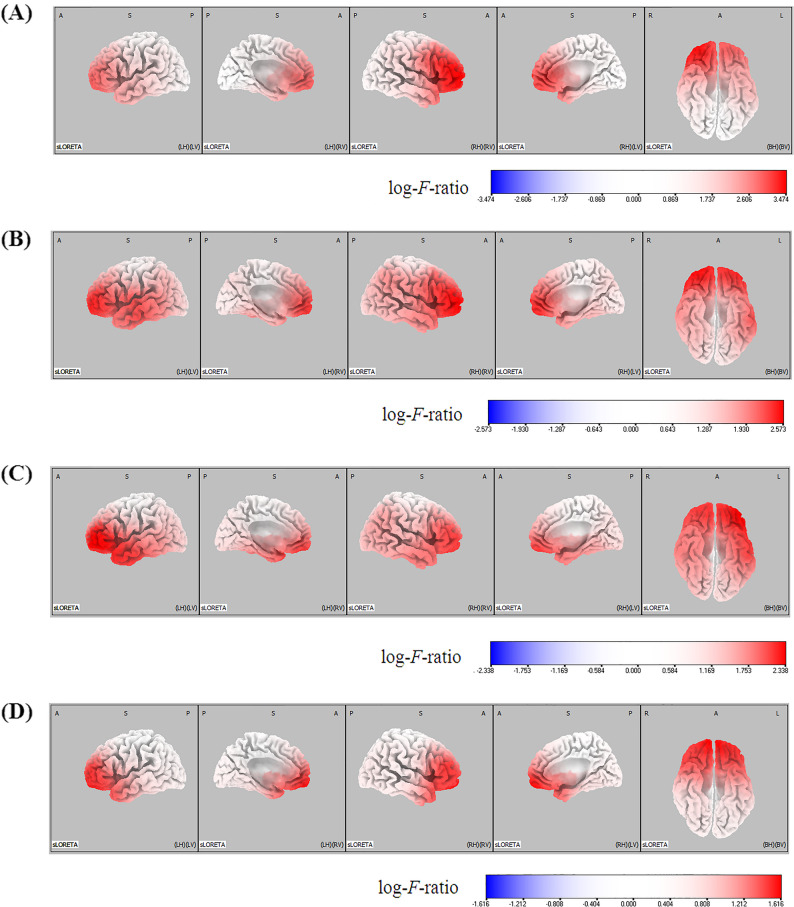 Figure 1
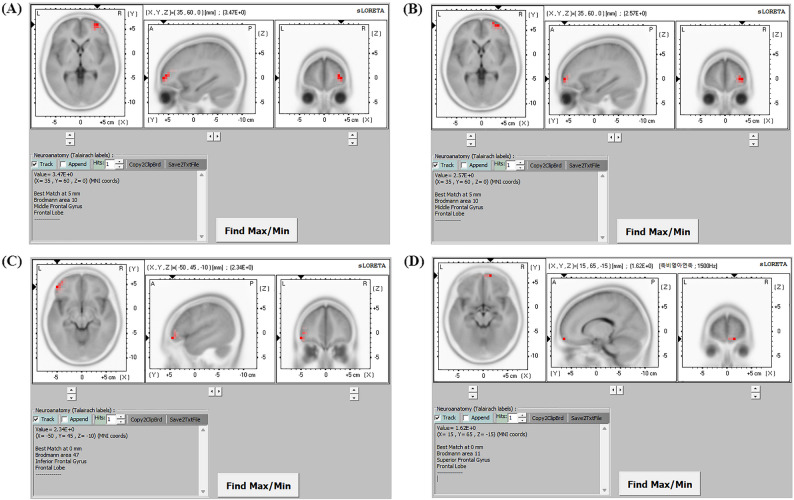 Figure 2
Peer Reviews
No public reviews on file for this paper yet. If you reviewed it on a platform where reviews are public (OpenReview, ICLR, NeurIPS, ICML), you can paste yours below so the community can read it here.
Videos
No videos yet. Explain this paper in a talk, walkthrough, or lecture? Add one.
Taxonomy
TopicsEpilepsy research and treatment · Williams Syndrome Research · Neuroscience and Music Perception