Impaired hepatic metabolism in Hereditary Fructose Intolerance confers fructose-independent risk for steatosis and hypertriglyceridemia
Melissa A. Fulham, John D. Griffin, Sylvie Perez, Zhongyuan Sun, Natalie A. Daurio, Gang Xing, Michelle F. Clasquin, Melissa R. Miller, Craig L. Hyde, Scott P. Kelly, Magalie Boucher, Rachel Poskanzer, Ramya Gamini, Evanthia Pashos, Ying Zhang, Elaine Kuang, Josh Fienman

TL;DR
This study shows that people with Hereditary Fructose Intolerance can still develop liver and metabolic issues even without fructose, due to impaired fat metabolism.
Contribution
The study reveals fructose-independent metabolic pathologies in HFI and identifies potential therapeutic targets.
Findings
Aldob deletion in rats caused liver steatosis and hyperlipidemia on a fructose-free diet during fasting.
Impaired fatty acid oxidation and elevated de novo lipogenesis were observed due to disrupted gluconeogenesis.
ACC and DGAT2 inhibitors reduced hepatic and plasma triglycerides in AldoB-KO rats.
Abstract
Hereditary fructose intolerance (HFI), caused by Aldolase B deficiency, is a rare genetic disorder where fructose exposure leads to severe metabolic pathologies including Type-2 diabetes and liver steatosis. Despite adhering to fructose-free diets, some individuals still present with disease. Using a rat model of HFI we demonstrate that fructose independent pathologies exist and identify the molecular pathways driving disease. Aldob was deleted in Sprague Dawley rats using CRIPSR/Cas9 (AldoB-KO). Phenotypic, metabolomic and transcriptomic studies were conducted to identify mechanisms promoting fructose-independent pathologies. Potential molecular causes were tested using pharmacologic inhibitors and ASOs. Deletion of Aldob caused hepatic steatosis, fibrosis and stunted growth in rats weaned on low fructose chow recapitulating human HFI. On fructose-free chow, AldoB-KO rats were…
Genes, proteins, chemicals, diseases, species, mutations and cell lines named across the full text — each resolved to its canonical identifier and authoritative record.
Click any figure to enlarge with its caption.
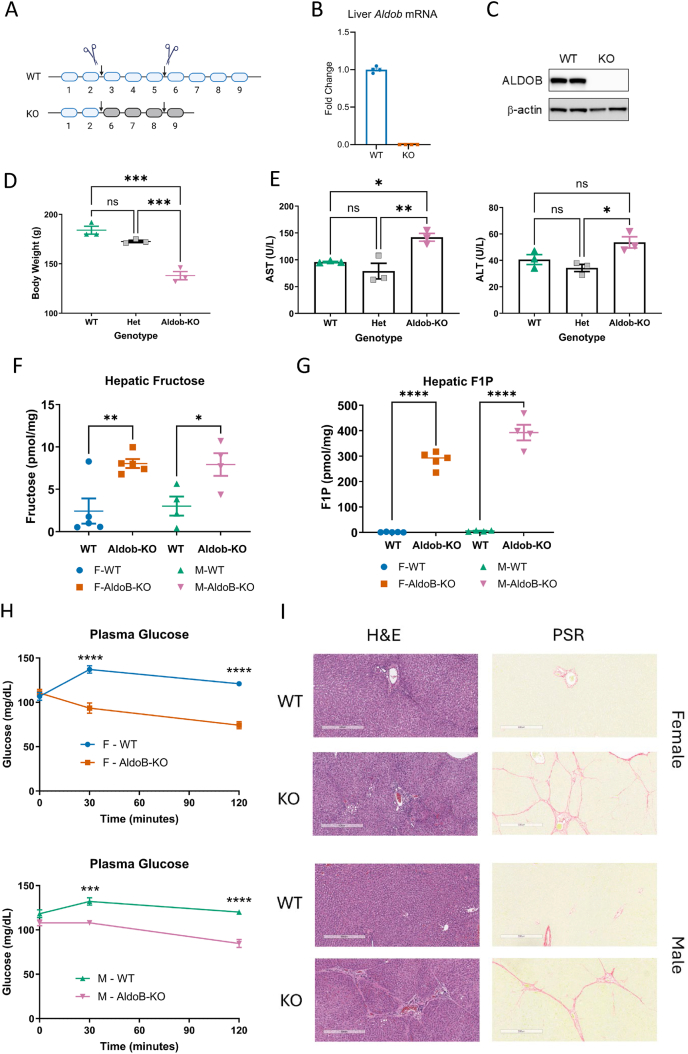 Figure 1
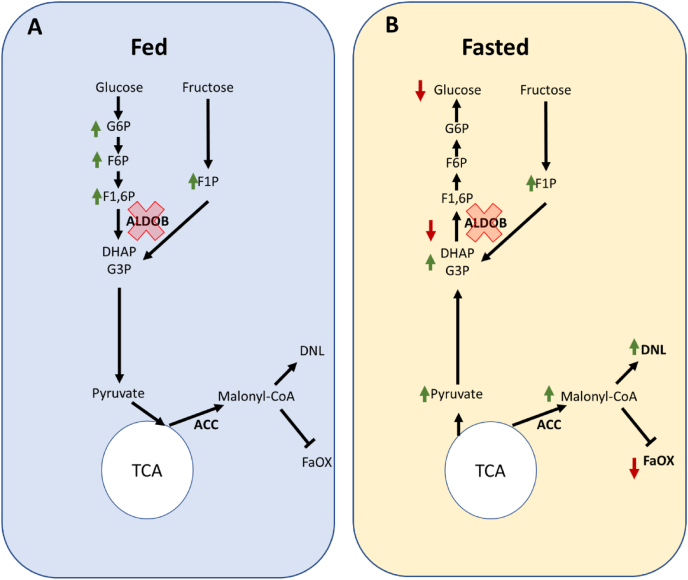 Figure 2
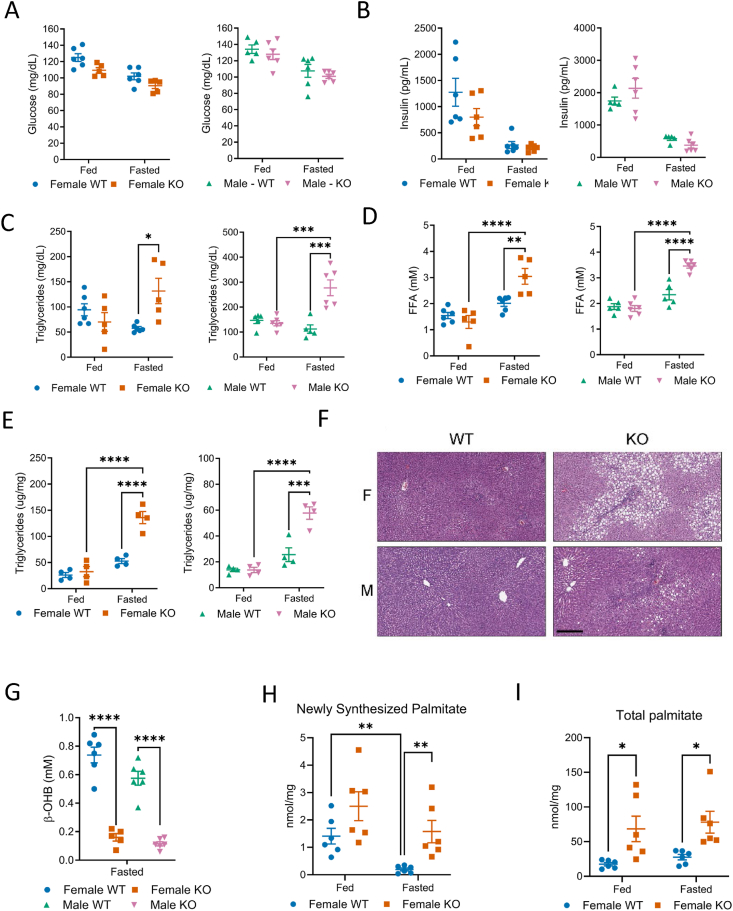 Figure 3
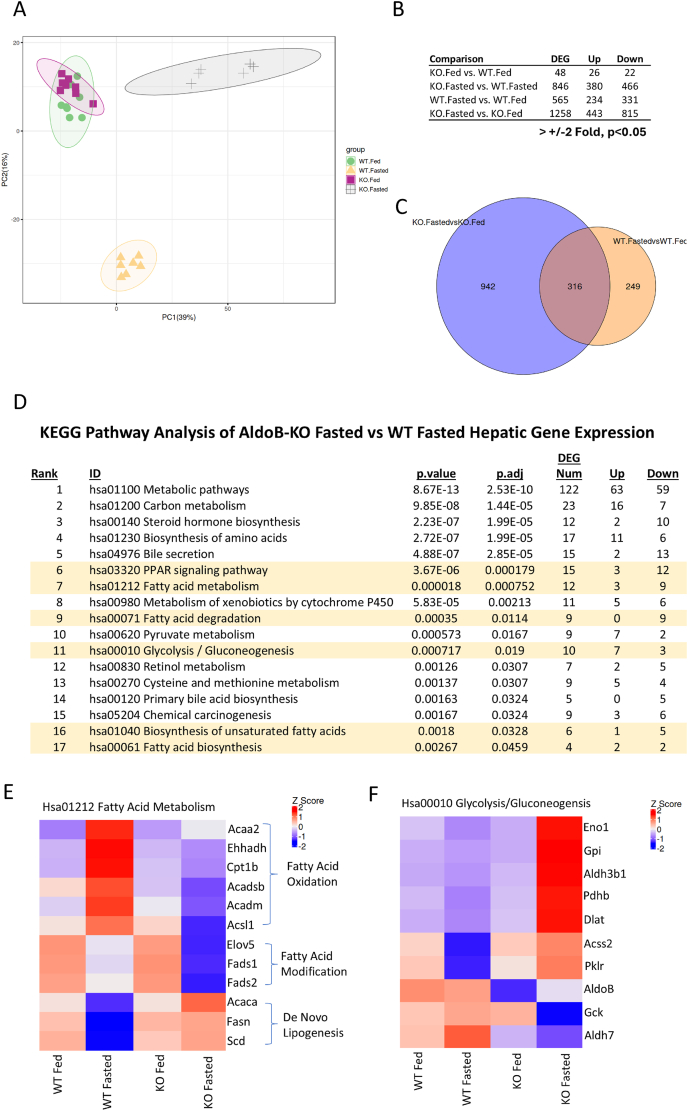 Figure 4
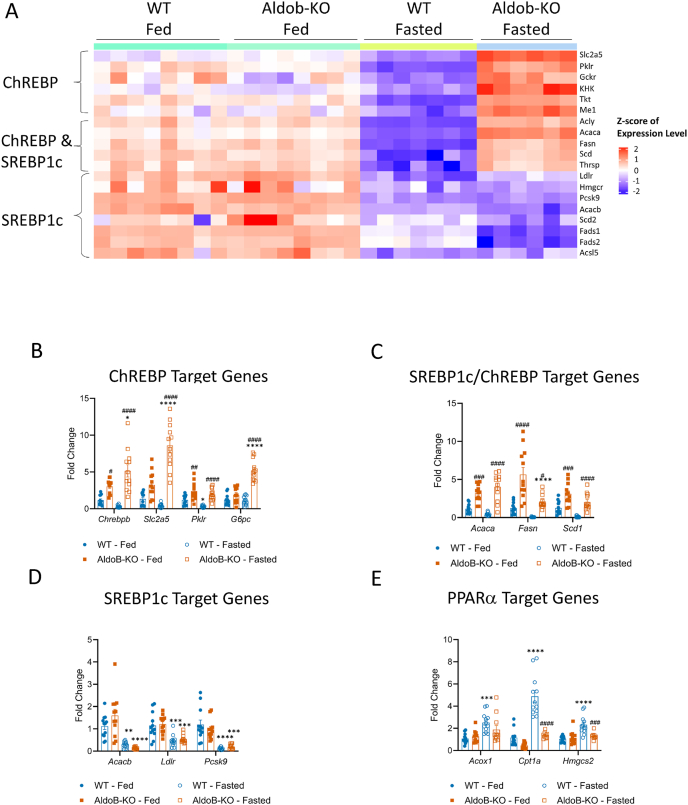 Figure 5
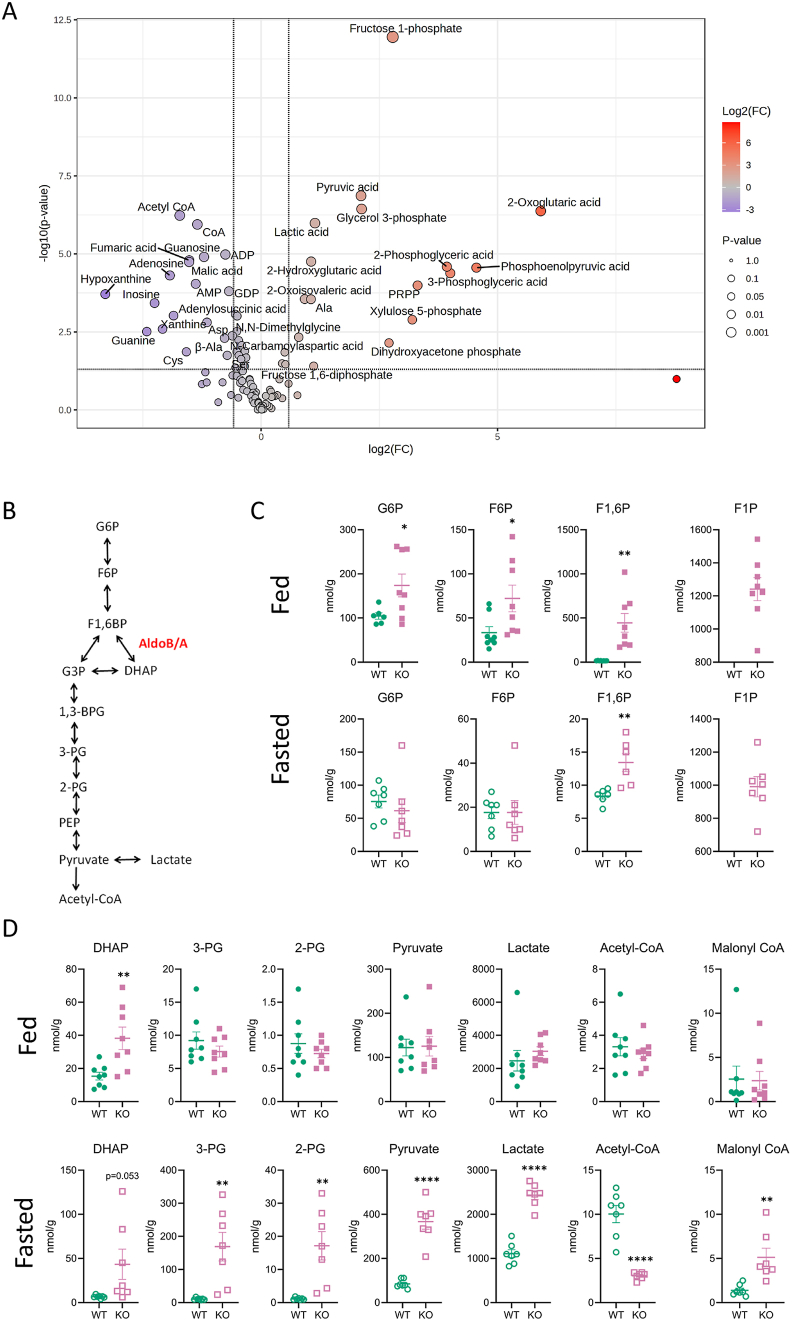 Figure 6
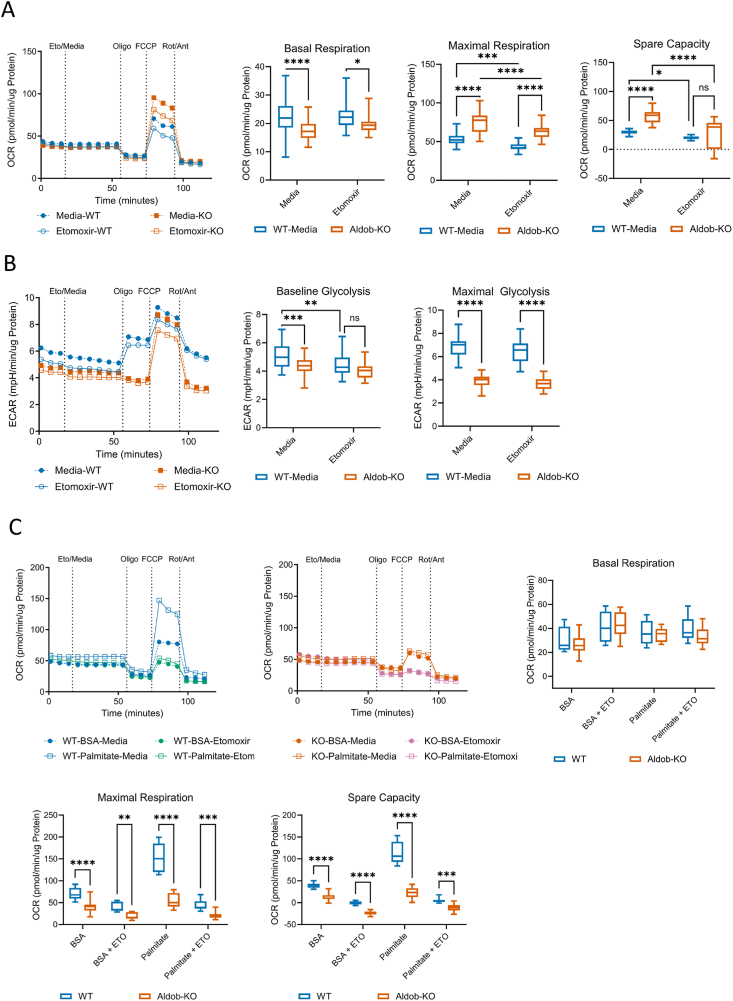 Figure 7
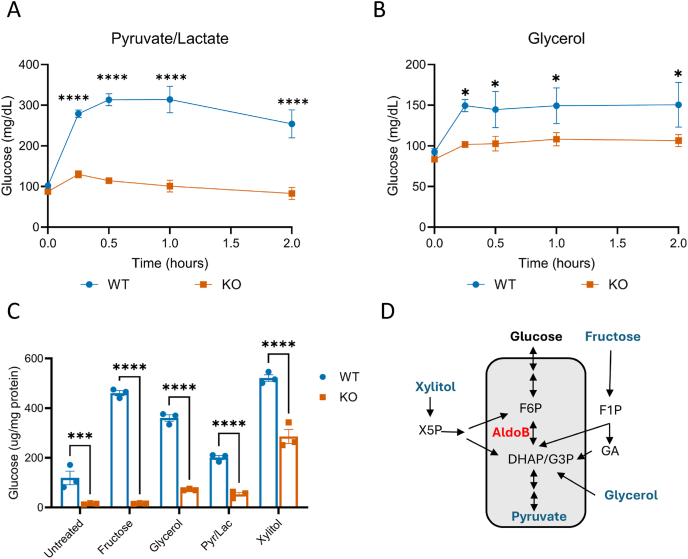 Figure 8
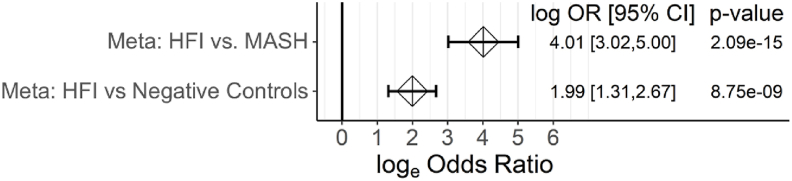 Figure 9
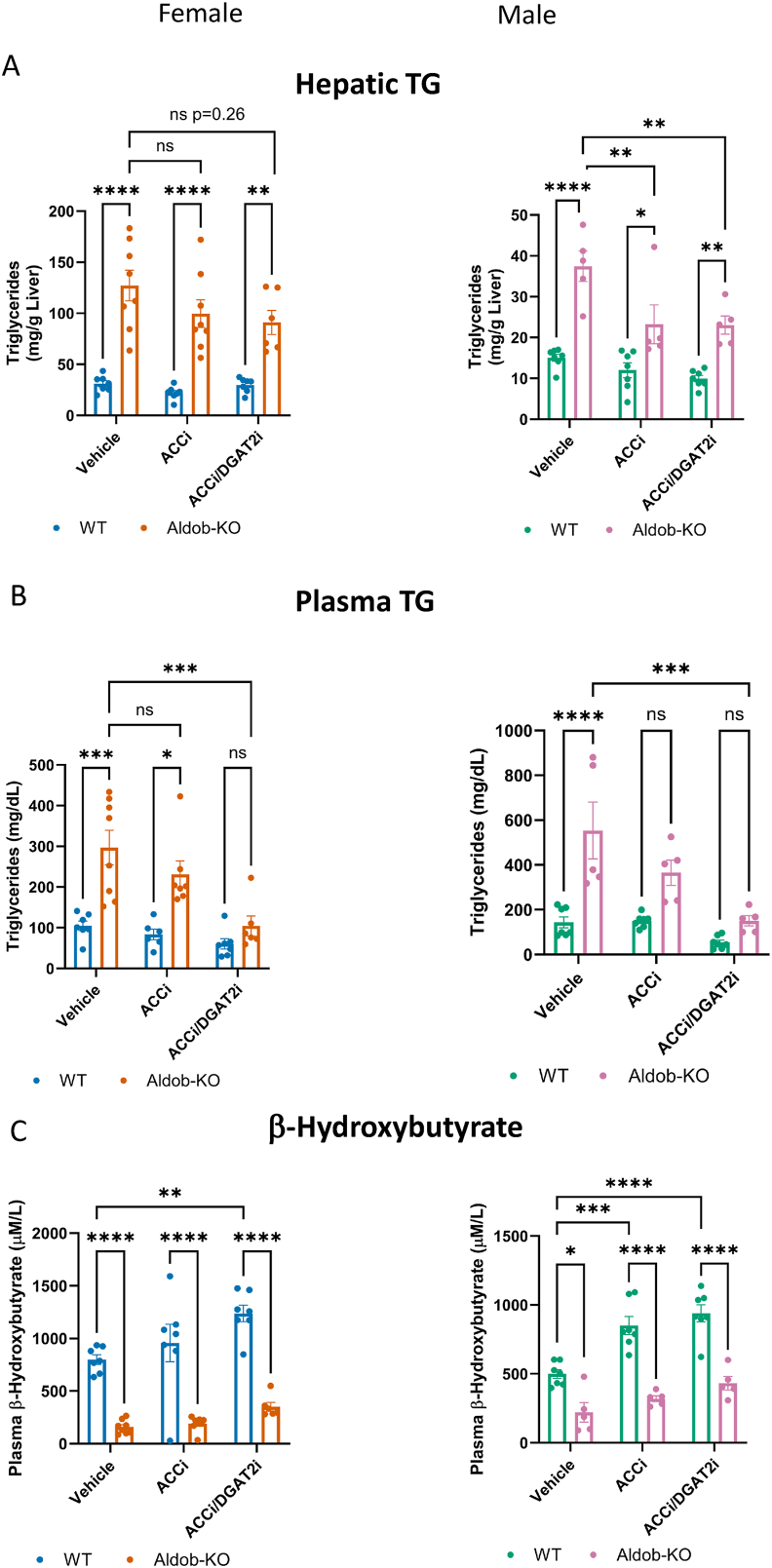 Figure 10
Peer Reviews
No public reviews on file for this paper yet. If you reviewed it on a platform where reviews are public (OpenReview, ICLR, NeurIPS, ICML), you can paste yours below so the community can read it here.
Videos
No videos yet. Explain this paper in a talk, walkthrough, or lecture? Add one.
Taxonomy
TopicsDiet, Metabolism, and Disease · Cancer, Hypoxia, and Metabolism · Liver Disease Diagnosis and Treatment