Gaze strategy and sense of ownership in learning prosthetic control: a comparative study using wearable eye tracking
Manabu Yoshimura, Hiroshi Kurumadani, Shota Date, Junya Hirata, Tomotaka Ito, Katsutoshi Senoo, Kozo Hanayama, Toru Sunagawa

TL;DR
This study explores how gaze behavior and sense of ownership change during prosthetic control learning, comparing body-powered and myoelectric prostheses.
Contribution
The study reveals distinct gaze strategies for body-powered and myoelectric prostheses during learning, emphasizing training effects over prosthesis type or hand dominance.
Findings
All groups improved task performance and reported increased sense of ownership after training.
Body-powered users fixated more on the target, while myoelectric users focused on the hand or object.
Participants with amputation showed efficient gaze patterns and strong ownership, suggesting long-term adaptation.
Abstract
Prosthetic control requires not only motor execution but also the development of adaptive visual strategies. Myoelectric prostheses provide limited sensory feedback and therefore rely more heavily on visual monitoring. However, learning-related changes in gaze behavior—including fixation patterns and physiological indices such as blink rate—remain underexplored. This study aimed to investigate how gaze behavior changes and the sense of ownership change during the learning of body-powered and myoelectric prosthetic control, and how these effects differ depending on hand dominance. Thirty-six healthy adults (18 males and 18 females) were randomly assigned to four groups: body-powered prosthesis with dominant hand, body-powered with non-dominant hand, myoelectric with dominant hand, and myoelectric with non-dominant hand. Participants performed a simulated prosthetic control task (Coin…
Genes, proteins, chemicals, diseases, species, mutations and cell lines named across the full text — each resolved to its canonical identifier and authoritative record.
Click any figure to enlarge with its caption.
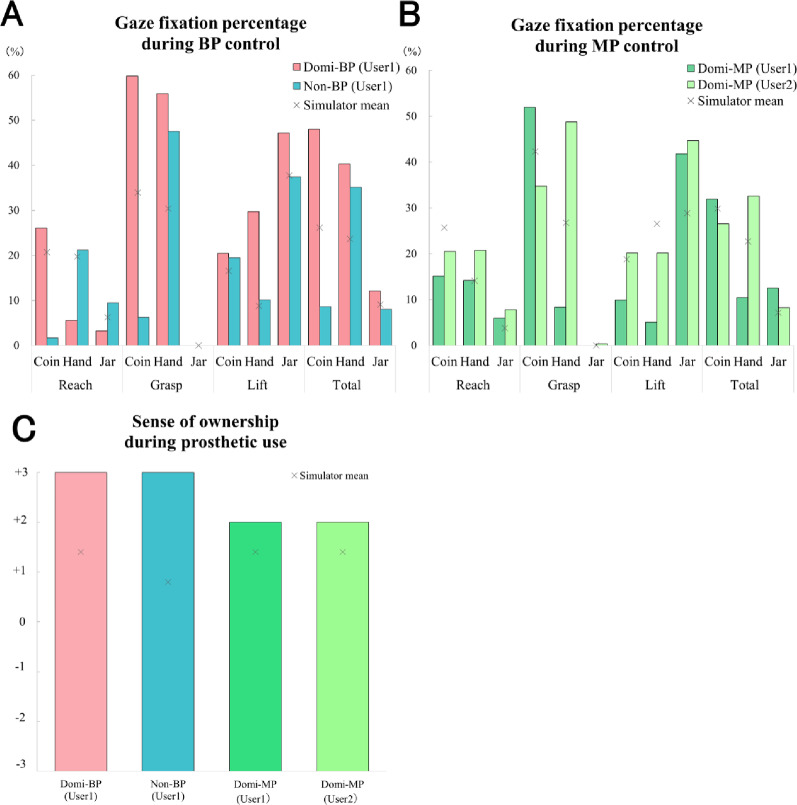 Figure 10
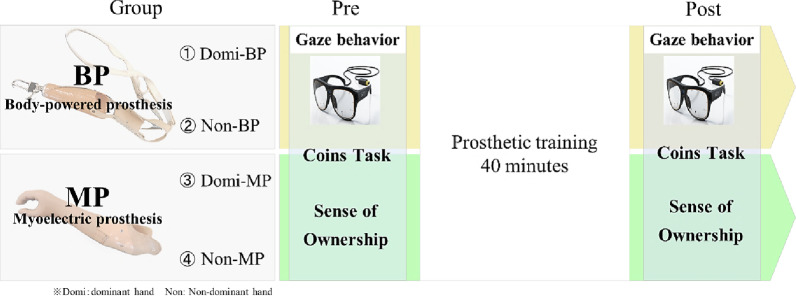 Figure 1
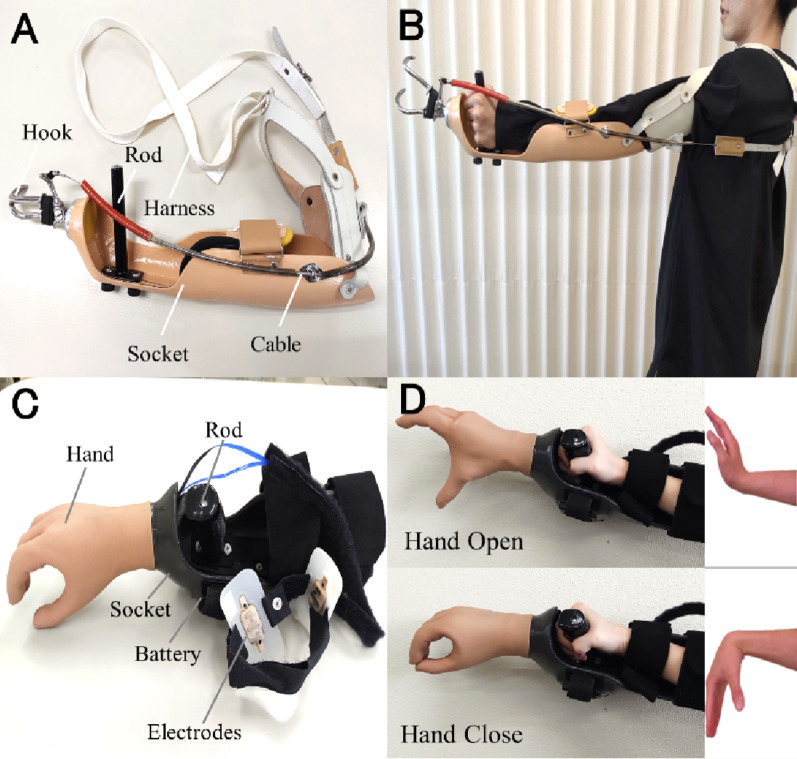 Figure 2
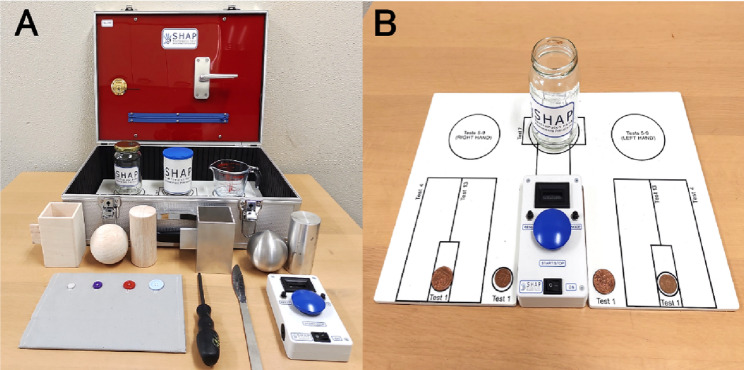 Figure 3
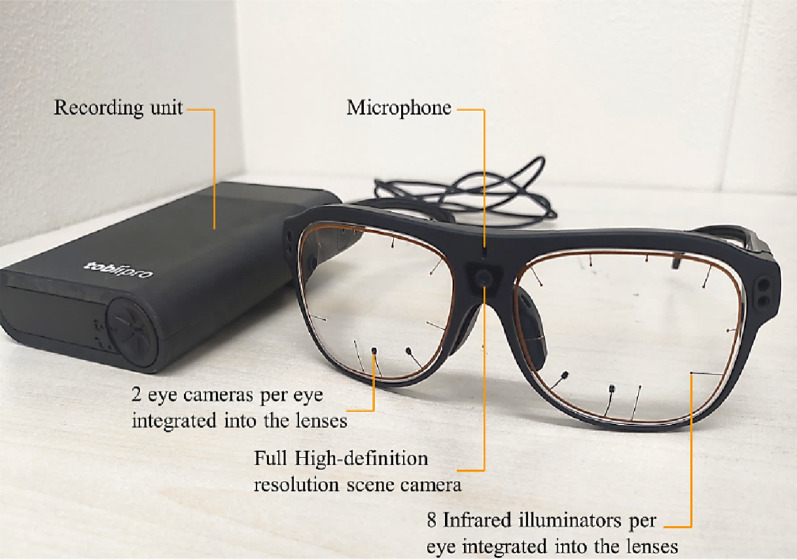 Figure 4
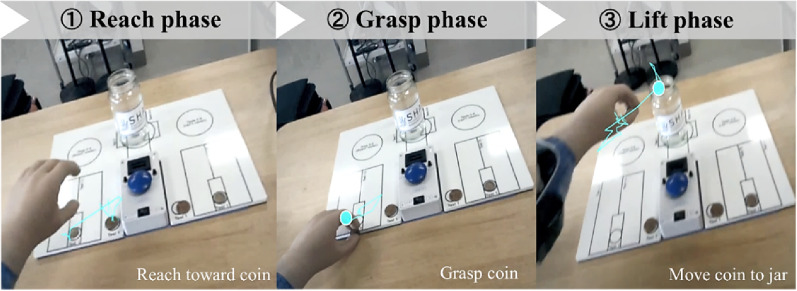 Figure 5
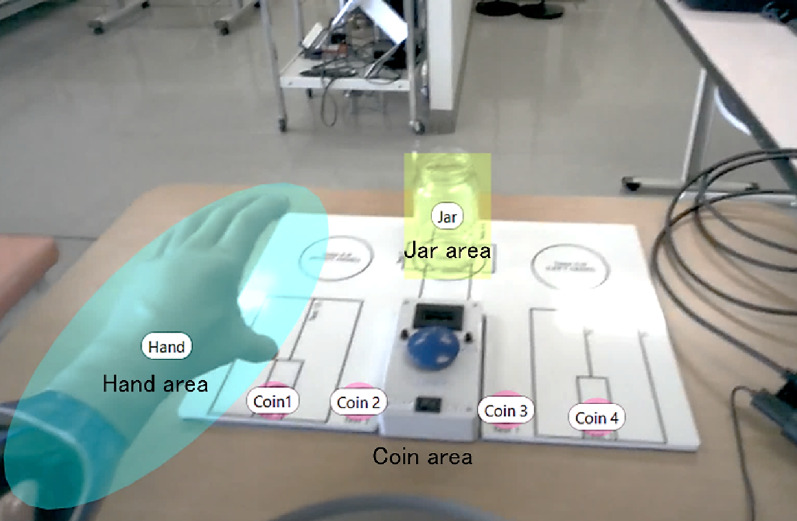 Figure 6
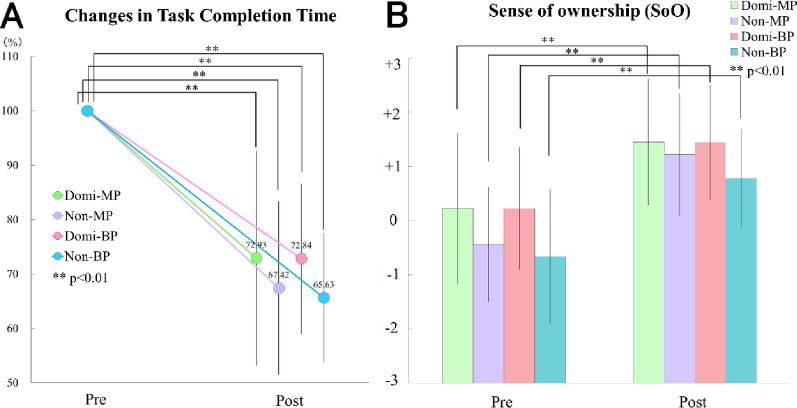 Figure 7
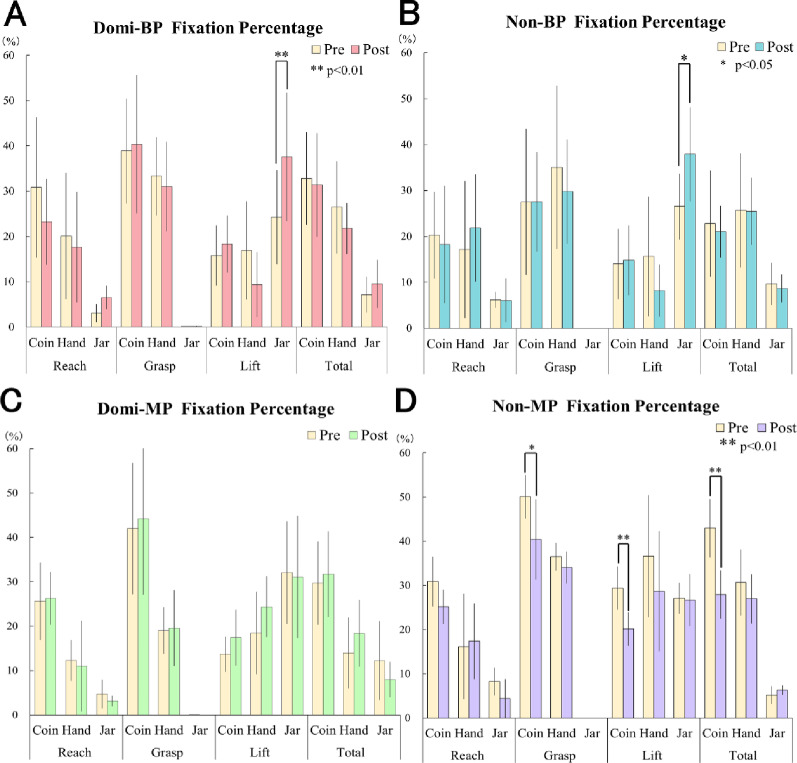 Figure 8
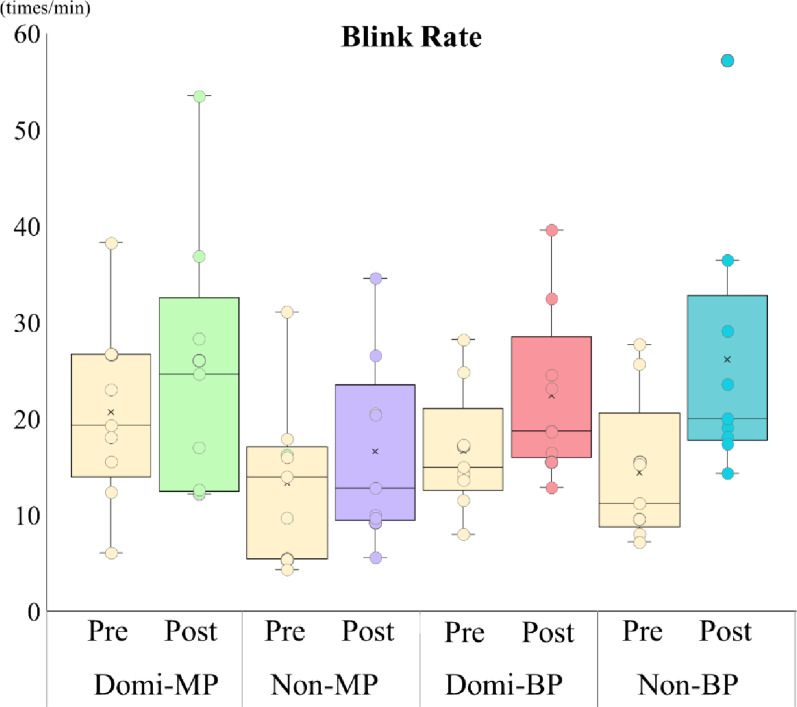 Figure 9
Peer Reviews
No public reviews on file for this paper yet. If you reviewed it on a platform where reviews are public (OpenReview, ICLR, NeurIPS, ICML), you can paste yours below so the community can read it here.
Videos
No videos yet. Explain this paper in a talk, walkthrough, or lecture? Add one.
Taxonomy
TopicsMuscle activation and electromyography studies · Prosthetics and Rehabilitation Robotics · Neuroscience and Neural Engineering