Proximity labeling in neuroscience: decoding molecular landscapes for precision neurology
Xia Gao, Jianjun Lu, Peipei Chen, Xinna Wang, Longlong Zheng, Yuyin Shao, Huali Shen, Qian Yang

TL;DR
Proximity labeling helps map molecular interactions in the nervous system, offering new insights into neurological diseases and potential treatments.
Contribution
This review systematically outlines how proximity labeling technologies transform molecular neuroscience and precision neurology.
Findings
Proximity labeling enables high-resolution mapping of proteomes and interactomes in specific neural compartments.
PL technologies are advancing understanding of diseases like Alzheimer’s and Parkinson’s by revealing pathophysiological mechanisms.
Integration of PL with multi-omics and single-cell methods could enhance precision neurology and drug discovery.
Abstract
The intricate cellular architecture and dynamic molecular interplay in the nervous system have long challenged mechanistic studies of neurological diseases. Conventional approaches often miss the transient, low-affinity, or spatially confined interactions that underlie neural homeostasis and pathogenesis. Proximity labeling (PL) technologies overcome this limitation by enabling in situ capture of these elusive molecular events within living systems. Through spatially restricted biotinylation, PL methods, including engineered biotin ligases (e.g., TurboID), peroxidases (e.g., APEX2), and emerging photocatalytic platforms, allow high-resolution mapping of proteomes and interactomes within defined subcellular compartments, cell types, and cell-cell interfaces. In this review, we systematically outline the principles of PL and its transformative applications in constructing molecular…
Genes, proteins, chemicals, diseases, species, mutations and cell lines named across the full text — each resolved to its canonical identifier and authoritative record.
Click any figure to enlarge with its caption.
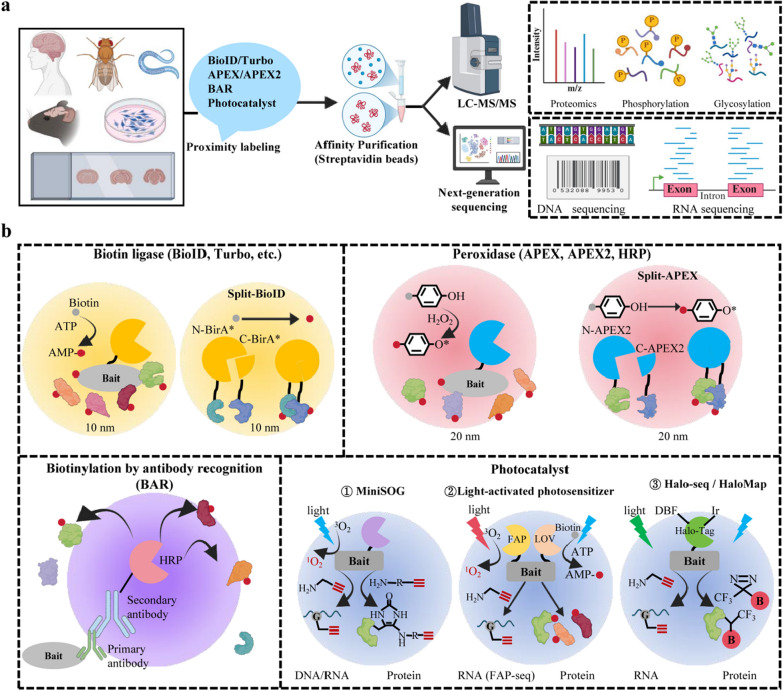 Figure 1
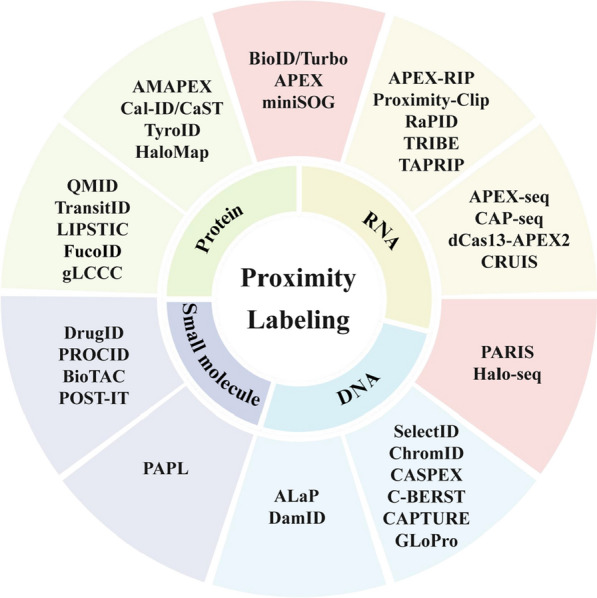 Figure 2
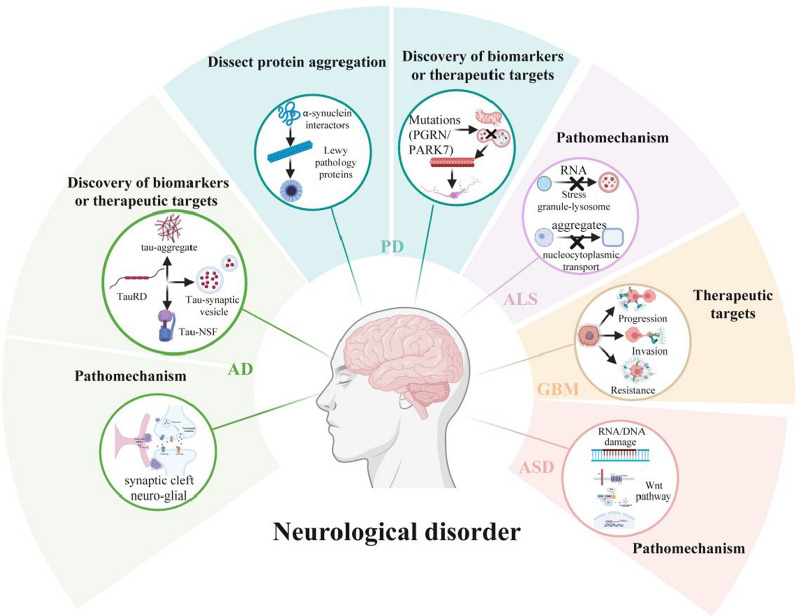 Figure 3
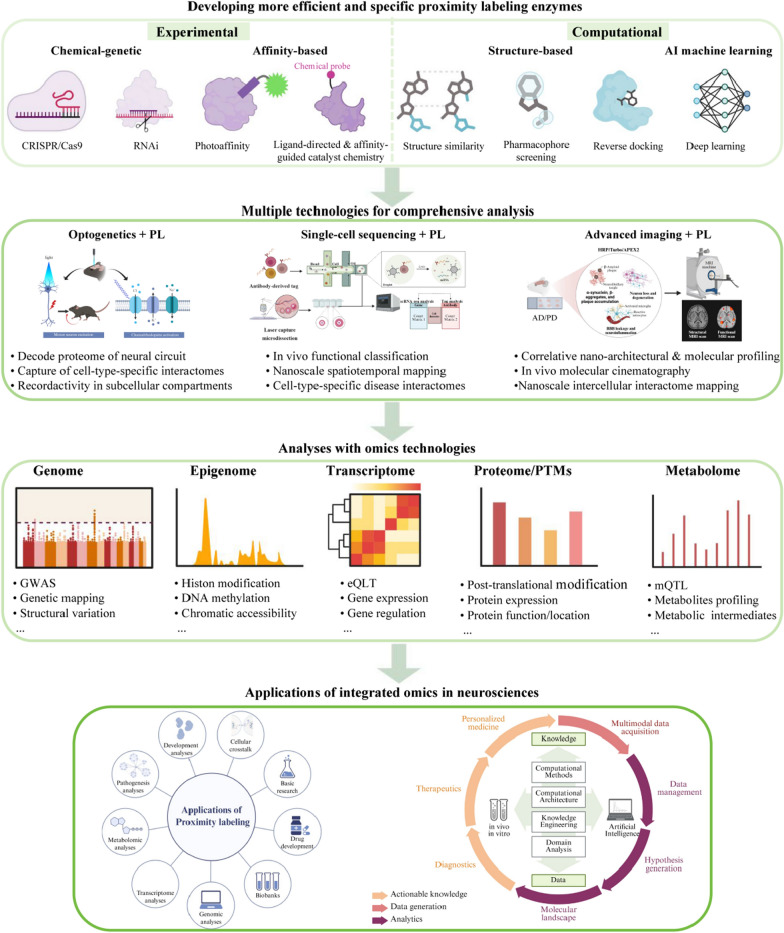 Figure 4
Peer Reviews
No public reviews on file for this paper yet. If you reviewed it on a platform where reviews are public (OpenReview, ICLR, NeurIPS, ICML), you can paste yours below so the community can read it here.
Videos
No videos yet. Explain this paper in a talk, walkthrough, or lecture? Add one.
Taxonomy
TopicsBiotin and Related Studies · Click Chemistry and Applications · Pluripotent Stem Cells Research