Human cognitive enhancement and reprogenetic technologies in Malaysia – A survey study of local Muslim undergraduate students' viewpoints
Sayyed Mohamed Muhsin, Mohamed Aslam Akbar, Sohela Mustari, Mohammed H. Alashaikh, Alexis Heng Boon Chin

TL;DR
A survey of Muslim students in Malaysia shows strong opposition to human enhancement technologies like gene editing and brain implants due to religious and ethical concerns.
Contribution
The study provides novel insights into Muslim undergraduates' ethical and religious perspectives on emerging human enhancement technologies in Malaysia.
Findings
Majority of respondents opposed technologies like gene editing and brain implants due to concerns about altering natural human attributes.
Many Muslim students believe humans were created flawlessly by Allah and should not be modified.
A three-pronged governance approach is proposed to guide future policy on these technologies.
Abstract
Newly emerging human enhancement technologies such as brain chip implants, CRISPR-Cas9-based gene editing, and polygenic embryo screening (PES) alongside preimplantation genetic testing (PGT-P) are highly controversial in Islam. However, the prevailing sociocultural dynamics encourage their uptake. In the current era of declining fertility rates, increased parental investment in fewer children has resulted in a flourishing tuition industry, accompanied by heightened academic pressure on students and widespread parental anxiety. These emerging technologies can be employed for cognitive enhancement, thereby providing an expedient solution for parents and students navigating a highly competitive educational environment. To inform and facilitate future policy decision-making, an online survey was conducted among 575 undergraduate Muslim students at the International Islamic University…
Genes, proteins, chemicals, diseases, species, mutations and cell lines named across the full text — each resolved to its canonical identifier and authoritative record.
Click any figure to enlarge with its caption.
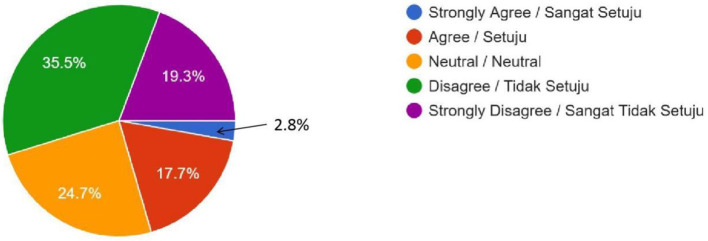 Figure 1
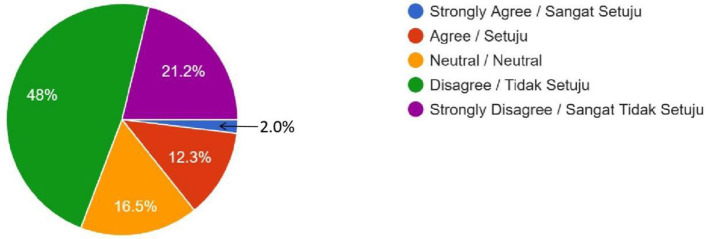 Figure 2
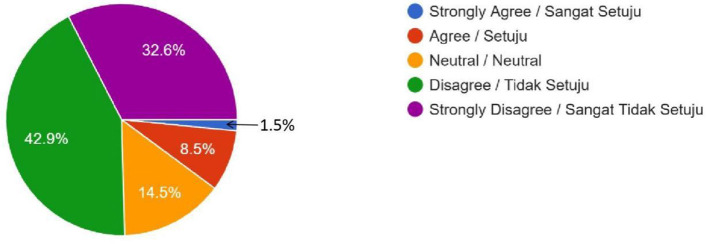 Figure 3
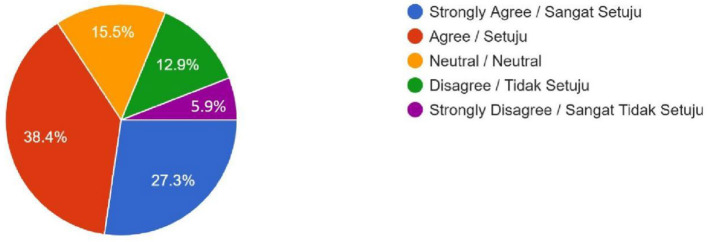 Figure 4
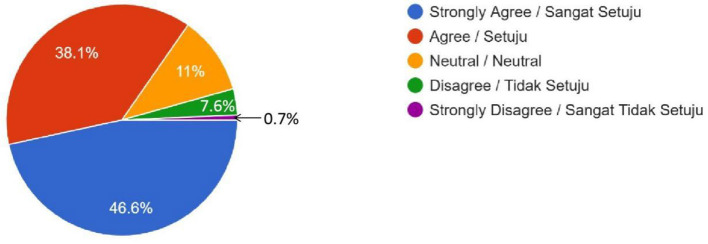 Figure 5
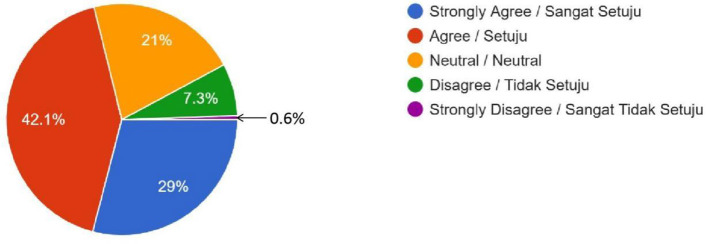 Figure 6
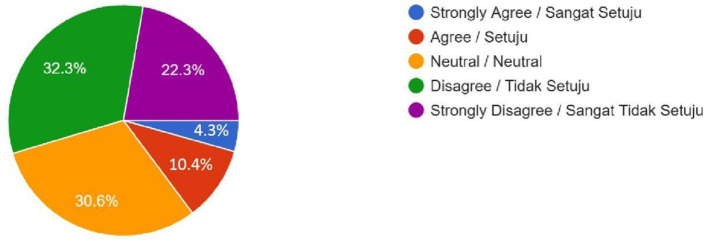 Figure 7
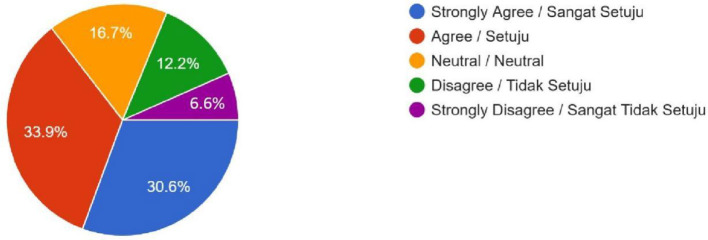 Figure 8
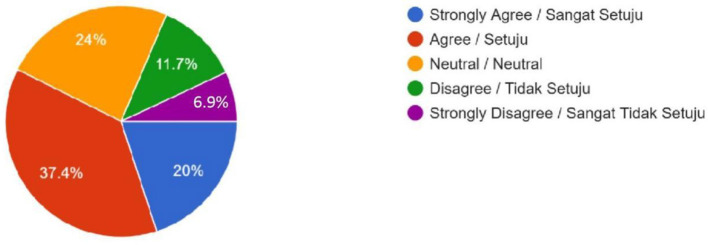 Figure 9
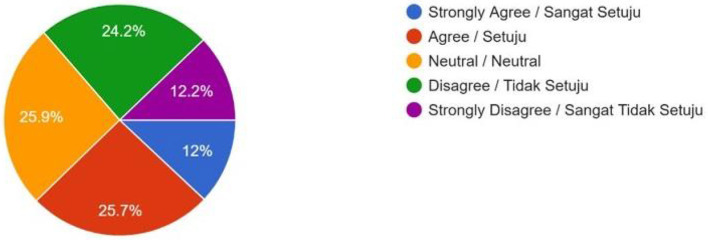 Figure 10
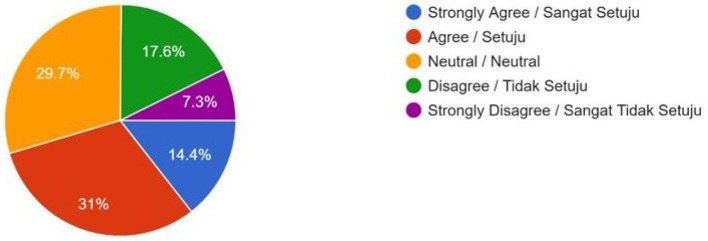 Figure 11
Peer Reviews
No public reviews on file for this paper yet. If you reviewed it on a platform where reviews are public (OpenReview, ICLR, NeurIPS, ICML), you can paste yours below so the community can read it here.
Videos
No videos yet. Explain this paper in a talk, walkthrough, or lecture? Add one.
Taxonomy
TopicsNeuroethics, Human Enhancement, Biomedical Innovations · CRISPR and Genetic Engineering · Reproductive Health and Technologies