Efficacy of activity tracker-based interventions and their behavioral components in promoting physical activity and reducing sedentary behavior in older adults: a systematic review of randomized controlled trials
Isabell Estorff, Benedict Ebert, Frieda L. Fischer, Livia Ratzlaff, Petra Wagner, Daniel Schoene

TL;DR
Activity trackers can help older adults increase physical activity when combined with behavioral strategies, but their long-term effects and impact on sedentary behavior remain unclear.
Contribution
This study systematically reviews RCTs to evaluate activity tracker efficacy in older adults and examines behavioral components influencing outcomes.
Findings
Activity trackers increased physical activity, especially steps per day and intensity-related outcomes, in the short- and medium-term.
Behavioral strategies like goal setting and feedback improved outcomes when combined with activity trackers.
Impact on objectively measured sedentary behavior and long-term effects remains unclear.
Abstract
Older adults often exhibit insufficient physical activity (PA) and sedentary behavior (SB), which contributes to chronic disease, functional decline, and reduced independence. From a public health perspective, low-threshold interventions are needed to promote PA and reduce SB in older adults. Wearable activity trackers offer a promising strategy by providing real-time feedback and integrating behavior change techniques (BCTs). However, evidence regarding their efficacy in older adults is still limited and inconsistent. A systematic review of randomized controlled trials (RCTs) was conducted to evaluate the efficacy of activity trackers in increasing PA and reducing SB in older adults. This review extended previous research by examining the behavioral intervention components in activity trackers. In addition, it assessed a broad range of PA and SB outcomes, categorizing them according…
Genes, proteins, chemicals, diseases, species, mutations and cell lines named across the full text — each resolved to its canonical identifier and authoritative record.
Click any figure to enlarge with its caption.
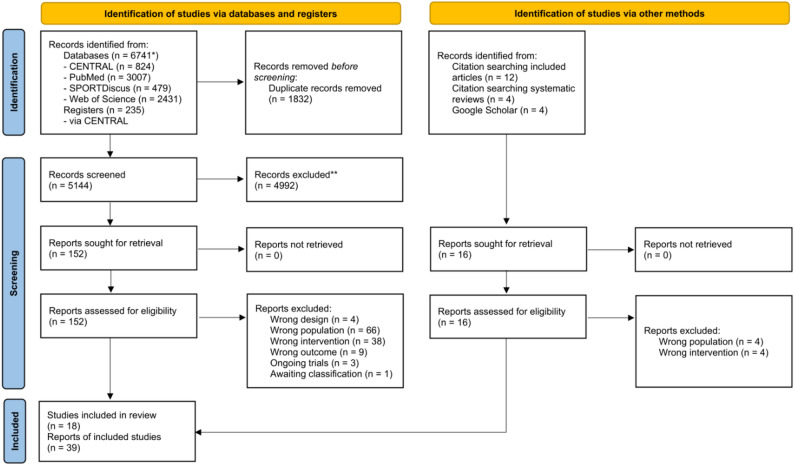 Figure 1
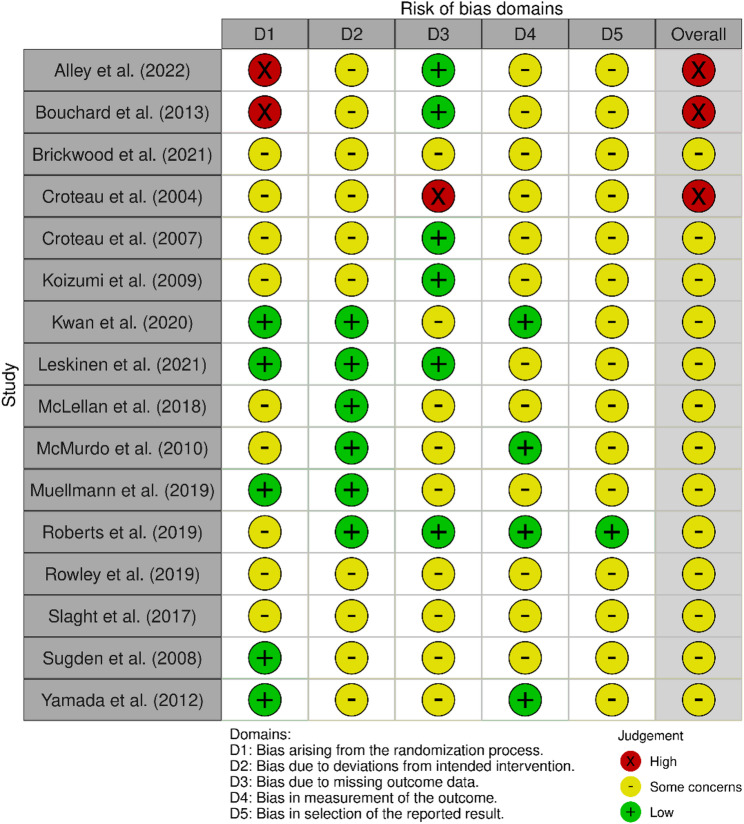 Figure 2
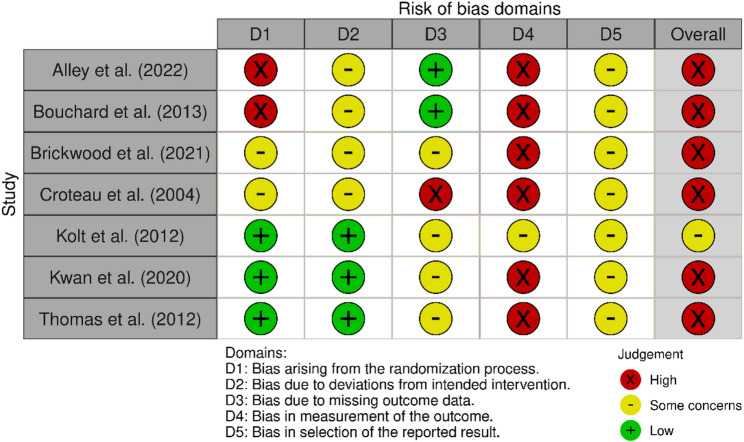 Figure 3
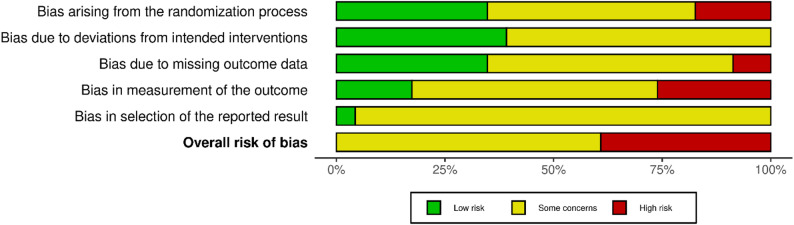 Figure 4
Peer Reviews
No public reviews on file for this paper yet. If you reviewed it on a platform where reviews are public (OpenReview, ICLR, NeurIPS, ICML), you can paste yours below so the community can read it here.
Videos
No videos yet. Explain this paper in a talk, walkthrough, or lecture? Add one.
Taxonomy
TopicsPhysical Activity and Health · Mobile Health and mHealth Applications · Context-Aware Activity Recognition Systems