Characterization of strain degeneration in the RL-P37 strain lineage of Trichoderma reesei
Caroline Danner, Armin Gabriel, Christian Zimmermann, Robert L. Mach, Yuriy Karpenko, Igor Nikolaev, Sharief Barends, Astrid R. Mach-Aigner

TL;DR
This study examines how a high-cellulase-producing fungus, Trichoderma reesei, loses productivity over time and identifies morphological changes that could help monitor strain stability in industry.
Contribution
The study characterizes strain degeneration in the RL-P37 lineage of T. reesei, revealing morphological indicators linked to productivity loss.
Findings
RL-P37 and its descendant GEN-3A show spontaneous loss of cellulase productivity during prolonged use.
Degenerated isolates exhibit reduced cellulase productivity, altered growth, and distinct morphological changes.
Bulbous, highly branched hyphae are associated with high cellulase production but are lost in degenerated strains.
Abstract
Spontaneous strain degeneration, defined as the loss of an essential biological function during prolonged usage, is frequently observed in microorganisms and poses a significant challenge to the biotechnology industry. In Trichoderma reesei, a filamentous fungus widely used for large-scale cellulase production, spontaneous loss of cellulase productivity has been reported. However, studies on this phenomenon have focused solely on industrial strains derived from the Rut-C30 lineage. This study analyzes strain degeneration in a different industrial lineage of T. reesei, RL-P37, and its hypercellulase-producing descendant, GEN-3A. We found that RL-P37 and GEN-3A are also affected by the degeneration phenomenon, with the highly productive GEN-3A showing greater susceptibility. The degenerated phenotype was characterized by reduced cellulase productivity, altered growth behavior, and…
Genes, proteins, chemicals, diseases, species, mutations and cell lines named across the full text — each resolved to its canonical identifier and authoritative record.
Click any figure to enlarge with its caption.
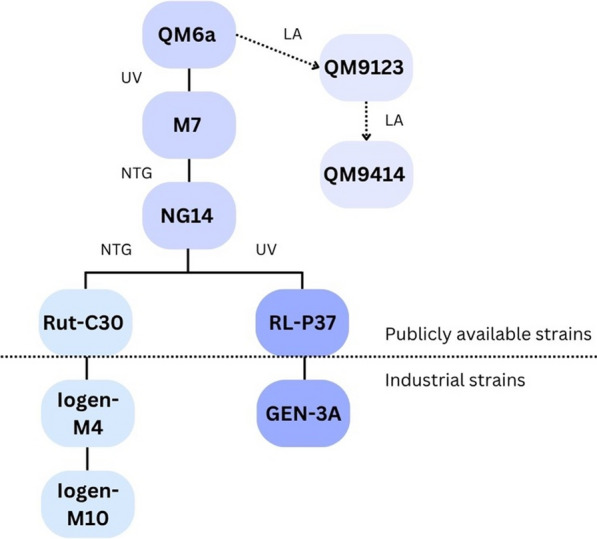 Figure 1
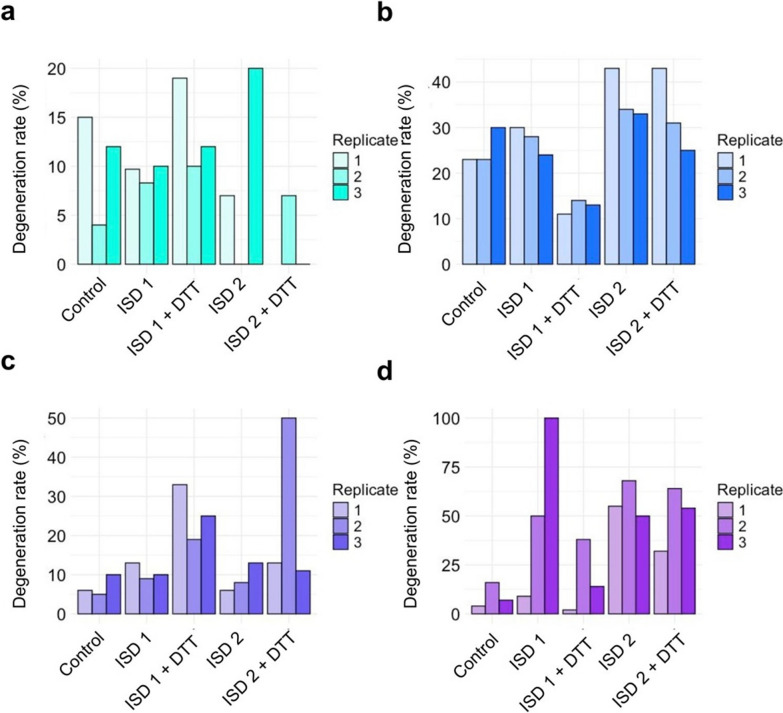 Figure 2
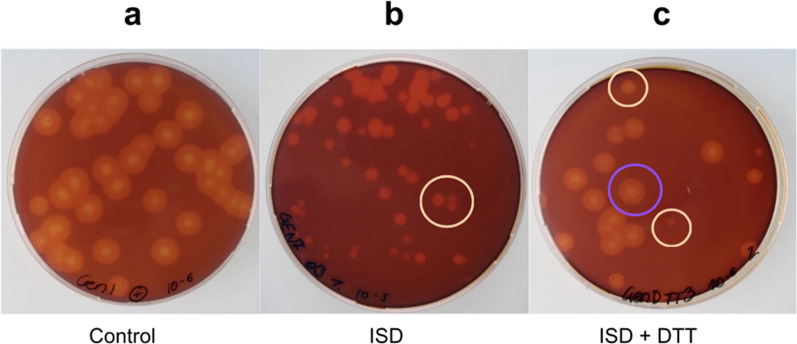 Figure 3
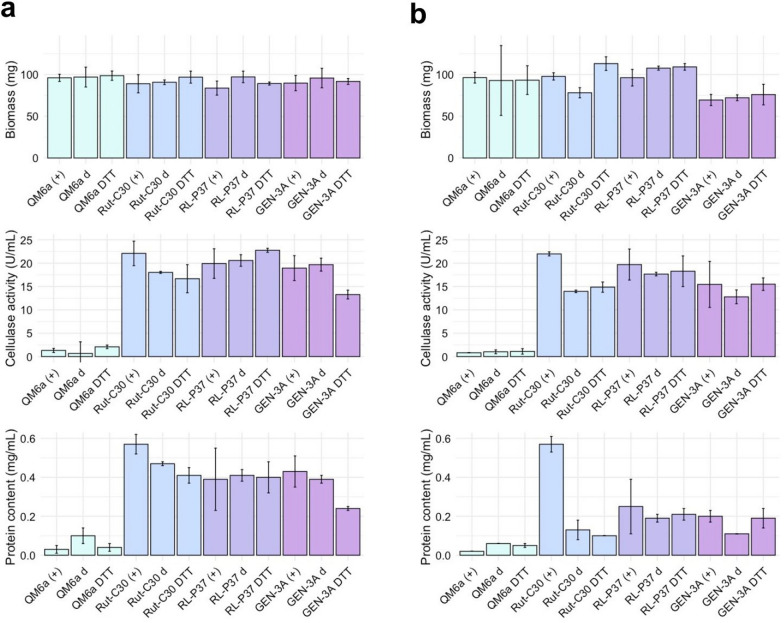 Figure 4
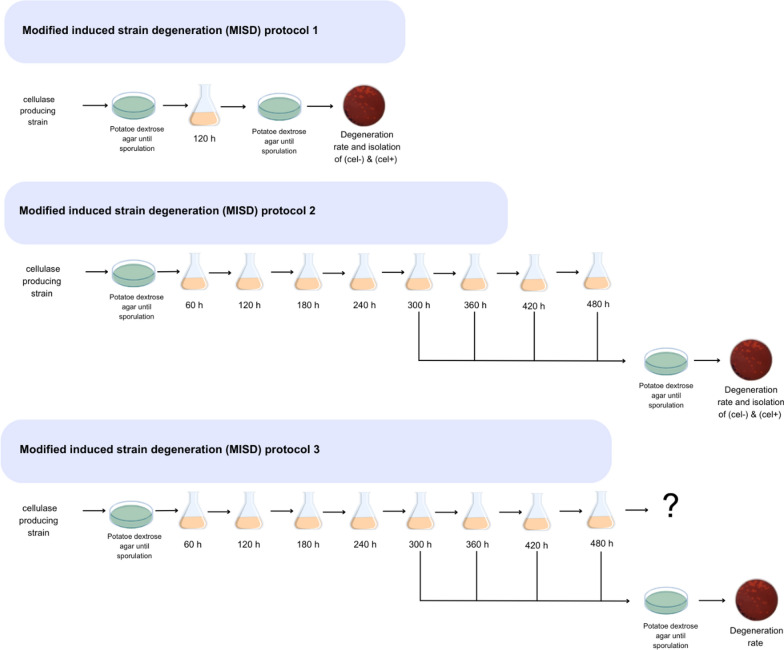 Figure 5
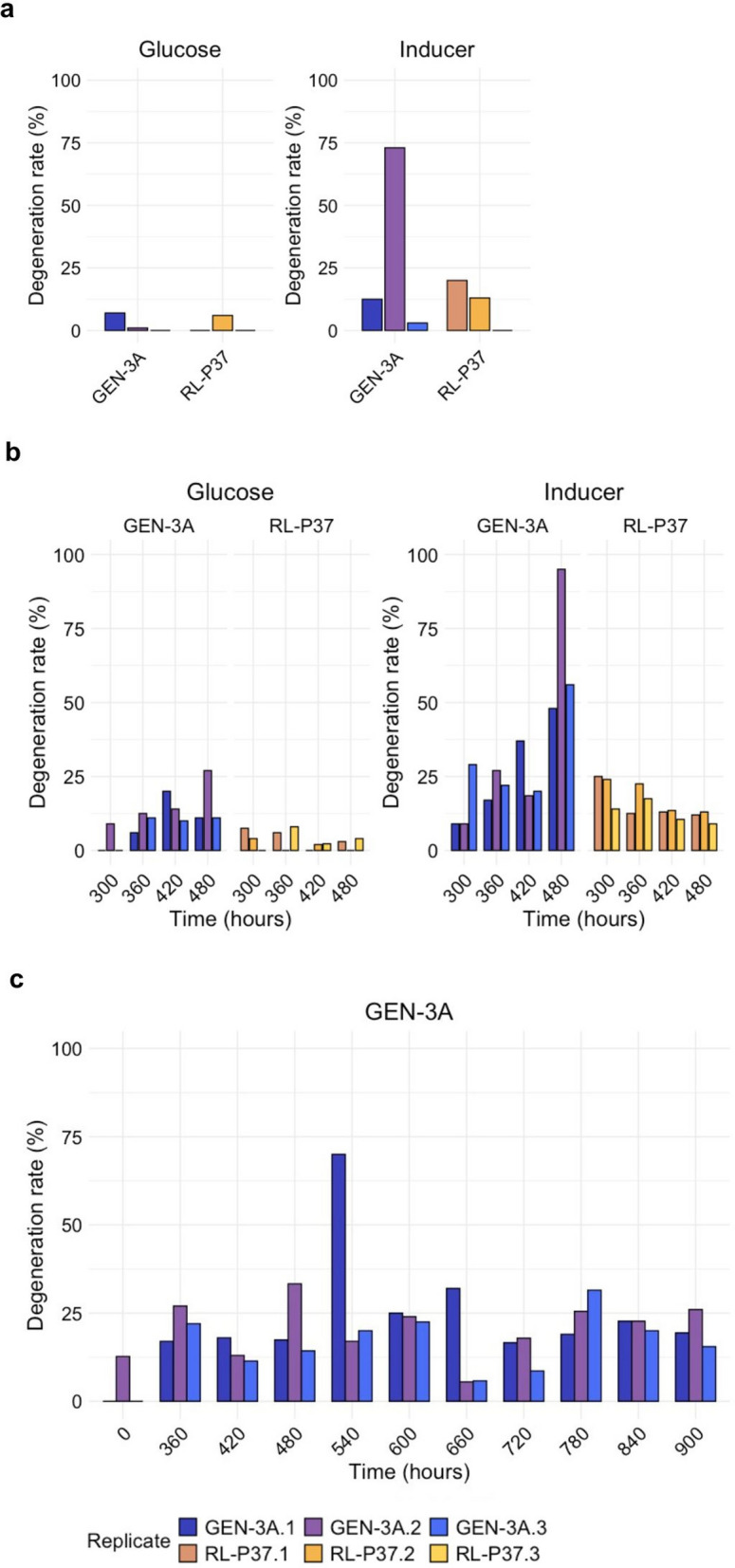 Figure 6
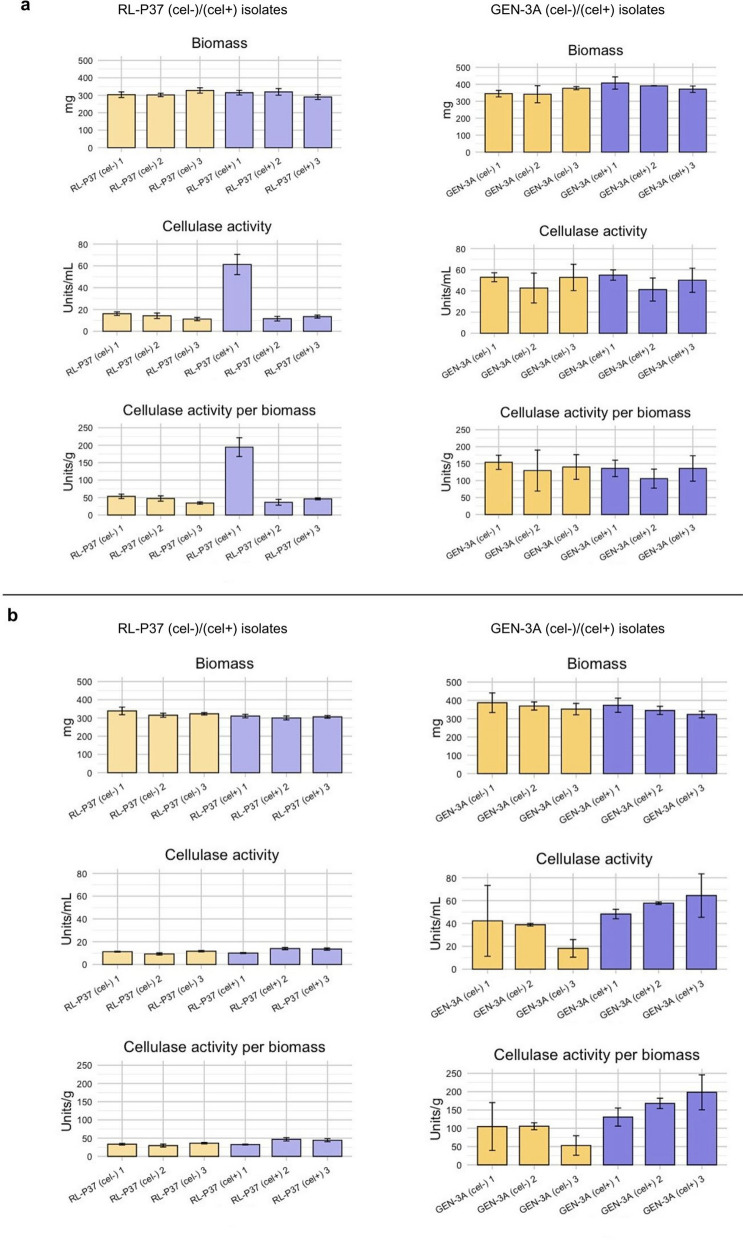 Figure 7
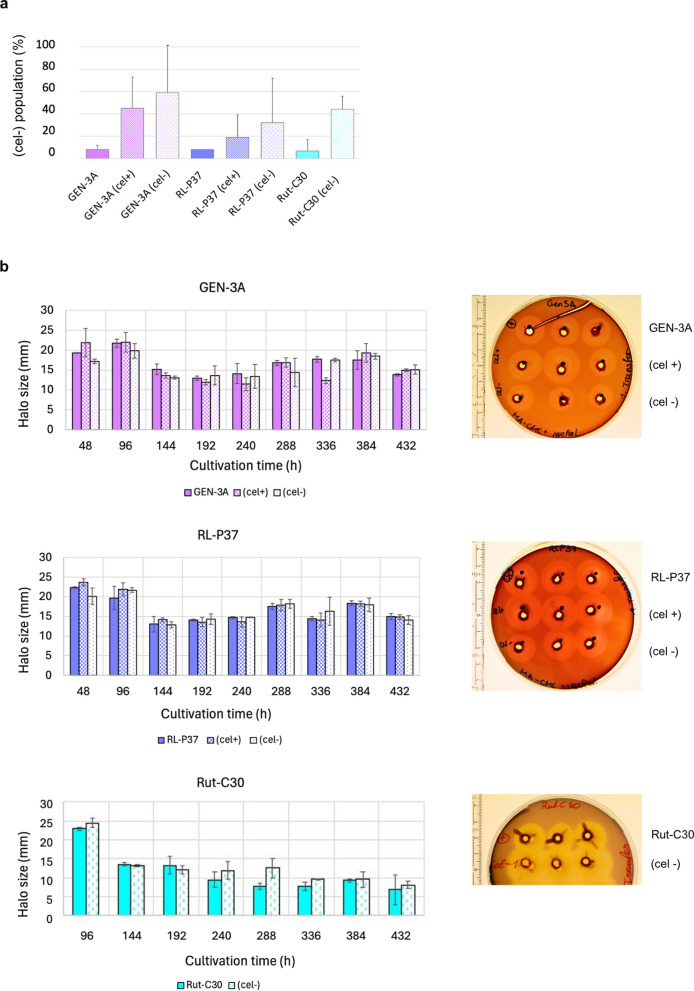 Figure 8
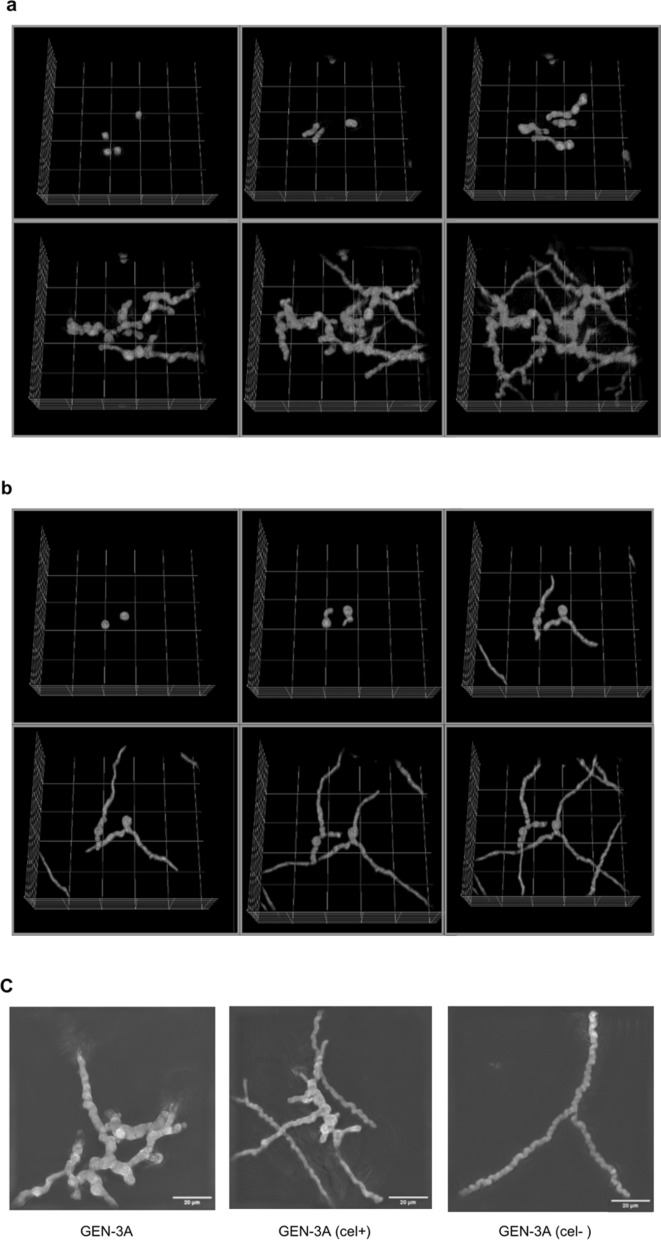 Figure 9
Peer Reviews
No public reviews on file for this paper yet. If you reviewed it on a platform where reviews are public (OpenReview, ICLR, NeurIPS, ICML), you can paste yours below so the community can read it here.
Videos
No videos yet. Explain this paper in a talk, walkthrough, or lecture? Add one.
Taxonomy
TopicsBiofuel production and bioconversion · Fungal and yeast genetics research · Microbial Metabolic Engineering and Bioproduction