Inhomogeneity of noradrenaline levels in syringe pump systems and how to prevent it: an in vitro study
Alexander L. Leibold, Viktoria Kimmerling, Stephanie Vogl, Christoph Dorn, Christoph Eissnert, Richard F. Kraus, Martin G. Kees, Alexander Dejaco

TL;DR
This study shows that mixing noradrenaline solutions with a Bubble-Flip method prevents dangerous concentration variations in syringe pumps, improving patient safety.
Contribution
The Bubble-Flip method is introduced as a safe and effective manual mixing technique to ensure homogeneity in noradrenaline solutions.
Findings
The Bubble-Flip method achieved ≤2% variability in noradrenaline concentration, comparable to pre-mixed commercial products.
Manual preparation without proper mixing resulted in up to 39.9% variability, posing risks to patient safety.
Three-dimensional reconstructions revealed significant local concentration spikes and drops in poorly mixed solutions.
Abstract
Accurate drug delivery in intensive care depends on precise and reliable preparation of intravenous solutions. Manual preparation is prone to error, and fluctuations in the delivery of vasoactive agents such as noradrenaline can cause haemodynamic volatility, leading to direct patient harm or being misinterpreted as instability and prompting unnecessary interventions. This study evaluated how different mixing techniques affect the homogeneity of noradrenaline solutions in 50 mL syringes to identify a safe preparation method for clinical use. Six preparation methods, combining two target concentrations and three mixing techniques - no mixing; a single end-over-end syringe inversion; and inversion after aspiration of 5 mL air (the “Bubble-Flip”) - were tested in a simulated syringe pump infusion experiment, with a pre-manufactured noradrenaline solution as reference. Each method was…
Genes, proteins, chemicals, diseases, species, mutations and cell lines named across the full text — each resolved to its canonical identifier and authoritative record.
Click any figure to enlarge with its caption.
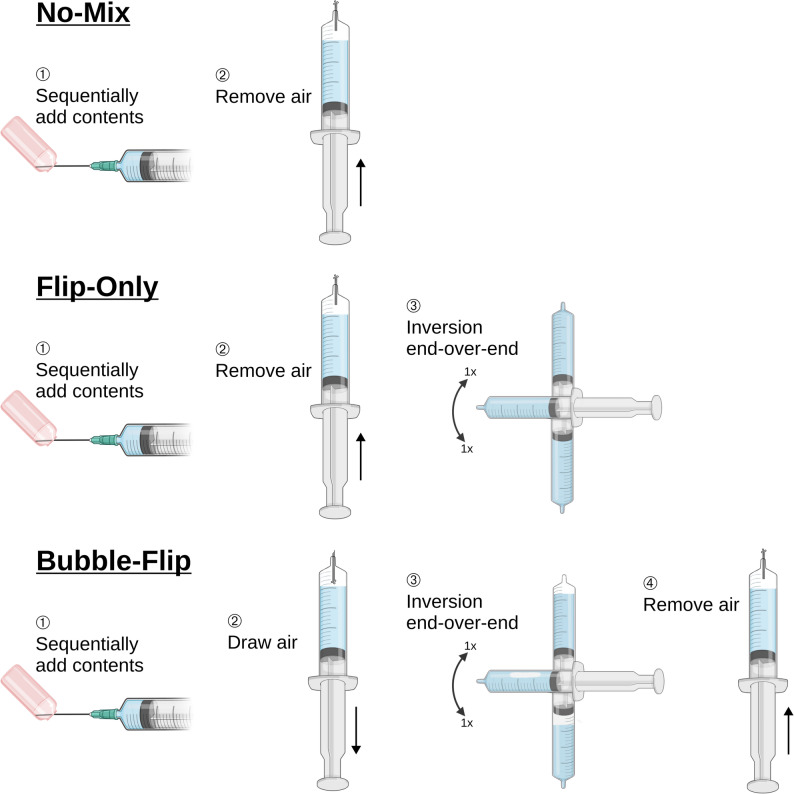 Figure 1
 Figure 2
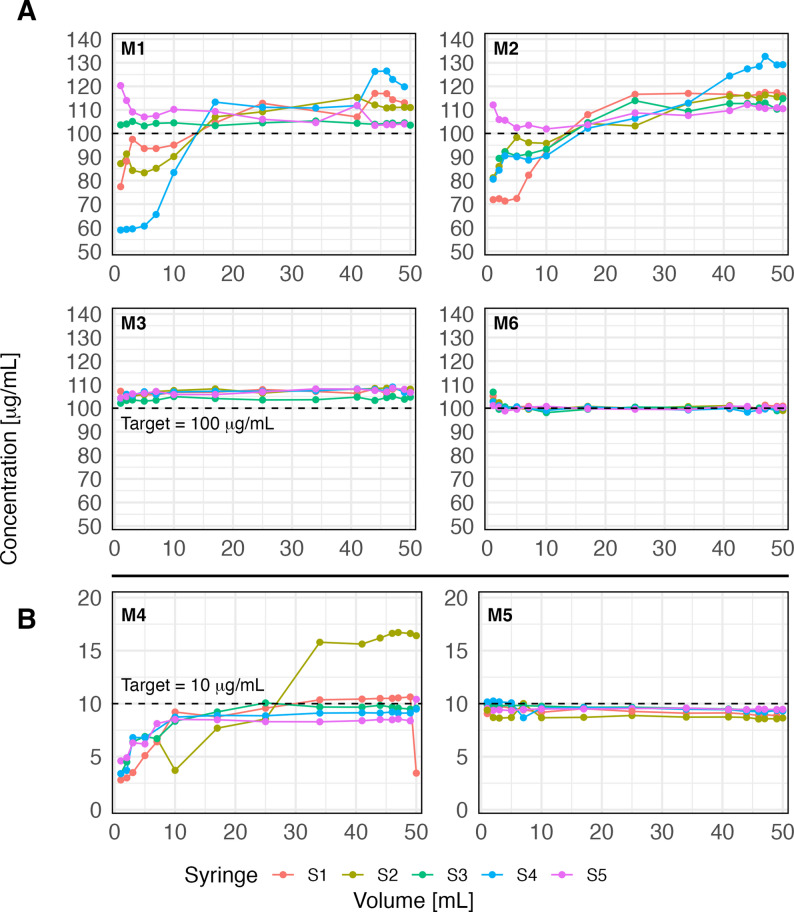 Figure 3
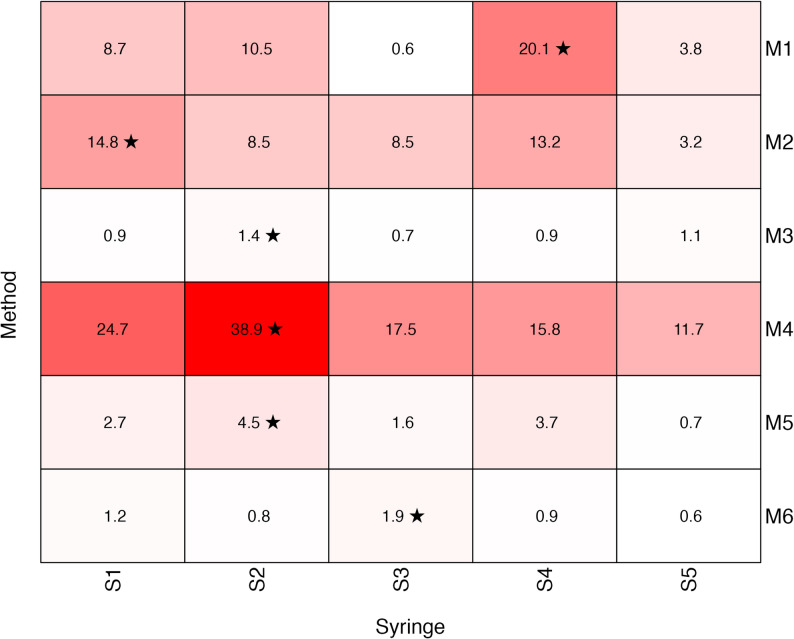 Figure 4
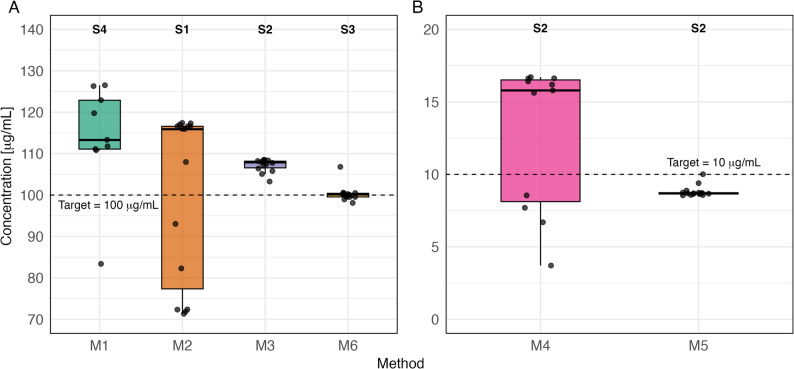 Figure 5
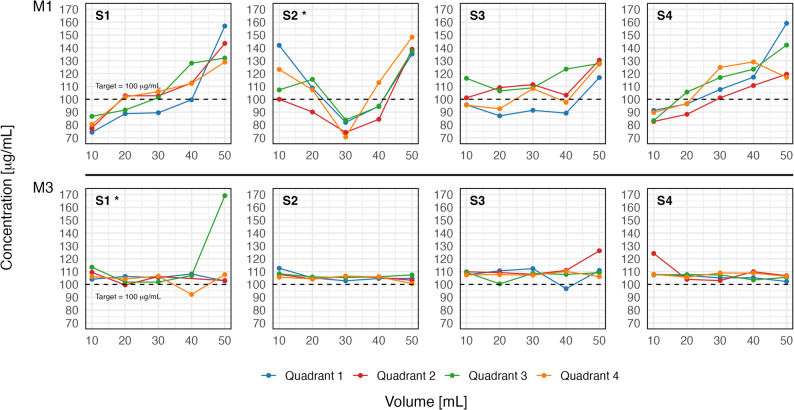 Figure 6
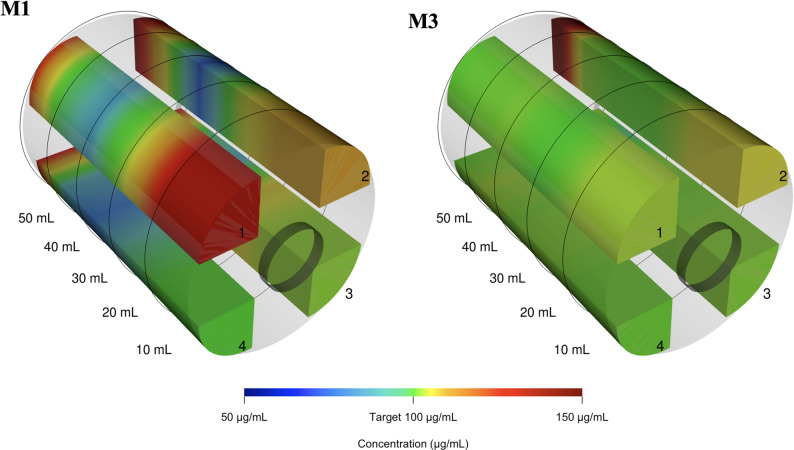 Figure 7
Peer Reviews
No public reviews on file for this paper yet. If you reviewed it on a platform where reviews are public (OpenReview, ICLR, NeurIPS, ICML), you can paste yours below so the community can read it here.
Videos
No videos yet. Explain this paper in a talk, walkthrough, or lecture? Add one.
Taxonomy
TopicsIntravenous Infusion Technology and Safety · Safe Handling of Antineoplastic Drugs · Patient Safety and Medication Errors