Time‐of‐Day Impacts Uterine Circadian Rhythms and Response to Oxytocin: Comparison of Uterine Function in Melatonin‐Deficient C57BL/6 Versus Melatonin Proficient CBA/B6 Hybrid Mice
Thu Van‐Quynh Duong, Alexandra M. Yaw, Hanne M. Hoffmann

TL;DR
This study shows that the time of day affects how the uterus responds to oxytocin, with differences observed between two mouse strains based on their melatonin levels.
Contribution
The study reveals that circadian rhythms influence uterine function and oxytocin responsiveness, with strain-specific differences in circadian period and baseline contractions.
Findings
Oxytocin receptor (Oxtr) mRNA levels in the uterus vary by time-of-day and tissue layer.
CBA/B6 mice have shorter PER2::Luciferase circadian periods and lower baseline uterine contractions compared to C57BL/6.
Uterine response to oxytocin is modulated by circadian time, independent of mouse strain.
Abstract
Reaching term gestation requires a complex interplay between the uterus and hormonal signals regulating its contractile profile. Most pregnancy‐associated hormones vary in their overall level of release throughout pregnancy, but also have a circadian release pattern, including progesterone, oxytocin, and melatonin. It remains poorly understood how the circadian release of hormones impacts uterine function. To determine how time‐of‐day, mouse strain, and melatonin proficiency were associated with the uterotonic efficacy of oxytocin, the primary hormone promoting uterine contractions, we used melatonin‐deficient C57BL/6 and melatonin‐proficient CBA/C57BL/6 (CBA/B6) female mice on gestation day 18. Through RNAscope, we found that oxytocin receptor (Oxtr) mRNA exhibited a time‐of‐day variation that differed between the uterine endometrium and myometrium. This uterine layer‐specific,…
Genes, proteins, chemicals, diseases, species, mutations and cell lines named across the full text — each resolved to its canonical identifier and authoritative record.
Click any figure to enlarge with its caption.
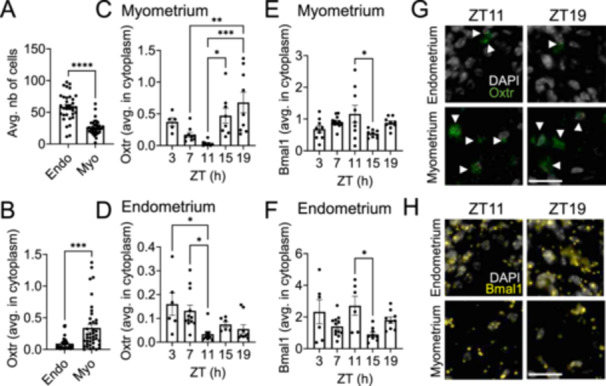 Figure 1
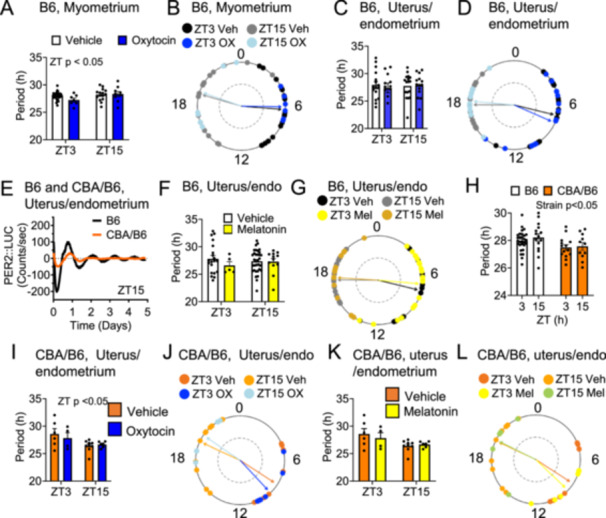 Figure 2
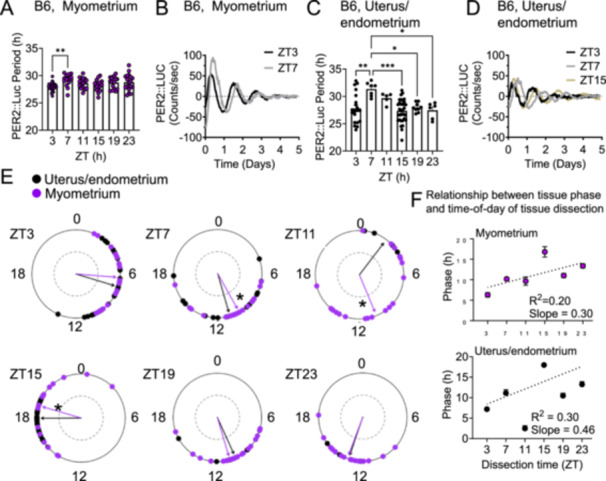 Figure 3
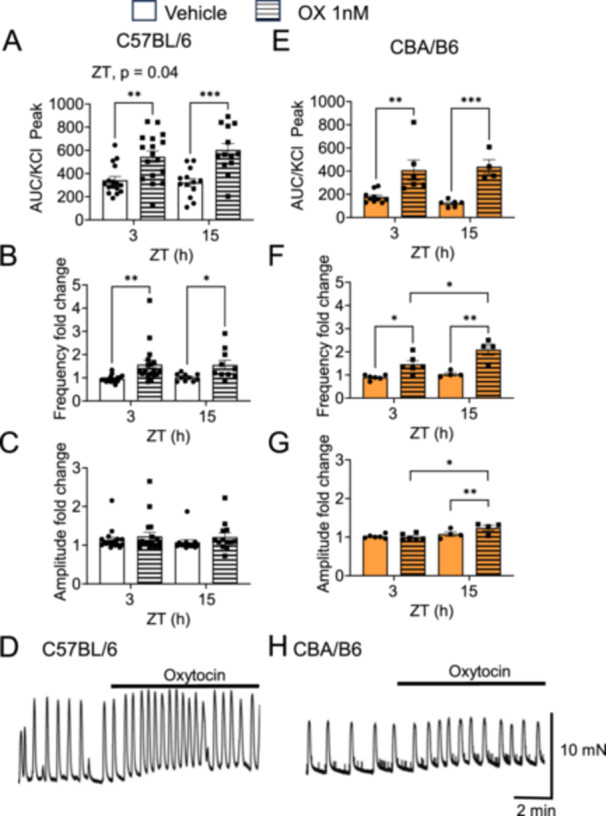 Figure 4
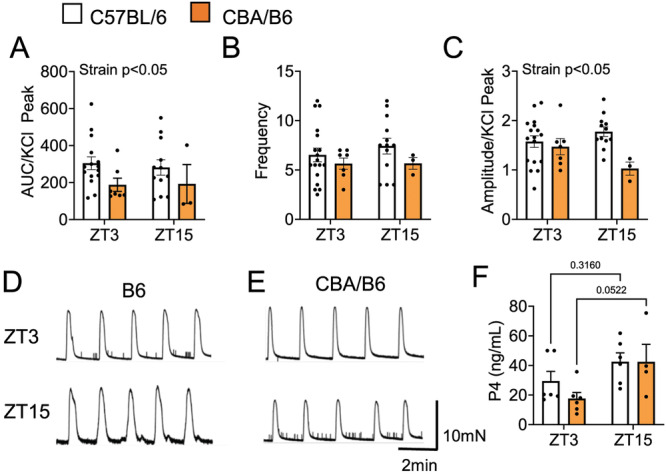 Figure 5
Peer Reviews
No public reviews on file for this paper yet. If you reviewed it on a platform where reviews are public (OpenReview, ICLR, NeurIPS, ICML), you can paste yours below so the community can read it here.
Videos
No videos yet. Explain this paper in a talk, walkthrough, or lecture? Add one.
Taxonomy
TopicsCircadian rhythm and melatonin · Neuroendocrine regulation and behavior · Reproductive Physiology in Livestock