Frequency and Associated Factors of Clotted and Hemolyzed Samples in South Gonder Hospitals, Ethiopia: A Multicenter Cross‐Sectional Study, 2023
Birhanemaskal Malkamu, Getaneh Atikilt Yemata, Andargachew Almaw, Ayenew Assefa, Birhanu Getie, Teklehaimanot Kiros, Mulat Erkihun, Shewaneh Damtie, Tegenaw Tiruneh, Berhanu Abebaw Mekonnen, Meron Asmamaw Alemayehu, Abraham Teym, Abathun Temesgen, Gashaw Melkie Bayeh

TL;DR
This study found that many blood samples in South Gonder hospitals were clotted or hemolyzed, affecting accurate diagnosis and patient care.
Contribution
The study identifies specific pre-analytical factors associated with compromised blood samples in Ethiopian hospitals.
Findings
35.6% of samples were clotted, and 11.5% were hemolyzed.
Clotting was linked to contamination, inadequate volume, and improper collection techniques.
Poor sample quality can lead to diagnostic errors and increased healthcare costs.
Abstract
Accurate hematological analysis relies heavily on the integrity of blood samples, which can be compromised by pre‐analytical errors such as hemolysis and clotting. This study aimed to determine the frequency and associated factors of clotted and hemolyzed samples in selected hospitals in South Gonder, Ethiopia. This institutionally based cross‐sectional study was conducted from September to December 2023 in northwestern Ethiopia at the medical hematology laboratories of selected South Gonder Zone hospitals. Debre Tabor's specialized referral hospital was selected. Addis Zemen and Nefas Mewcha primary hospitals were chosen at random. Among the 2331 test samples, 829 (35.6%) were clotted, and 269 (11.5%) were hemolyzed. We found a significant association of clotting with contamination, inadequate sample volume, puncture site other than the median cubital region, more than three attempts…
Genes, proteins, chemicals, diseases, species, mutations and cell lines named across the full text — each resolved to its canonical identifier and authoritative record.
Click any figure to enlarge with its caption.
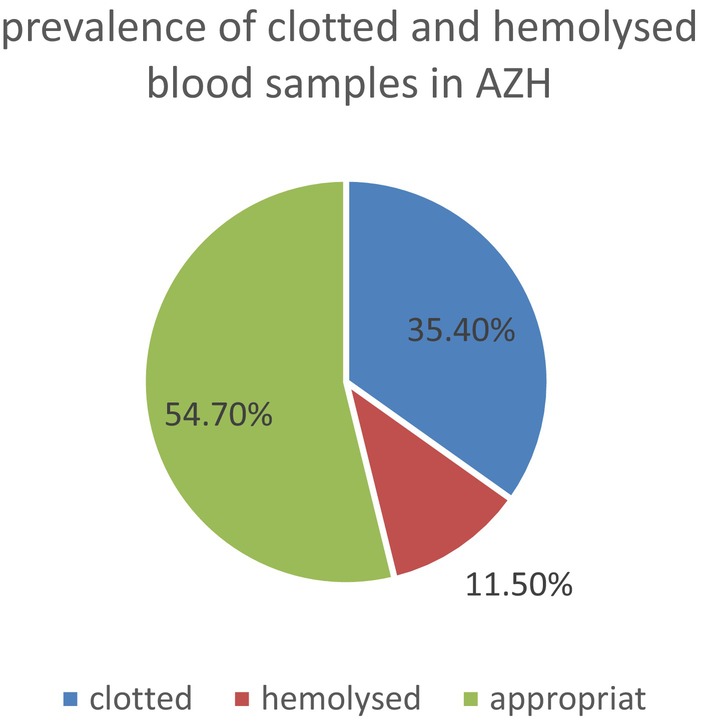 Figure 1
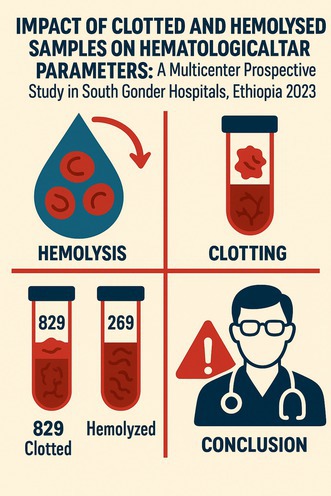 Figure 2
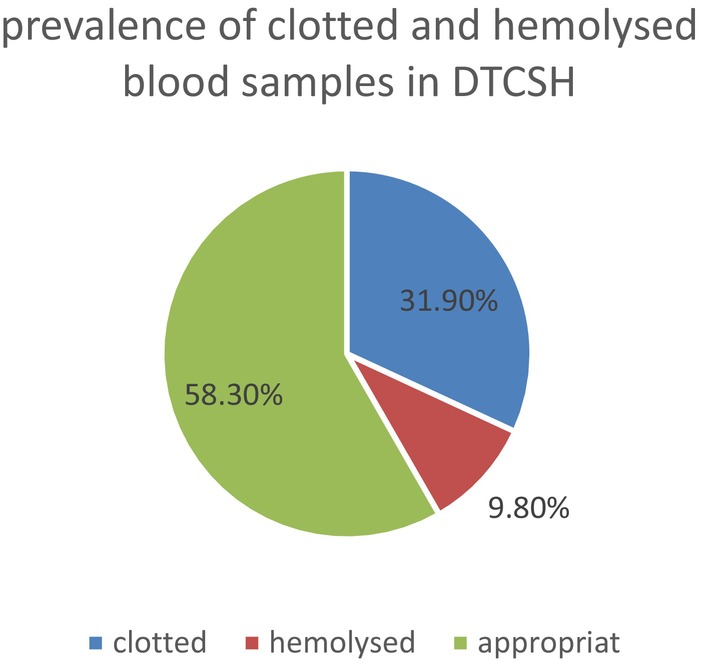 Figure 3
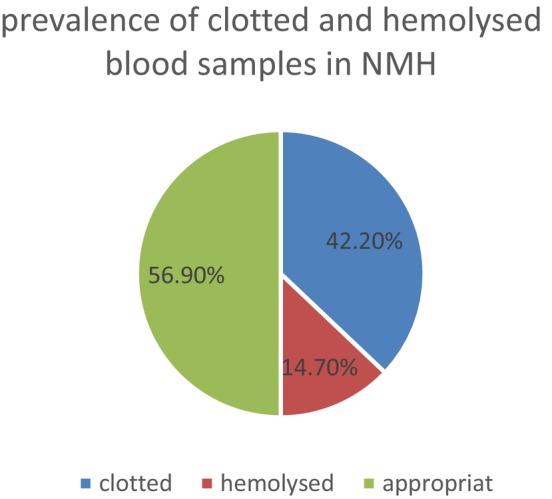 Figure 4
Peer Reviews
No public reviews on file for this paper yet. If you reviewed it on a platform where reviews are public (OpenReview, ICLR, NeurIPS, ICML), you can paste yours below so the community can read it here.
Videos
No videos yet. Explain this paper in a talk, walkthrough, or lecture? Add one.
Taxonomy
TopicsClinical Laboratory Practices and Quality Control · Bacterial Identification and Susceptibility Testing · Central Venous Catheters and Hemodialysis