Evaluation of a Six Sigma‐Based Dynamic Quality Control Strategy for Hematology Analysis: A Multicenter Study
Bo Liu, Zhaodong Sun, Kaiyong Chen, Na Wang, Jibao Qin, Dengli Feng, Fumeng Yang, Jiaping Wang, Huiyi Wu, Ming Hu

TL;DR
This study introduces a dynamic quality control strategy for hematology testing using Six Sigma, moving average, and LSTM methods to improve accuracy and reliability across multiple labs.
Contribution
A novel dynamic QC strategy combining Six Sigma, MA, and LSTM for real-time, intelligent hematology testing quality control.
Findings
Hb and WBC achieved world-class performance (σ ≥ 6), while PLT showed lower stability.
The MA–LSTM approach improved error detection sensitivity and reduced false positives compared to traditional QC methods.
The dynamic model enabled real-time monitoring and adaptability across multiple laboratory sites.
Abstract
Quality control (QC) is critical for ensuring the accuracy and reliability of hematology testing. Traditional QC strategies, however, are often limited in their ability to provide timely detection of analytical errors and to adapt to complex, real‐world laboratory conditions. In this multicenter study, we applied the Six Sigma quality management framework to systematically evaluate the performance of five hematology parameters (Hb, WBC, RBC, HCT, and PLT). To enhance QC monitoring, we established a dynamic quality control strategy that integrates moving average (MA) monitoring with a long short‐term memory (LSTM) predictive model. Patient sample data were incorporated alongside routine QC data to validate clinical adaptability. Sigma metrics revealed marked performance differences among the parameters, with Hb and WBC achieving world‐class or excellent performance (σ ≥ 6), while PLT…
Genes, proteins, chemicals, diseases, species, mutations and cell lines named across the full text — each resolved to its canonical identifier and authoritative record.
Click any figure to enlarge with its caption.
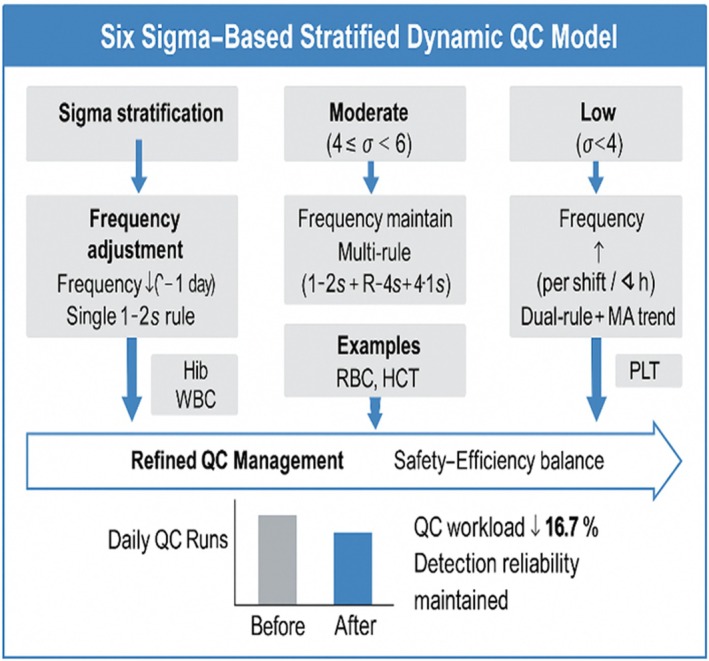 Figure 1
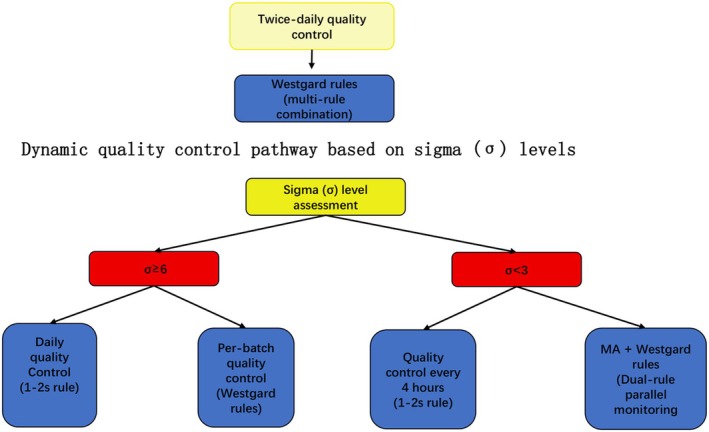 Figure 2
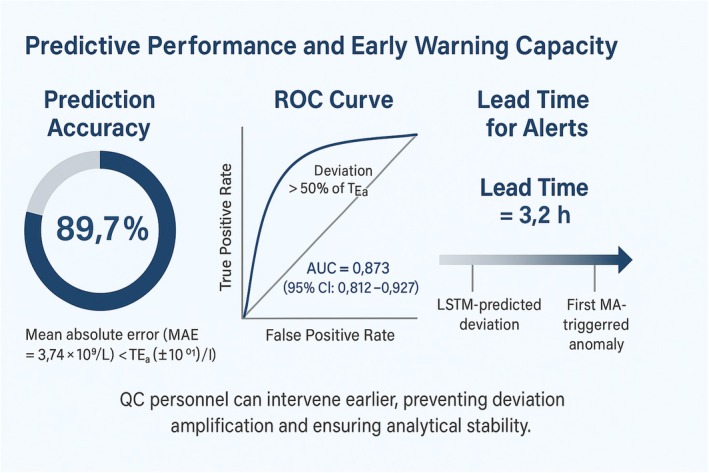 Figure 3
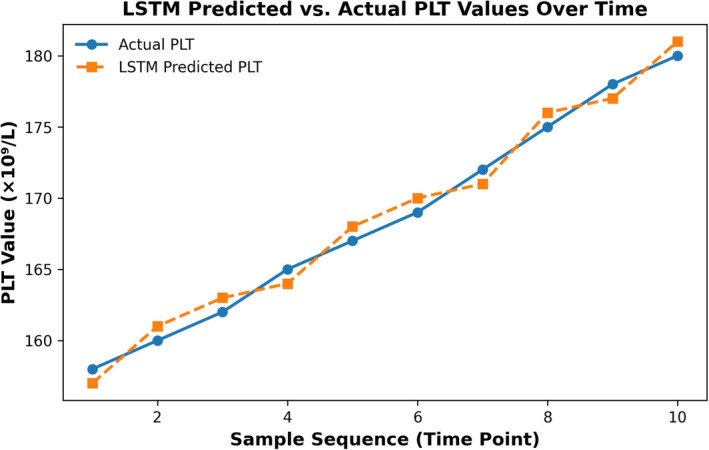 Figure 4
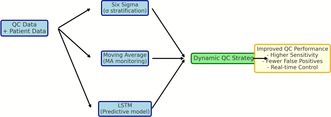 Figure 5
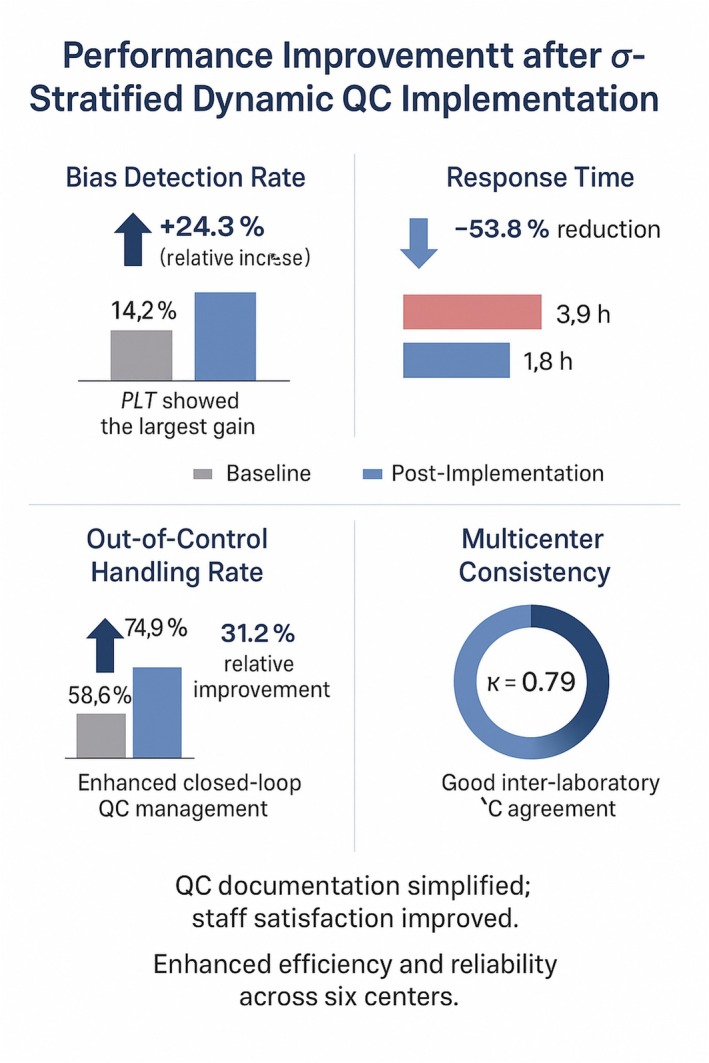 Figure 6
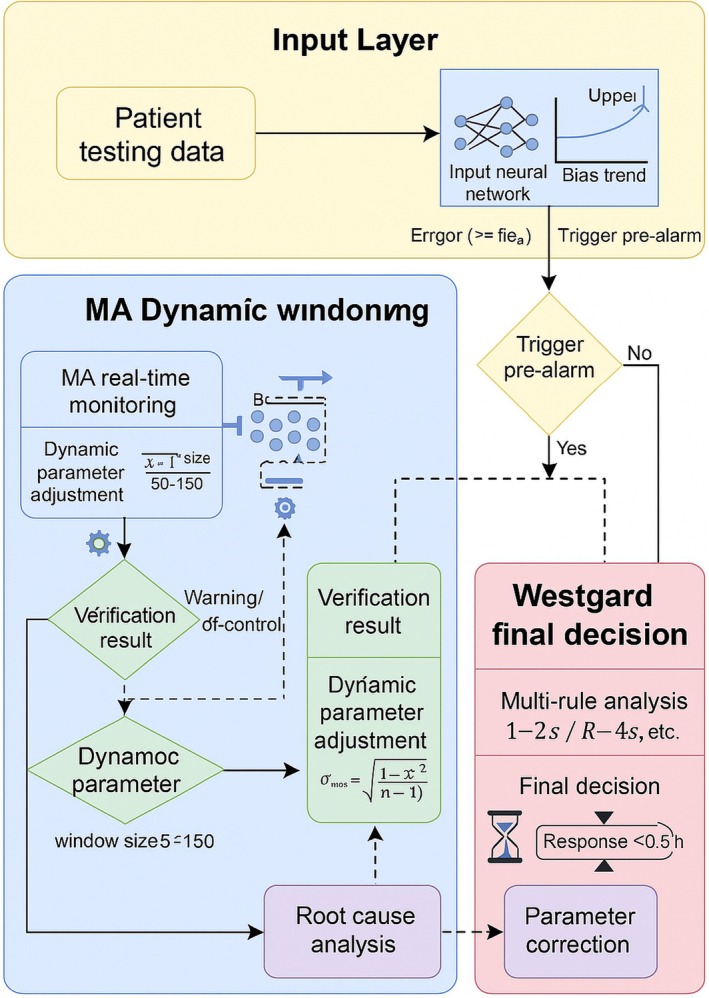 Figure 7
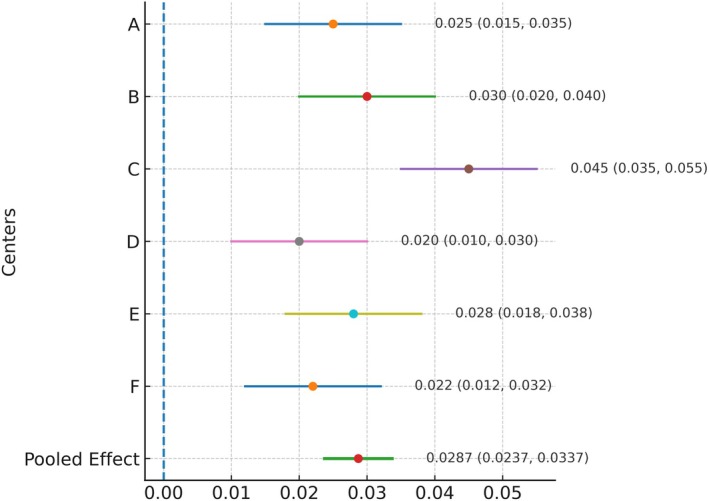 Figure 8
Peer Reviews
No public reviews on file for this paper yet. If you reviewed it on a platform where reviews are public (OpenReview, ICLR, NeurIPS, ICML), you can paste yours below so the community can read it here.
Videos
No videos yet. Explain this paper in a talk, walkthrough, or lecture? Add one.
Taxonomy
TopicsClinical Laboratory Practices and Quality Control · Sepsis Diagnosis and Treatment · Reliability and Agreement in Measurement