Advancing Torsades de pointes risk prediction: unveiling the role of drug metabolites through molecular docking
Egemen Bilgin, Gulcin Tugcu, Ahmet Aydin

TL;DR
This study improves prediction of a dangerous heart rhythm disorder by analyzing how drugs and their metabolites interact with a key heart protein.
Contribution
The study introduces a new computational framework combining binding energy, geometry, and physicochemical data to assess drug metabolite risk for arrhythmia.
Findings
Non-toxic metabolite fexofenadine showed higher binding affinity than its toxic parent drug terfenadine, but its safety is due to its zwitterionic nature.
Desmethylastemizole maintained high affinity with a relaxed fit, explaining its sustained potency compared to astemizole.
Quetiapine acted as a steric blocker with a larger interface area, while its metabolite norquetiapine had a smaller, more specific binding site.
Abstract
This study explores the risk of Torsades de Pointes (TdP) arrhythmia, focusing on the interactions of parent drugs and their metabolites with the Human ether-à-go-go-related gene (hERG) channel, which is crucial in cardiac electrical activity and TdP risk assessment. Using a dual-strategy molecular docking approach with AutoDock Vina and PatchDock, we analyzed clinically relevant ligand pairs: astemizole/desmethylastemizole, terfenadine/fexofenadine, and quetiapine/norquetiapine. Quantitative analysis revealed that high binding affinity does not always correlate with toxicity. For instance, the non-cardiotoxic metabolite fexofenadine exhibited a higher binding affinity (−9.3 kcal/mol) compared to its toxic parent terfenadine (−8.9 kcal/mol), but its safety is explained by physicochemical constraints (zwitterionic nature). Conversely, desmethylastemizole maintained high affinity (−9.2…
Genes, proteins, chemicals, diseases, species, mutations and cell lines named across the full text — each resolved to its canonical identifier and authoritative record.
Click any figure to enlarge with its caption.
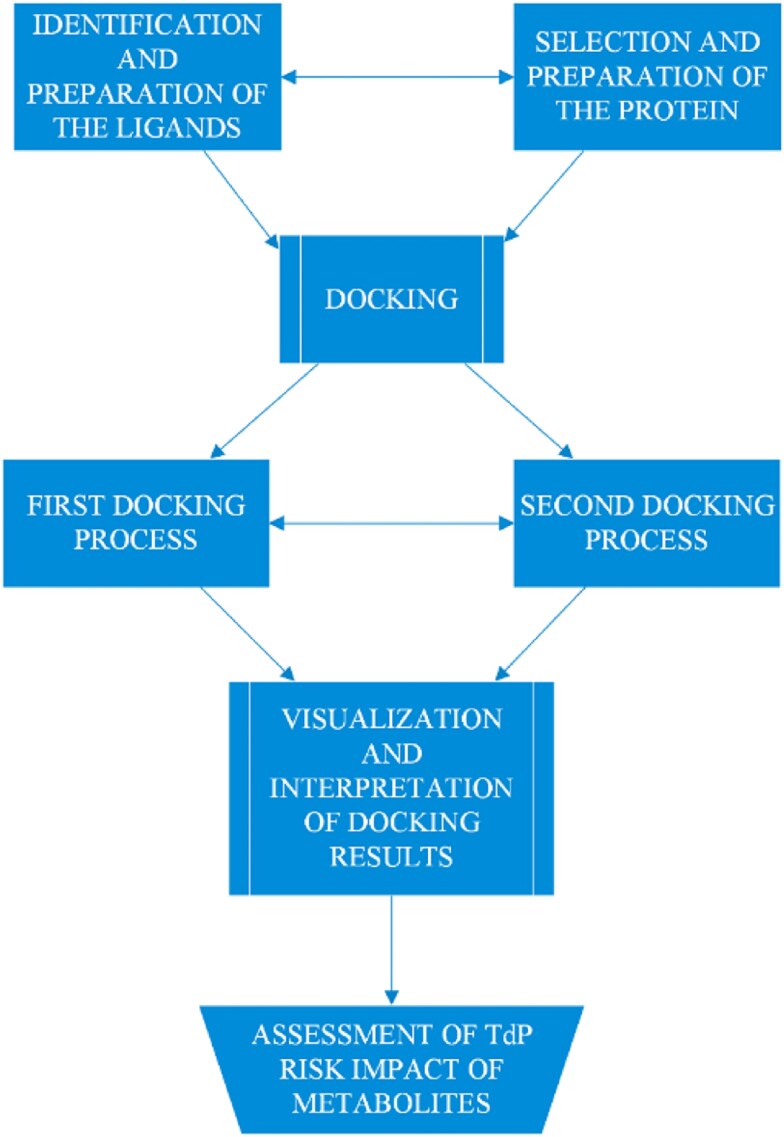 Figure 1
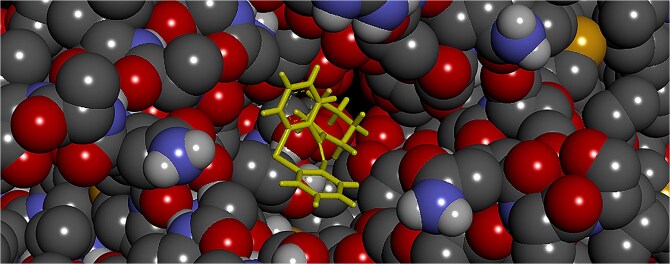 Figure 2
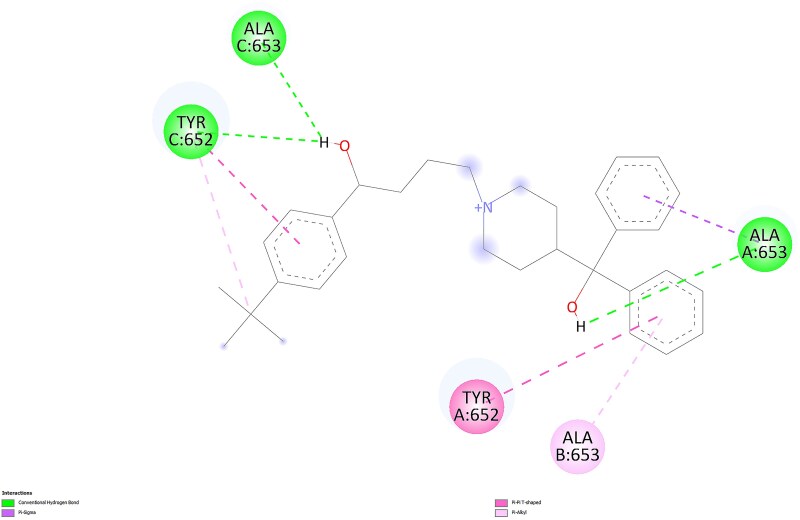 Figure 3
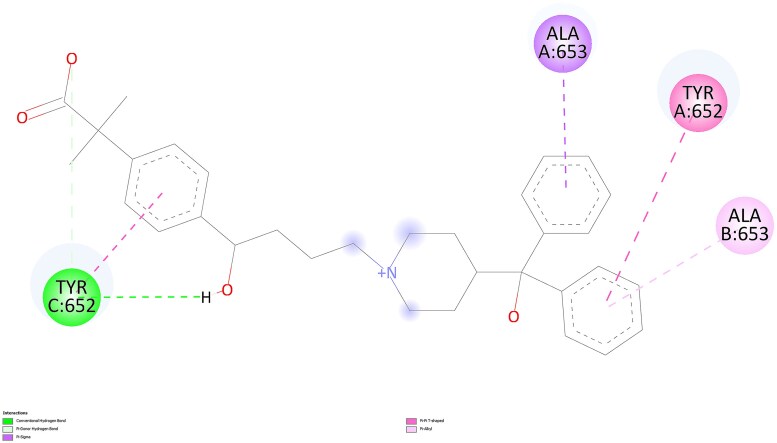 Figure 4
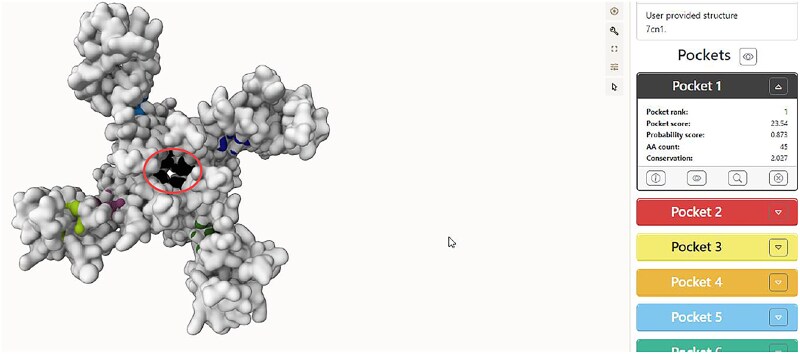 Figure 5
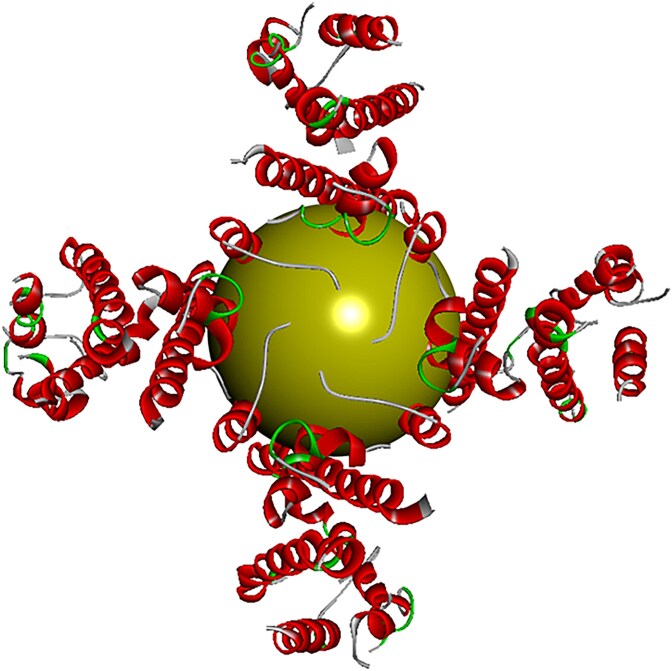 Figure 6
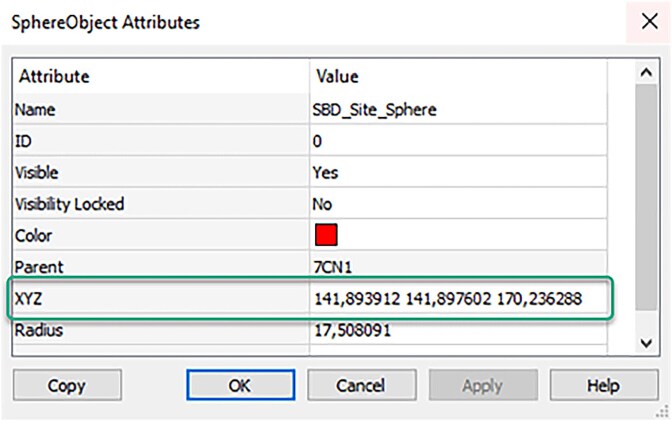 Figure 7
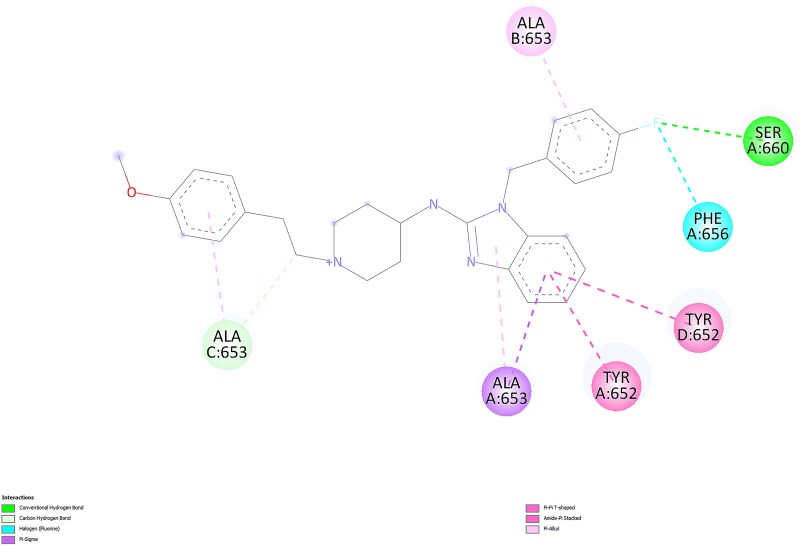 Figure 8
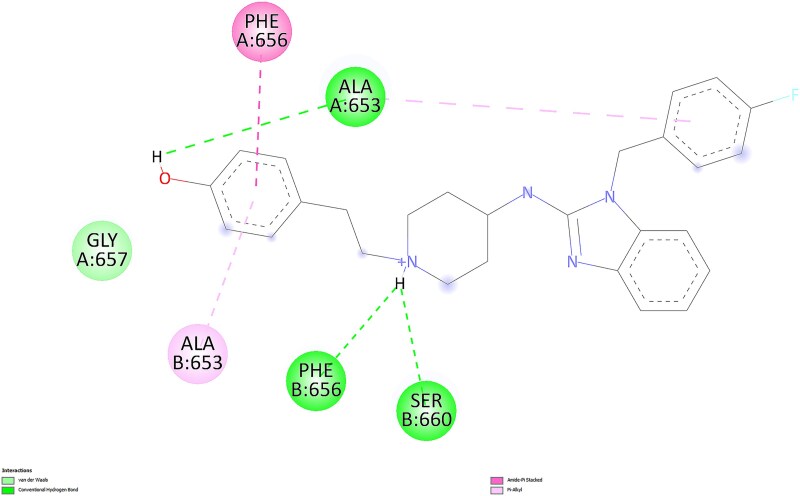 Figure 9
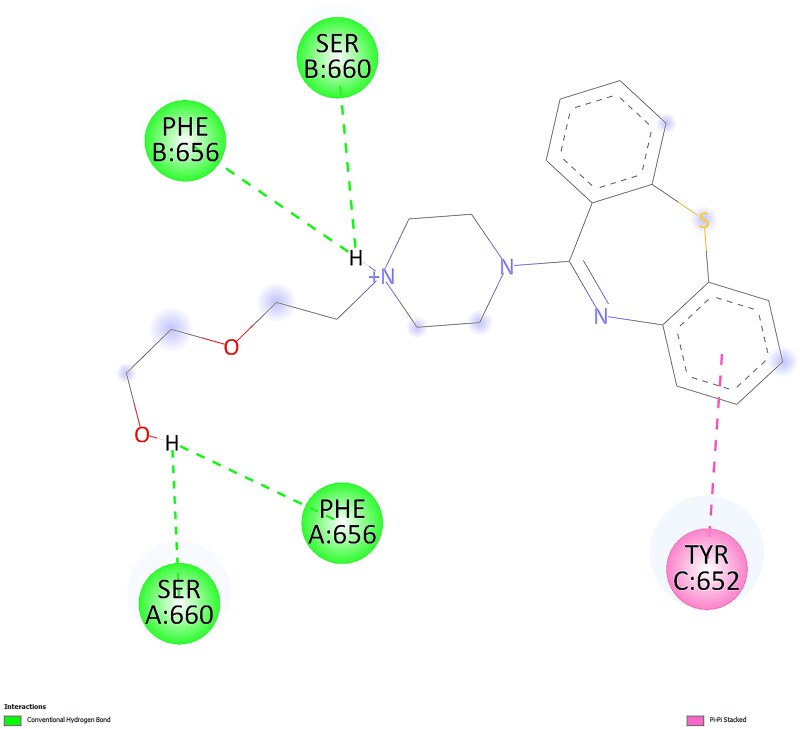 Figure 10
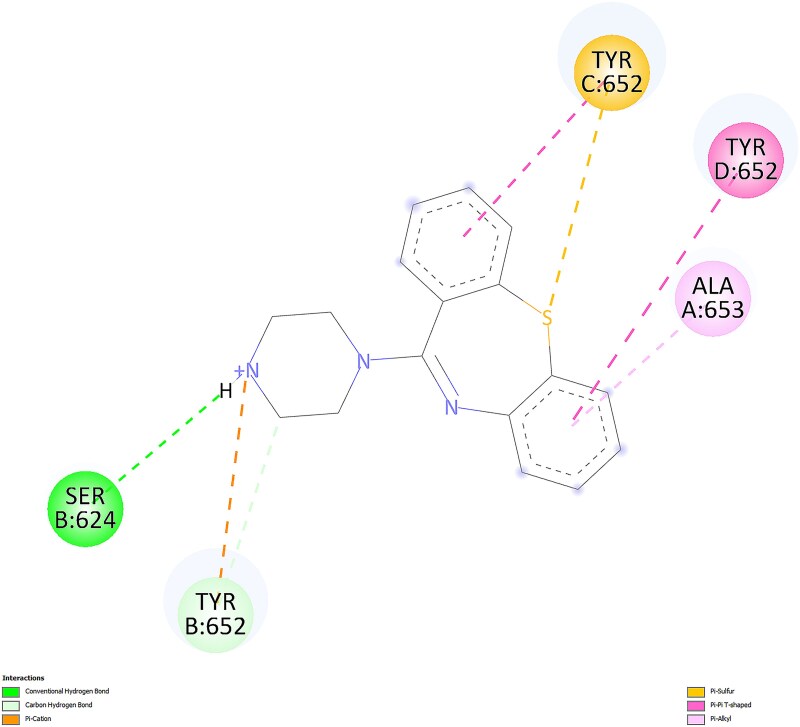 Figure 11
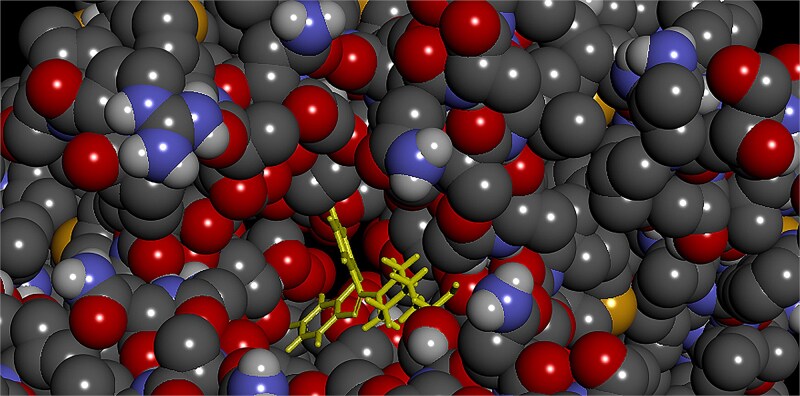 Figure 12
 Figure 13
Peer Reviews
No public reviews on file for this paper yet. If you reviewed it on a platform where reviews are public (OpenReview, ICLR, NeurIPS, ICML), you can paste yours below so the community can read it here.
Videos
No videos yet. Explain this paper in a talk, walkthrough, or lecture? Add one.
Taxonomy
TopicsComputational Drug Discovery Methods · Cardiac electrophysiology and arrhythmias · Pharmacovigilance and Adverse Drug Reactions