Altered Auditory Maturation in Fragile X Syndrome and Its Involvement in Audiogenic Seizure Susceptibility
Dorit Möhrle, Demi Ma, Wenyue Xue, Jun Yan, Ning Cheng

TL;DR
This study shows that young mice with a genetic model of Fragile X syndrome react more strongly to sounds in specific brain regions, which may explain their heightened sensitivity to loud noises.
Contribution
The study reveals a transient developmental pattern of auditory hyperresponsiveness and hypersynchrony in a mouse model of Fragile X syndrome.
Findings
Fmr1 knockout mice showed increased auditory brainstem responses and neural synchronicity during infancy.
AGS severity in Fmr1 knockout mice was linked to higher cFos expression in the inferior colliculus.
Auditory hyperresponsiveness in Fmr1 knockout mice decreased with age.
Abstract
Auditory hypersensitivity is a prominent symptom in Fragile X syndrome (FXS), the most prevalent monogenic cause of autism and intellectual disability. FXS arises through the loss of the protein encoded by the FMR1 (Fragile X Messenger Ribonucleoprotein 1) gene, FMRP, required for normal neural circuit excitability. In the brainstem, FMRP is necessary for normal development of acoustic reactivity, and its loss has been implicated in audiogenic seizures (AGS) in Fmr1 knockout (KO) mice, modeling auditory hypersensitivity and seizures in FXS patients. The present study investigated the correlation between auditory brainstem function and behavioral expression of AGS at the early (postnatal day P20, infancy) and late (P32, juvenile) stages of auditory development in Fmr1 KO mice compared with wildtype (WT) mice, and in both females and males. We tested responsiveness to pure tones of select…
Genes, proteins, chemicals, diseases, species, mutations and cell lines named across the full text — each resolved to its canonical identifier and authoritative record.
Click any figure to enlarge with its caption.
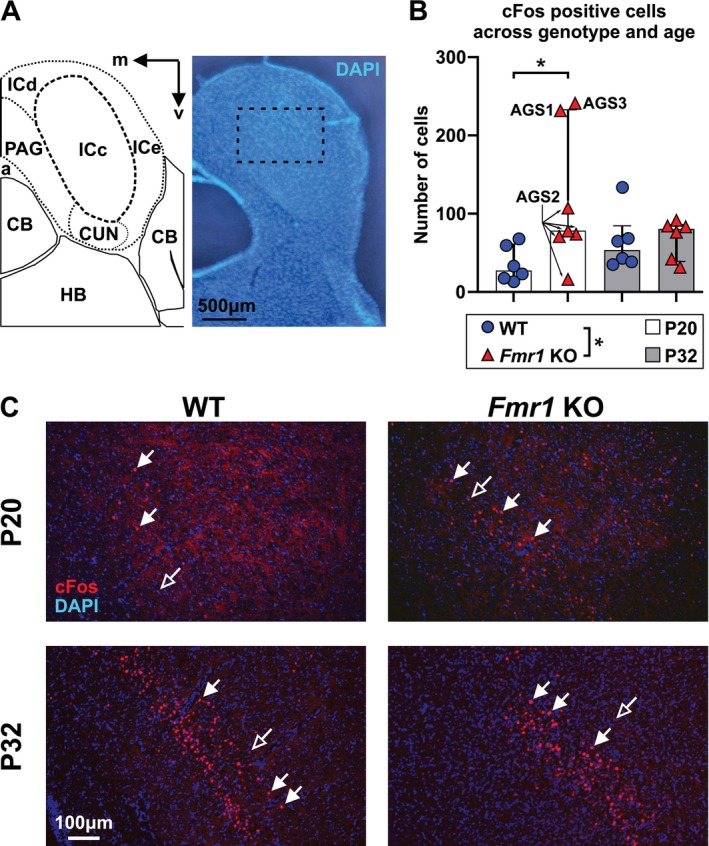 Figure 1
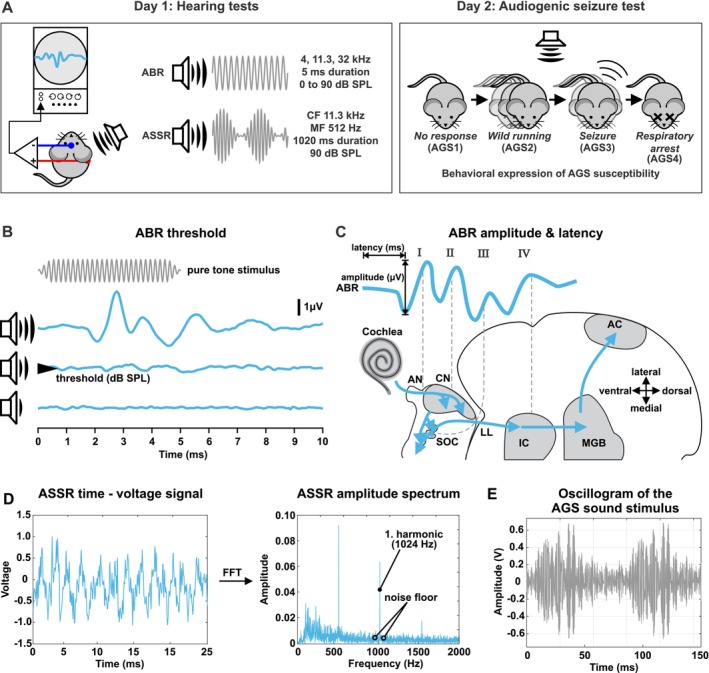 Figure 2
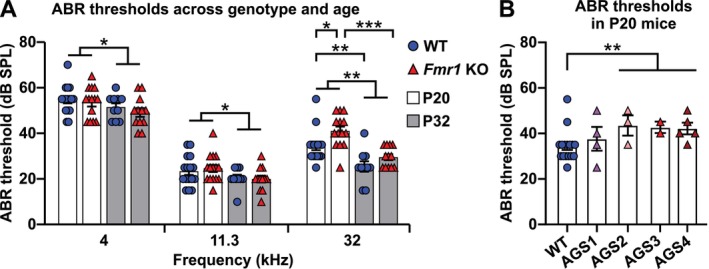 Figure 3
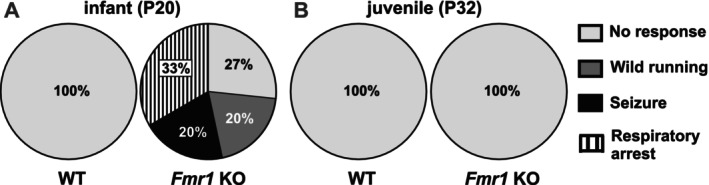 Figure 4
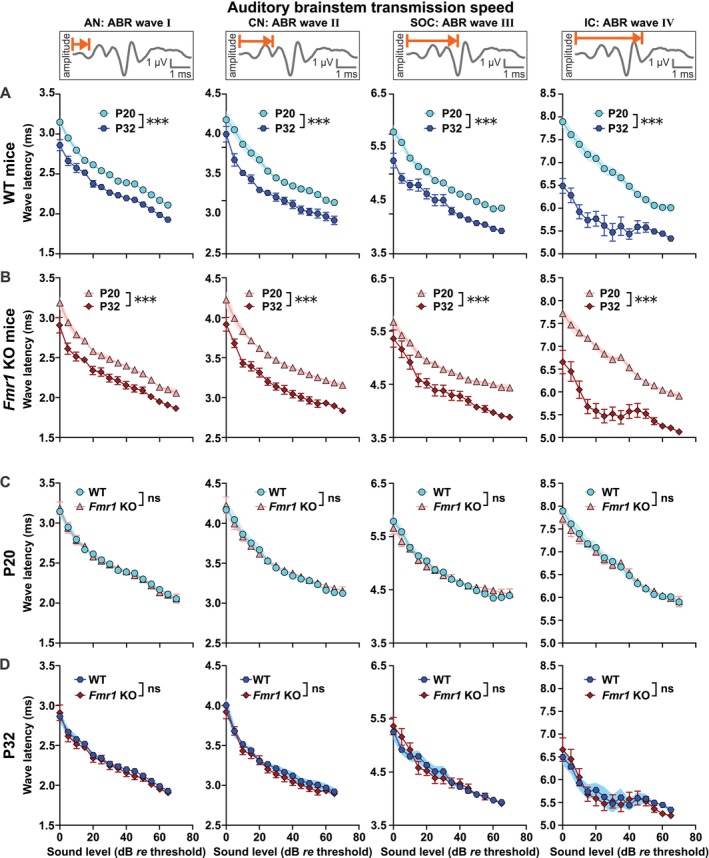 Figure 5
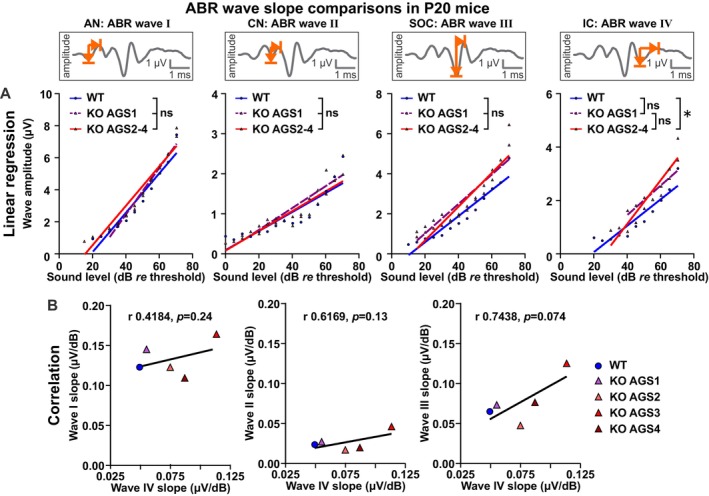 Figure 6
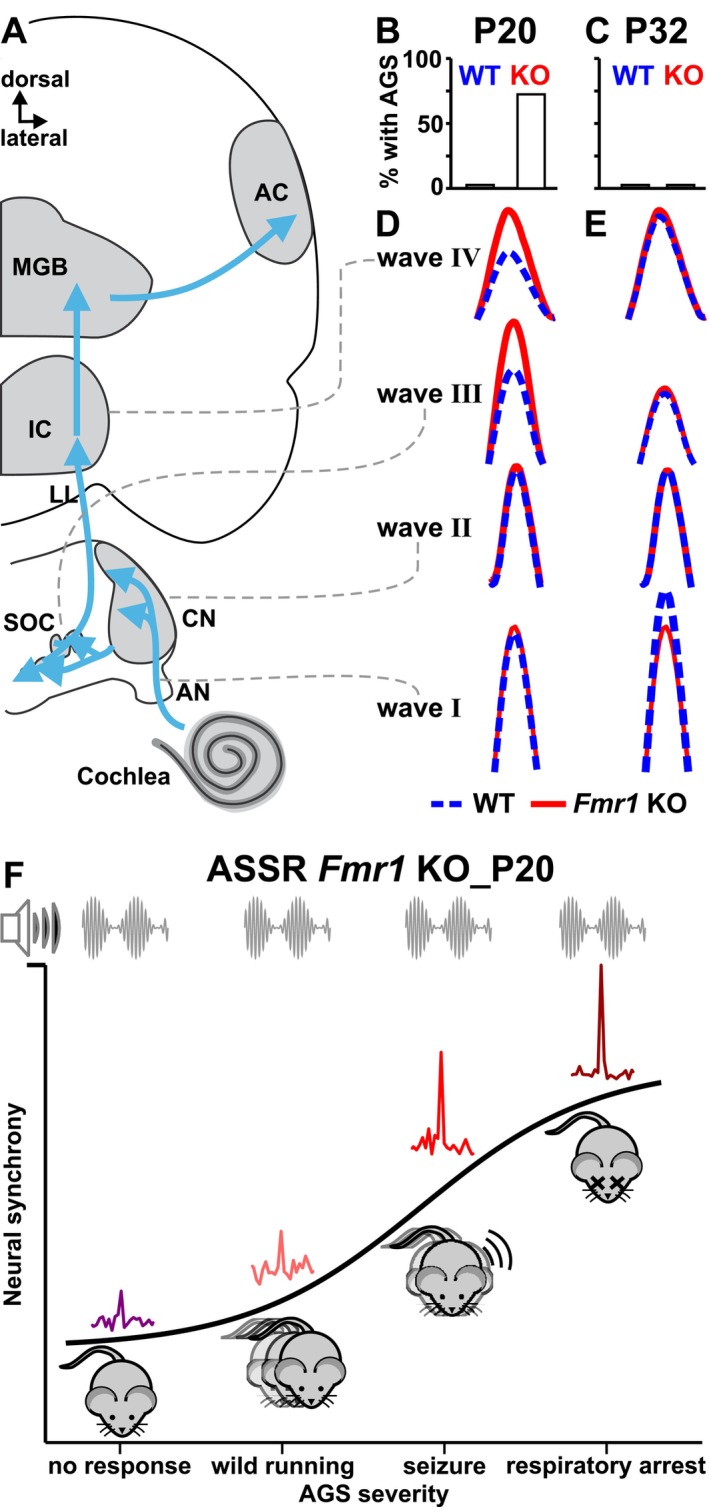 Figure 7
 Figure 8
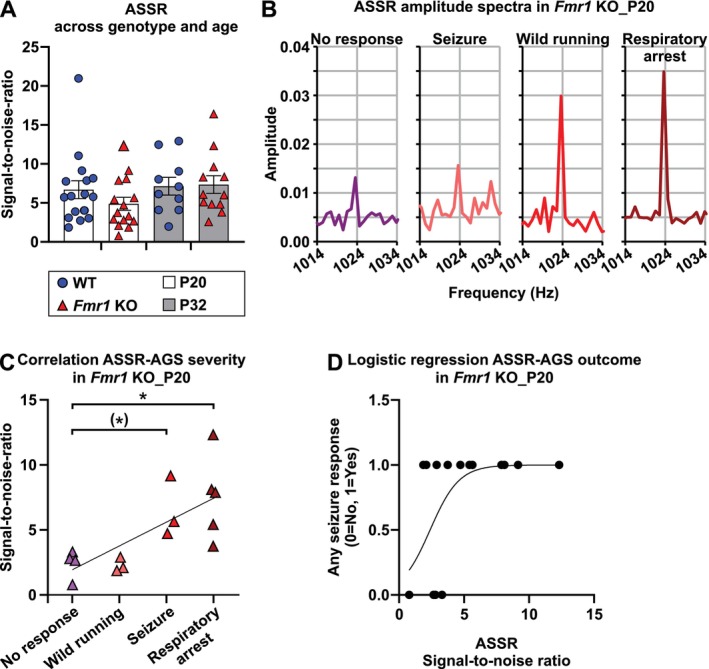 Figure 9
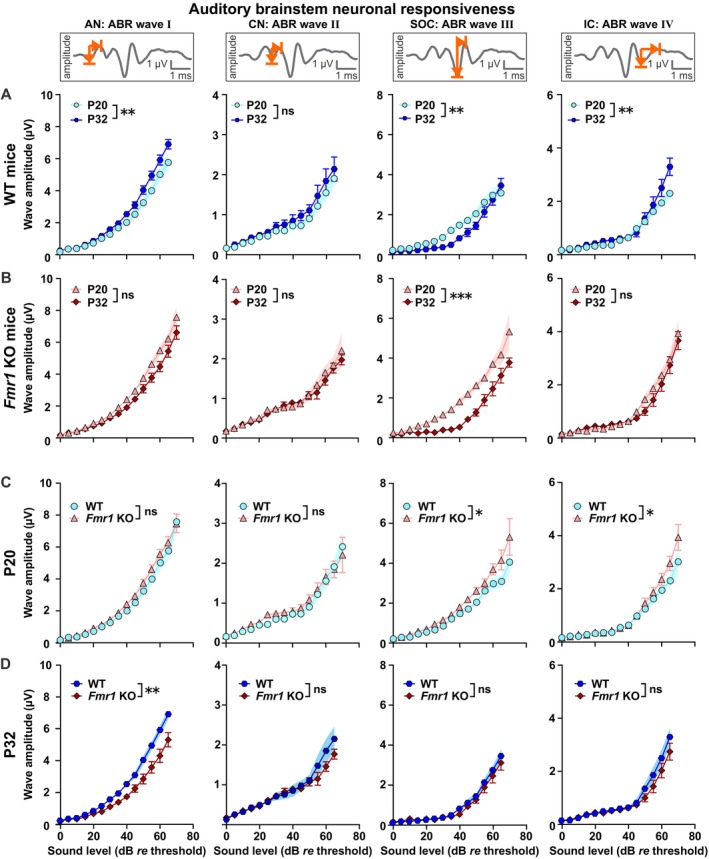 Figure 10
Peer Reviews
No public reviews on file for this paper yet. If you reviewed it on a platform where reviews are public (OpenReview, ICLR, NeurIPS, ICML), you can paste yours below so the community can read it here.
Videos
No videos yet. Explain this paper in a talk, walkthrough, or lecture? Add one.
Taxonomy
TopicsGenetics and Neurodevelopmental Disorders · Autism Spectrum Disorder Research · Genetic Neurodegenerative Diseases