Endothelial MLKL Inhibition Reduces Hyperoxia‐Induced Bronchopulmonary Dysplasia in Neonatal Mice
Junjie Ning, Junchao Deng, Yating Sang, Lina Qiao

TL;DR
Inhibiting MLKL in endothelial cells reduces lung damage in neonatal mice exposed to high oxygen, offering a potential treatment for BPD in premature infants.
Contribution
This study reveals that MLKL-mediated necroptosis in endothelial cells contributes to BPD and shows that inhibiting MLKL can mitigate lung injury.
Findings
MLKL protein levels and gene expression are elevated in pulmonary vascular endothelial cells under hyperoxia.
MLKL inhibition with NSA or conditional knockout in endothelial cells reduces hyperoxia-induced lung injury and preserves alveolar structure.
Targeting MLKL in endothelial cells shows therapeutic potential for preventing or treating BPD in premature infants.
Abstract
Bronchopulmonary dysplasia (BPD) remains a severe complication in premature infants requiring prolonged oxygen therapy, with vascular endothelial dysfunction recognised as a critical contributor to disease progression. Mixed lineage kinase domain‐like protein (MLKL)‐mediated necroptosis, an essential form of regulated cell death implicated in various pulmonary disorders, has not been fully investigated in the context of BPD. Here, we utilised a neonatal mouse model of hyperoxia exposure to elucidate the role and mechanisms of MLKL‐mediated necroptosis in BPD pathogenesis. Our analysis demonstrated morphological characteristics of necroptosis in pulmonary vascular endothelial cells (ECs) under hyperoxic conditions, accompanied by significant elevation of MLKL protein levels and marked upregulation of MLKL gene expression specifically in vascular ECs. Administration of the MLKL inhibitor…
Genes, proteins, chemicals, diseases, species, mutations and cell lines named across the full text — each resolved to its canonical identifier and authoritative record.
Click any figure to enlarge with its caption.
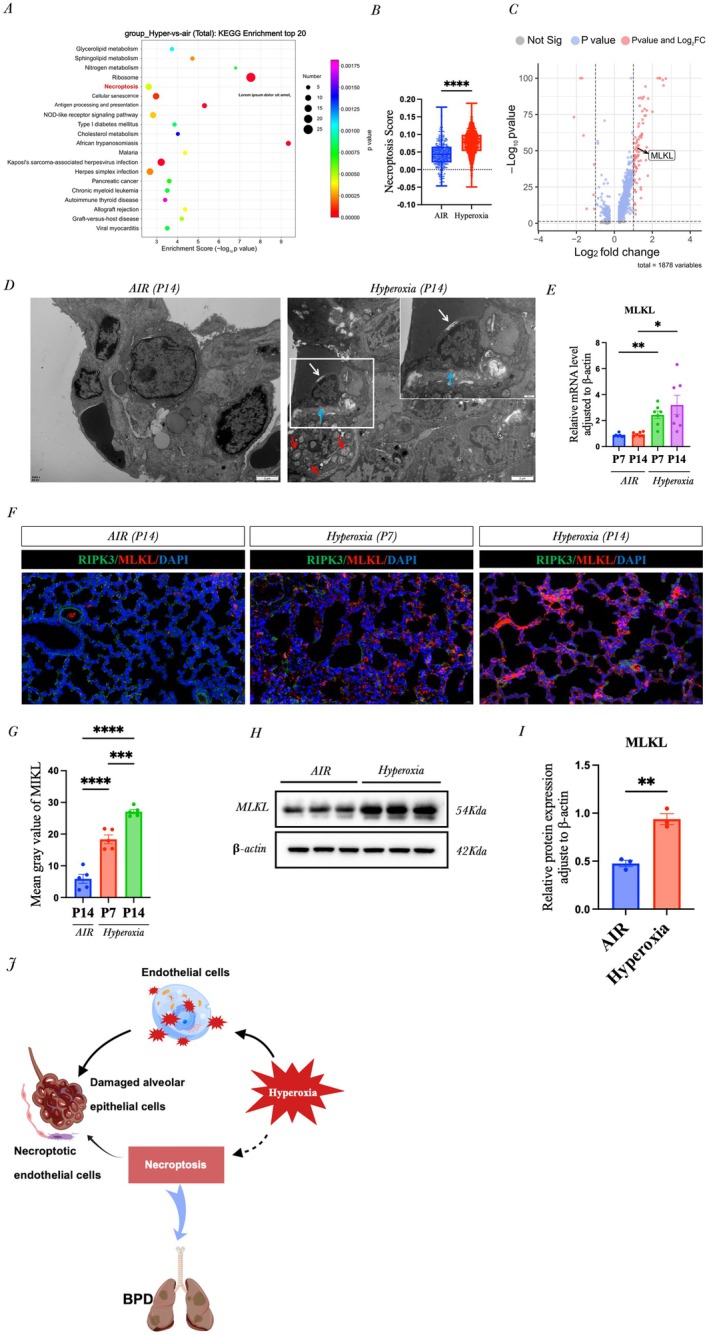 Figure 1
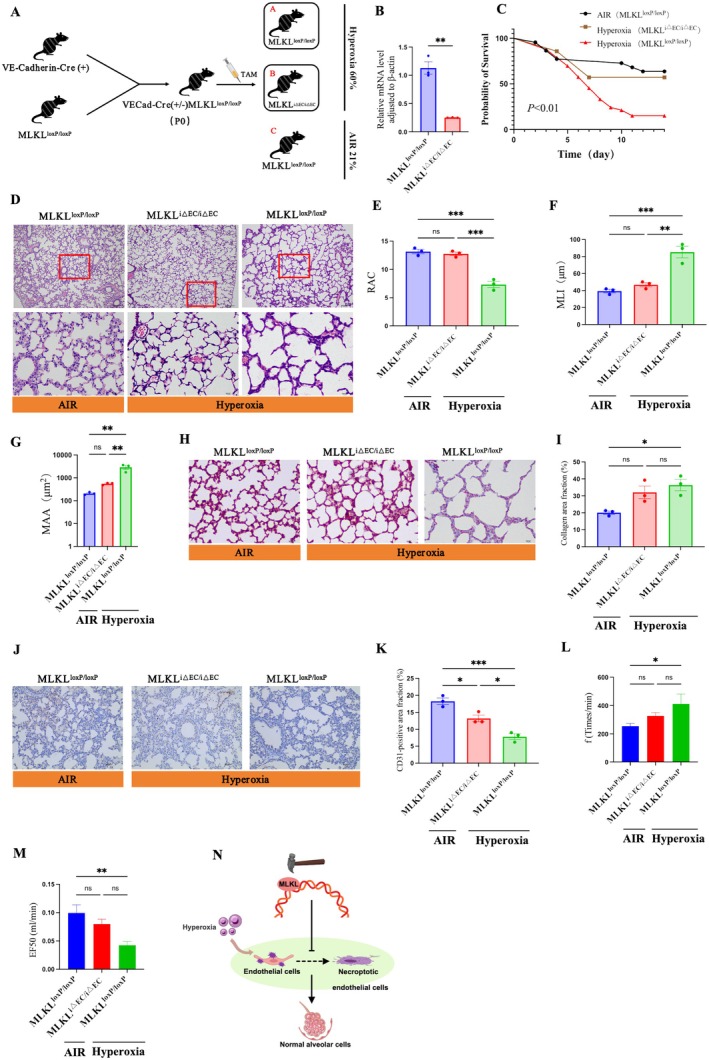 Figure 2
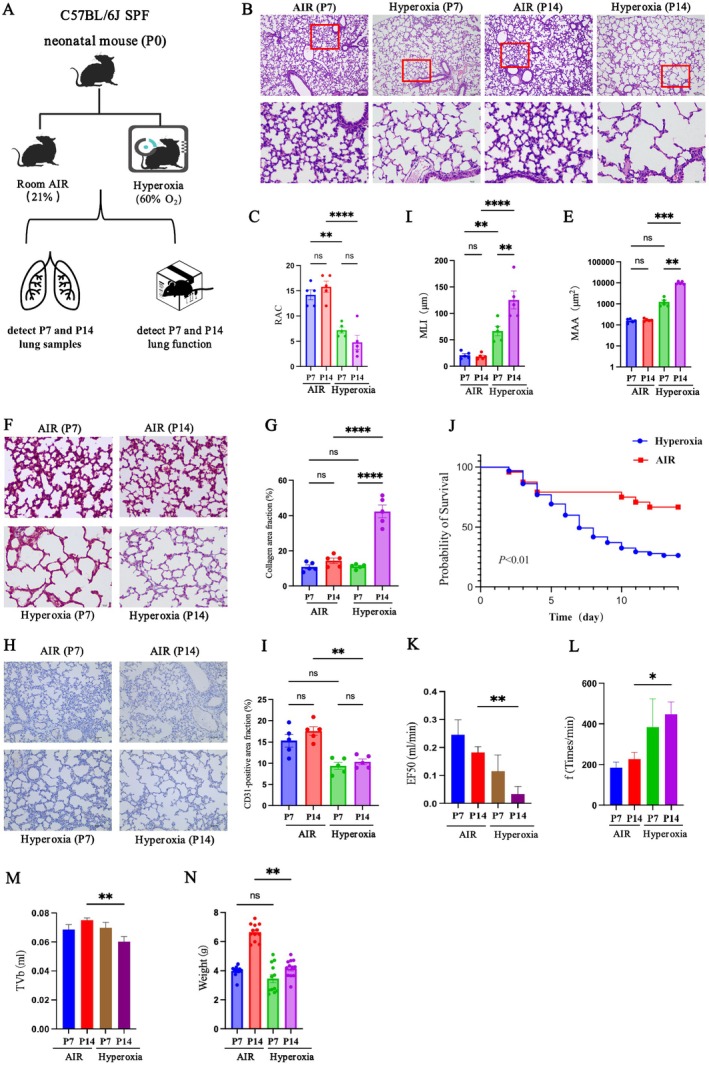 Figure 3
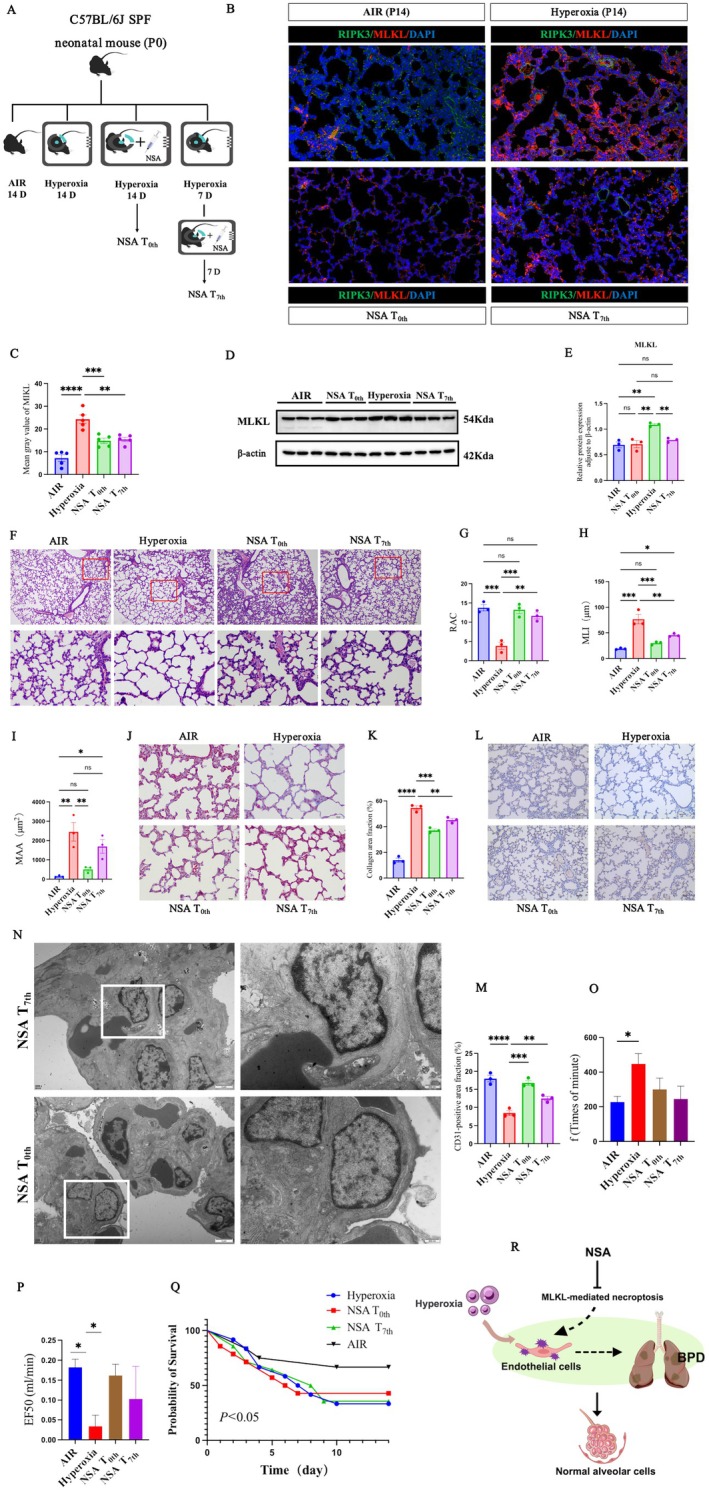 Figure 4
Peer Reviews
No public reviews on file for this paper yet. If you reviewed it on a platform where reviews are public (OpenReview, ICLR, NeurIPS, ICML), you can paste yours below so the community can read it here.
Videos
No videos yet. Explain this paper in a talk, walkthrough, or lecture? Add one.
Taxonomy
TopicsCell death mechanisms and regulation · Neonatal Respiratory Health Research · Mitochondrial Function and Pathology