Pancreatic Head Cancer and Intrahepatic Cholangiocarcinoma Occurring After Surgery for Congenital Biliary Dilatation Associated With Pancreaticobiliary Maljunction: A Case Report
Satoshi Yokoyama, Kentaro Yasuchika, Ryohei Aoyama, Masaya Tsubakiyama, Yusuke Sakura

TL;DR
A patient with a history of congenital biliary dilatation and pancreaticobiliary maljunction developed two cancers years after surgery, but remained cancer-free following complex reoperations.
Contribution
Demonstrates the long-term cancer risk in CBD/PBM patients and the feasibility of reusing a preserved Roux limb in complex reoperations.
Findings
A patient with congenital biliary dilatation developed pancreatic head cancer and intrahepatic cholangiocarcinoma years after initial surgery.
Reusing a preserved Roux limb during complex reoperations proved feasible and effective.
Patients with CBD and PBM remain at lifelong risk of malignancy, especially if surgery is performed in adulthood.
Abstract
Congenital biliary dilatation (CBD), frequently associated with pancreaticobiliary maljunction (PBM), predisposes patients to biliary tract malignancies due to chronic reflux of pancreatic juice into the biliary epithelium. Although biliary diversion reduces carcinogenic risk, malignancy may still arise many years after surgery. A 69-year-old woman underwent choledochal cyst excision and Roux-en-Y hepaticojejunostomy at age 52. Seventeen years later, she developed pancreatic head adenocarcinoma, treated with subtotal stomach-preserving pancreaticoduodenectomy (SSPPD) while preserving and reusing the original Roux limb. Six months later, she developed intrahepatic cholangiocarcinoma, requiring an extended right hepatectomy with reconstruction using the same preserved Roux limb. She remains disease-free 18 months after surgery. Patients with CBD and PBM remain at lifelong risk of…
Genes, proteins, chemicals, diseases, species, mutations and cell lines named across the full text — each resolved to its canonical identifier and authoritative record.
Click any figure to enlarge with its caption.
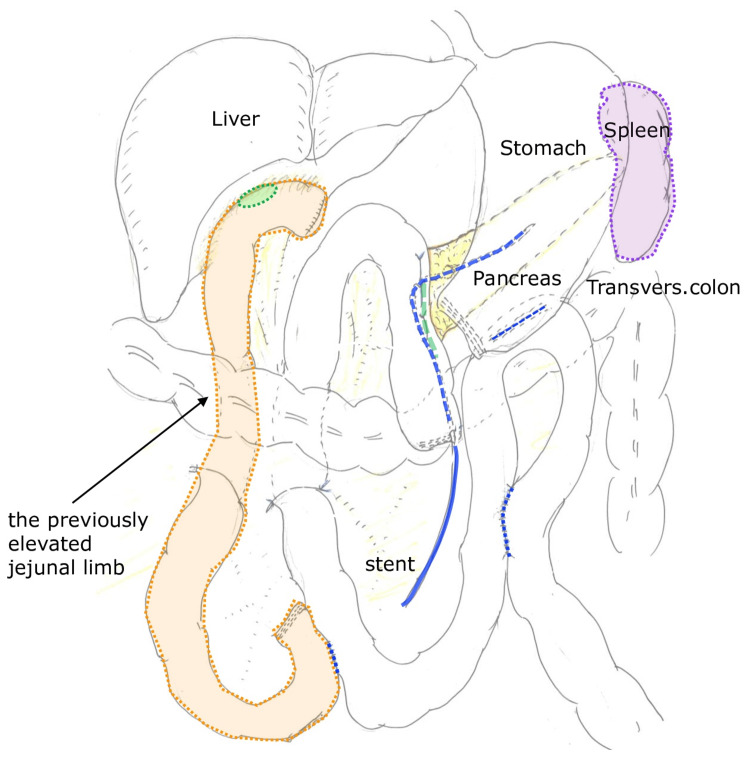 Figure 1
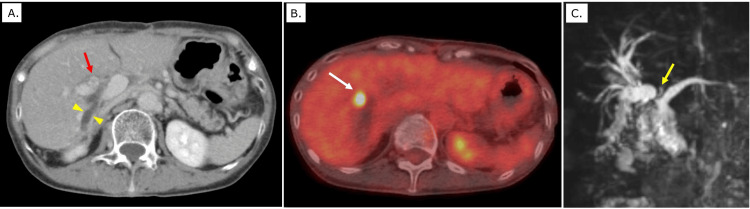 Figure 2
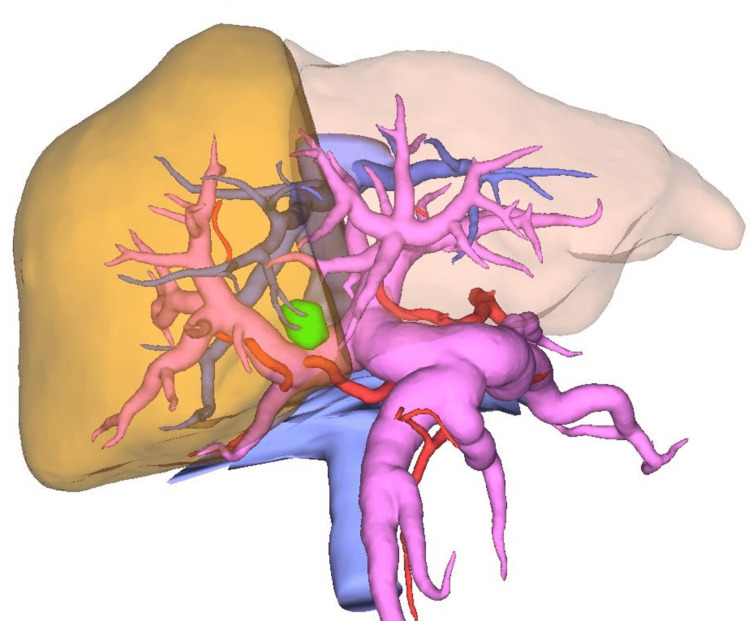 Figure 3
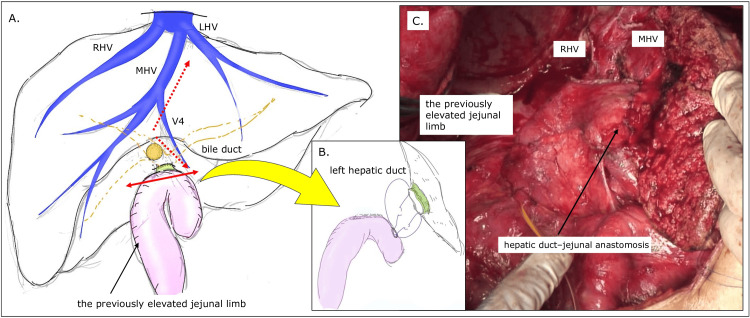 Figure 4
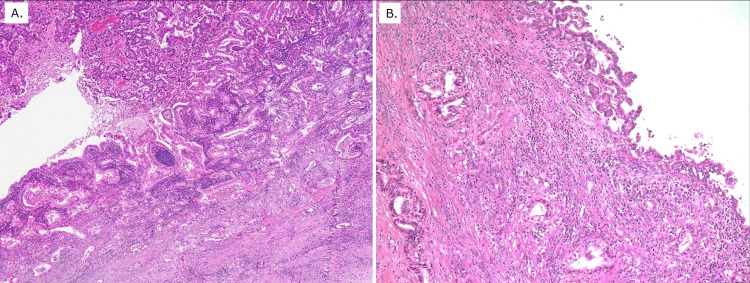 Figure 5
Peer Reviews
No public reviews on file for this paper yet. If you reviewed it on a platform where reviews are public (OpenReview, ICLR, NeurIPS, ICML), you can paste yours below so the community can read it here.
Videos
No videos yet. Explain this paper in a talk, walkthrough, or lecture? Add one.
Taxonomy
TopicsPediatric Hepatobiliary Diseases and Treatments · Gallbladder and Bile Duct Disorders · Pancreatitis Pathology and Treatment