Dynamic acetylation of a conserved lysine impacts glycerol kinase activity and abundance in the haloarchaeon Haloferax volcanii
Karol M. Sanchez, Manasa Addagarla, Heather N. Judd, Xin Wang, Julie A. Maupin-Furlow

TL;DR
This study shows that lysine acetylation regulates glycerol kinase activity and stability in Haloferax volcanii, a type of archaea, helping it adapt to different carbon sources.
Contribution
The study identifies lysine acetylation as a novel regulatory mechanism for glycerol kinase in archaea, specifically in Haloferax volcanii.
Findings
Lysine acetylation at residue K153 enhances HvGK activity, stability, and abundance during glycerol metabolism.
The acetylation mimic K153Q supports glycerol growth, while the nonacetylatable K153R variant does not.
Pat2 acetyltransferase is responsible for HvGK acetylation, and its absence reduces HvGK levels.
Abstract
Lysine acetylation is a key regulator of metabolism, but its role in archaeal carbon metabolism remains unclear. In halophilic archaea such as Haloferax volcanii, glycerol kinase (GK, glpK) catalyzes the phosphorylation of glycerol to glycerol-3-phosphate, the first committed step in glycerol catabolism. Unlike bacterial GKs, which are typically repressed during glucose metabolism, H. volcanii prefers glycerol as a carbon and energy source rather than glucose, suggesting that GK across species is regulated by distinct mechanisms. Here, we show that lysine acetylation enhances H. volcanii GK (HvGK) activity, allosteric behavior, stability, and cellular abundance during growth on glycerol. Lysine residue 153 (K153), located within a conserved flexible loop, was identified as the primary acetylation site and reached up to 78% acetylation occupancy in glycerol-grown cells, as determined by…
Genes, proteins, chemicals, diseases, species, mutations and cell lines named across the full text — each resolved to its canonical identifier and authoritative record.
Click any figure to enlarge with its caption.
 Figure 1
 Figure 2
 Figure 3
 Figure 4
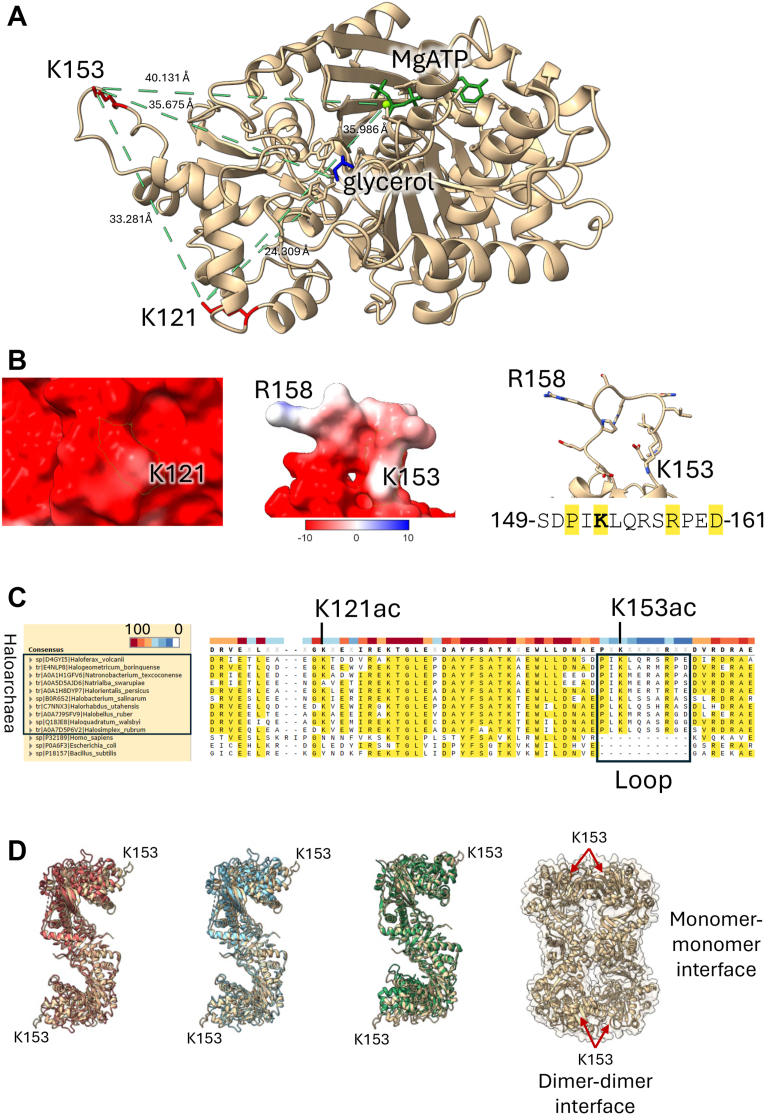 Figure 5
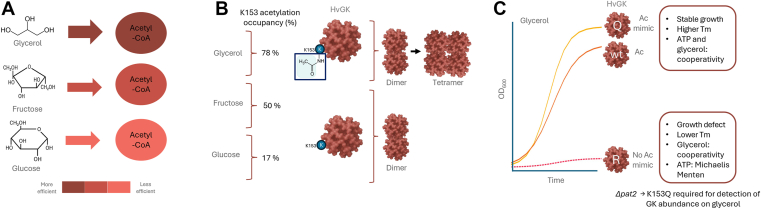 Figure 6
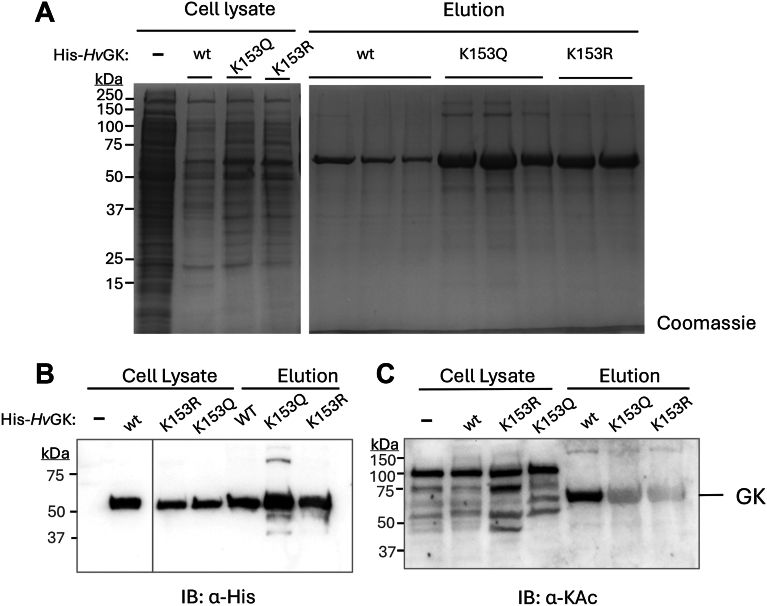 Figure 7
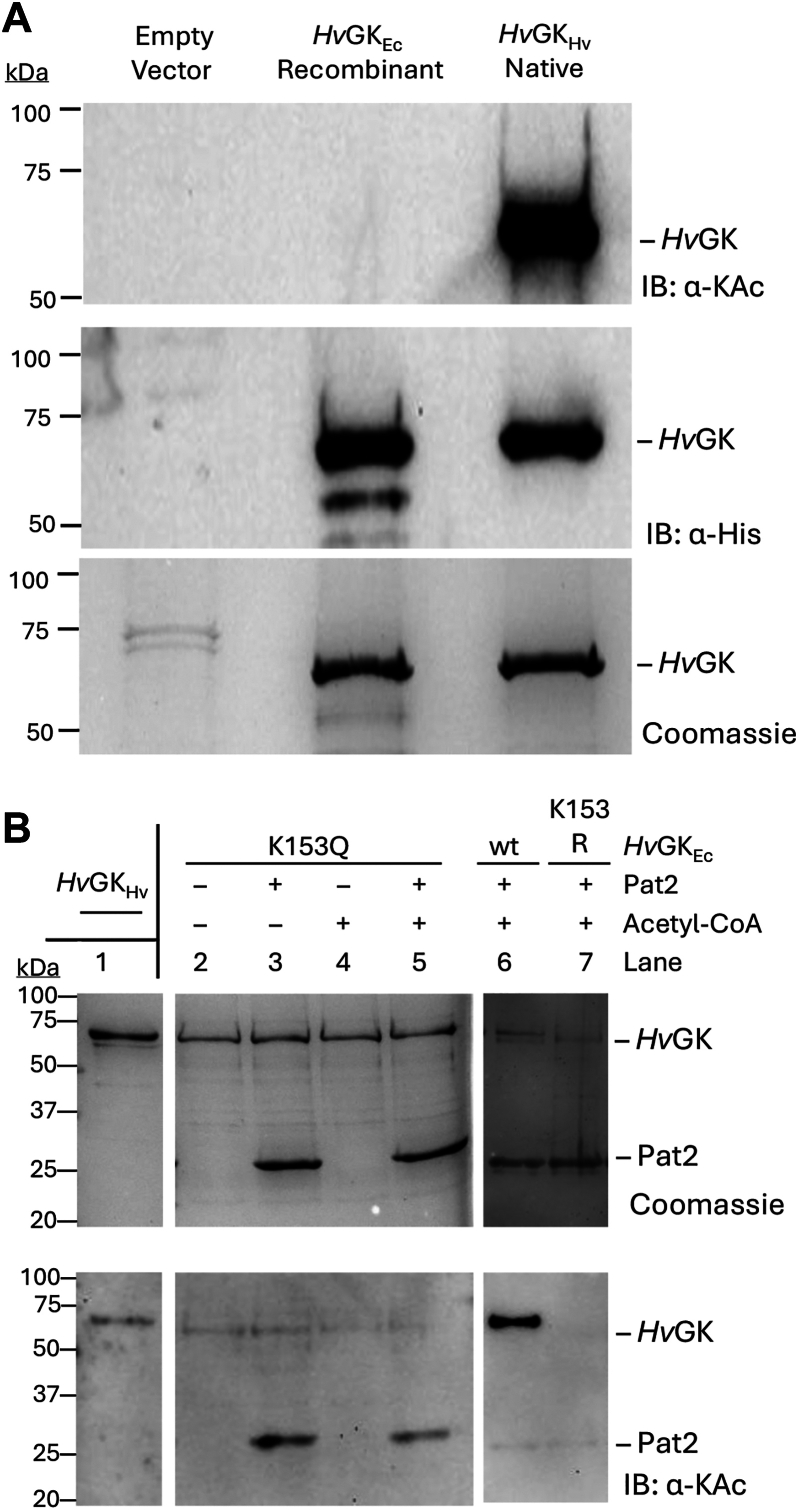 Figure 8
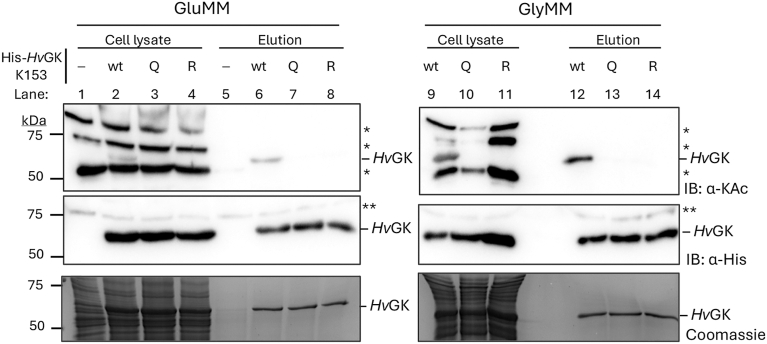 Figure 9
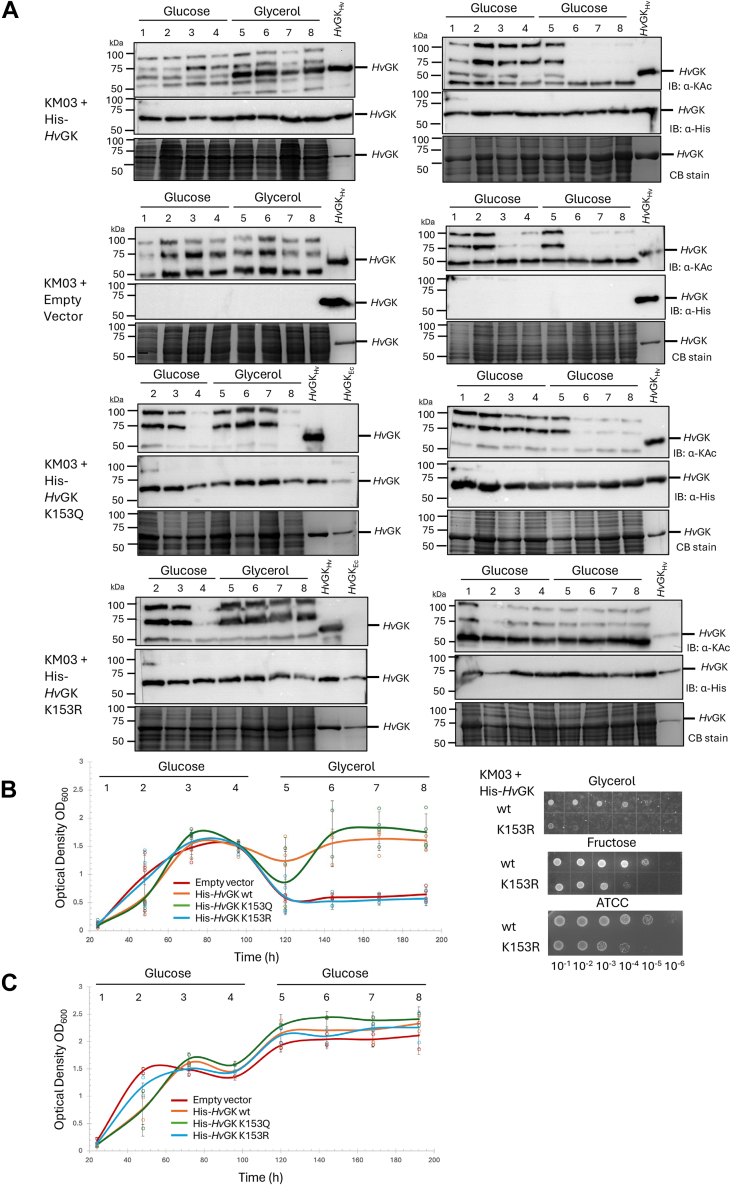 Figure 10
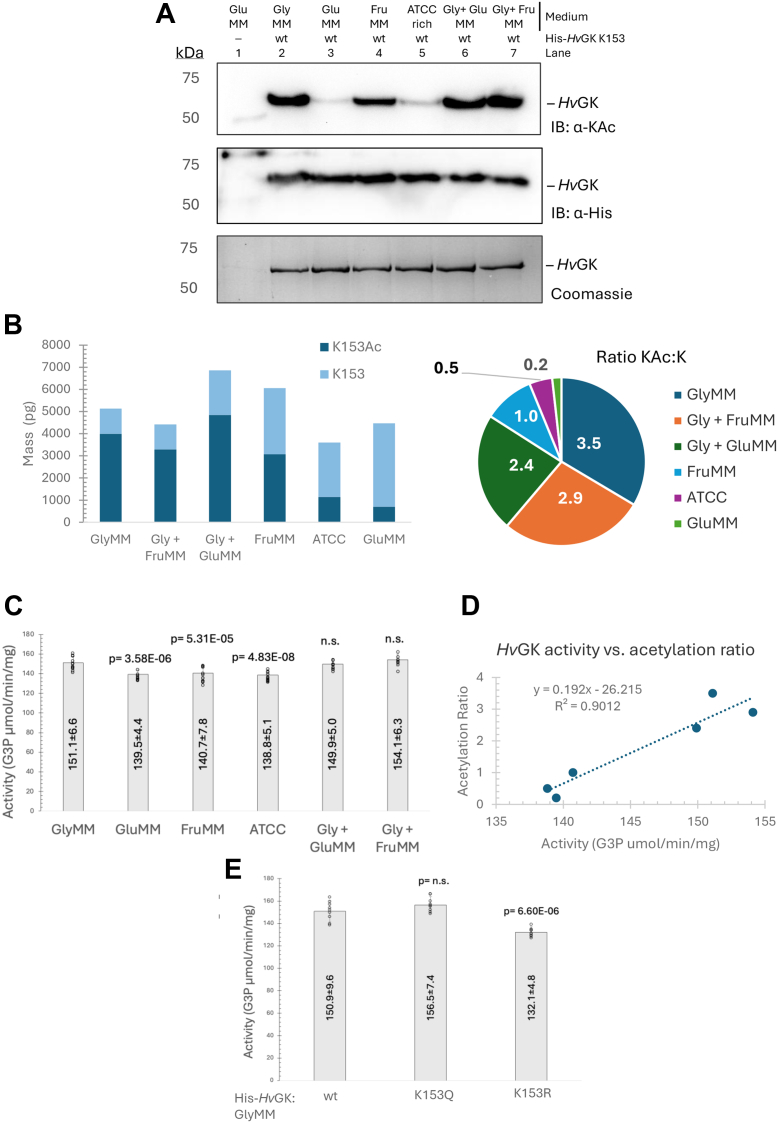 Figure 11
 Figure 12
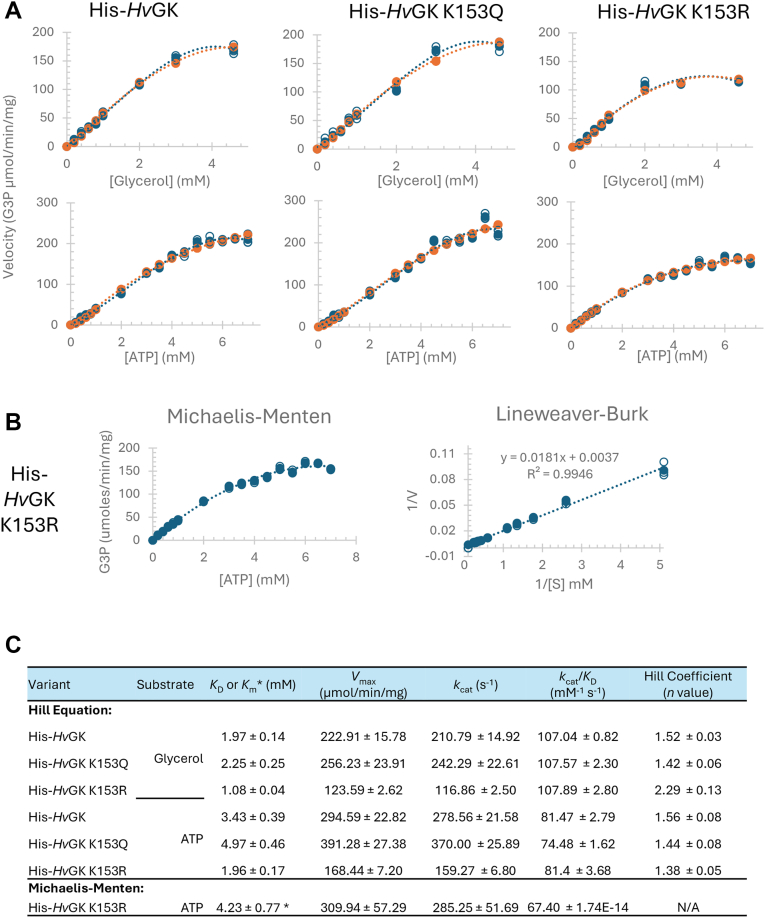 Figure 13
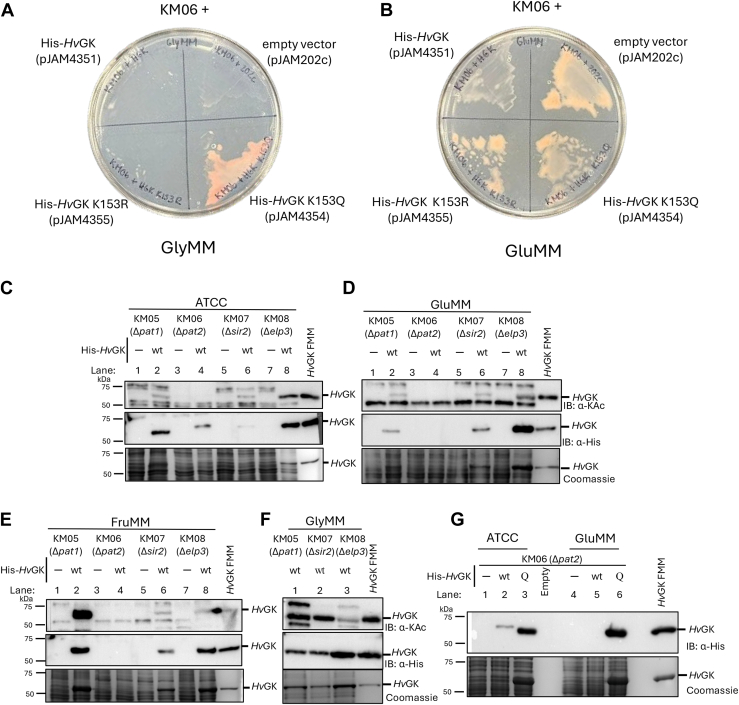 Figure 14
Peer Reviews
No public reviews on file for this paper yet. If you reviewed it on a platform where reviews are public (OpenReview, ICLR, NeurIPS, ICML), you can paste yours below so the community can read it here.
Videos
No videos yet. Explain this paper in a talk, walkthrough, or lecture? Add one.
Taxonomy
TopicsEnzyme Structure and Function · Bacterial Genetics and Biotechnology · Peptidase Inhibition and Analysis