Optimization of processing technology and analysis of aroma components of osmanthus black tea using summer and autumn tea leaves
Haomu Liao, Xiaoyue Song, Yuqin Xiong, Chunhua Ma, Hetong Lin

TL;DR
This study optimizes the processing of osmanthus black tea using summer and autumn tea leaves, identifying key aroma compounds and achieving high sensory scores.
Contribution
The study introduces a novel method to utilize discarded summer and autumn tea leaves for osmanthus black tea production with optimized parameters.
Findings
Optimal processing achieved a sensory score of 92.2 with a 1:5.3 osmanthus-to-tea ratio and 16.6 hours of scenting.
GC–MS identified 259 volatile components and 14 key aroma-active compounds in osmanthus black tea.
Osmanthus black tea had twice as many alcohols/ketones and half as many esters compared to black tea base.
Abstract
Tea is mainly produced with spring tea leaves. Summer and autumn tea leaves, characterized by a bitter and astringent taste, are usually discarded. Here, they were turned into osmanthus black tea, and the processing technology was optimized. Optimum process: the ratio of osmanthus to tea was 1:5.3, 16.6 h scenting, two cycles, the highest sensory score was 92.2. E-nose showed significant differences in response values among the W5S, W1W, and W2S sensors. Samples 6, 9, 11, and 12 exhibited high response values across multiple sensors. GC–MS was used to analyze volatile components in osmanthus black tea and the black tea base. A total of 259 volatile components were identified, and 14 key aroma-active compounds were screened, including β-ionone, γ-dodecalactone, γ-decalactone, phenylethanol, and linalool. •Optimized osmanthus black tea processing from summer-autumn leaves, with top…
Genes, proteins, chemicals, diseases, species, mutations and cell lines named across the full text — each resolved to its canonical identifier and authoritative record.
Click any figure to enlarge with its caption.
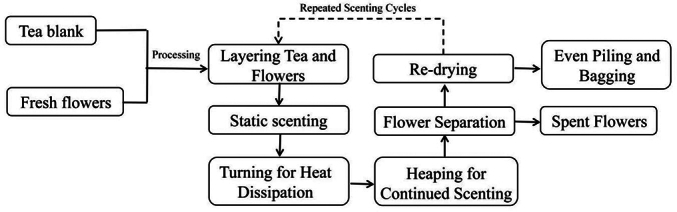 Figure 1
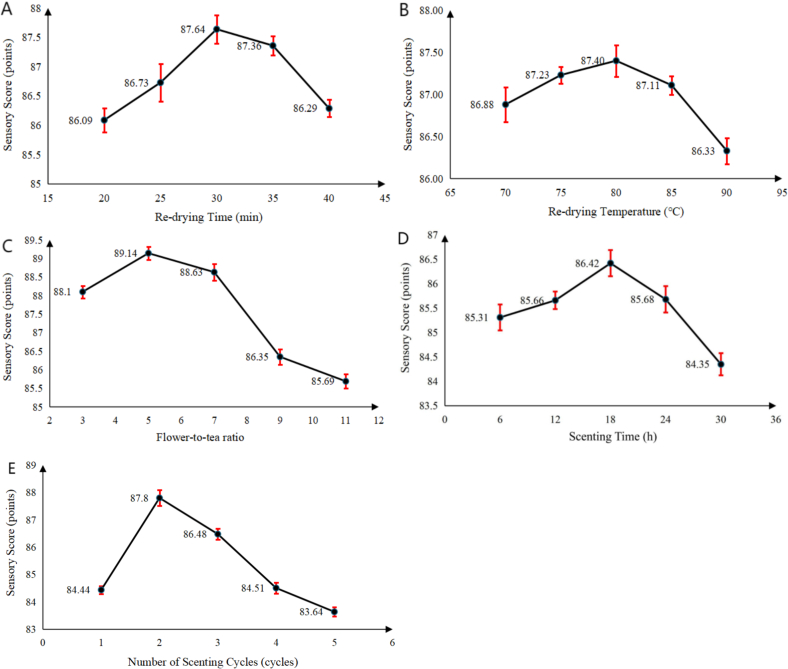 Figure 2
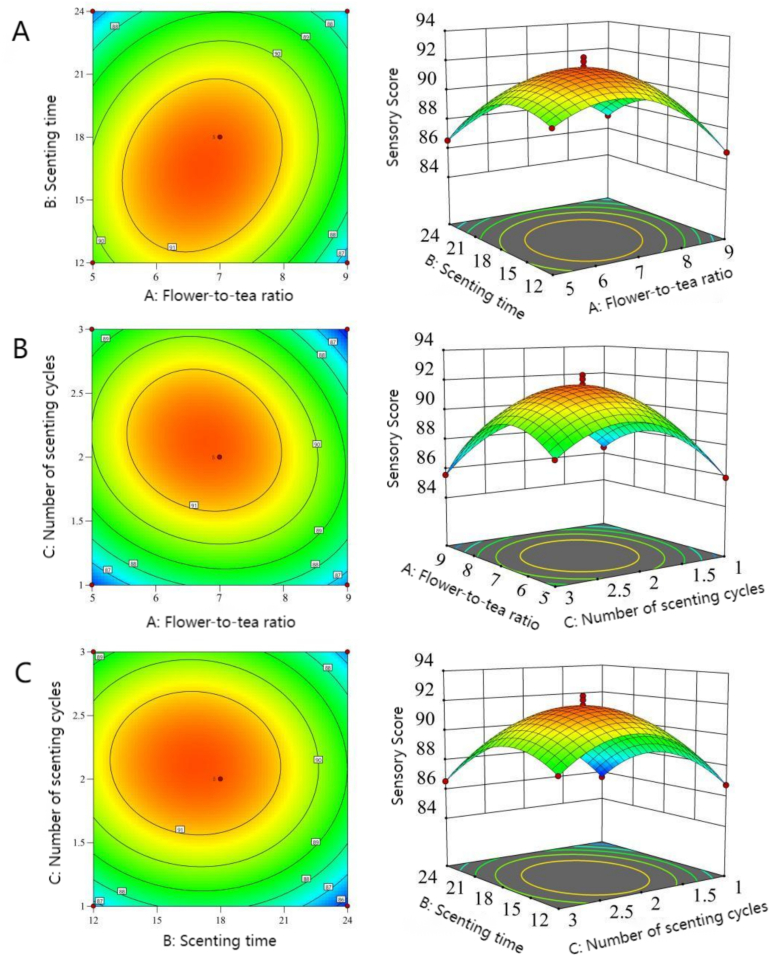 Figure 3
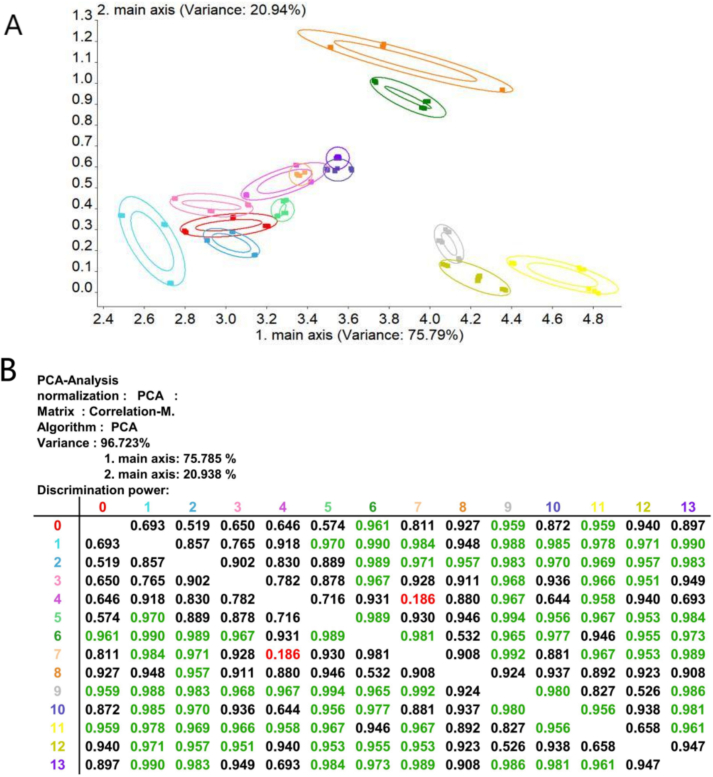 Figure 4
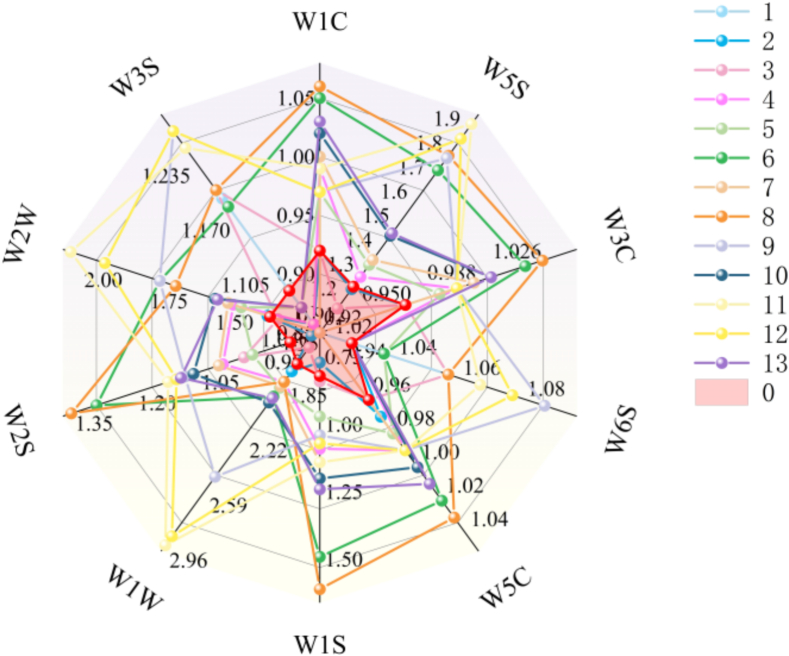 Figure 5
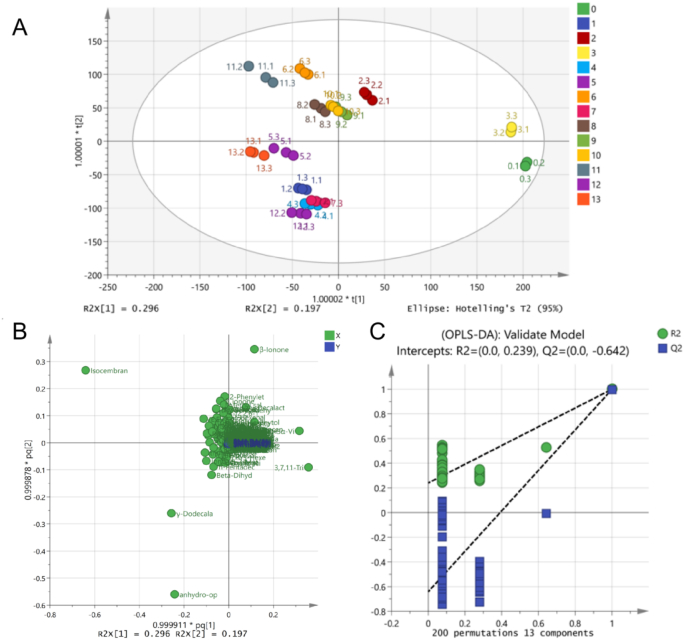 Figure 6
Peer Reviews
No public reviews on file for this paper yet. If you reviewed it on a platform where reviews are public (OpenReview, ICLR, NeurIPS, ICML), you can paste yours below so the community can read it here.
Videos
No videos yet. Explain this paper in a talk, walkthrough, or lecture? Add one.
Taxonomy
TopicsSesquiterpenes and Asteraceae Studies · Tea Polyphenols and Effects · Plant-Derived Bioactive Compounds