HLA‐DRB1 Allelic Combinations Differentially Shape Dendritic Cell Antigen Presentation Enhanced by Tumour Cell Line Lysate‐Pulsing
Gonzalo Lázaro, Juan A. Cedano, Maitane Faus, Carme Roura‐Mir, Laia Garrigós, José Pérez‐García, Javier Román‐García, Javier Cortés, Andrea Aran, Mercè Martí

TL;DR
This study explores how different HLA-DRB1 allele combinations affect dendritic cell antigen presentation, especially when enhanced by tumor cell lysates, which could help in designing personalized cancer immunotherapies.
Contribution
The study reveals how HLA-DRB1 allelic combinations influence antigen presentation and how pulsing with tumor lysates modulates this process.
Findings
HLA-DR heterozygosity strongly influences peptide repertoires in an allele-specific manner.
Pulsing dendritic cells with MCF-7 lysates increased peptide overlap and identified 58 putative tumor-derived proteins.
Peptide presentation from tumor proteins reinforced allele-specific dominance patterns observed in the immunopeptidome.
Abstract
The anti‐tumour immune response plays a pivotal role in eliminating tumour cells, with the presence of tumour‐infiltrating lymphocytes (TILs) often correlated with improved patient outcomes. Among these, CD4+ T lymphocytes act as key orchestrators of the immune response, functioning as effector and regulatory cells, and are essential for establishing immunological memory. To better understand the role of CD4+ T cells in anti‐tumour immunity, we analysed the HLA‐II immunopeptidome of dendritic cells (DCs) from HLA‐heterozygous donors pulsed with a protein extract from the MCF‐7 tumour cell line. Our objective was to identify differences in the arrays of peptides binding distinct HLA‐DRB1 allele combinations and the effect of DC pulsing on peptide presentation. We found that presented peptide repertoires are strongly influenced by HLA‐DR heterozygosity in an allele‐specific manner.…
Genes, proteins, chemicals, diseases, species, mutations and cell lines named across the full text — each resolved to its canonical identifier and authoritative record.
Click any figure to enlarge with its caption.
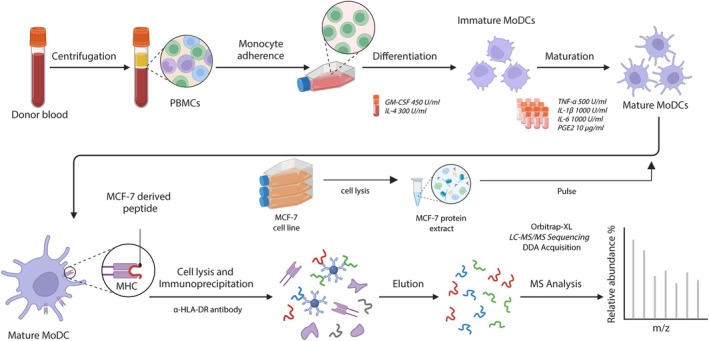 Figure 1
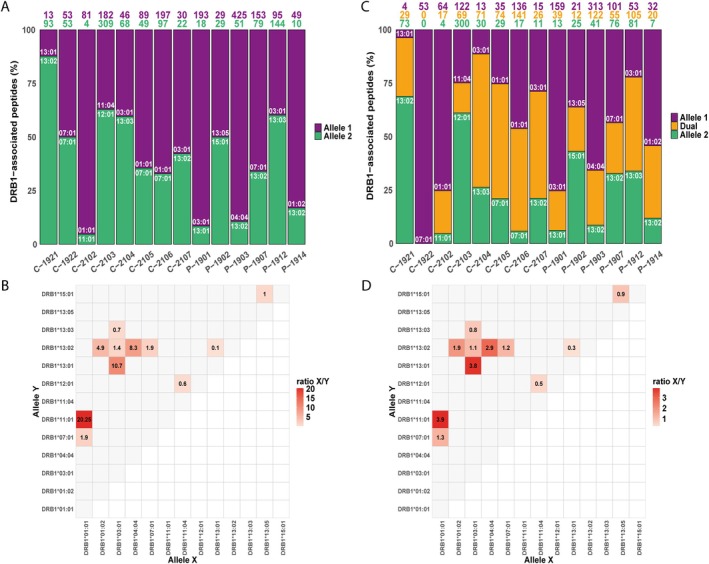 Figure 2
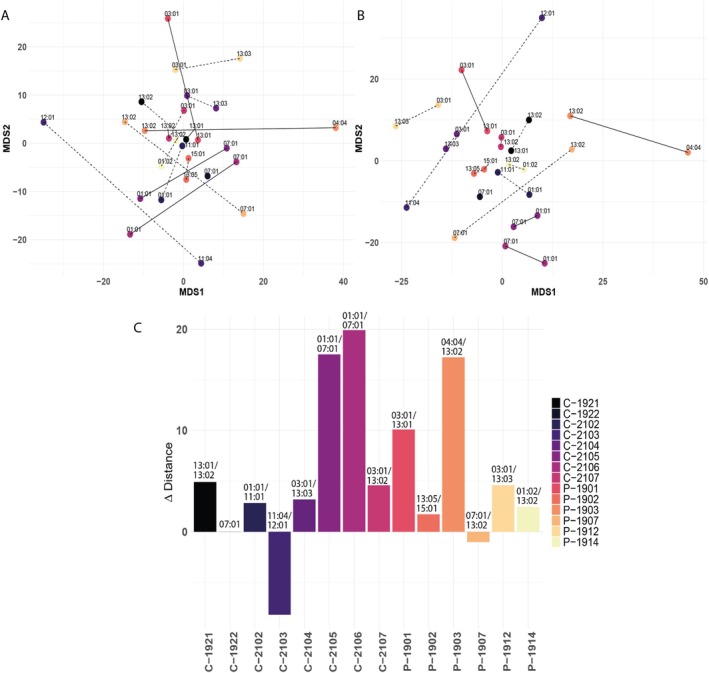 Figure 3
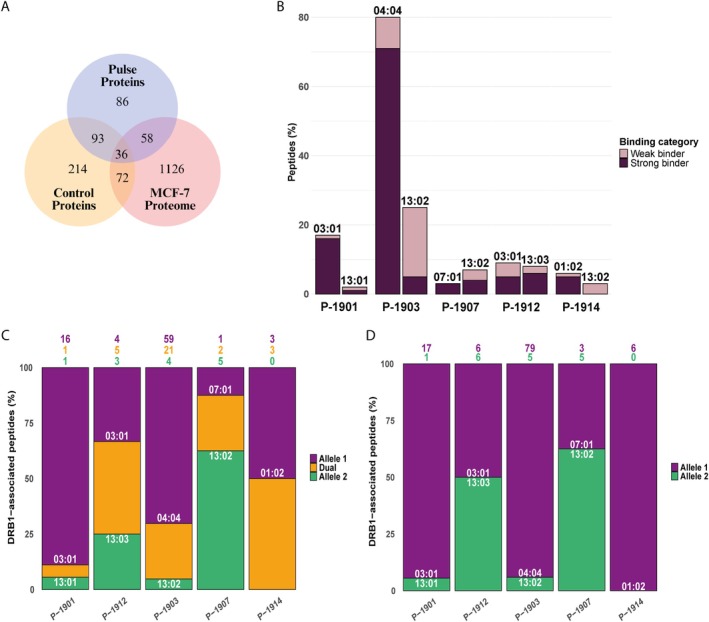 Figure 4
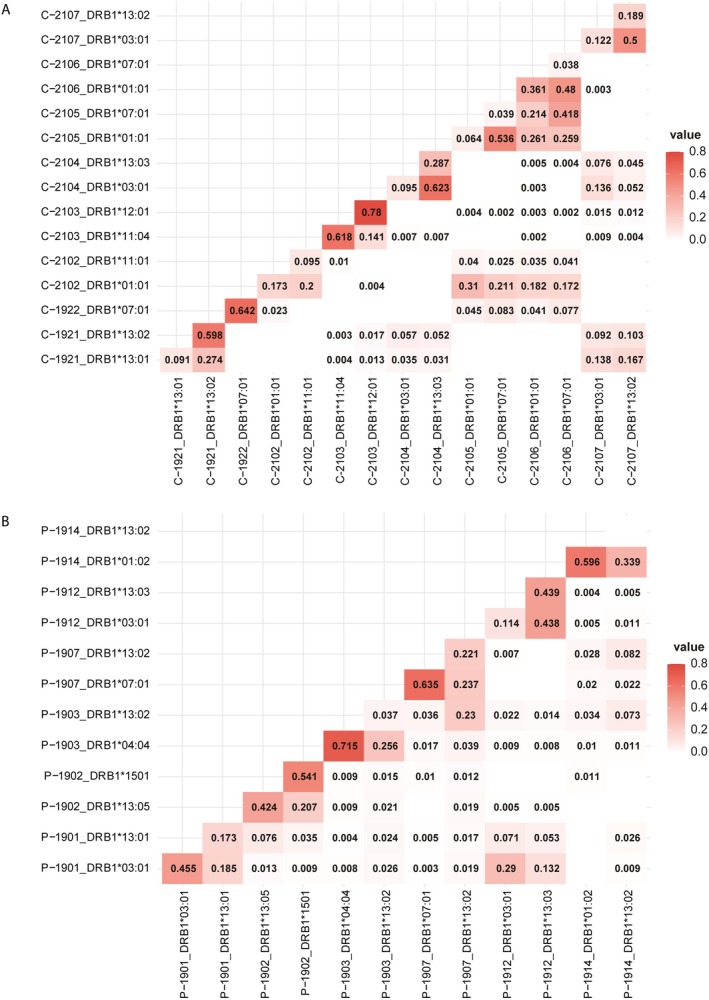 Figure 5
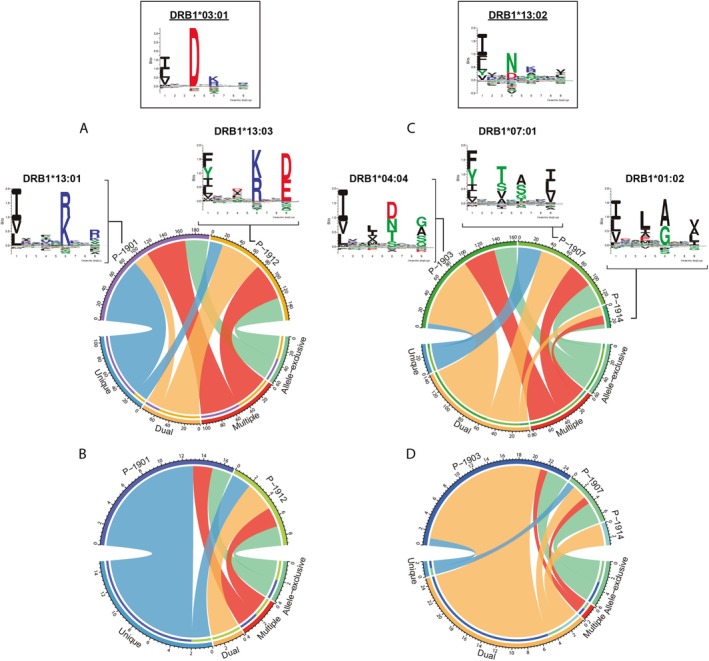 Figure 6
Peer Reviews
No public reviews on file for this paper yet. If you reviewed it on a platform where reviews are public (OpenReview, ICLR, NeurIPS, ICML), you can paste yours below so the community can read it here.
Videos
No videos yet. Explain this paper in a talk, walkthrough, or lecture? Add one.
Taxonomy
Topicsvaccines and immunoinformatics approaches · Immunotherapy and Immune Responses · Monoclonal and Polyclonal Antibodies Research