Acyl-CoA Synthetase 5 Knockout and Inhibitors Protect Against Diet-Induced Obesity in Mice by Activating the Ileal Brake
David R Powell, Isaac Van Sligtenhorst, Alan Main, Haihong Jin, Kenneth G Carson, Zhi-Cai Shi, Jonathan Swaffield, Melinda Smith, Angela Harris, Suma Gopinathan, Kenneth A Platt, Jeffrey Wade, Brian Zambrowicz, Patricia McDonald, Darren Orton, Lakshmi Kuttippurathu

TL;DR
Blocking Acyl-CoA Synthetase 5 in mice prevents obesity and related metabolic issues by activating the ileal brake, a gut mechanism that slows digestion.
Contribution
The study identifies Acyl-CoA Synthetase 5 as a target for obesity treatment and shows that its inhibition activates the ileal brake.
Findings
Mice with Acsl5 knockout or inhibitors show protection from high-fat diet-induced obesity and metabolic issues.
ACSL5 inhibition increases GLP-1 levels and delays gastric emptying, suggesting ileal brake activation.
ACSL5 inhibitors like LP-856866 reduce food consumption in wild-type but not knockout mice, confirming targeted inhibition.
Abstract
Genes regulating body fat are shared by mice and humans, and mouse knockout phenotypes for known drug targets correlate well with drug efficacy, suggesting that mouse knockout phenotyping can identify anti-obesity drug targets. Mice with an intestine-specific Acsl5 knockout are protected from high-fat diet (HFD)-induced obesity, insulin resistance, glucose intolerance and hepatic steatosis, and show increased GLP-1 levels, delayed gastric emptying (GE), and decreased food consumption (FC). Here we provide data on these and further outcomes in mice with a global Acsl5 knockout and in mice receiving ACSL5 inhibitors (ACSL5i). We generated Acsl5 knockout mice by homologous recombination and identified potent ACSL5i by compound library screening, iterative medicinal chemistry optimization, and by testing whether compounds inhibit oral triglyceride absorption. We found that both genetic and…
Genes, proteins, chemicals, diseases, species, mutations and cell lines named across the full text — each resolved to its canonical identifier and authoritative record.
Click any figure to enlarge with its caption.
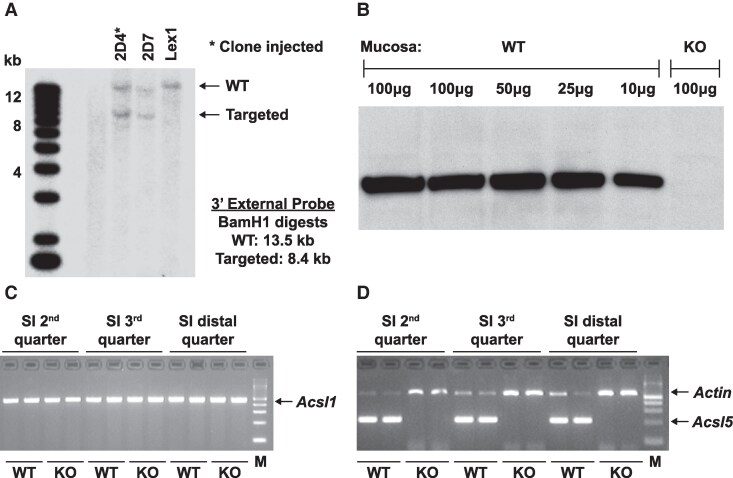 Figure 1
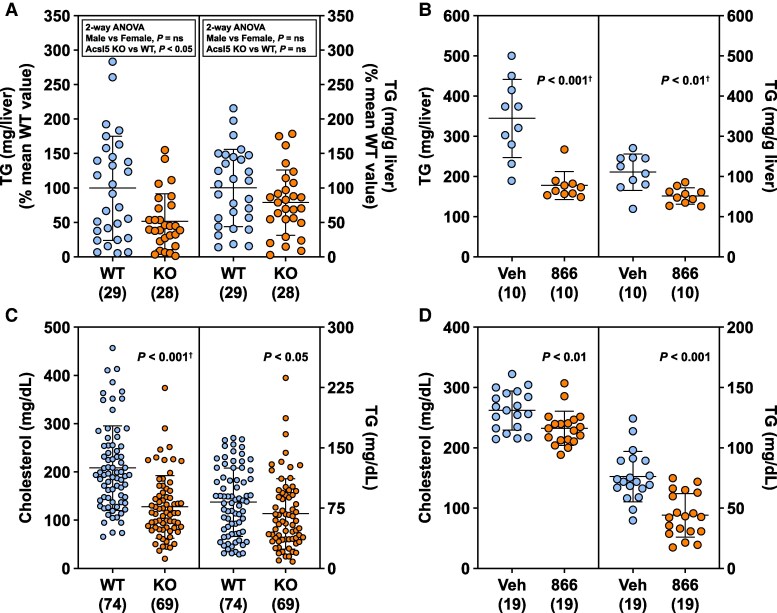 Figure 2
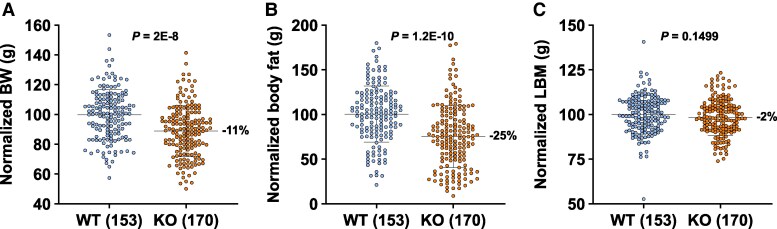 Figure 3
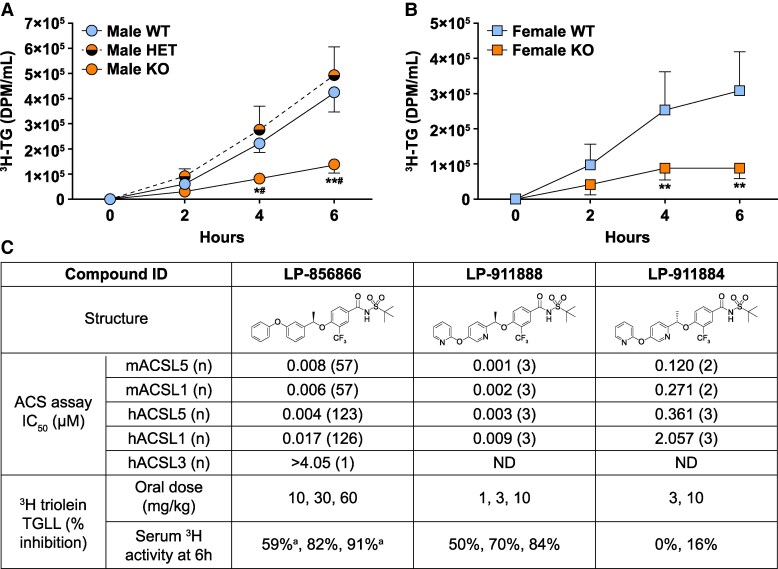 Figure 4
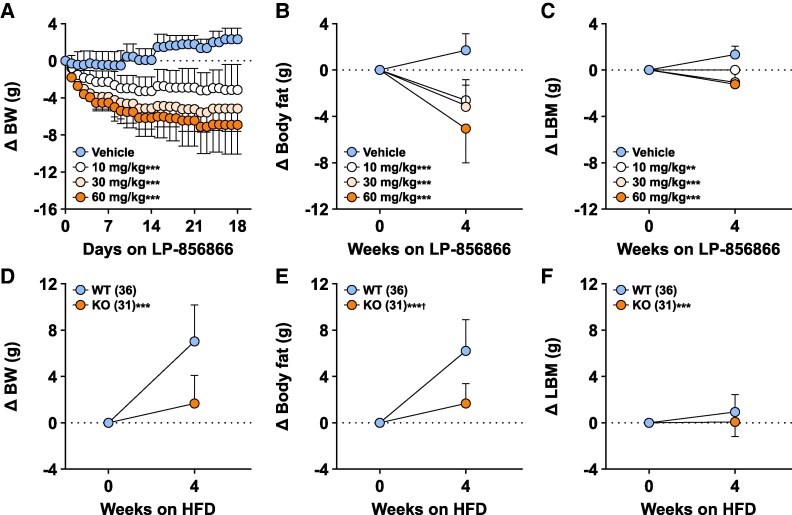 Figure 5
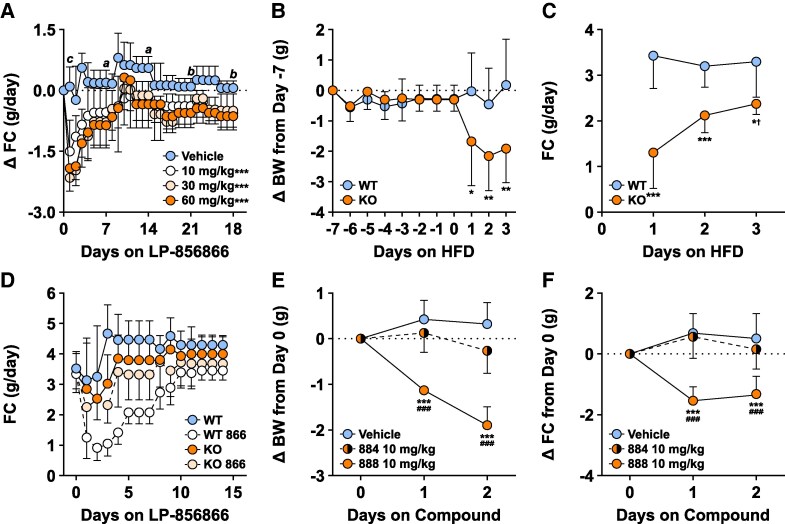 Figure 6
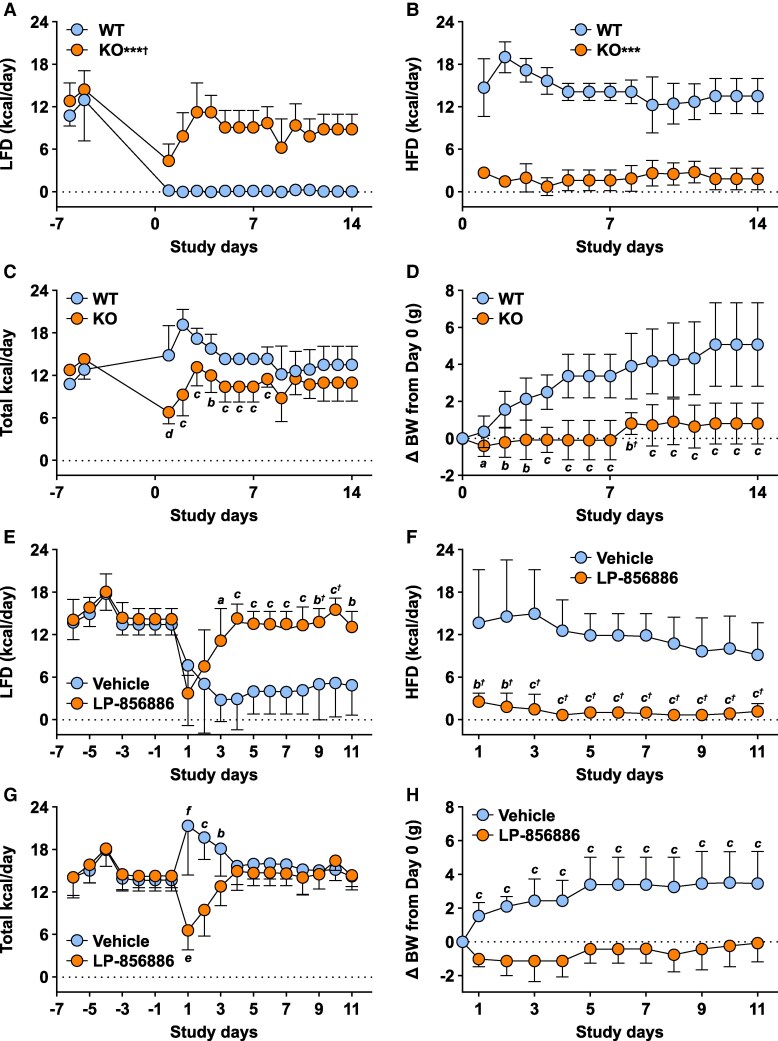 Figure 7
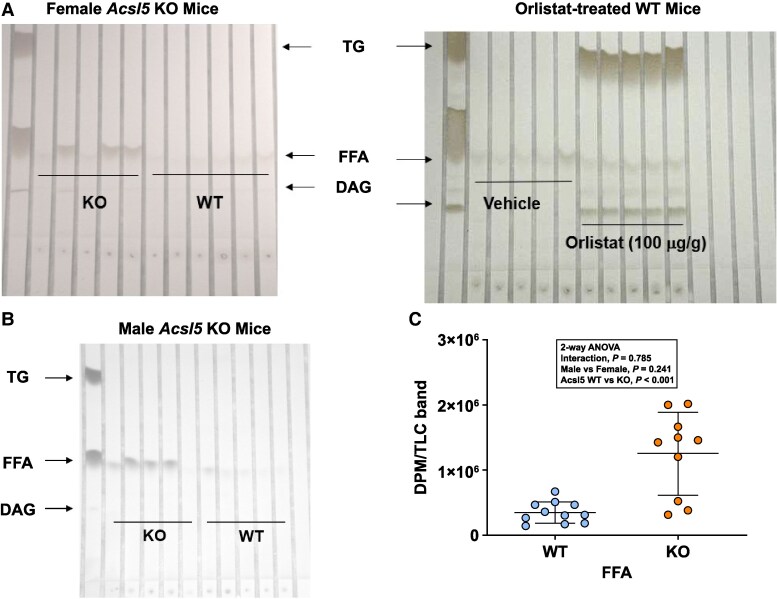 Figure 8
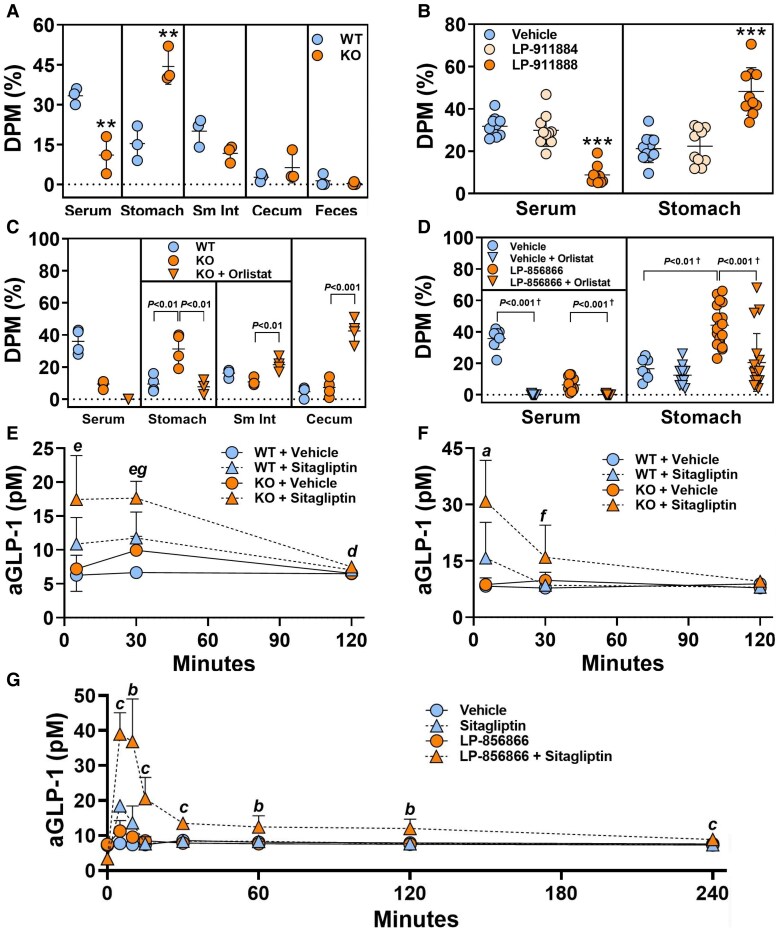 Figure 9
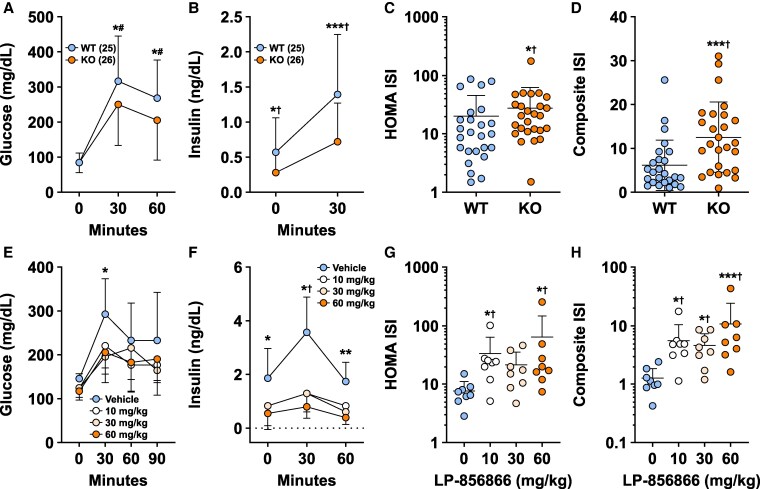 Figure 10
Peer Reviews
No public reviews on file for this paper yet. If you reviewed it on a platform where reviews are public (OpenReview, ICLR, NeurIPS, ICML), you can paste yours below so the community can read it here.
Videos
No videos yet. Explain this paper in a talk, walkthrough, or lecture? Add one.
Taxonomy
TopicsPeroxisome Proliferator-Activated Receptors · Adipose Tissue and Metabolism · Diabetes Treatment and Management