From alkylating to shape-shifting G-quadruplex ligands: the RHAU peptide story
Lessandro De Paepe, Simona Marzano, Camille Vesschemoet, Jussara Amato, Bruno Pagano, Enrico Cadoni, Annemieke Madder

TL;DR
This paper explores how modified peptides can bind and stabilize G-quadruplex structures in DNA, offering a new approach for targeting these structures with high specificity.
Contribution
The study introduces a novel peptide-based methodology for covalent G4 targeting using photoactivatable moieties derived from the RHAU helicase.
Findings
Nine modified RHAU peptides showed moderate to high alkylation yields toward G4 structures.
N-terminal modifications of RHAU18 significantly enhanced G4 stabilizing potential.
The study provides insights into how individual amino acid modifications affect G4 binding behavior.
Abstract
G-quadruplexes (G4s) are non-canonical secondary nucleic acid structures with important biological implications in telomere elongation and gene expression. A large number of small molecules have been developed to bind and even covalently target these structures, enhancing the potency and duration of binding. Alternatively, peptide-based ligands have been studied and shown to offer several advantages, including high specificity, a modular design, and ease of synthesis. In this work, we describe a peptide-based methodology for covalent G4-targeting, based on the introduction of two photoactivatable moieties in a peptide derived from the RHAU helicase. Rational insertion of crosslinkers at different positions yielded nine different peptides, which were evaluated for their G4-stabilizing effect and alkylation potential. Moderate to high alkylation yields towards G4s were obtained. The G4…
Genes, proteins, chemicals, diseases, species, mutations and cell lines named across the full text — each resolved to its canonical identifier and authoritative record.
Click any figure to enlarge with its caption.
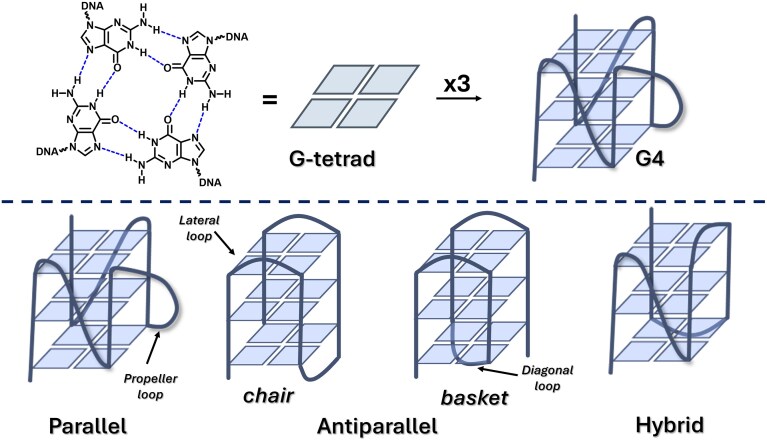 Figure 1
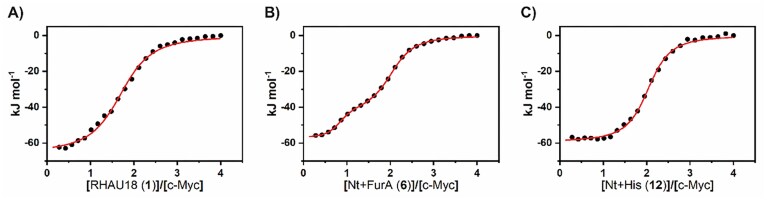 Figure 10
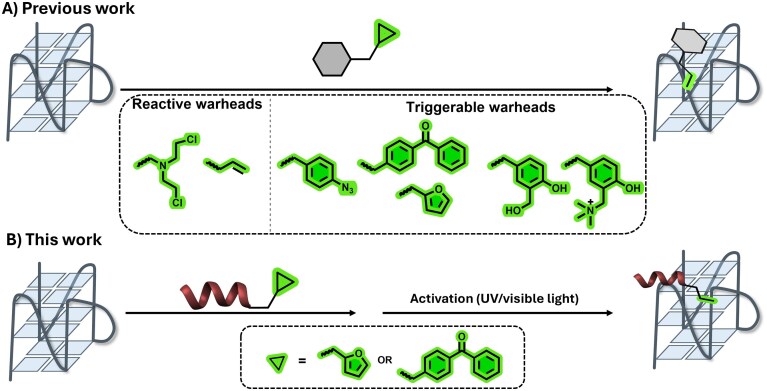 Figure 2
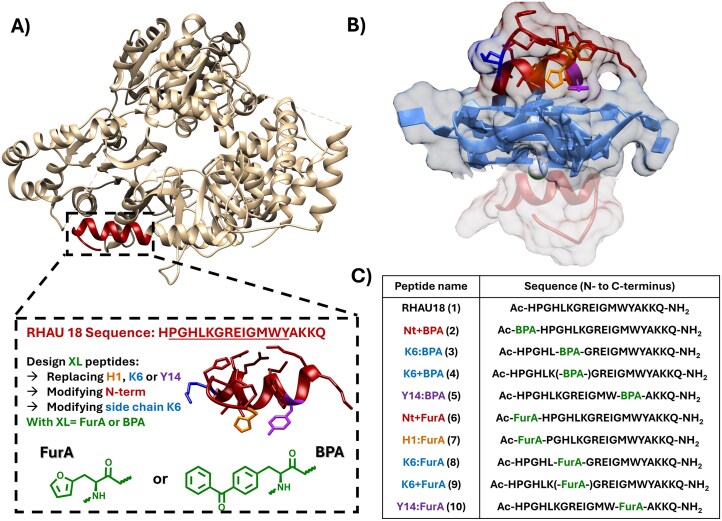 Figure 3
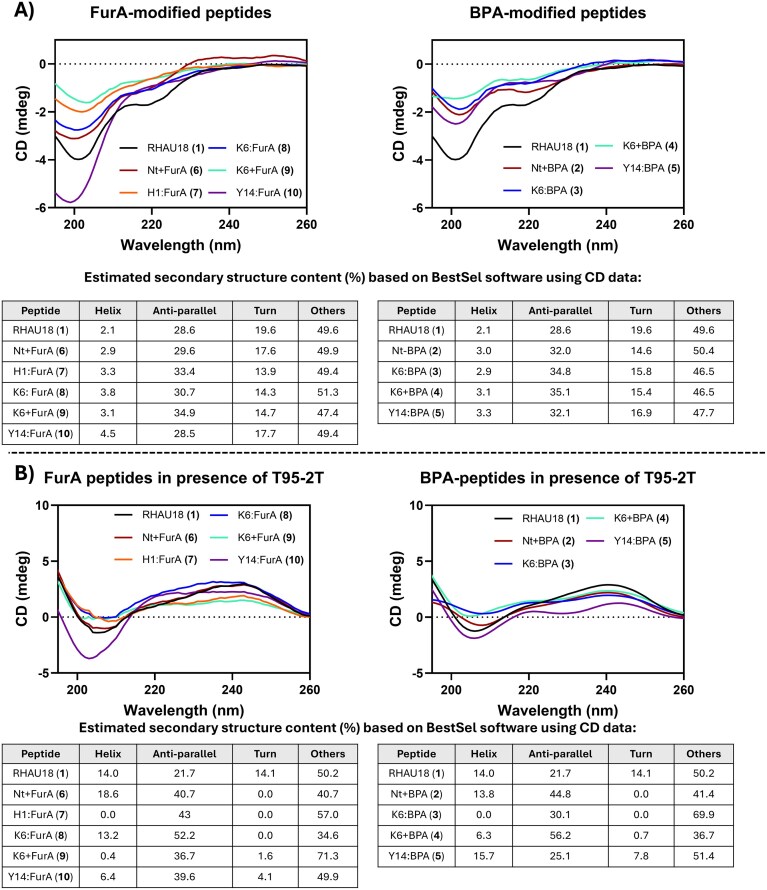 Figure 4
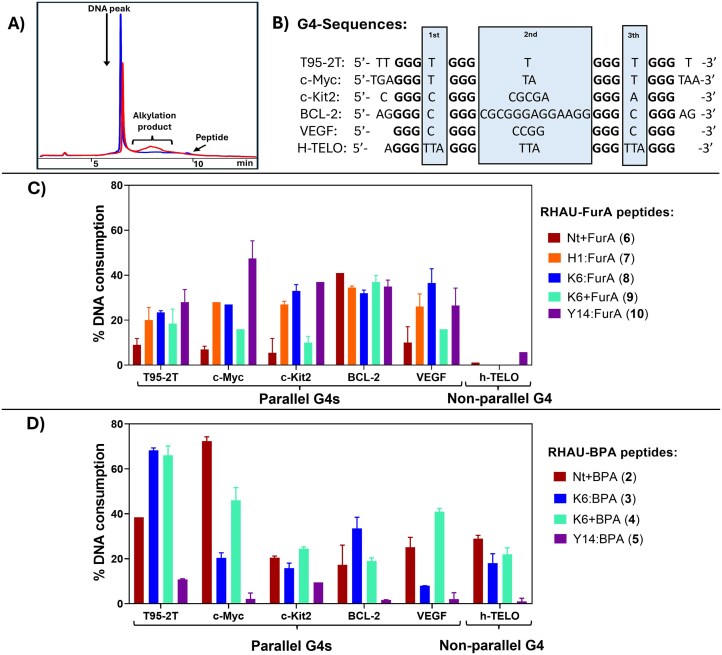 Figure 5
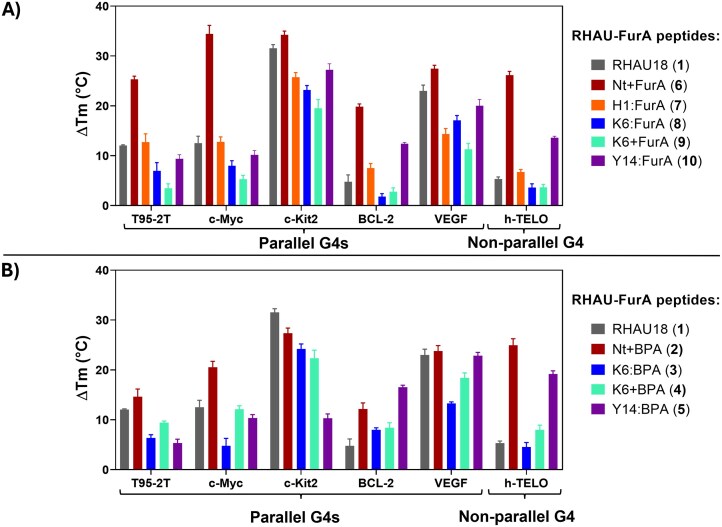 Figure 6
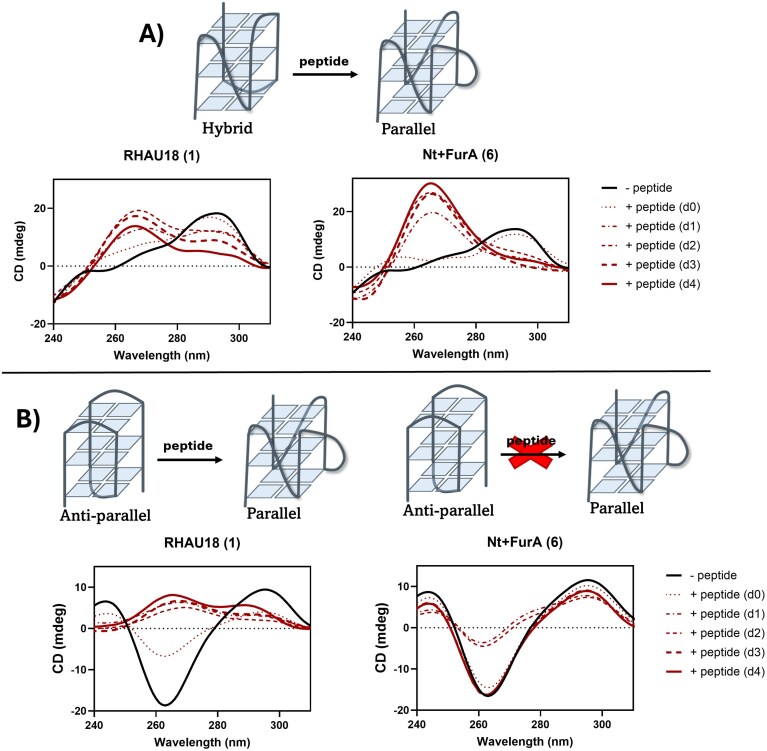 Figure 7
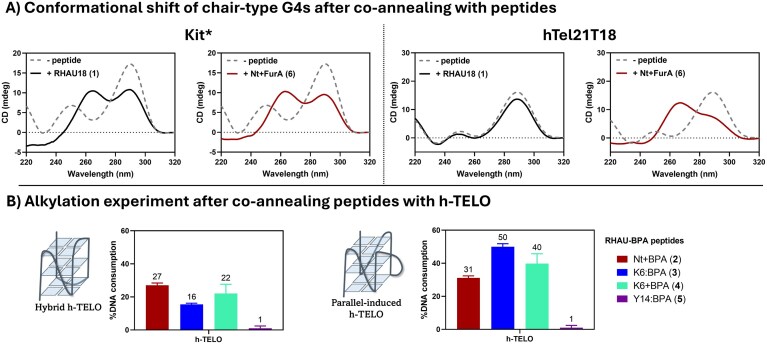 Figure 8
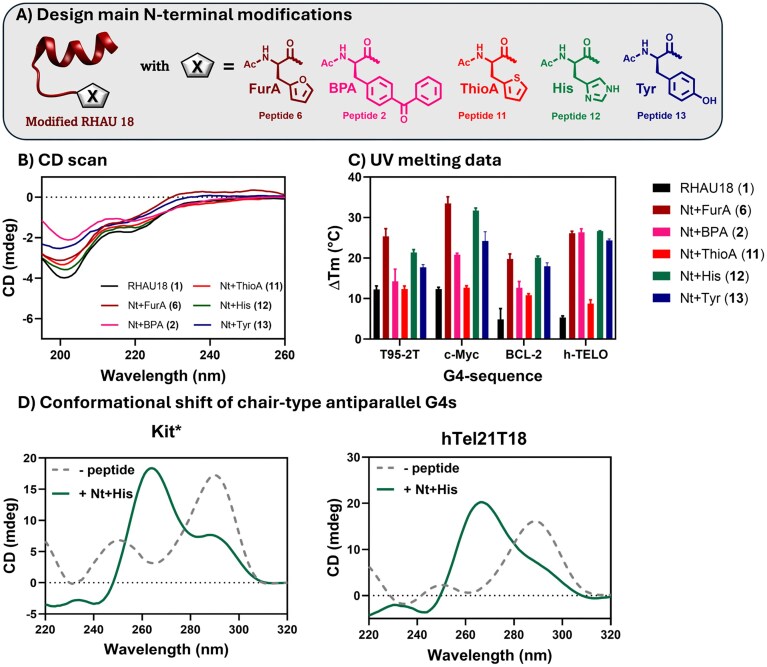 Figure 9
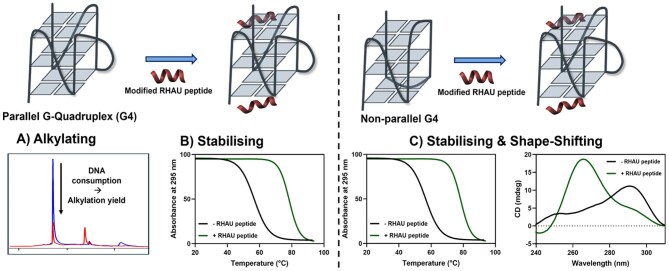 Figure 11
Peer Reviews
No public reviews on file for this paper yet. If you reviewed it on a platform where reviews are public (OpenReview, ICLR, NeurIPS, ICML), you can paste yours below so the community can read it here.
Videos
No videos yet. Explain this paper in a talk, walkthrough, or lecture? Add one.
Taxonomy
TopicsDNA and Nucleic Acid Chemistry · Photochromic and Fluorescence Chemistry · Click Chemistry and Applications