Bactericidal membrane attack complex formation initiates at the new pole of E. coli
Marije F L van ‘t Wout, Fabian Hauser, Philippa I P Holzapfel, Bart W Bardoel, Carla J C de Haas, Jaroslaw Jacak, Suzan H M Rooijakkers, Dani A C Heesterbeek

TL;DR
The study shows that the immune system's MAC pores attack E. coli at the new bacterial pole, causing damage and stopping cell division.
Contribution
The study reveals that MAC pores form preferentially at the new pole of E. coli, not randomly.
Findings
MAC pores localize at the new pole of E. coli, causing inner membrane damage.
C8 and C9 MAC components prefer the new pole, while C3b is randomly distributed.
An image analysis pipeline confirms the findings in a high-throughput manner.
Abstract
Human immune protection against bacteria critically depends on activation of the complement system. The direct bacteriolytic activity of complement molecules against Gram-negative bacteria acts via the formation of Membrane Attack Complex (MAC) pores. Bactericidal MAC pores damage the bacterial outer membrane, leading to destabilization of the inner membrane. Although it is well-established that inner membrane damage is crucial for bacterial cell death, the critical event causing MAC-mediated inner membrane damage remains elusive. Here we question whether the bacterial cell envelope possesses vulnerable spots for MAC pores to insert. By following the localization of MAC pores on E. coli over time using fluorescence microscopy, we elucidate that MAC deposition initiates at the new bacterial pole, which induces inner membrane damage and halts bacterial division. MAC components C8 and C9…
Genes, proteins, chemicals, diseases, species, mutations and cell lines named across the full text — each resolved to its canonical identifier and authoritative record.
Click any figure to enlarge with its caption.
 Figure 10
 Figure 11
 Figure 1
 Figure 2
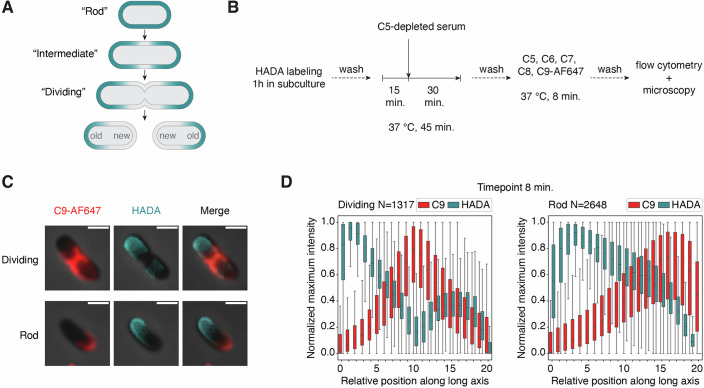 Figure 3
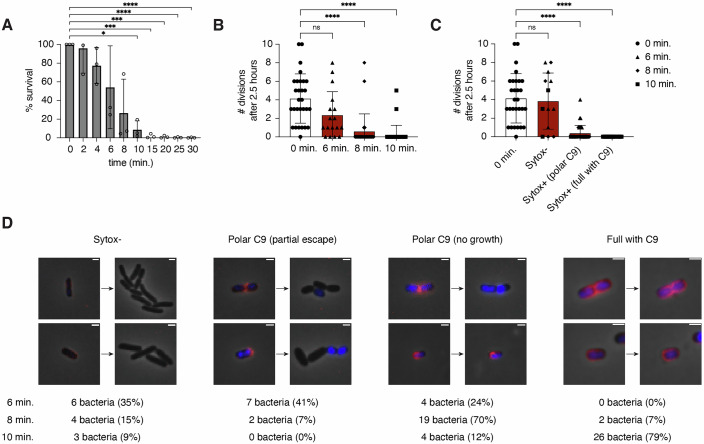 Figure 4
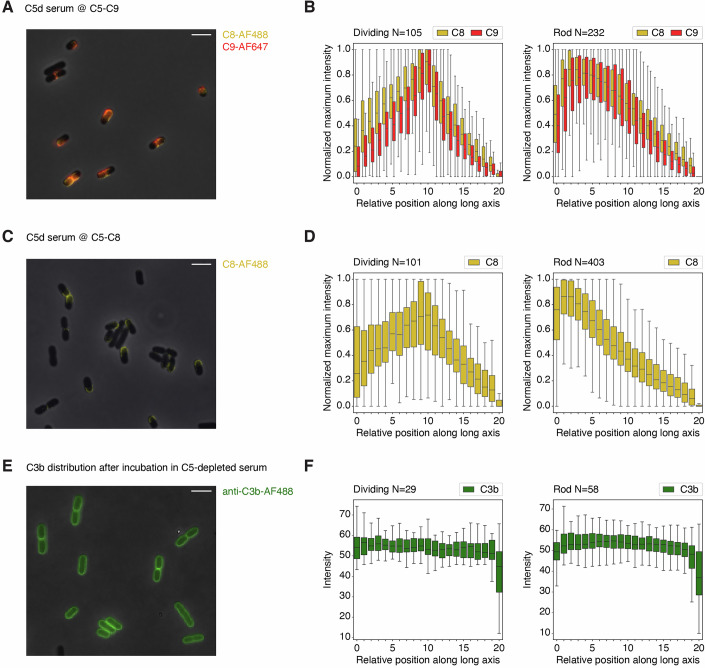 Figure 5
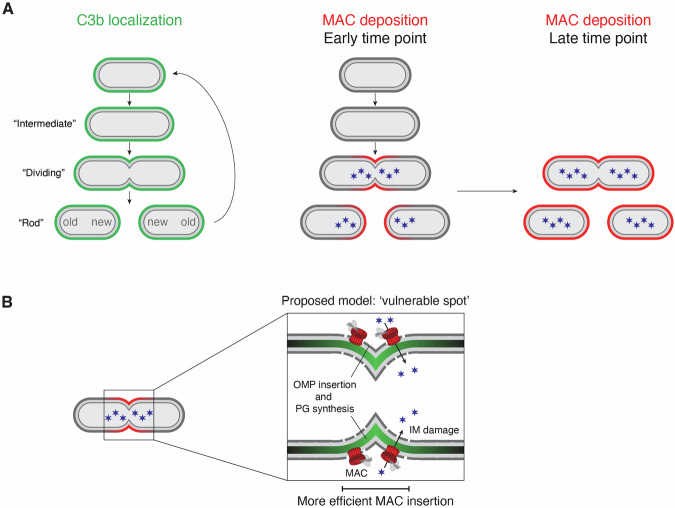 Figure 6
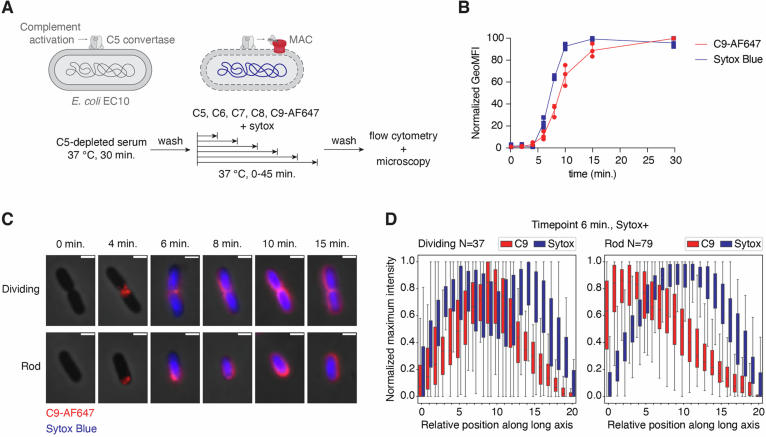 Figure 7
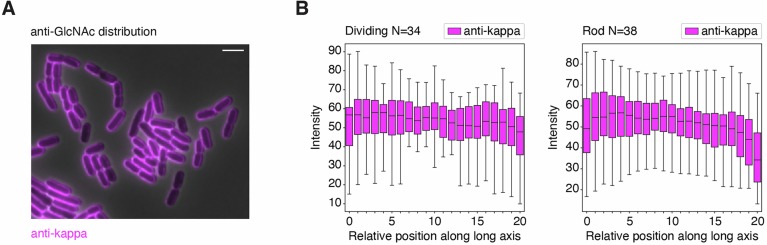 Figure 8
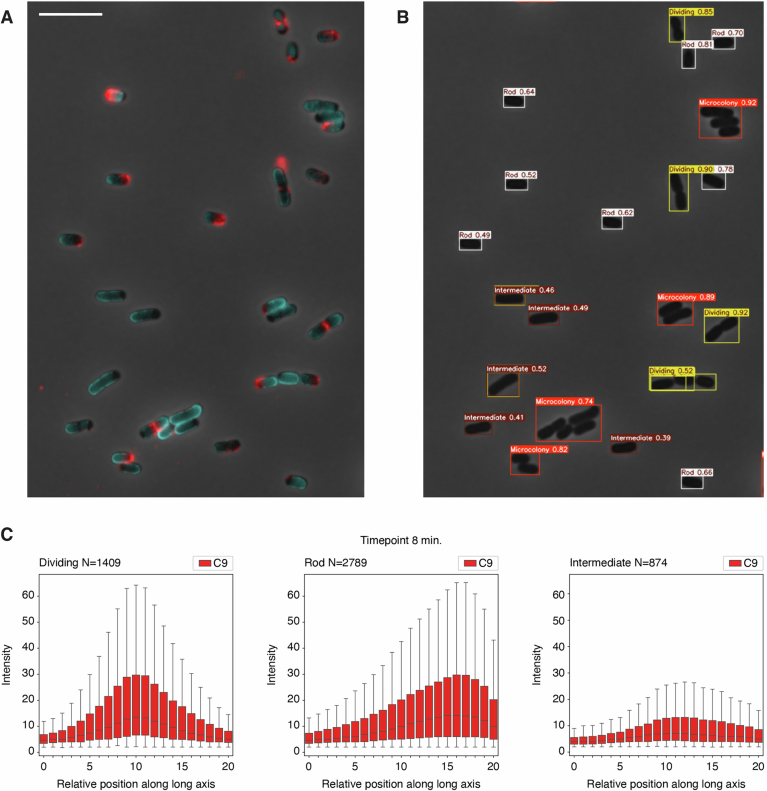 Figure 9
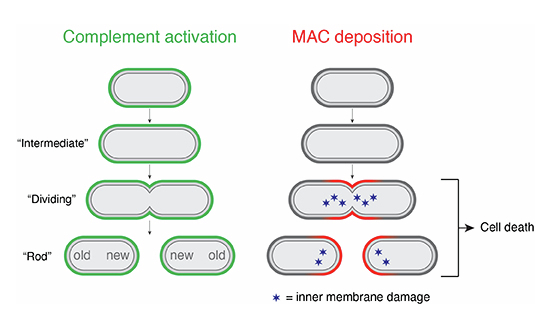 Figure 12
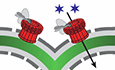 Figure 13
Peer Reviews
No public reviews on file for this paper yet. If you reviewed it on a platform where reviews are public (OpenReview, ICLR, NeurIPS, ICML), you can paste yours below so the community can read it here.
Videos
No videos yet. Explain this paper in a talk, walkthrough, or lecture? Add one.
Taxonomy
TopicsBacterial Genetics and Biotechnology · Vibrio bacteria research studies · Complement system in diseases