Sustainable design of organic solar cells utilized machine and deep learning
Ola M. Mohyeldien, Noha H. El-Amary, Ashraf Al Bardawil

TL;DR
This paper uses simulations and AI to optimize organic solar cells, improving efficiency and supporting sustainable energy goals.
Contribution
A novel combined approach of detailed simulations and AI-based predictions is introduced to optimize organic solar cell design.
Findings
PFN-Br as an ETL achieves a maximum PCE of 12.04% at 5 nm thickness.
CNN outperforms SVR in predicting PCE with high accuracy.
Optimizing layer thicknesses can lead to a simulated PCE of 19.50%.
Abstract
In this work, an Organic Solar Cell (OSC) with a structure of ITO/PEDOT: PSS/PBDB-T: IT-M/PFN-Br/Al is extensively simulated and optimized. The impact of layer thicknesses and materials on device performance is simulated using a one-dimensional solar cell simulator (SCAPS-1D). The simulation model is first validated using experimental data, and it shows a high degree of alignment. Among the various Electron Transport Layers (ETLs) that are investigated, PFN-Br has the highest Power Conversion Efficiency (PCE) of 12.04%. The PFN-Br thickness is shown to be most effective at 5 nm. A simulated PCE of 19.50% results from the active layer reaching its optimum efficiency at 300 nm. PEDOT: PSS is the most effective Hole Transport Layer (HTL) with reliable performance at thicknesses ranging from 30 to 100 nm. Due to optical interference, the short-circuit current density…
Genes, proteins, chemicals, diseases, species, mutations and cell lines named across the full text — each resolved to its canonical identifier and authoritative record.
Click any figure to enlarge with its caption.
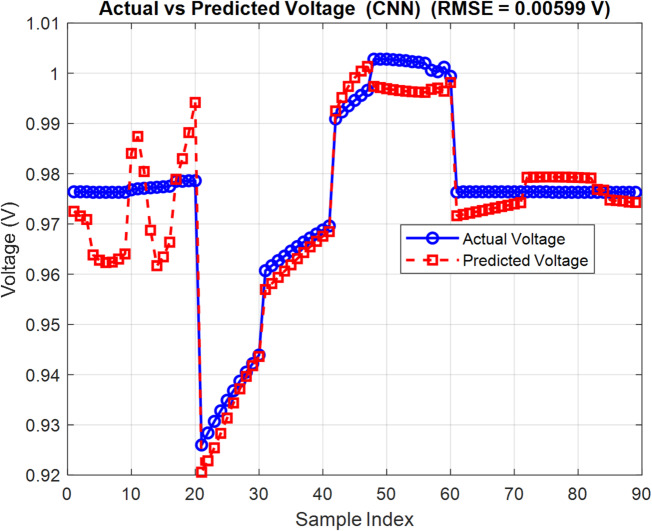 Figure 10
 Figure 11
 Figure 12
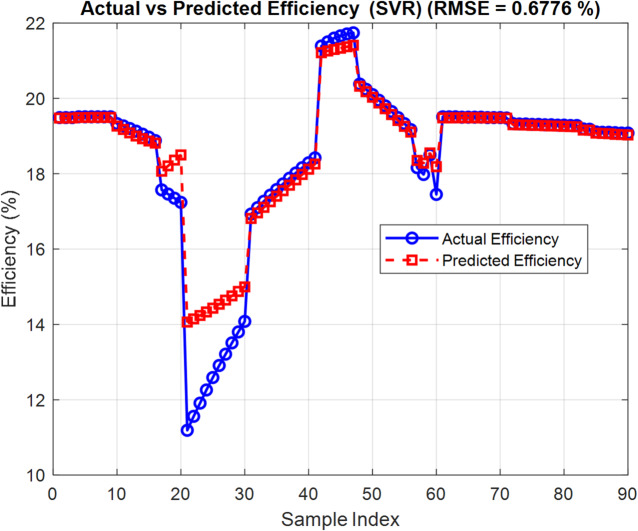 Figure 13
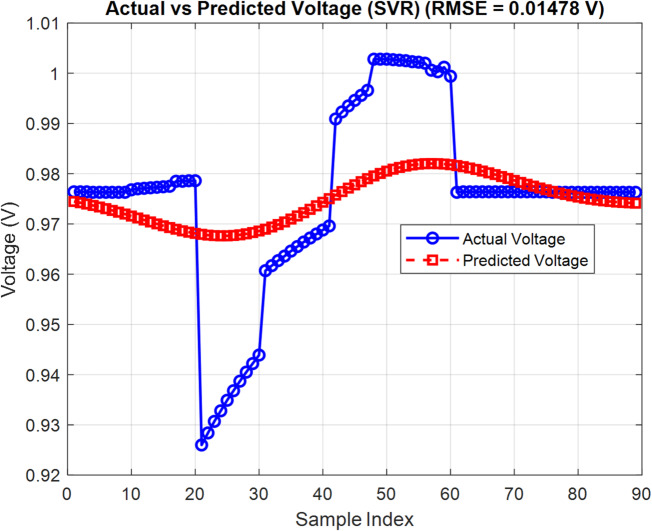 Figure 14
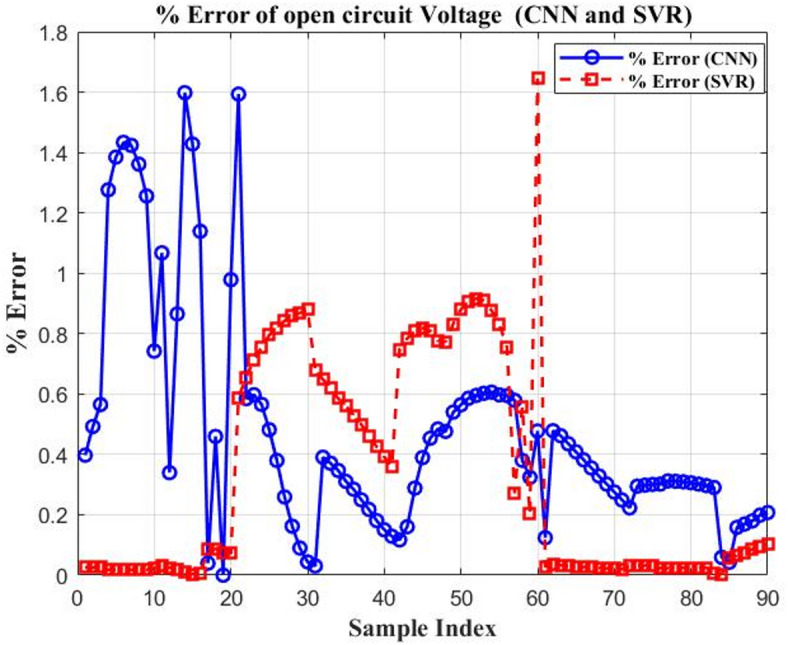 Figure 15
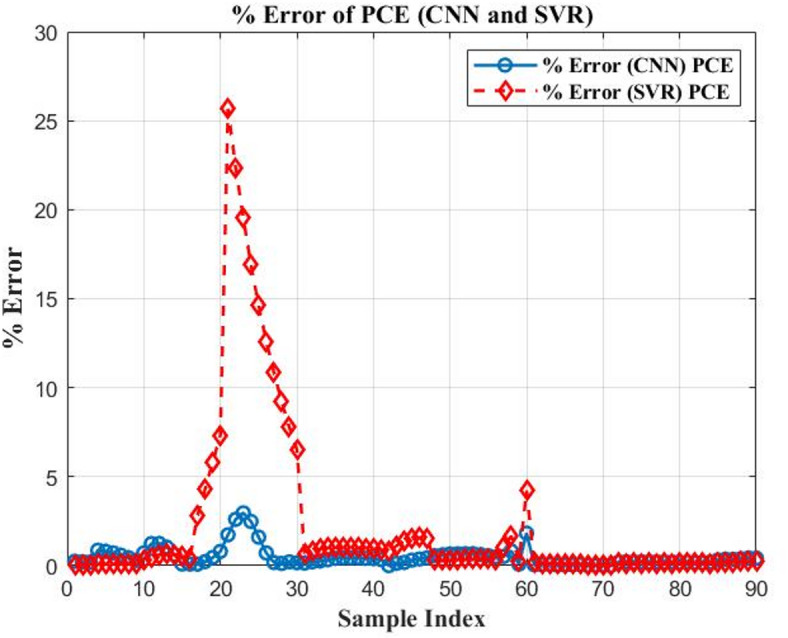 Figure 16
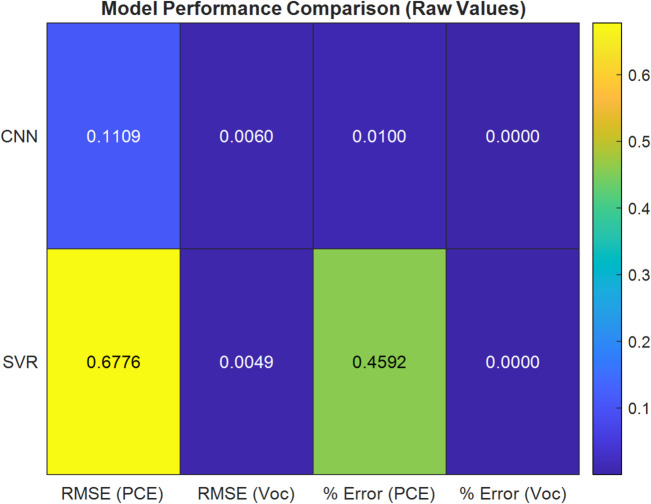 Figure 17
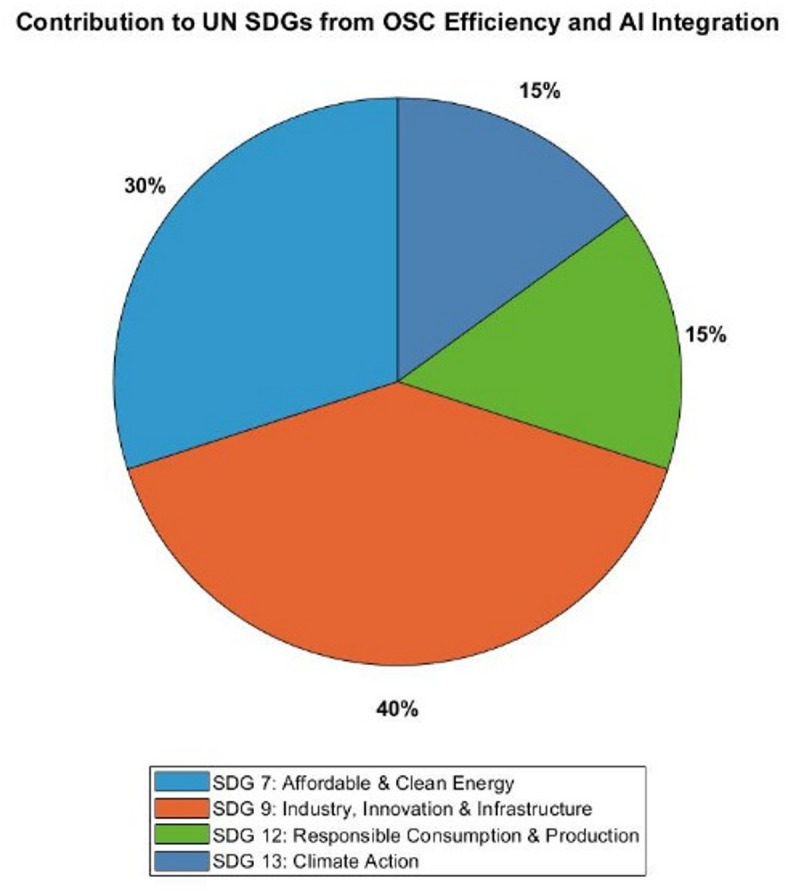 Figure 18
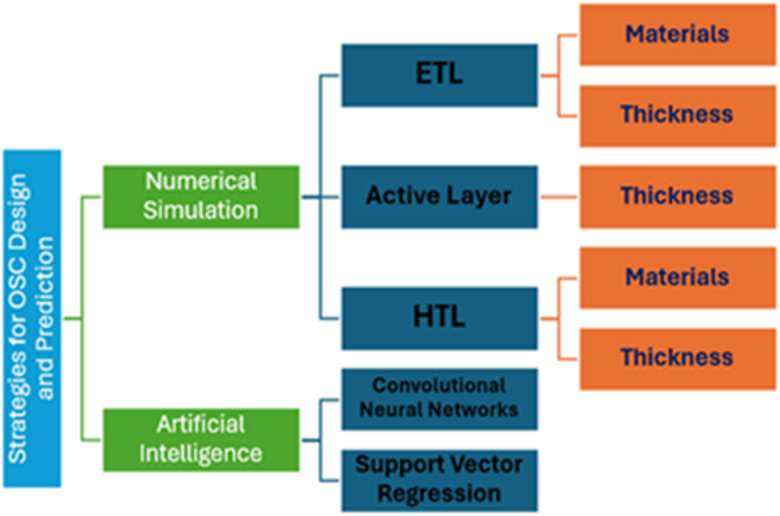 Figure 1
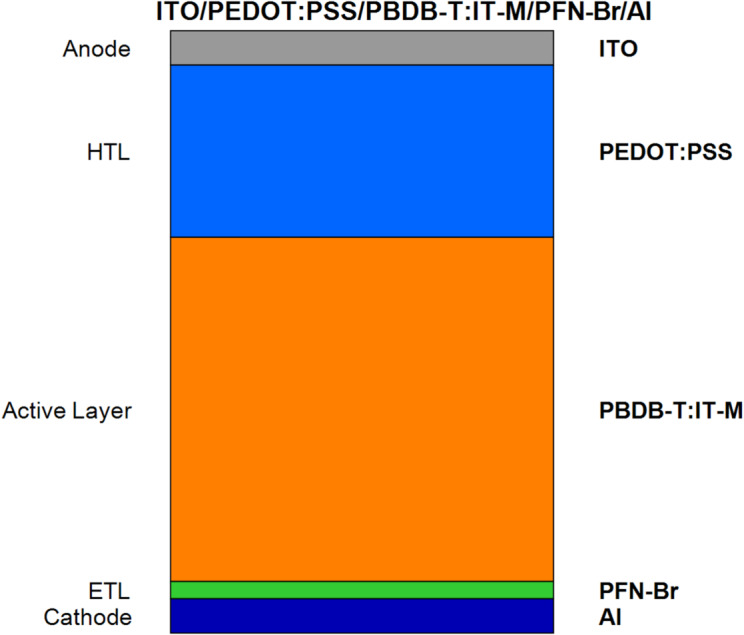 Figure 2
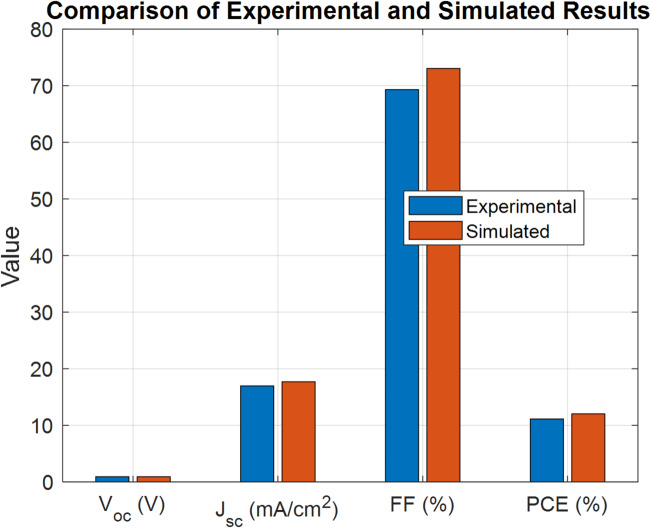 Figure 3
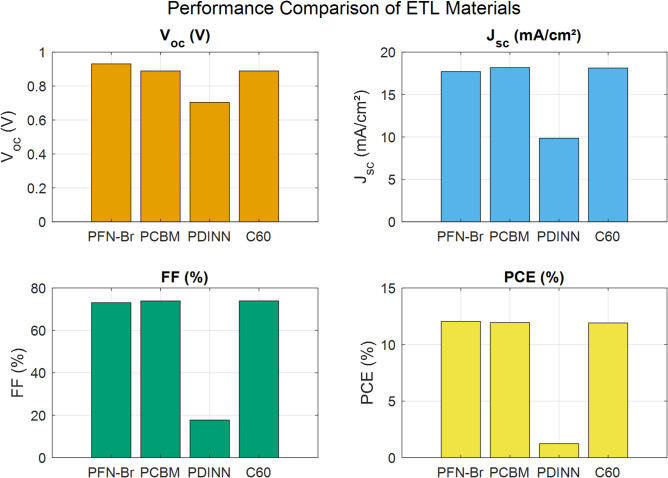 Figure 4
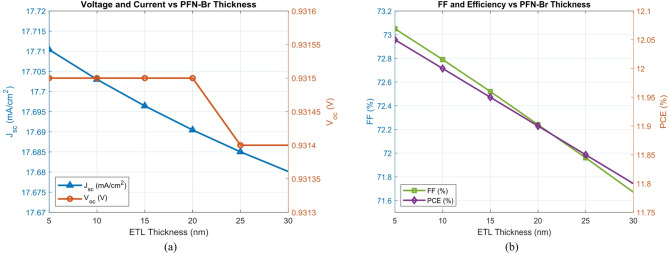 Figure 5
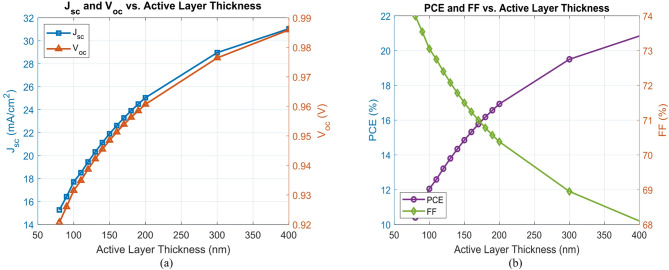 Figure 6
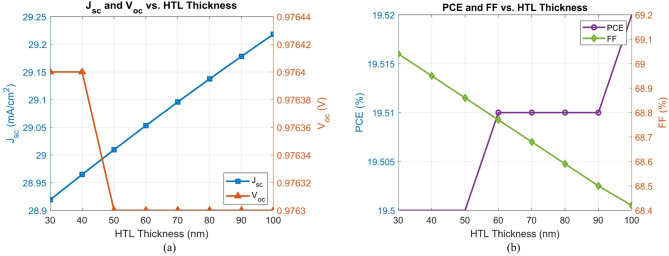 Figure 7
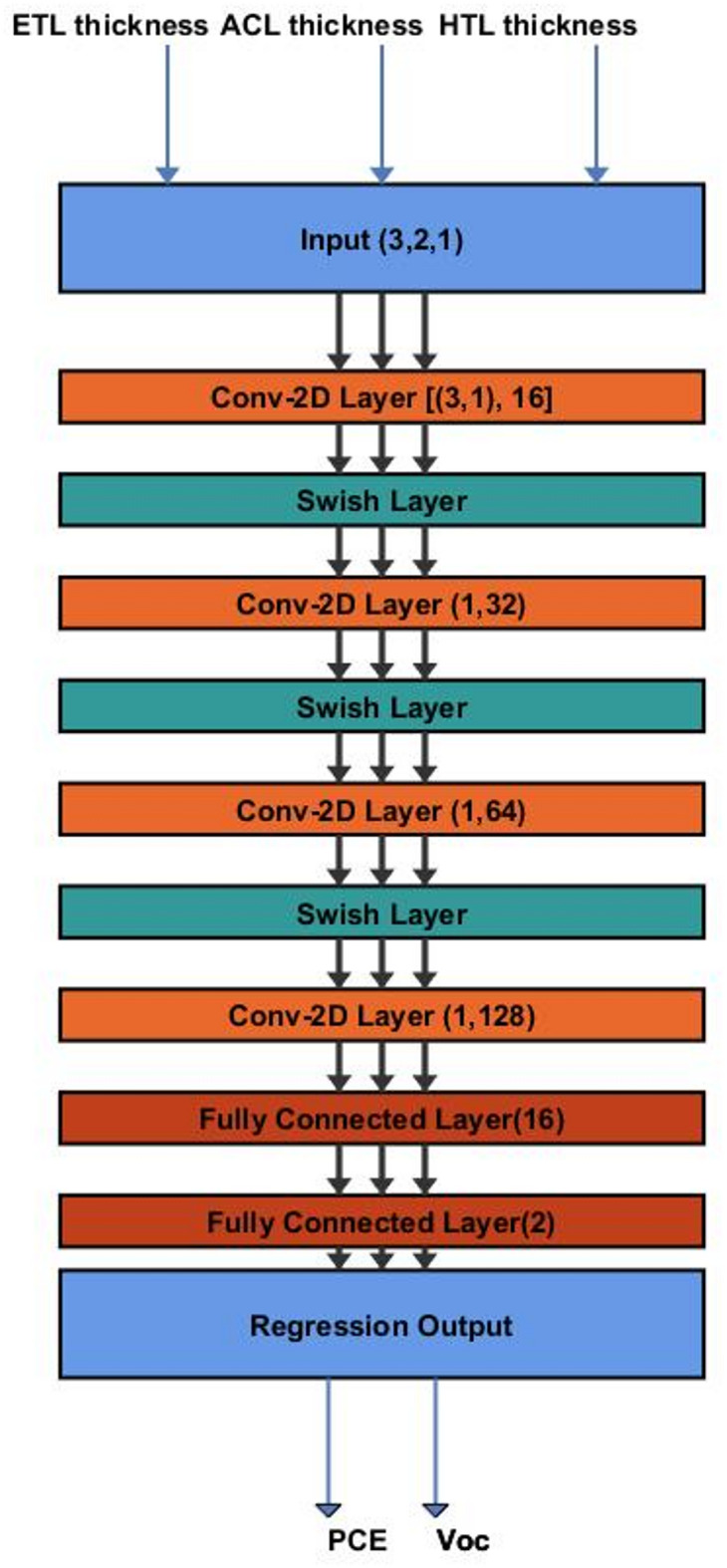 Figure 8
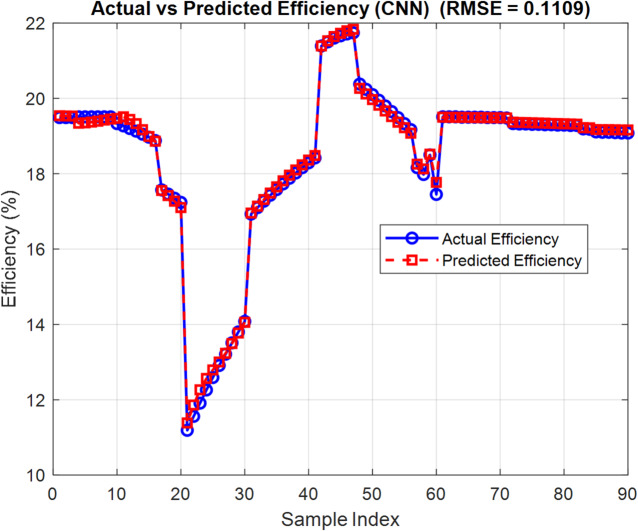 Figure 9
Peer Reviews
No public reviews on file for this paper yet. If you reviewed it on a platform where reviews are public (OpenReview, ICLR, NeurIPS, ICML), you can paste yours below so the community can read it here.
Videos
No videos yet. Explain this paper in a talk, walkthrough, or lecture? Add one.
Taxonomy
TopicsMachine Learning in Materials Science · Organic Electronics and Photovoltaics · Nanowire Synthesis and Applications