Synergistic impact of mesoporous Zn/Al-LDH nanorods for developing dielectric and thermal properties of epoxy as insulation in GIS/GIL
M. Ramadan, Mahmoud Ezzat, Mousa. A. Abd-Allah, S. M. A. El-Gamal, Abdelrahman Said

TL;DR
This paper explores how adding Zn/Al-LDH nanorods improves epoxy's performance as insulation in high-voltage systems like GIS/GIL.
Contribution
The study introduces Zn/Al-LDH nanorods as a novel functional filler to enhance epoxy's dielectric and thermal properties.
Findings
Zn/Al-LDH nanorods increased epoxy's breakdown strength by 24% at 5 wt% loading.
Thermal stability improved with a 3°C increase in glass transition temperature at 5 wt%.
Dielectric loss and DC conductivity were significantly reduced with optimal filler loading.
Abstract
Gas-insulated switchgear (GIS) and transmission lines (GIL) depend on epoxy spacers to ensure electrical reliability under high-voltage stress. Yet, the limited dielectric strength and thermal tolerance of neat epoxy constrain its long-term applicability. This work investigates Zn/Al layered double hydroxide (LDH) nanoparticles as functional fillers for epoxy insulation. The nanofillers were synthesized by co-precipitation, surface-functionalized for improved compatibility, and incorporated into epoxy at loadings of 1–7 wt%. Structural, thermal, dielectric, and breakdown properties were systematically assessed. The Zn/Al-LDH exhibited a mesoporous nanostructure with high surface area (~ 98.9 m2/g) and uniform dispersion in the matrix, increasing epoxy structural ordering from 21.1% to 28.9%. Thermal stability improved as the char yield rose from 14% (neat epoxy) to 17.1% at 5 wt%, while…
Genes, proteins, chemicals, diseases, species, mutations and cell lines named across the full text — each resolved to its canonical identifier and authoritative record.
Click any figure to enlarge with its caption.
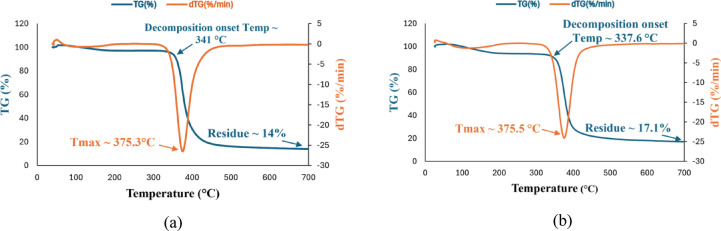 Figure 10
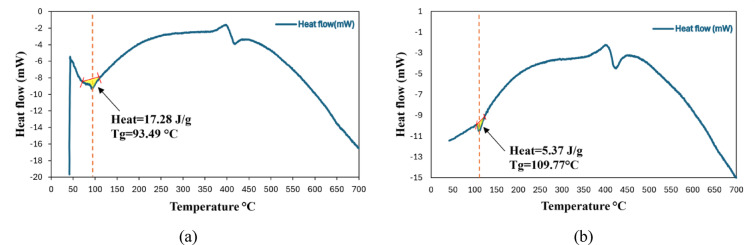 Figure 11
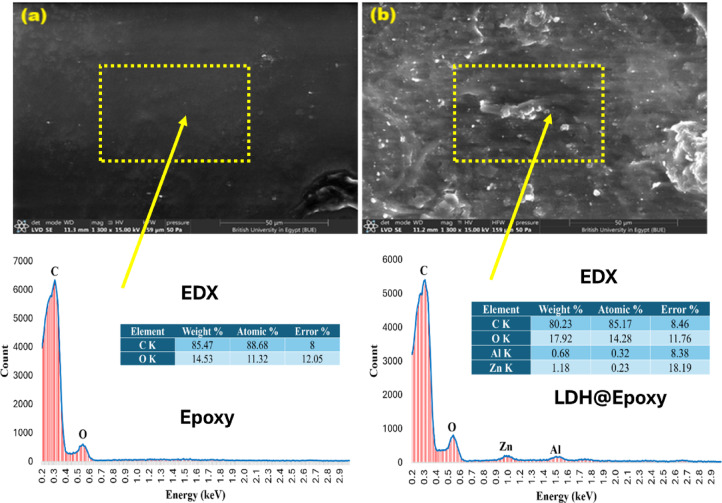 Figure 12
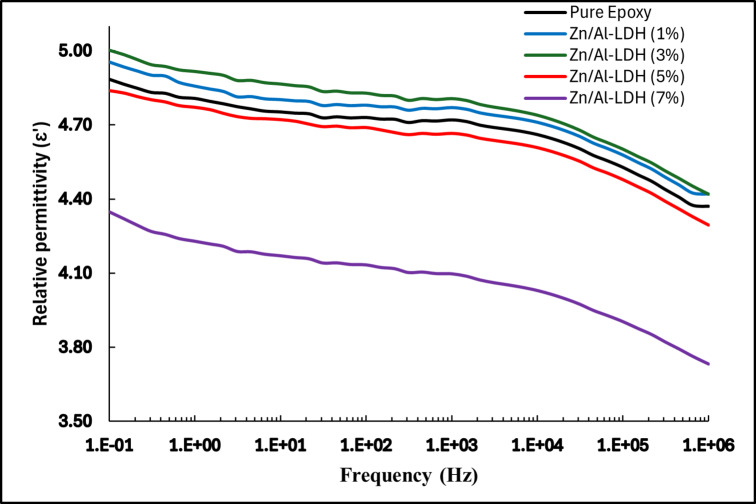 Figure 13
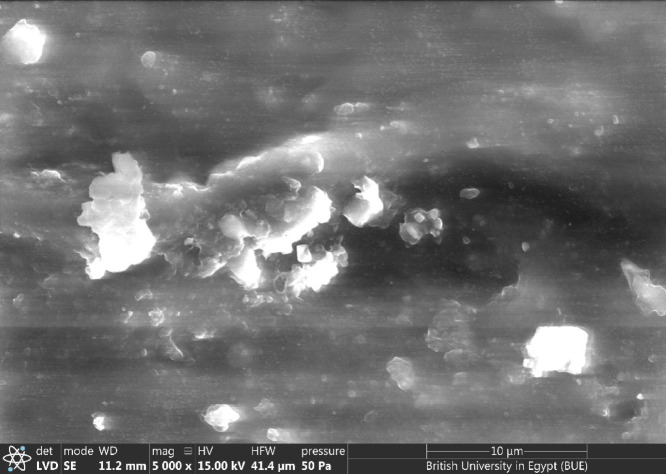 Figure 14
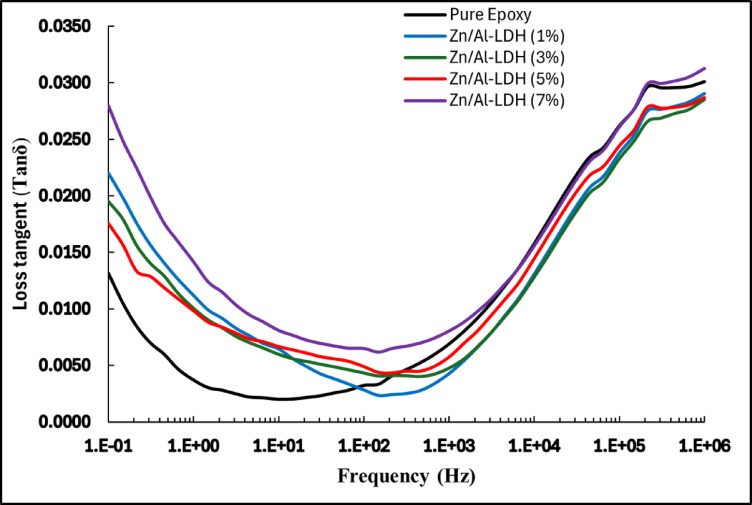 Figure 15
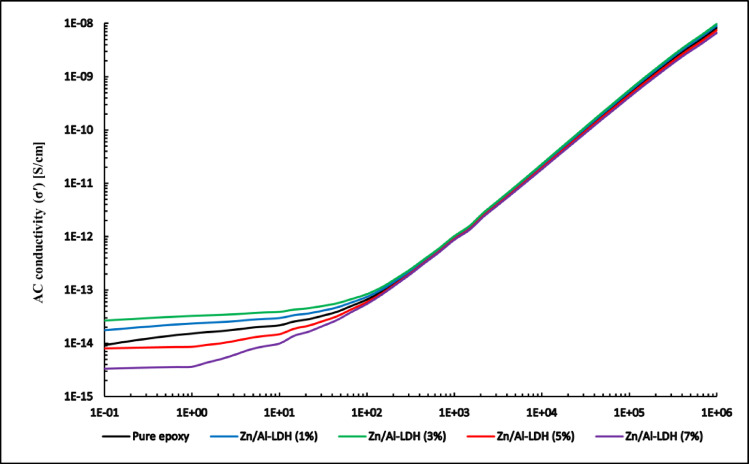 Figure 16
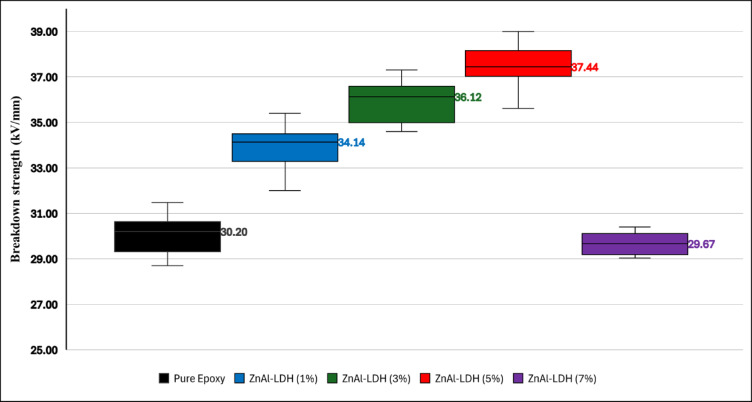 Figure 17
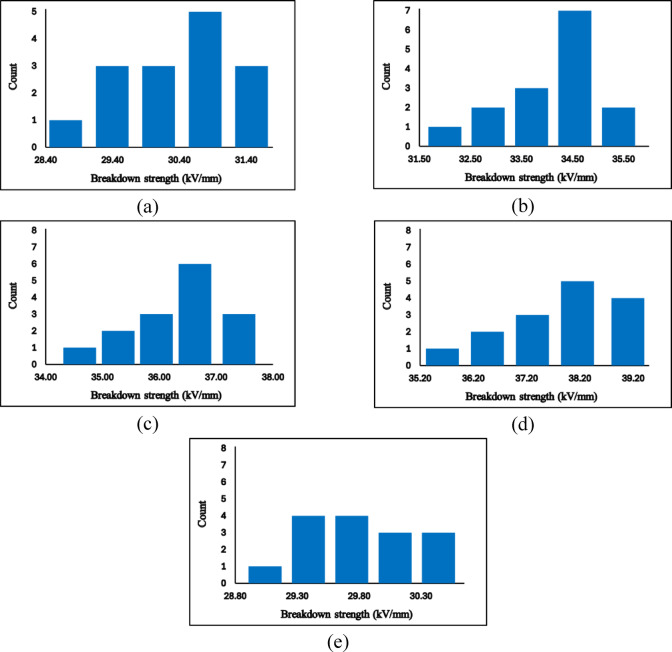 Figure 18
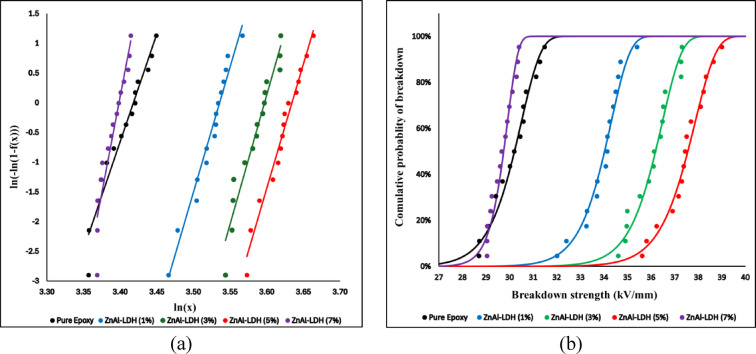 Figure 19
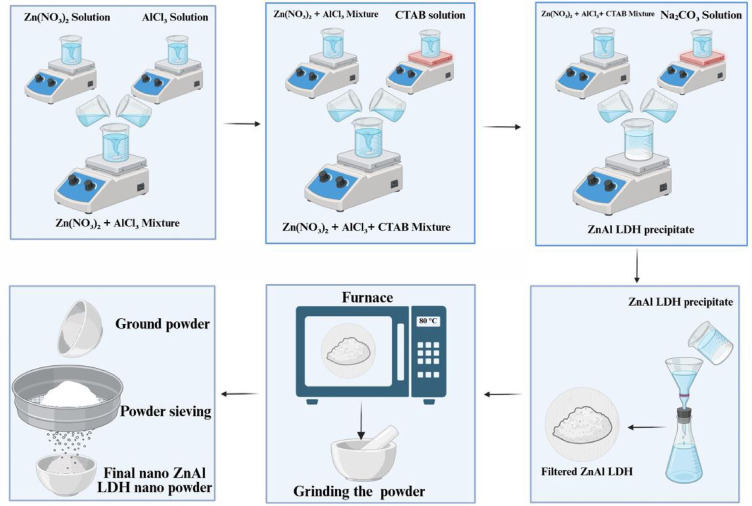 Figure 1
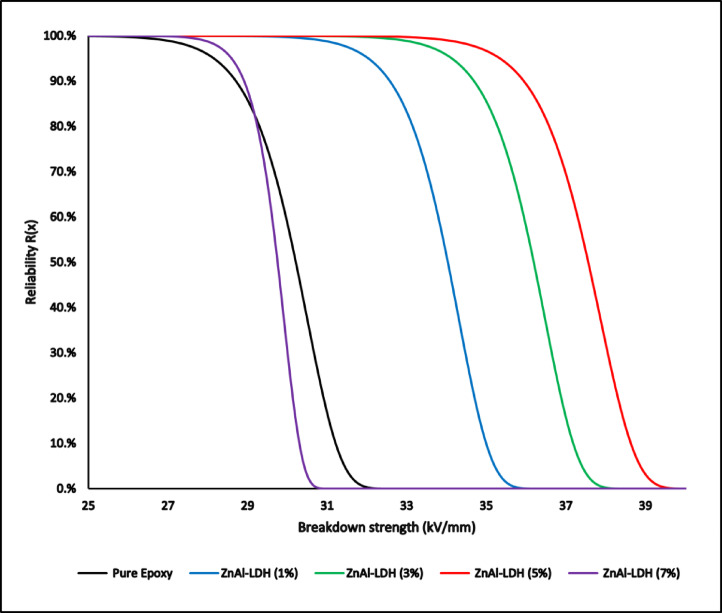 Figure 20
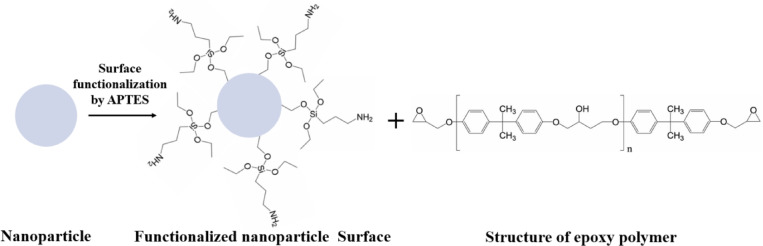 Figure 2
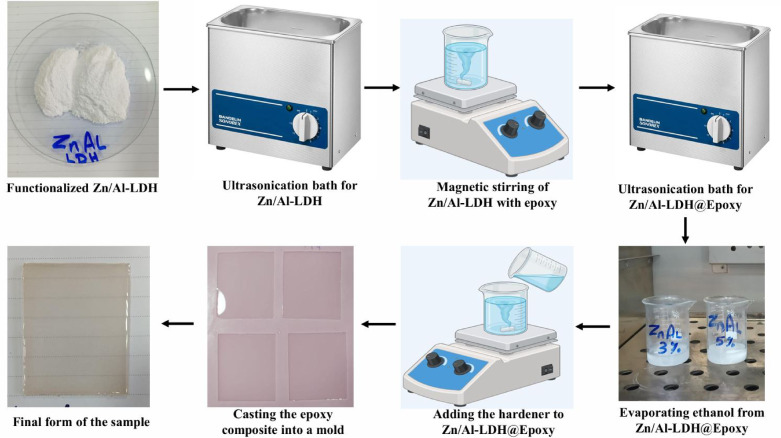 Figure 3
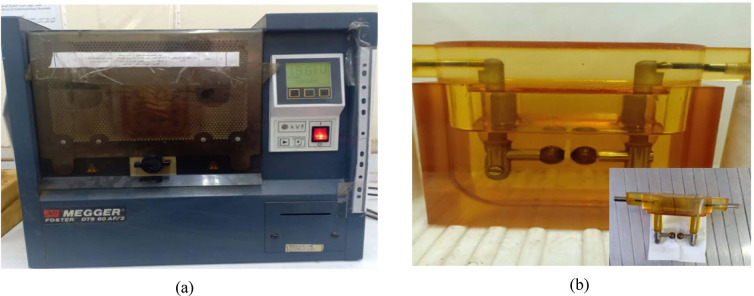 Figure 4
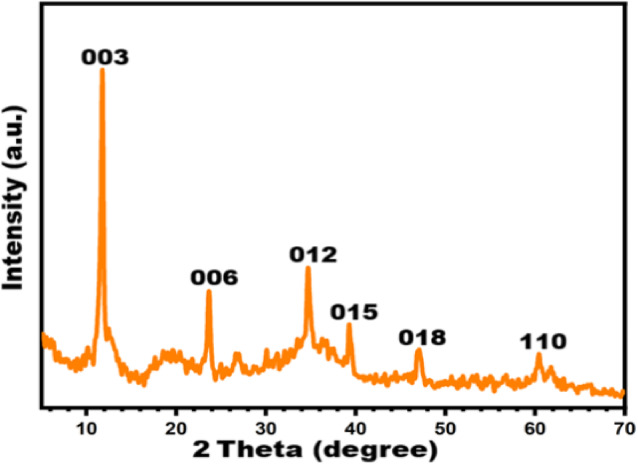 Figure 5
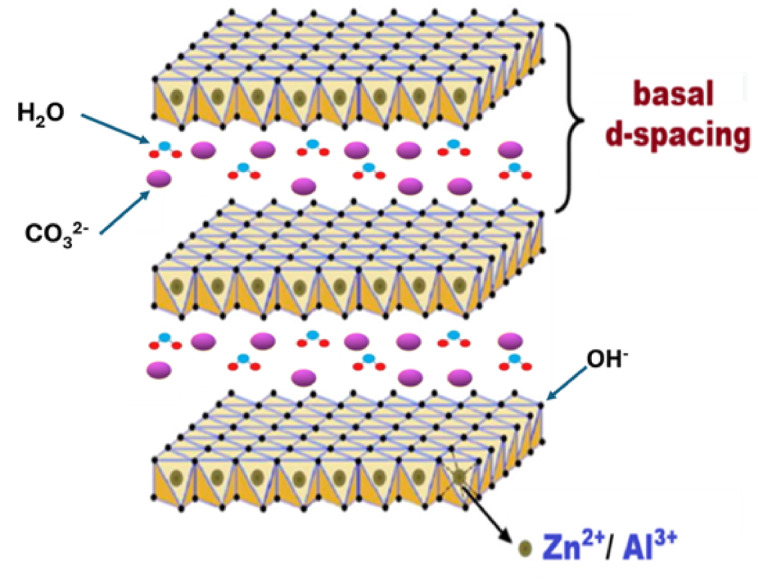 Figure 6
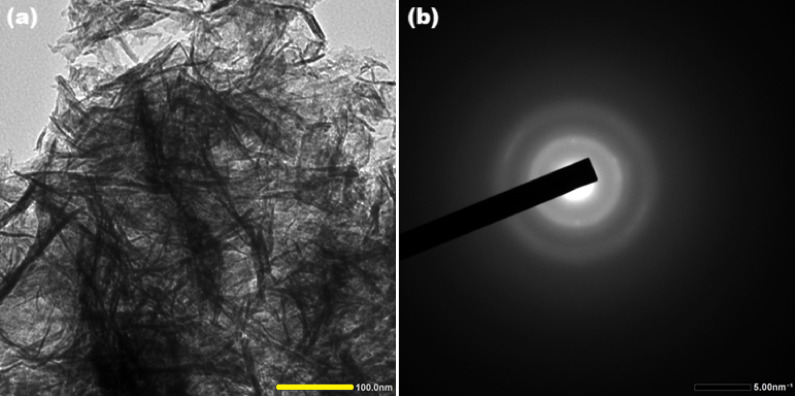 Figure 7
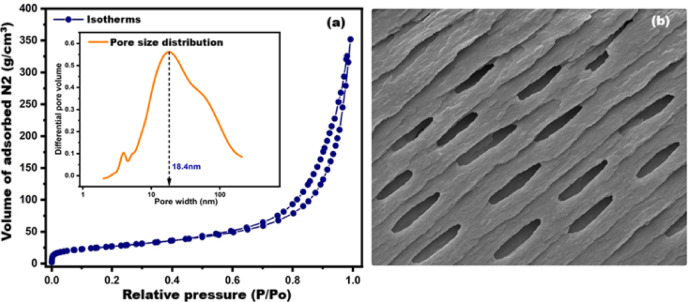 Figure 8
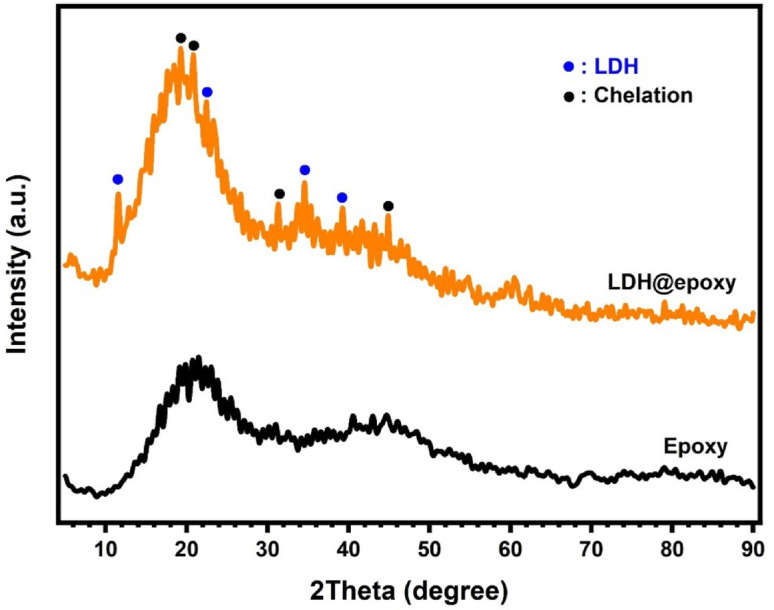 Figure 9
Peer Reviews
No public reviews on file for this paper yet. If you reviewed it on a platform where reviews are public (OpenReview, ICLR, NeurIPS, ICML), you can paste yours below so the community can read it here.
Videos
No videos yet. Explain this paper in a talk, walkthrough, or lecture? Add one.
Taxonomy
TopicsHigh voltage insulation and dielectric phenomena · Dielectric materials and actuators · Power Transformer Diagnostics and Insulation