Effect of mesh sizes on the vibrational and acoustic properties of stainless-steel wire mesh/glass fiber reinforced hybrid composite laminates
Juveriya Sayyed, Aashish Ramprasad, Yogeesha Pai

TL;DR
This study shows how different mesh sizes in hybrid composite materials affect their stiffness, vibration damping, and noise reduction capabilities.
Contribution
The paper introduces a systematic evaluation of mesh size effects on both vibrational and acoustic properties of hybrid composites.
Findings
Mesh 40 (0.361 mm opening) showed the highest stiffness and natural frequency, making it suitable for stiffness-critical applications.
Finer meshes (80 and 120) improved damping ratios by up to 450% due to reduced stiffness and increased interfacial friction.
Mesh 120 provided better low-frequency noise reduction (9.24 dB mean) while mesh 40 excelled at high frequencies (15.85 dB mean).
Abstract
This research examines how stainless-steel wire mesh (SSWM) openings (10, 20, 40, 80, 120 openings per inch) impact the vibrational and acoustic behavior of glass fiber-reinforced polymer (GFRP) hybrid composite laminates. Laminates (300 mm × 300 mm) were prepared by compression molding with a [GF0°/GF0°/GF0°/SSWM0°/GF0°/GF0°/GF0°] stacking sequence. Vibration tests, performed according to ASTM E756-05, showed that mesh 40 had the highest natural frequency (16.38 Hz), stiffness coefficient (232.51 N/m), and storage modulus (134.22 GPa), which were promoted by optimal mesh opening size (0.361 mm) and SSWM mass (116.8 g). Finer meshes (80, 120) improved damping ratios (up to 0.17 for mesh 120, an increase of 450% over mesh 40’s 0.03) owing to decreased stiffness and greater interfacial friction. Impedance tube measurements according to ISO 10534-2 indicated mesh 120 with better…
Genes, proteins, chemicals, diseases, species, mutations and cell lines named across the full text — each resolved to its canonical identifier and authoritative record.
Click any figure to enlarge with its caption.
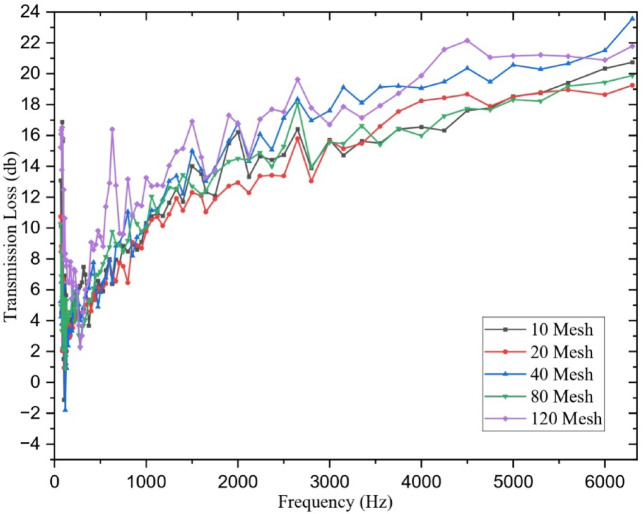 Figure 10
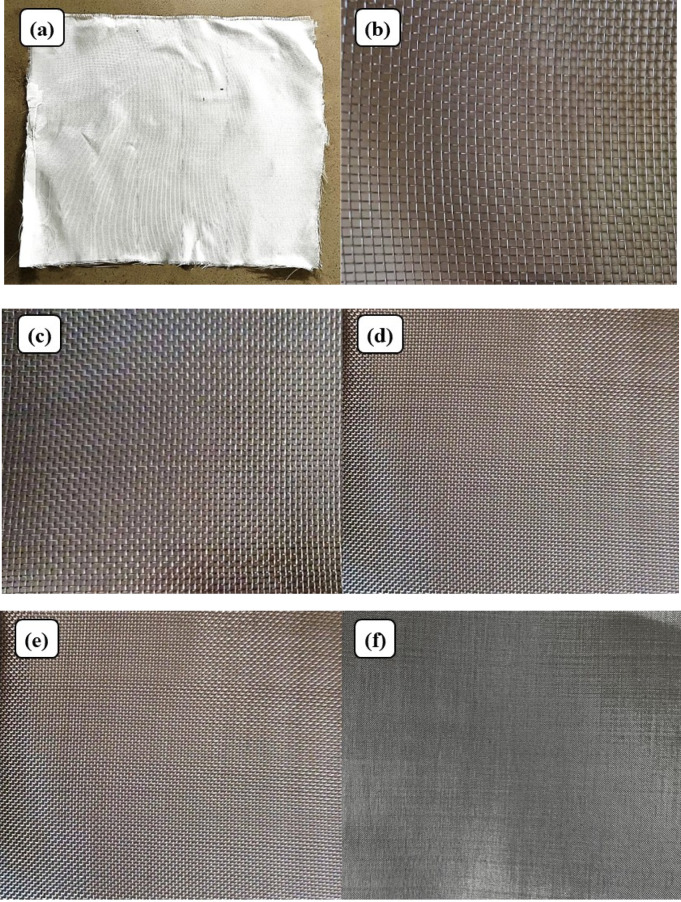 Figure 1
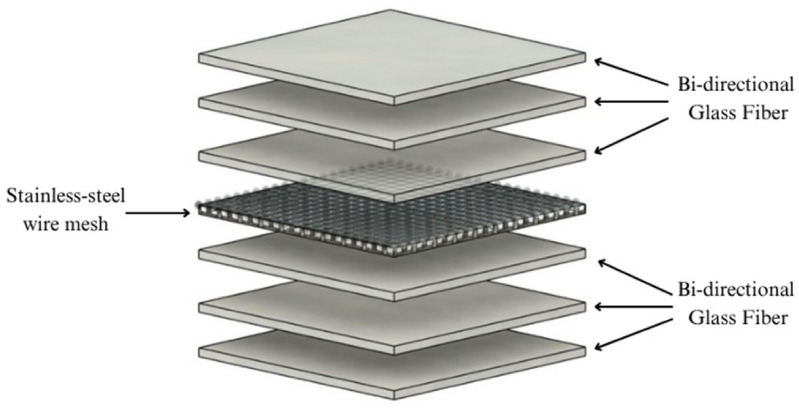 Figure 2
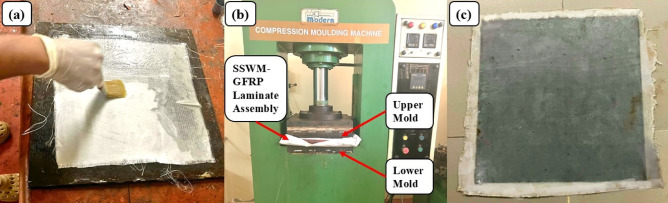 Figure 3
 Figure 4
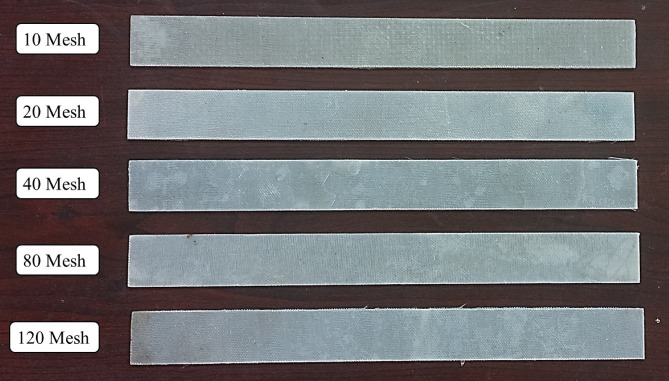 Figure 5
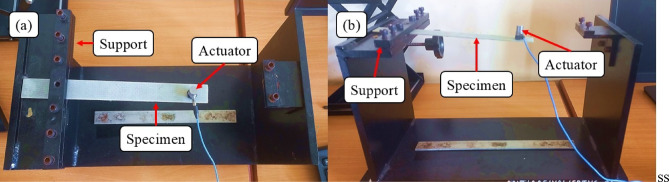 Figure 6
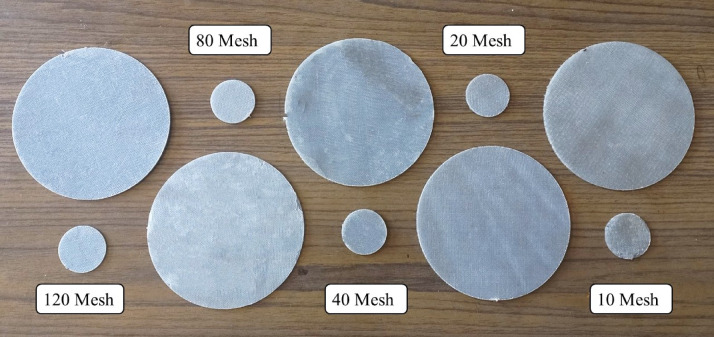 Figure 7
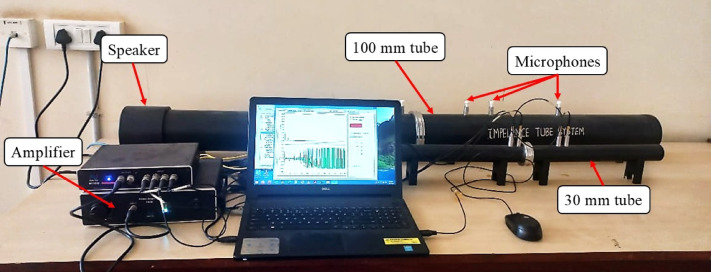 Figure 8
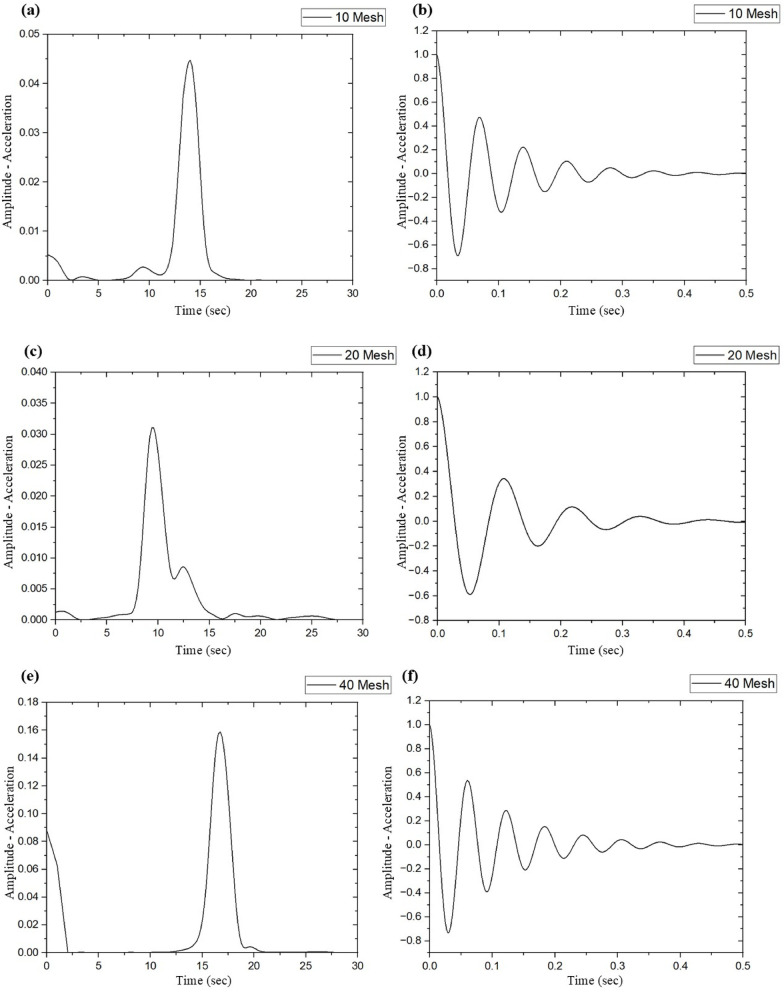 Figure 9
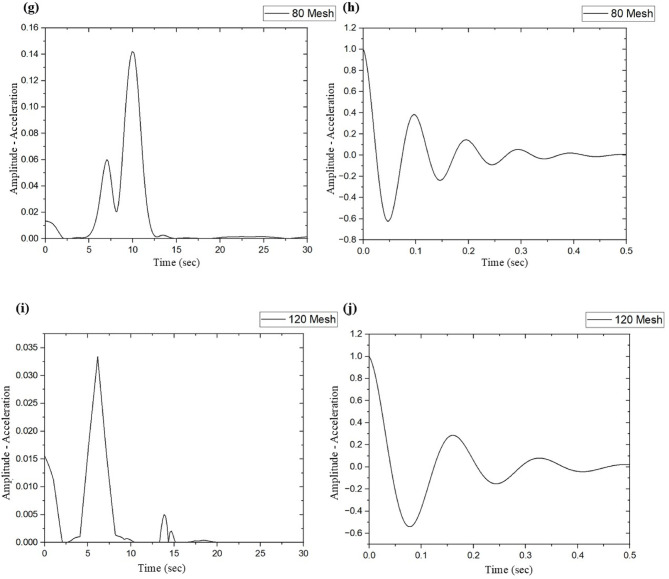 Figure 9
Peer Reviews
No public reviews on file for this paper yet. If you reviewed it on a platform where reviews are public (OpenReview, ICLR, NeurIPS, ICML), you can paste yours below so the community can read it here.
Videos
No videos yet. Explain this paper in a talk, walkthrough, or lecture? Add one.
Taxonomy
TopicsAcoustic Wave Phenomena Research · Composite Structure Analysis and Optimization · Aeroelasticity and Vibration Control