A versatile platform for sequential glyco-, phospho-, and proteomics with multi-PTMs integration
Xuefang Dong, Fangfang Xiong, Guangzhu Du, Yunfei Yang, Cheng Chen, Yun Cui, Xinlian Ding, Xiuling Li, Yidong Shen, Xinmiao Liang

TL;DR
MuPPE is a new platform that allows simultaneous analysis of multiple protein modifications from a single sample, improving research on aging and drug effects.
Contribution
MuPPE introduces a sequential multi-PTM analysis platform with enhanced reproducibility and reduced processing time.
Findings
MuPPE achieves superior reproducibility with a coefficient of variation of 12.3% compared to conventional methods.
The platform reduces processing time by 87.5%, completing analysis in 4 hours versus 32 hours.
MuPPE identifies more serum glycopeptides and brain phosphopeptides than other platforms.
Abstract
Serial multi-omic analysis of proteome, phosphoproteome, and glycoproteome is pivotal for elucidating drug mechanisms, discovering biomarkers, and identifying therapeutic targets. However, simultaneous multi-level post-translational modifications (PTMs) analysis via parallel processing is hampered by laborious, time-consuming procedures and inconsistent reproducibility. We present an integrated Multi-level PTMs-Proteomic Enrichment platform (MuPPE), enabling sequential glycoproteome, phosphoproteome, and proteome analysis from single biological samples. It combines protein aggregation capture with on-bead digestion and tandem enrichment, achieving superior reproducibility (CV 12.3% vs 17.6% conventional methods) while reducing processing time by 87.5% (4 hours vs 32 hours). MuPPE also enhances coverage, identifying more serum glycopeptides and brain phosphopeptides than other platforms.…
Genes, proteins, chemicals, diseases, species, mutations and cell lines named across the full text — each resolved to its canonical identifier and authoritative record.
Click any figure to enlarge with its caption.
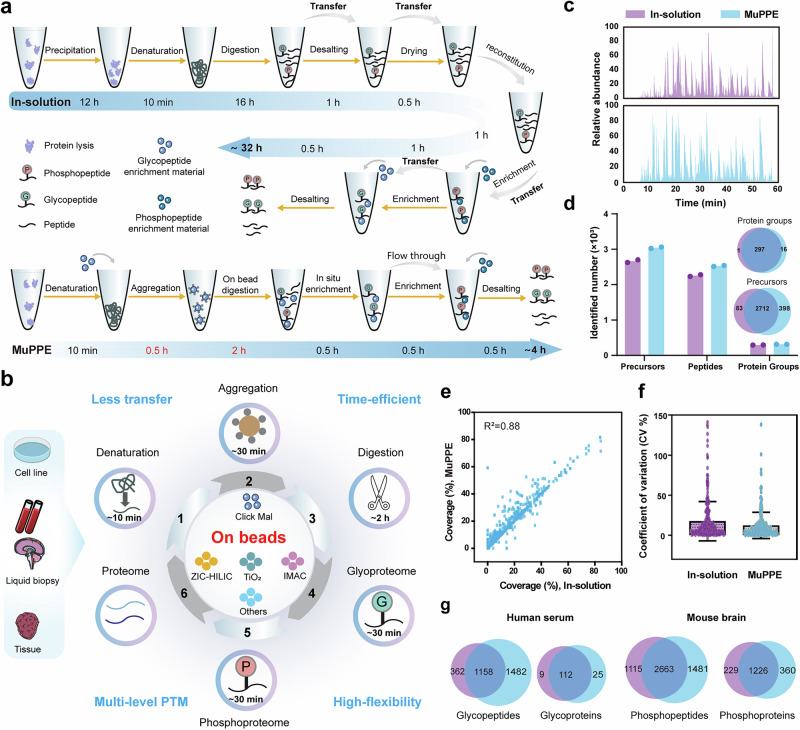 Figure 1
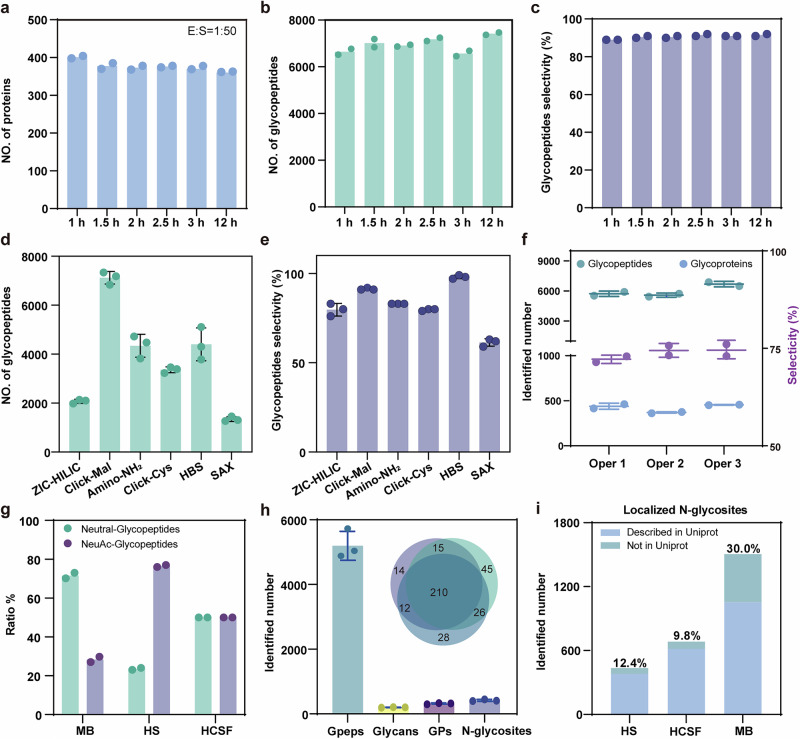 Figure 2
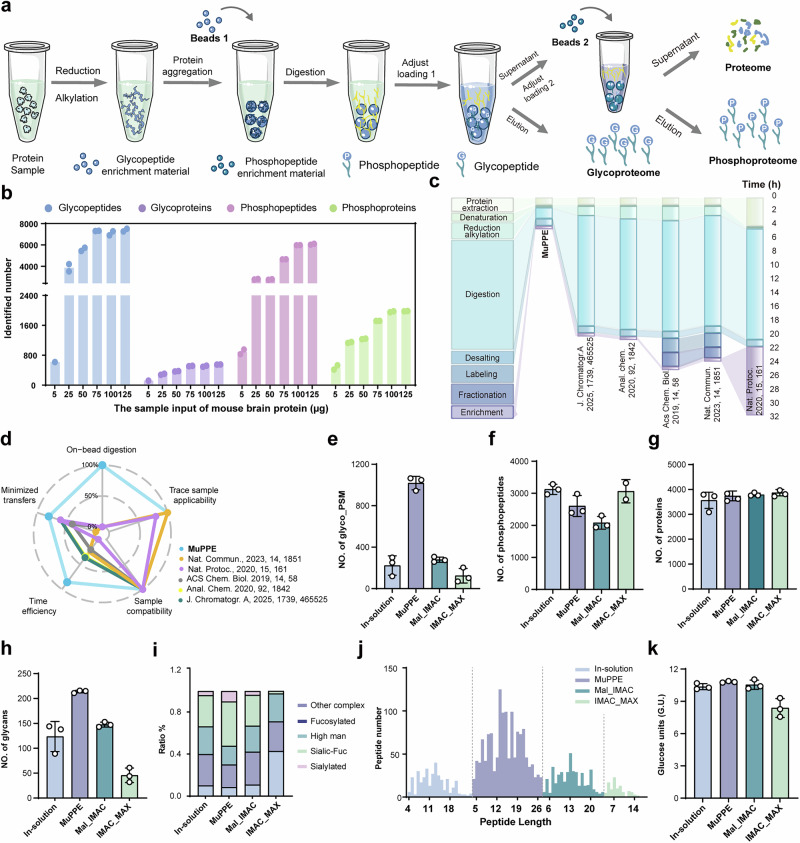 Figure 3
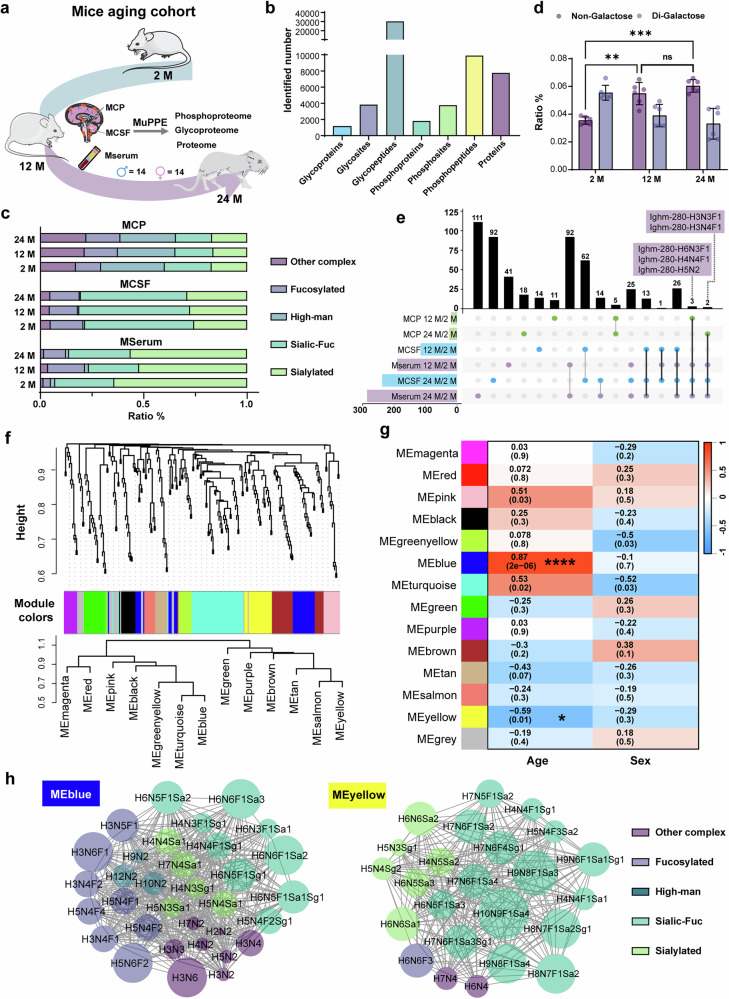 Figure 4
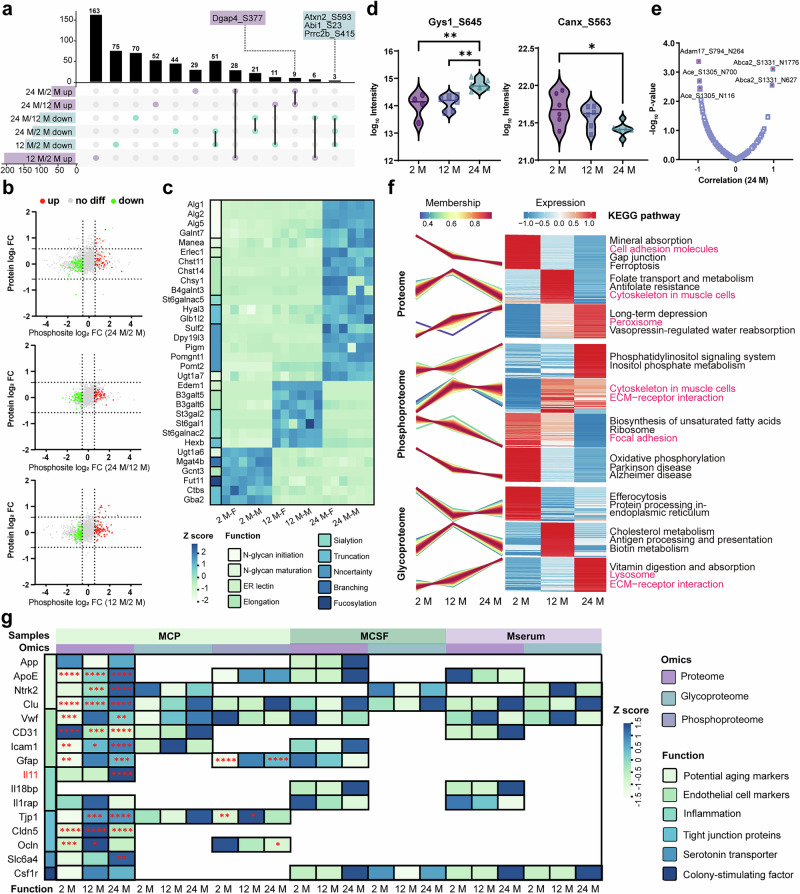 Figure 5
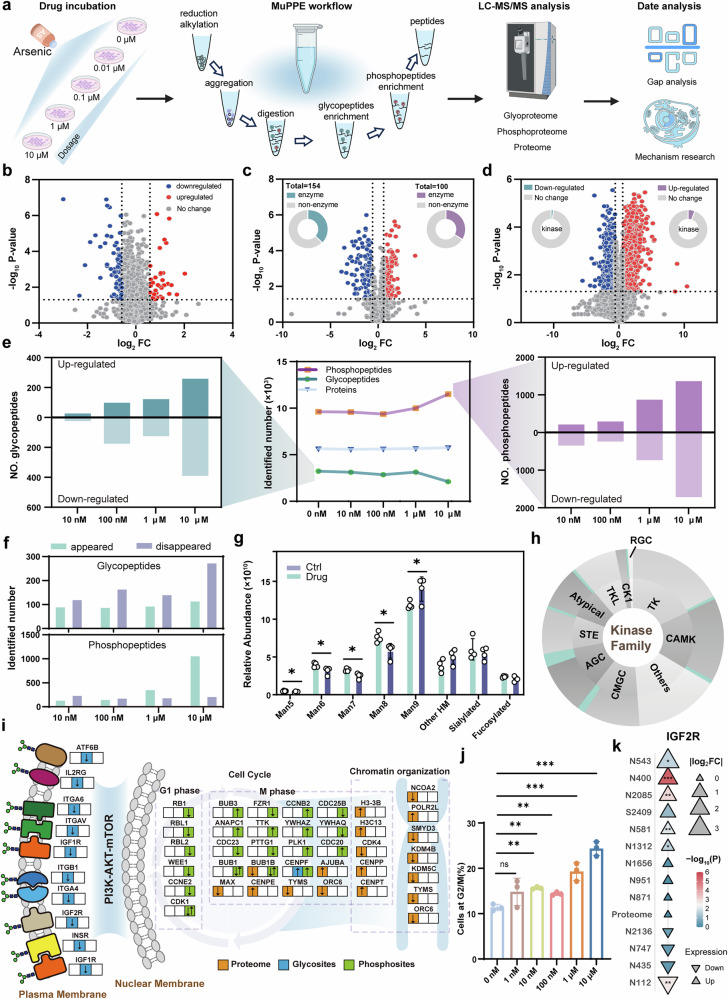 Figure 6
Peer Reviews
No public reviews on file for this paper yet. If you reviewed it on a platform where reviews are public (OpenReview, ICLR, NeurIPS, ICML), you can paste yours below so the community can read it here.
Videos
No videos yet. Explain this paper in a talk, walkthrough, or lecture? Add one.
Taxonomy
TopicsAdvanced Proteomics Techniques and Applications · Advanced Biosensing Techniques and Applications · Single-cell and spatial transcriptomics