Enhancing MRI contrast between sub-chronic myocardial infarct, remote and healthy myocardium using periodic irradiation in the rotating frames
Elias Ylä-Herttuala, Iida Räty, Ahmed Montaser, Svetlana Laidinen, Shalom Michaeli, Timo Liimatainen

TL;DR
This study shows how adjusting MRI pulse durations can enhance contrast between damaged and healthy heart tissue, offering a new way to detect heart infarction without contrast agents.
Contribution
The novel use of RAFF2 pulse duration adjustments to improve MRI contrast for myocardial infarction detection is introduced.
Findings
Changing RAFF2 pulse durations significantly increased relaxation time constants between MI and remote areas.
Fibronectin was upregulated in MI areas, confirmed by protein analysis and histology.
Enhanced MRI contrast between MI, remote, and healthy myocardium was achieved without contrast agents.
Abstract
Relaxations Along a Fictitious Field in the rotating frame of rank 2 (RAFF2) was used to characterize fibrosis-related myocardial diseases with MRI. RAFF2 can be sensitized to molecular dynamics processes by changing the durations of the RAFF2 pulses. Here, we studied the effect of altering the RAFF2 pulse durations for characterization of myocardial infarction (MI). 10 mice underwent myocardial infarct surgery, and the hearts were collected 7 days after the operation. 3 mice hearts were served as healthy control. We tested the influence of stretching factor (TL) on relaxations, where TL was between 0.6 and 2.0, and TL = 1 corresponds to the duration of the RAFF2 pulses TL = 2.25 ms with α2 = 45°. Here, α2 = 45° indicates location of the fictitious field in the second rotating frame. The contrast between MI and remote areas were measured as Relative Relaxation Time Difference (RRTD).…
Genes, proteins, chemicals, diseases, species, mutations and cell lines named across the full text — each resolved to its canonical identifier and authoritative record.
Click any figure to enlarge with its caption.
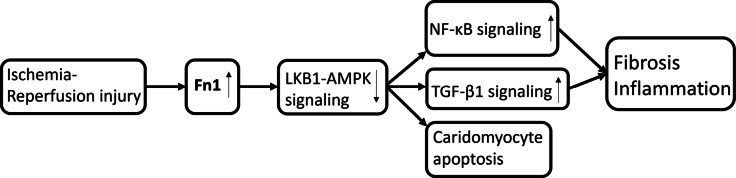 Figure 1
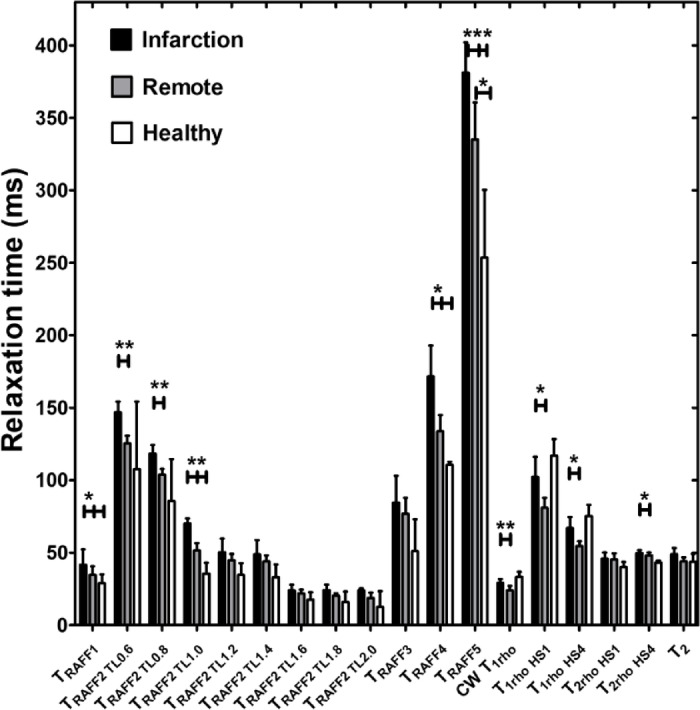 Figure 2
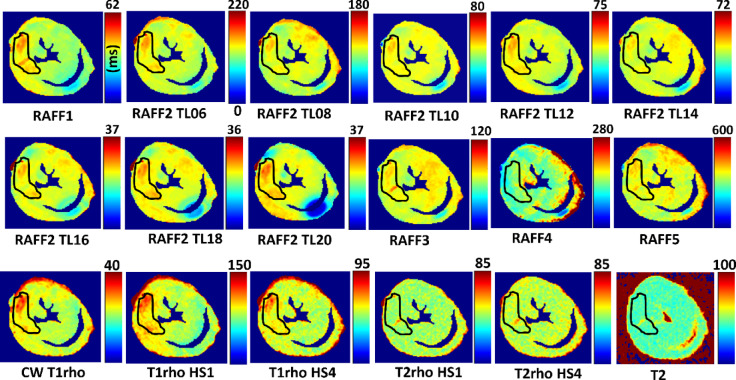 Figure 3
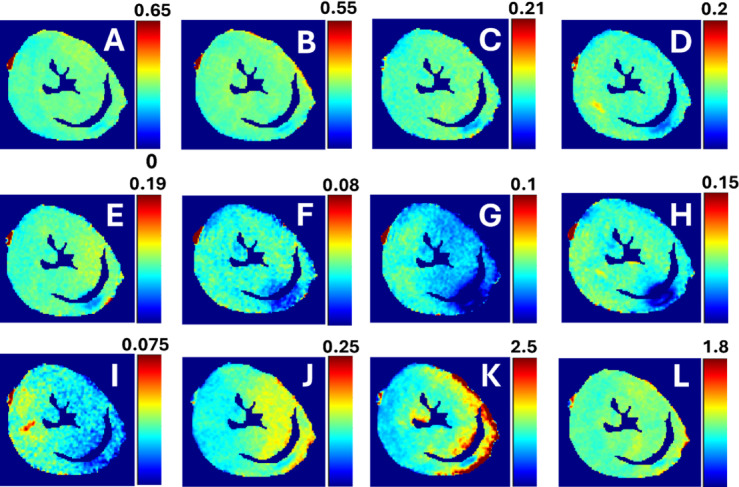 Figure 4
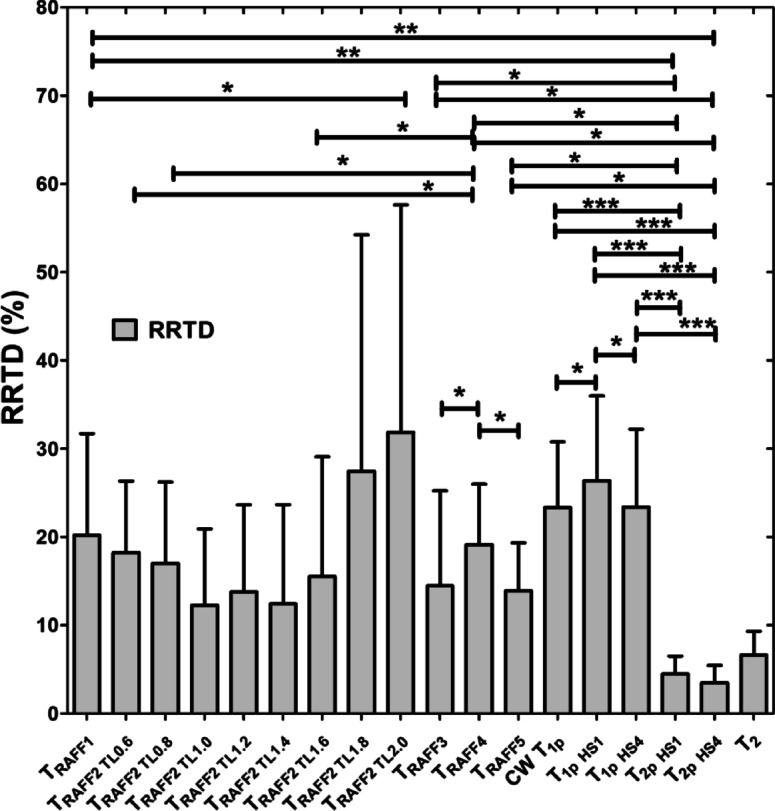 Figure 5
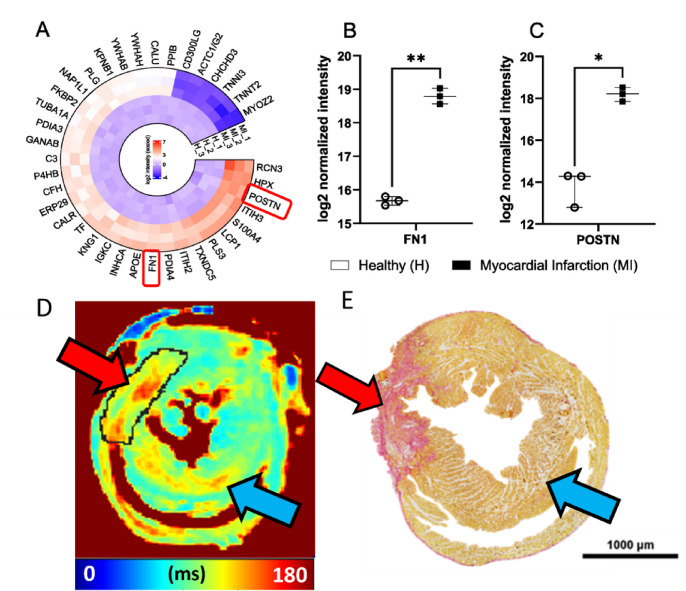 Figure 6
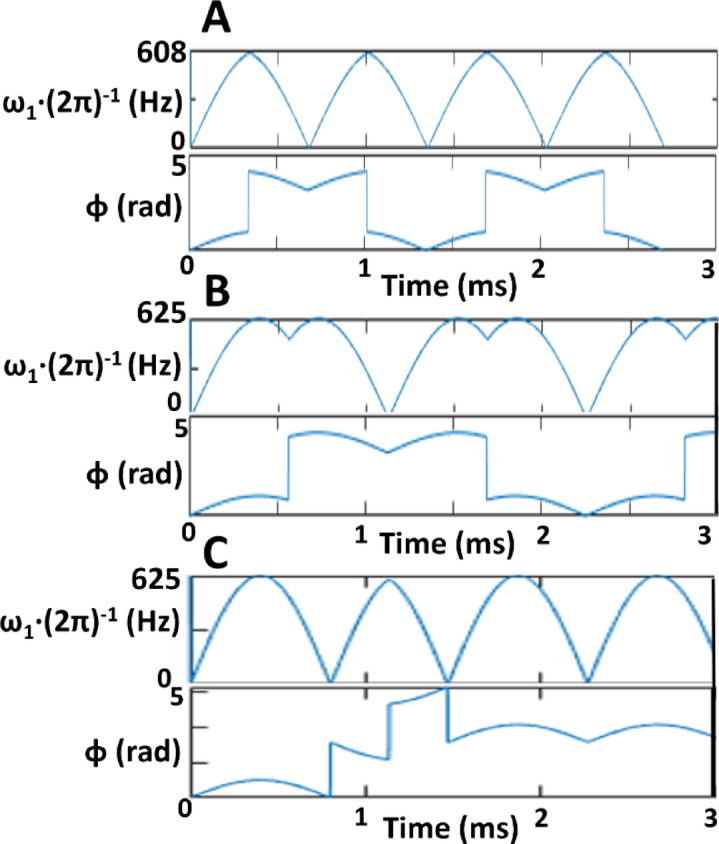 Figure 7
Peer Reviews
No public reviews on file for this paper yet. If you reviewed it on a platform where reviews are public (OpenReview, ICLR, NeurIPS, ICML), you can paste yours below so the community can read it here.
Videos
No videos yet. Explain this paper in a talk, walkthrough, or lecture? Add one.
Taxonomy
TopicsAdvanced MRI Techniques and Applications · Cardiac Imaging and Diagnostics · Advanced Neuroimaging Techniques and Applications