Differential contribution of TFE3 isoforms to cell motility and invasion
Pablo S Contreras, José A Martina, Katie Rollins, Eutteum Jeong, Alberto Rissone, Rosa Puertollano

TL;DR
This study shows that two TFE3 protein versions, TFE3-L and TFE3-S, have similar roles in stress response but differ in how well they promote cell movement and invasion.
Contribution
The discovery that TFE3-L is more effective than TFE3-S in promoting cell migration and invasion is novel.
Findings
TFE3-L is degraded under normal conditions but accumulates during prolonged stress.
TFE3-S is constantly present and mediates early stress responses.
TFE3-L is more efficient than TFE3-S in promoting cell motility and invasion.
Abstract
TFE3 orchestrates cellular responses to a variety of stress conditions, promoting restoration of cellular homeostasis and cell survival. Here we report the presence of two different TFE3 isoforms generated by the use of alternative transcription initiation sites. The long isoform (TFE3-L) undergoes continuous proteolytic degradation due to the presence of a phosphodegron in its N-terminal region and only accumulates under specific stress conditions. In contrast, the short isoform (TFE3-S) lacks the first 105 residues containing the phosphodegron and is constitutively expressed at high levels in most cell types. Both isoforms share the same Rags/mTORC1-dependent mechanism of regulation and display comparable capacity of inducing expression of lysosomal and autophagic genes upon activation. However, TFE3-L is considerably more efficient than TFE3-S promoting cell migration and invasion.…
Genes, proteins, chemicals, diseases, species, mutations and cell lines named across the full text — each resolved to its canonical identifier and authoritative record.
Click any figure to enlarge with its caption.
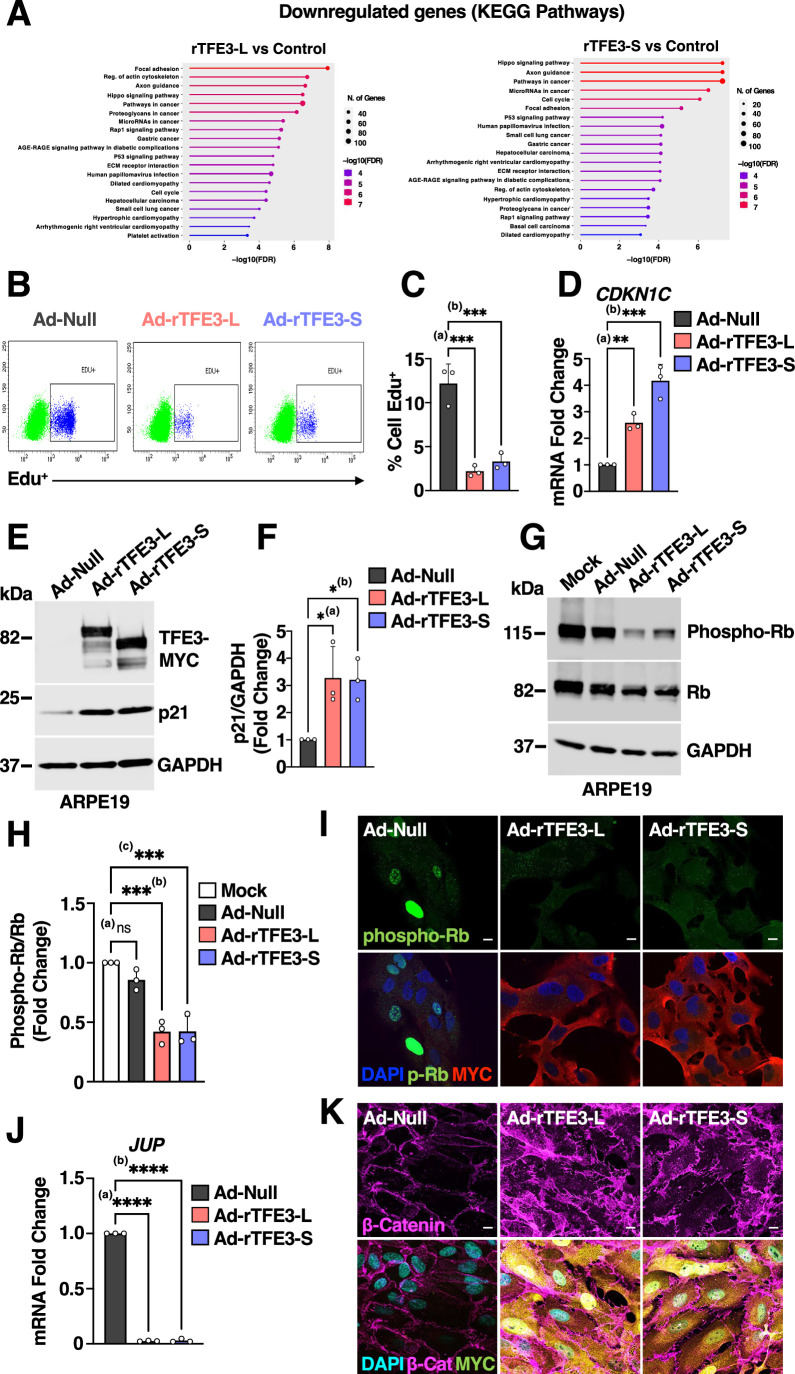 Figure 10
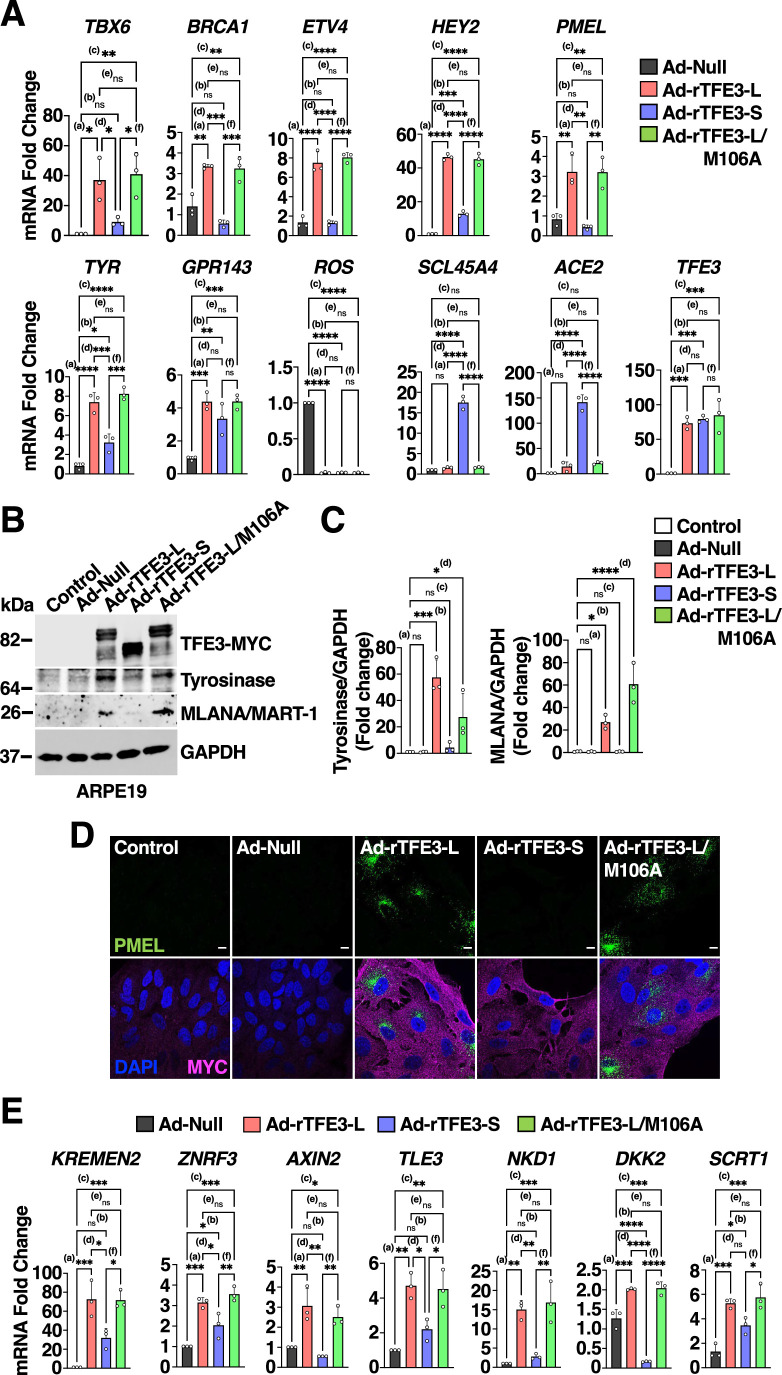 Figure 11
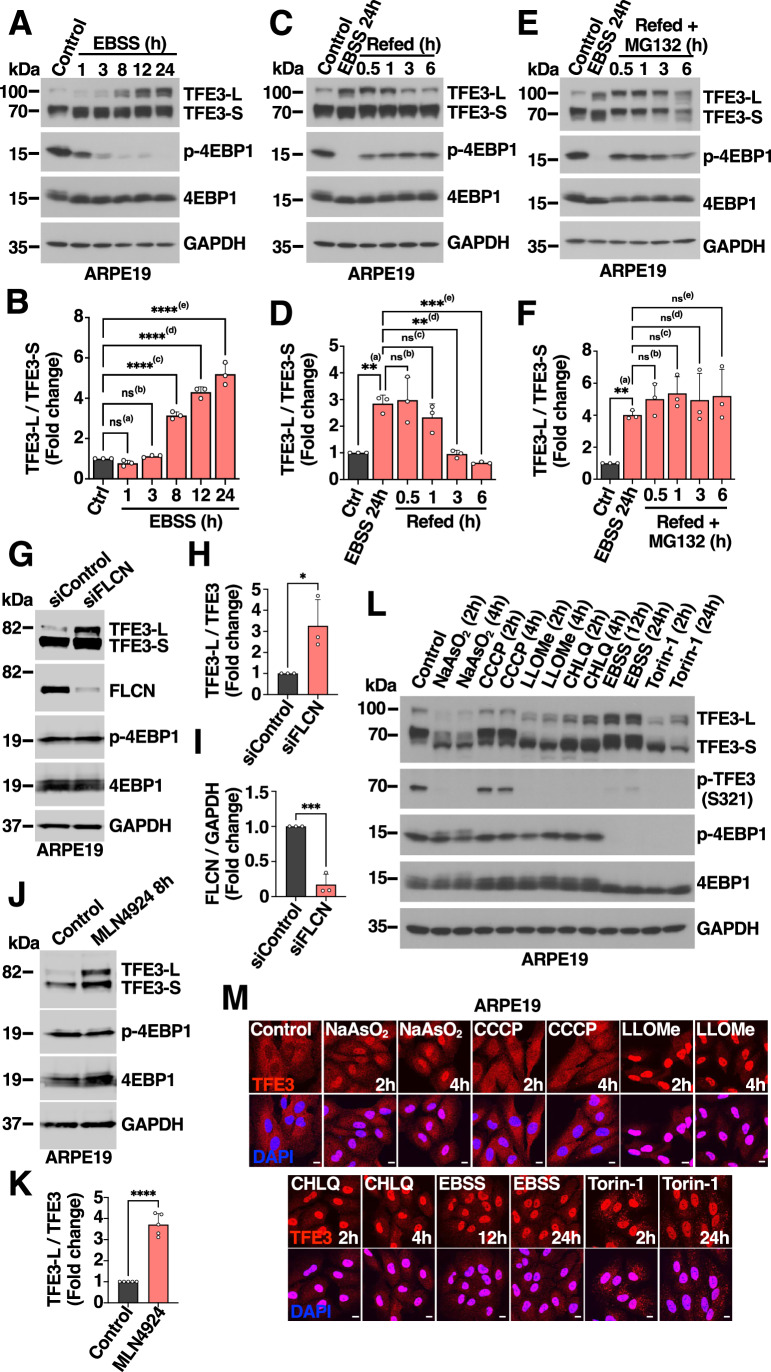 Figure 1
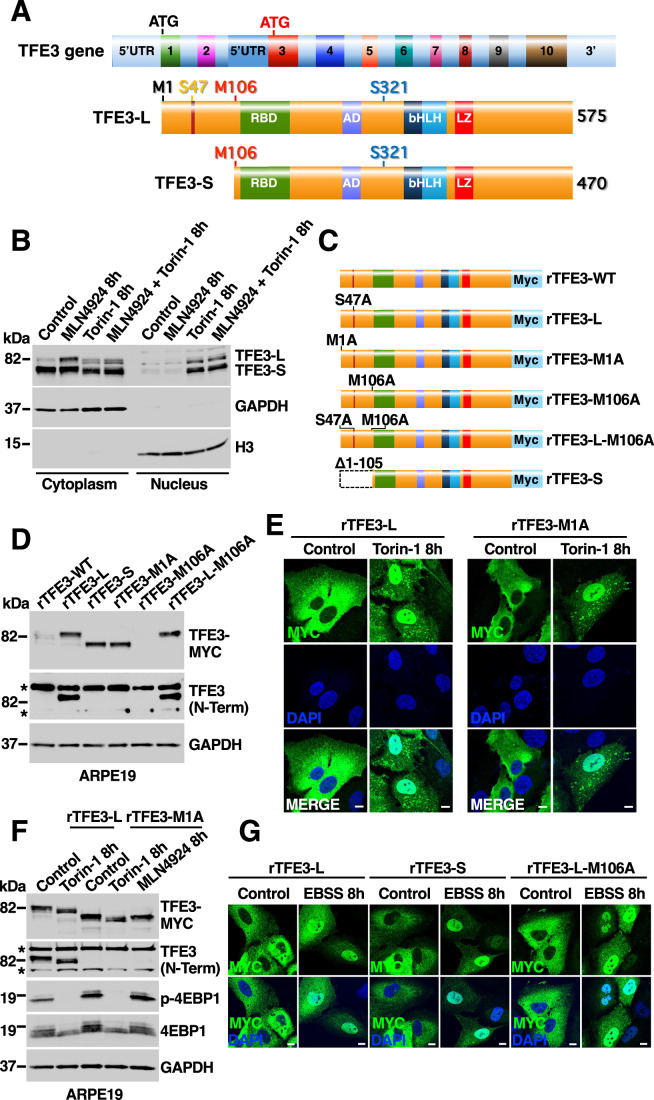 Figure 2
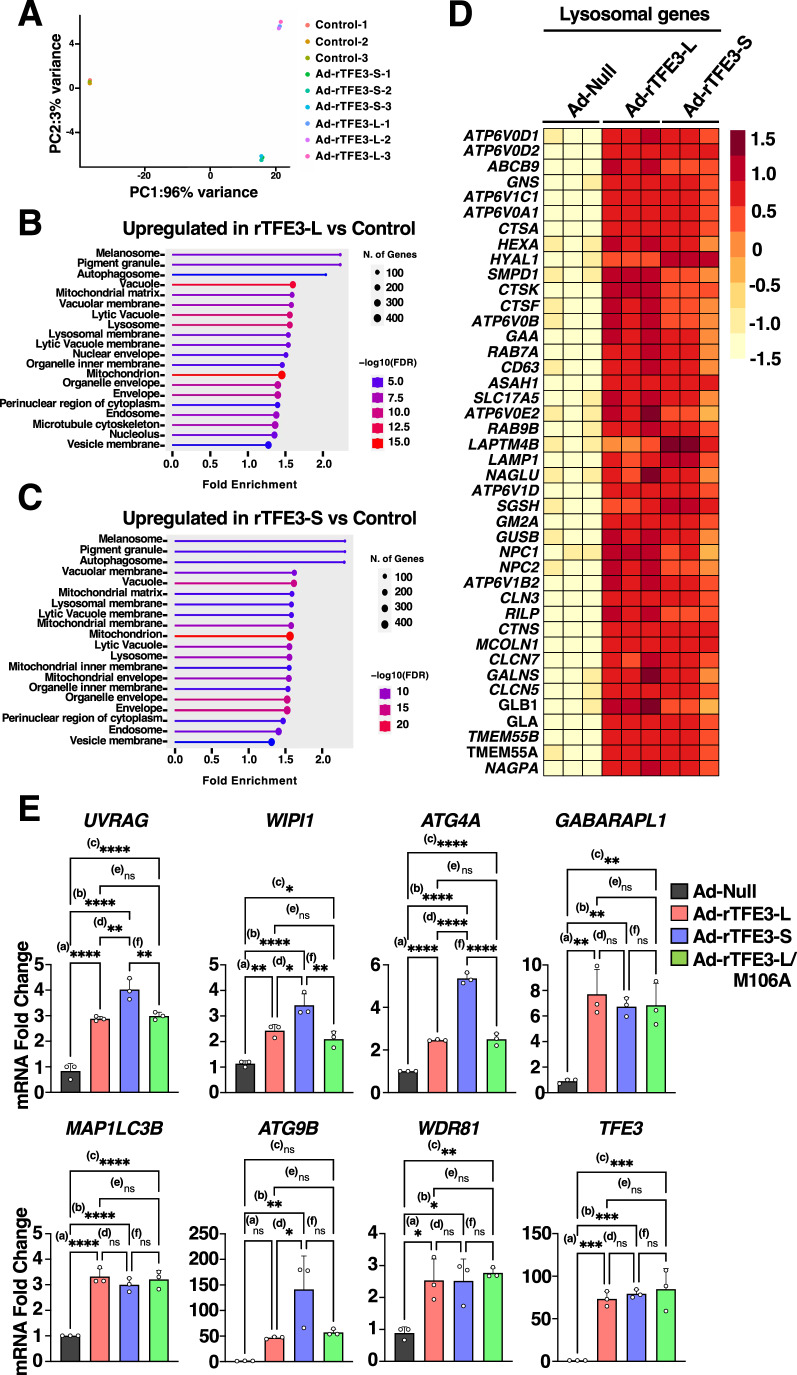 Figure 3
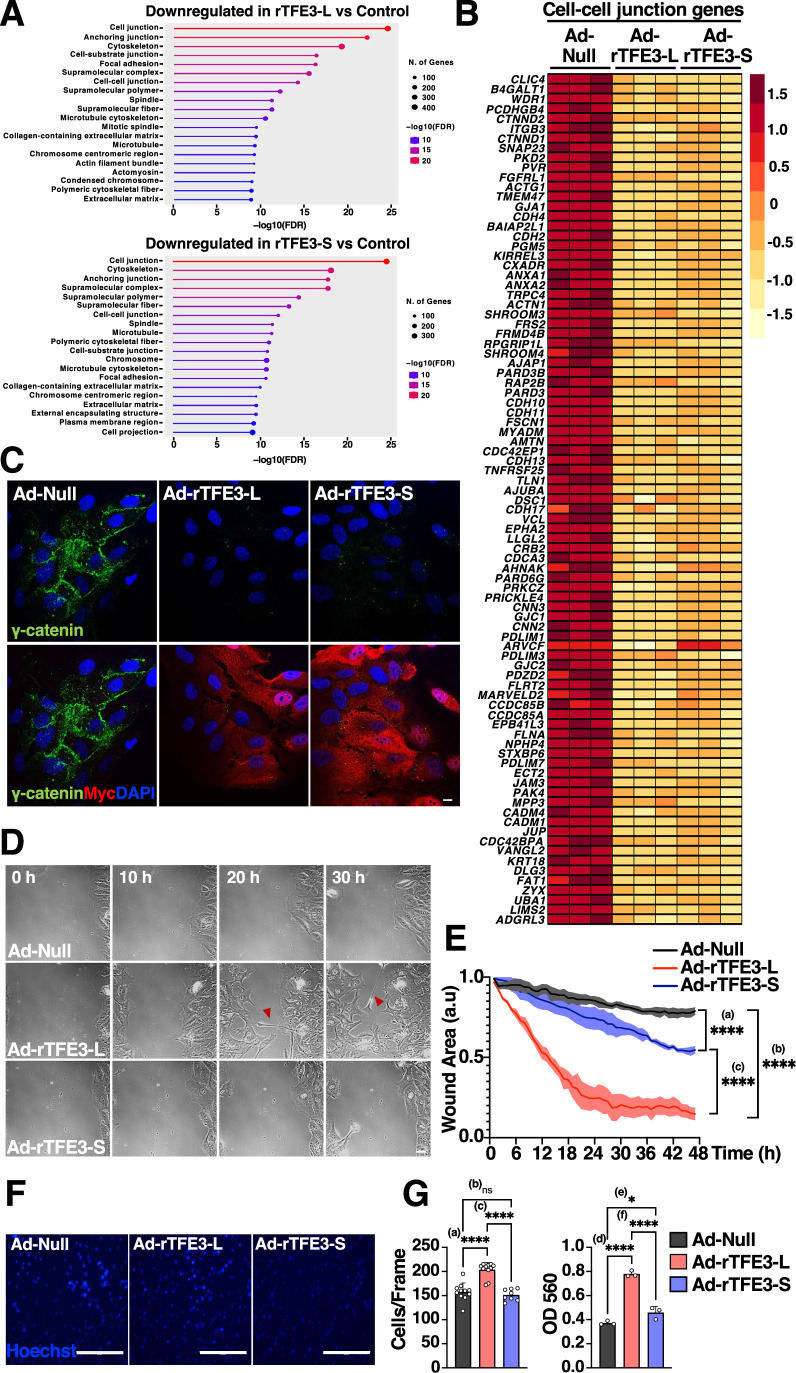 Figure 4
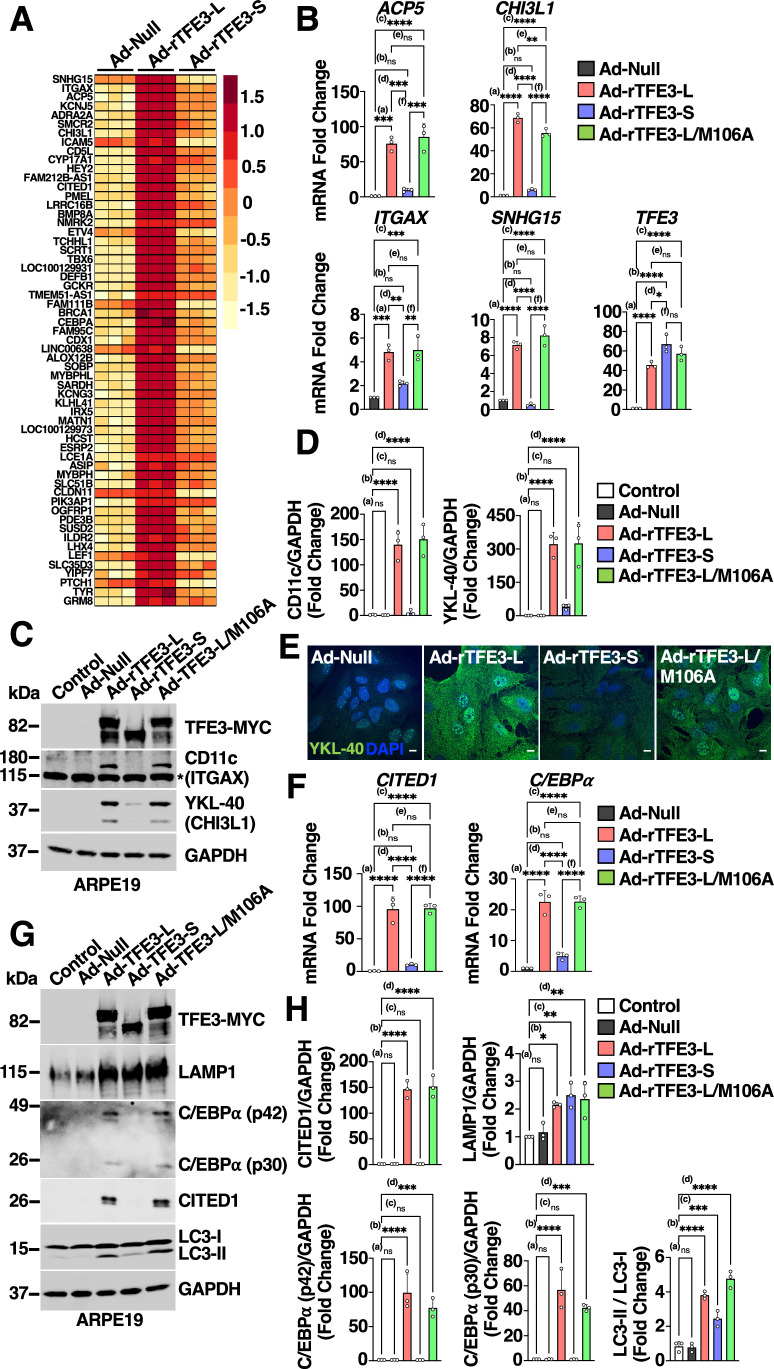 Figure 5
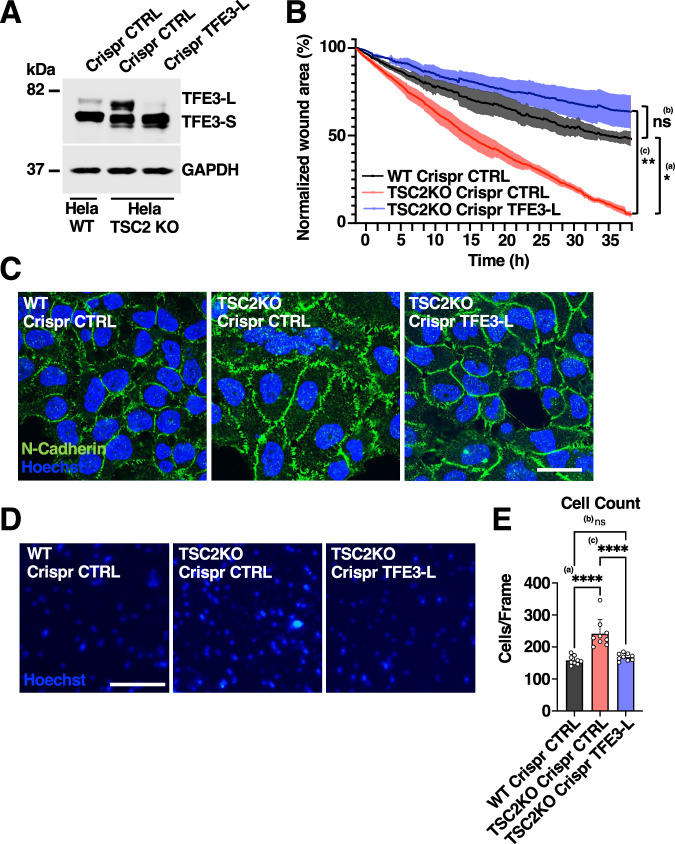 Figure 6
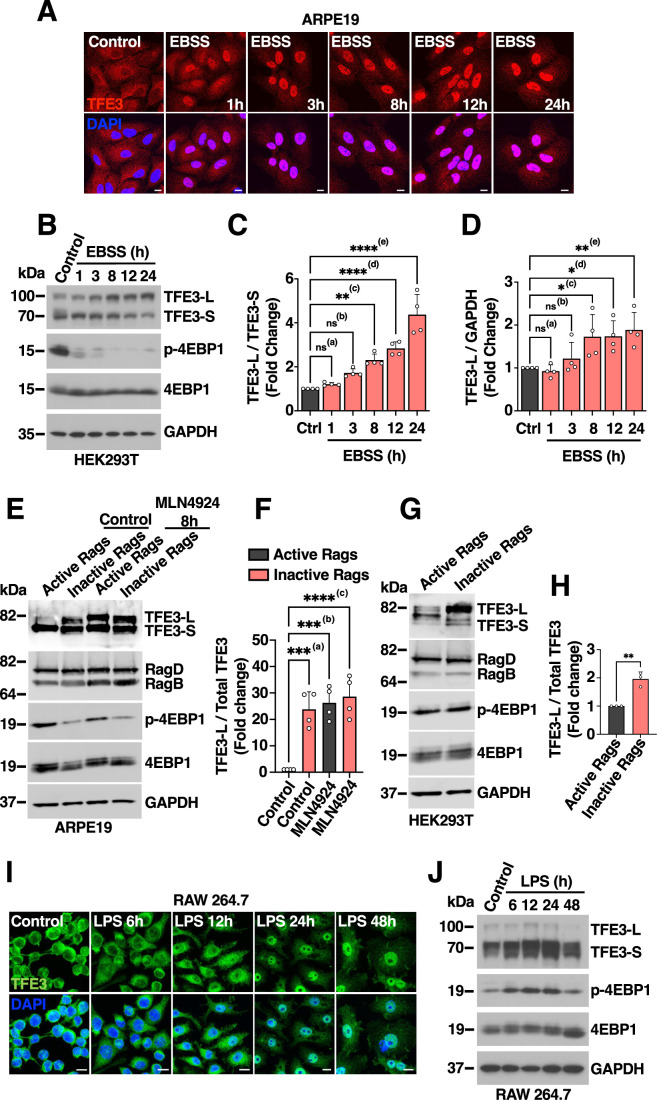 Figure 7
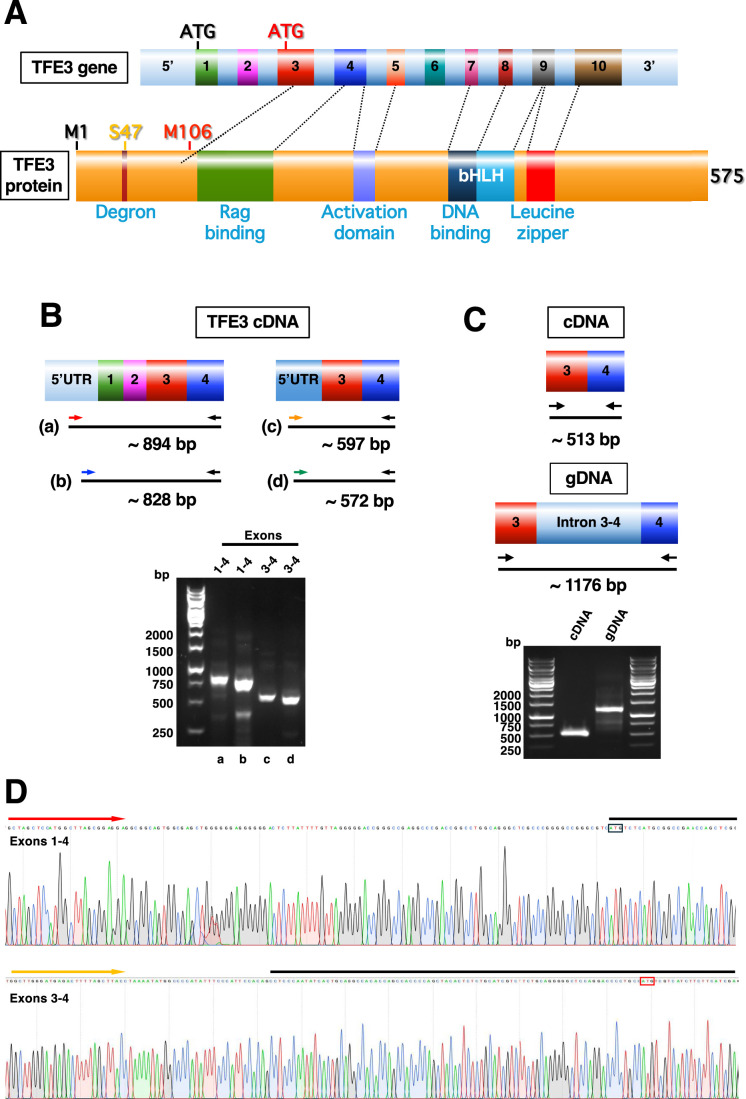 Figure 8
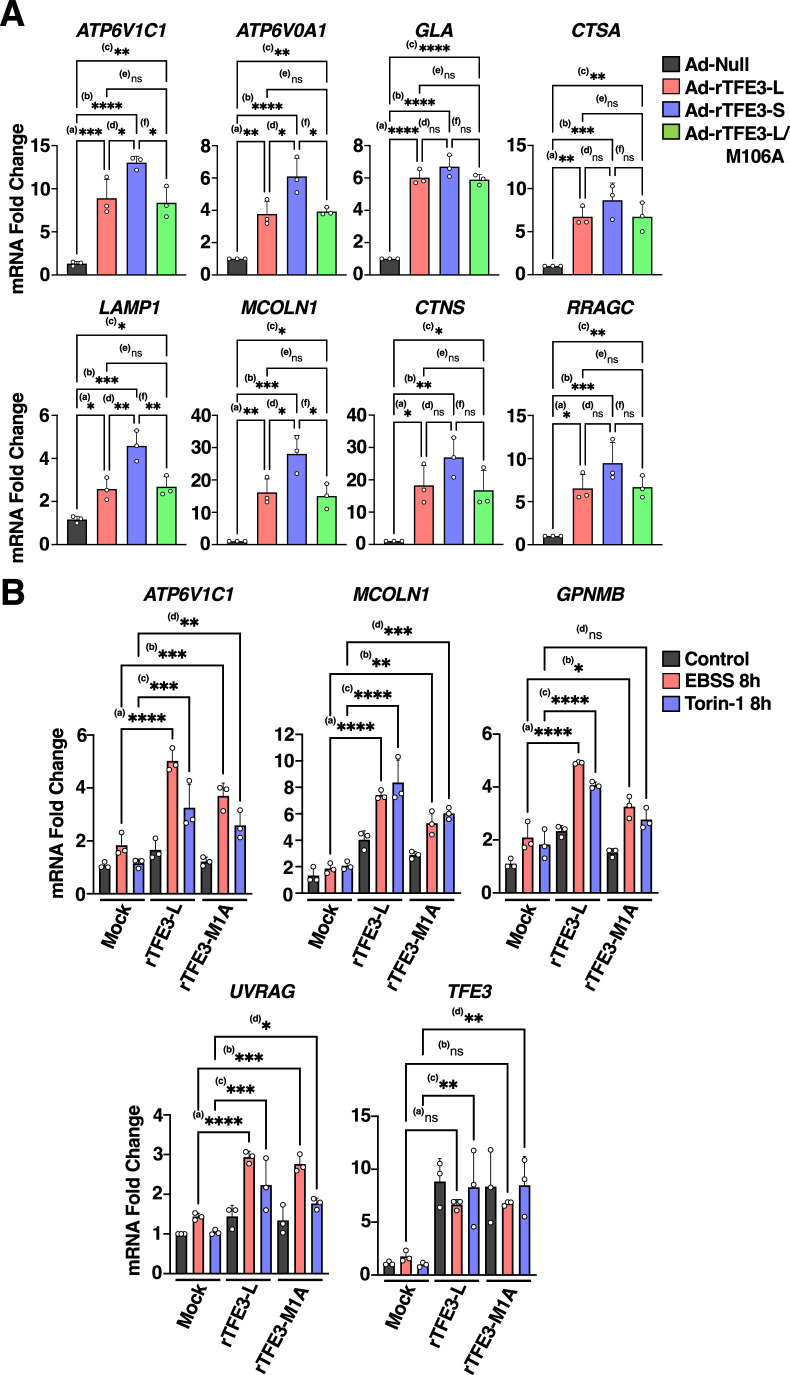 Figure 9
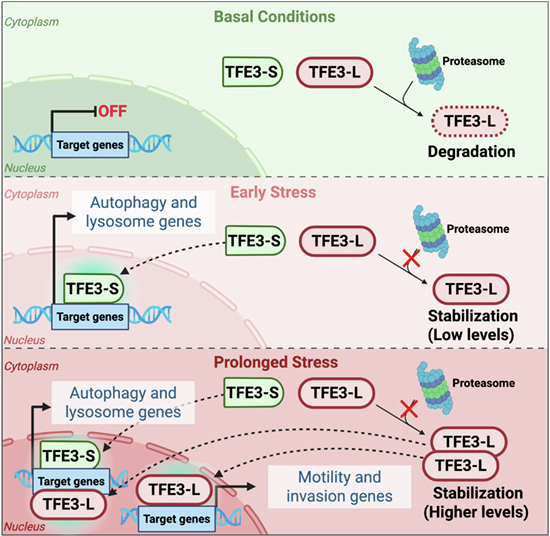 Figure 12
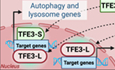 Figure 13
Peer Reviews
No public reviews on file for this paper yet. If you reviewed it on a platform where reviews are public (OpenReview, ICLR, NeurIPS, ICML), you can paste yours below so the community can read it here.
Videos
No videos yet. Explain this paper in a talk, walkthrough, or lecture? Add one.
Taxonomy
TopicsPI3K/AKT/mTOR signaling in cancer · Tuberous Sclerosis Complex Research · Autophagy in Disease and Therapy