Next-generation polydopamine nanocoatings advancing the understanding of surface properties and antimicrobial efficacy
Supriya Nambiar, Dilip G. Nayak, Arun M. Isloor, Ethel Suman, Sooraj Nayak, Shama Prasad Kabekkodu, Rajath U. Rao

TL;DR
This study shows that combining polydopamine with zwitterionic nanoparticles improves antibacterial properties of titanium implants without harming cell compatibility.
Contribution
The novel use of PDA combined with poly (MBAAm-co-SBMA) zwitterionic nanoparticles enhances antibacterial efficacy on titanium surfaces.
Findings
PDA + poly (MBAAm-co-SBMA) coatings showed significantly reduced S. mutans colony counts compared to PDA alone.
Surface morphology and elemental composition were confirmed using FESEM, AFM, and EDS.
Cytocompatibility remained favorable in both PDA and PDA + poly (MBAAm-co-SBMA) groups.
Abstract
Biofilm formation and bacterial colonization on titanium implants pose significant challenges in healthcare, often leading to implant failure. Surface modifications using nanotechnology offer a promising approach to improve antibacterial properties while maintaining biocompatibility. To evaluate the surface characteristics, cytocompatibility, and antibacterial efficacy of titanium discs coated with polydopamine (PDA) alone versus PDA combined with poly (MBAAm-co-SBMA) zwitterionic nanoparticles. This in vitro comparative study involved the coating of titanium discs into two groups: Group 1 (PDA-coated) and Group 2 (PDA + poly (MBAAm-co-SBMA) zwitterionic nanoparticle-coated). poly (MBAAm-co-SBMA) zwitterionic nanoparticles were synthesized using the distillation–precipitation polymerization method. Surface morphology and Surface Roughness was analyzed using field emission scanning…
Genes, proteins, chemicals, diseases, species, mutations and cell lines named across the full text — each resolved to its canonical identifier and authoritative record.
Click any figure to enlarge with its caption.
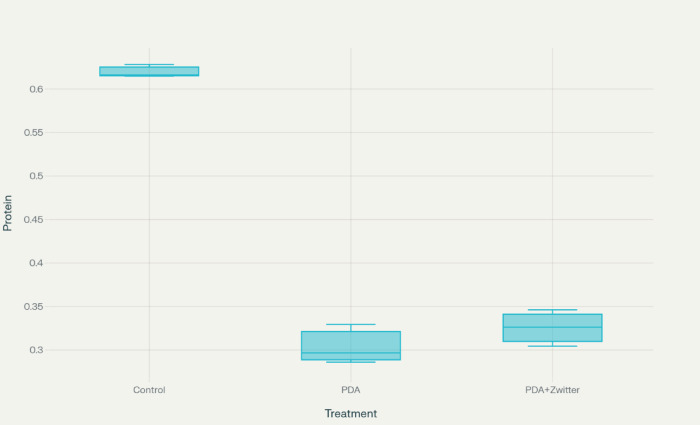 Figure 10
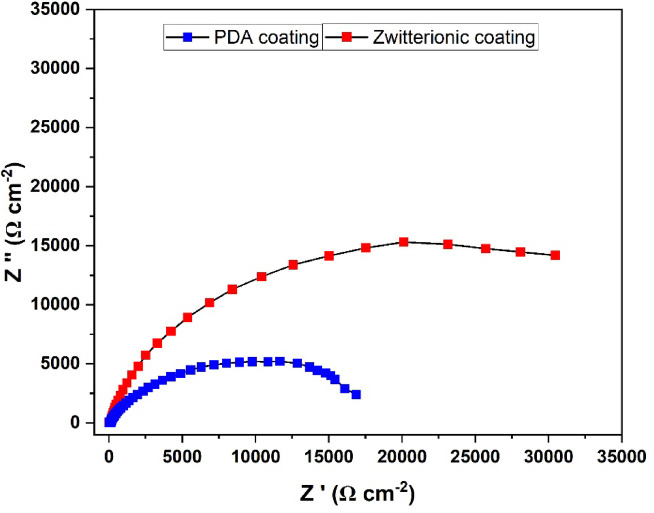 Figure 11
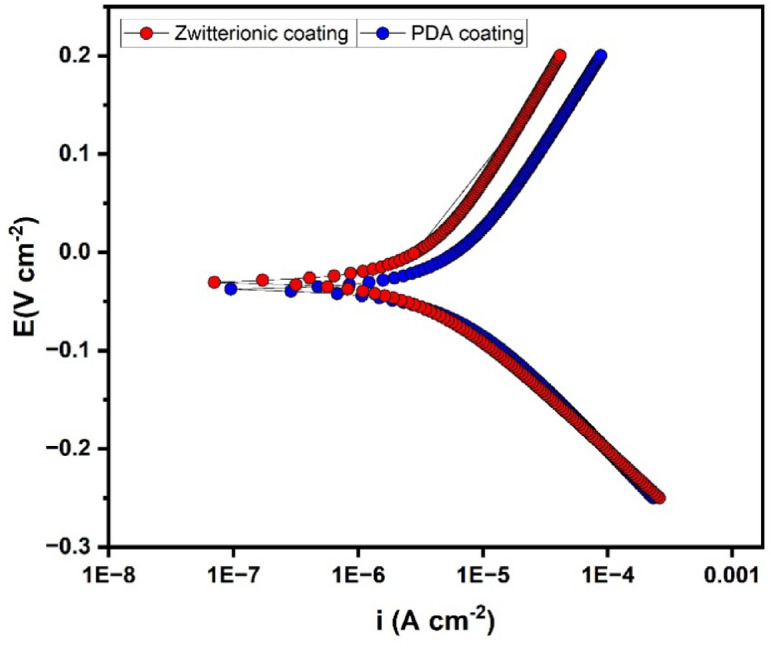 Figure 12
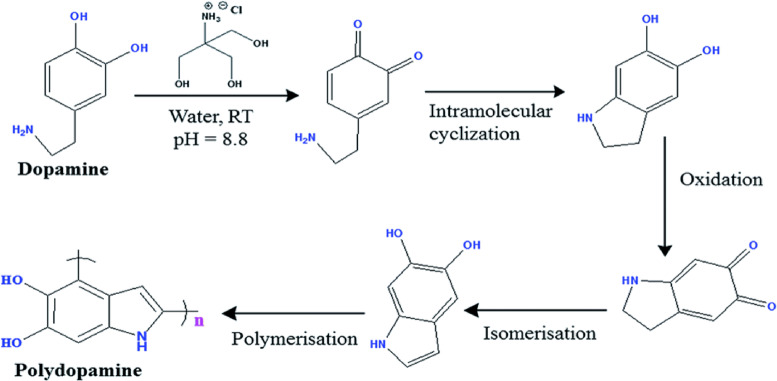 Figure 1
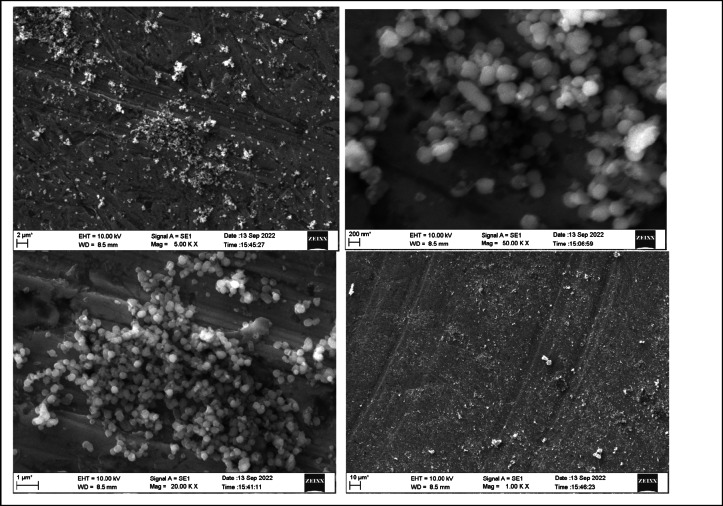 Figure 2
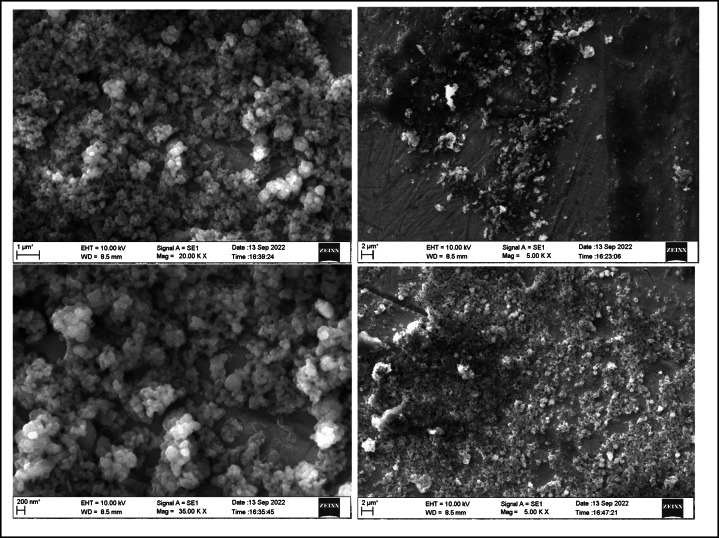 Figure 3
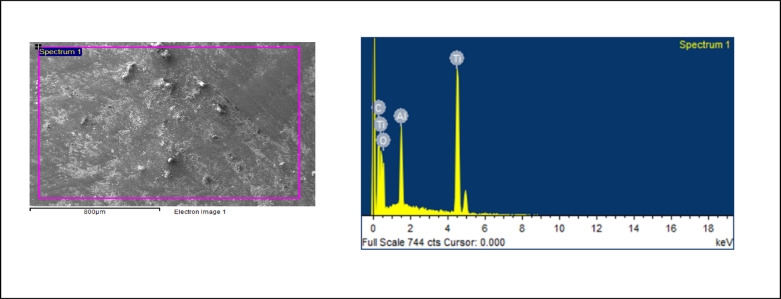 Figure 4
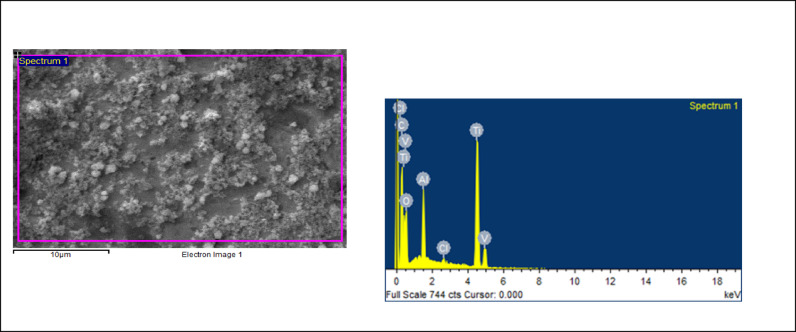 Figure 5
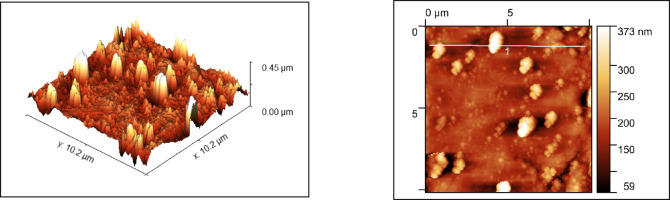 Figure 6
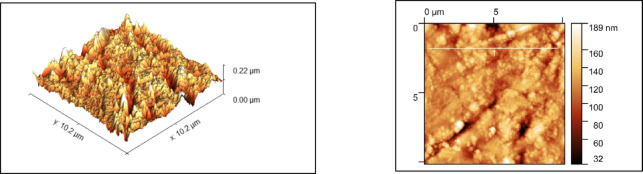 Figure 7
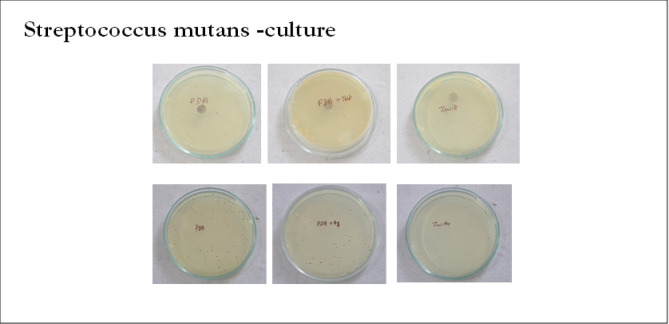 Figure 8
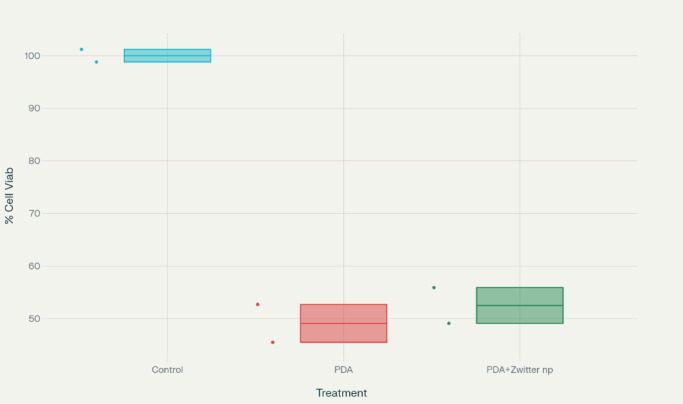 Figure 9
Peer Reviews
No public reviews on file for this paper yet. If you reviewed it on a platform where reviews are public (OpenReview, ICLR, NeurIPS, ICML), you can paste yours below so the community can read it here.
Videos
No videos yet. Explain this paper in a talk, walkthrough, or lecture? Add one.
Taxonomy
TopicsPolymer Surface Interaction Studies · Antimicrobial agents and applications · Graphene and Nanomaterials Applications