Flexible computation of object motion and depth based on viewing geometry inferred from optic flow
Zhe-Xin Xu, Jiayi Pang, Akiyuki Anzai, Gregory C. DeAngelis

TL;DR
The brain accurately perceives object motion and depth during movement by inferring viewing geometry from optic flow.
Contribution
A new theory and model explain how motion and depth are computed in natural viewing geometries involving eye translation and rotation.
Findings
Traditional models fail when eyes both translate and rotate, but the new theory computes motion and depth accurately.
Humans show perceptual biases in simulated viewing geometries without training or feedback.
A neural network model supports the theory by showing how neurons adaptively tune to retinal and eye velocity.
Abstract
We move our eyes and head to sample the visual environment. While these movements are essential for survival, they greatly complicate the analysis of retinal image motion. Our brain must account for the visual consequences of self-motion to perceive the 3D layout and motion of objects in a scene. We show that traditional models of visual compensation for eye movements fail when the eye both translates and rotates, and we propose a theory that computes both motion and depth in more natural viewing geometries. Consistent with our theoretical predictions, humans exhibit distinct perceptual biases when different viewing geometries are simulated by optic flow, and these biases occur without training or feedback. A neural network model trained to perform the same tasks suggests that viewing geometry modulates the joint tuning of neurons for retinal and eye velocity to mediate these adaptive…
Genes, proteins, chemicals, diseases, species, mutations and cell lines named across the full text — each resolved to its canonical identifier and authoritative record.
Click any figure to enlarge with its caption.
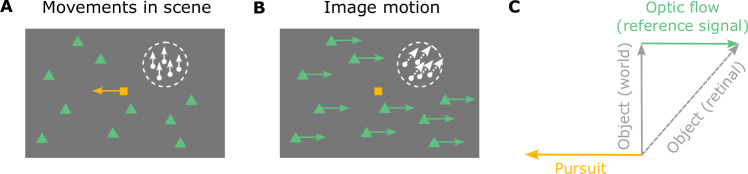 Figure 1
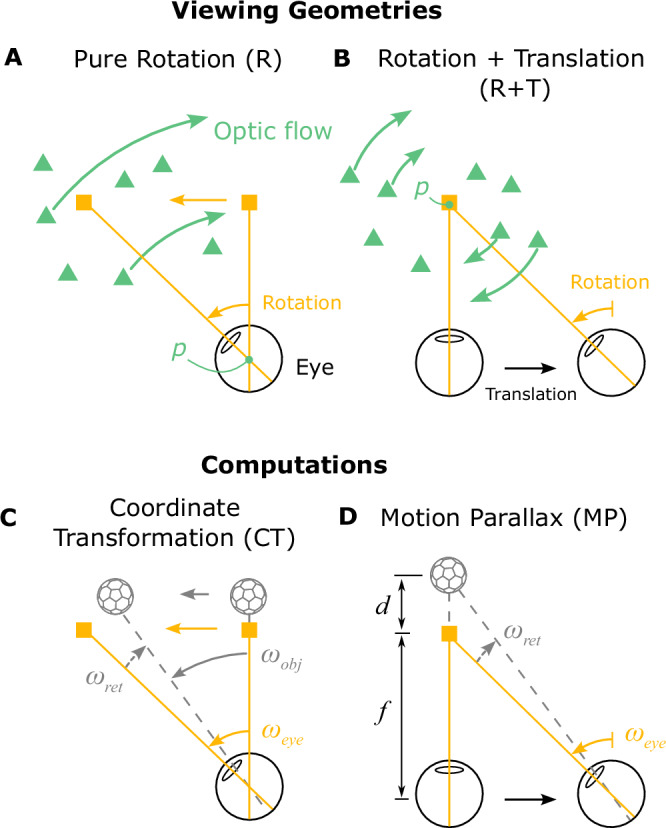 Figure 2
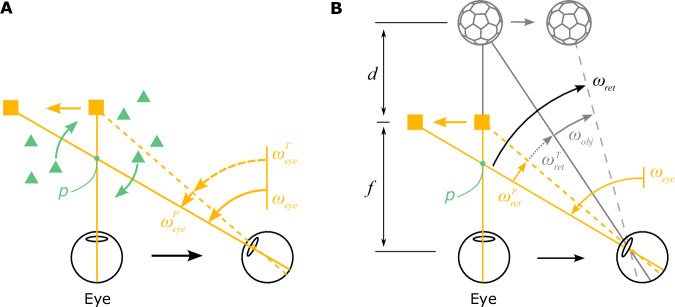 Figure 3
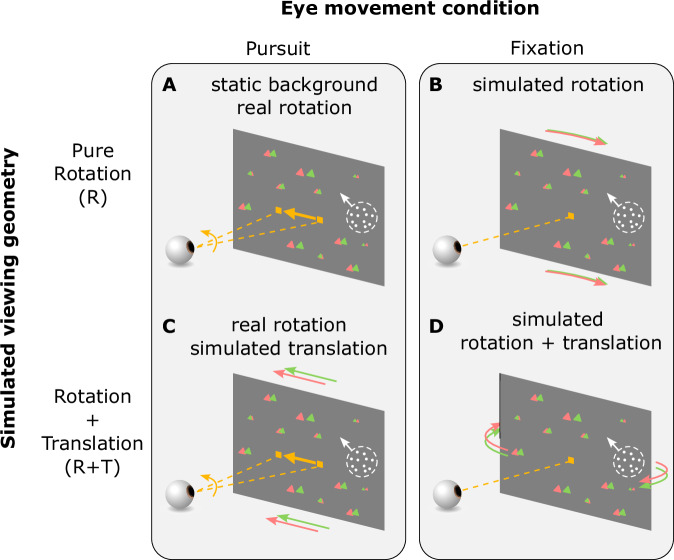 Figure 4
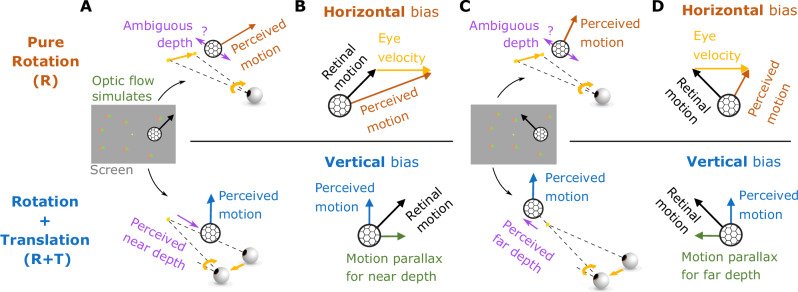 Figure 5
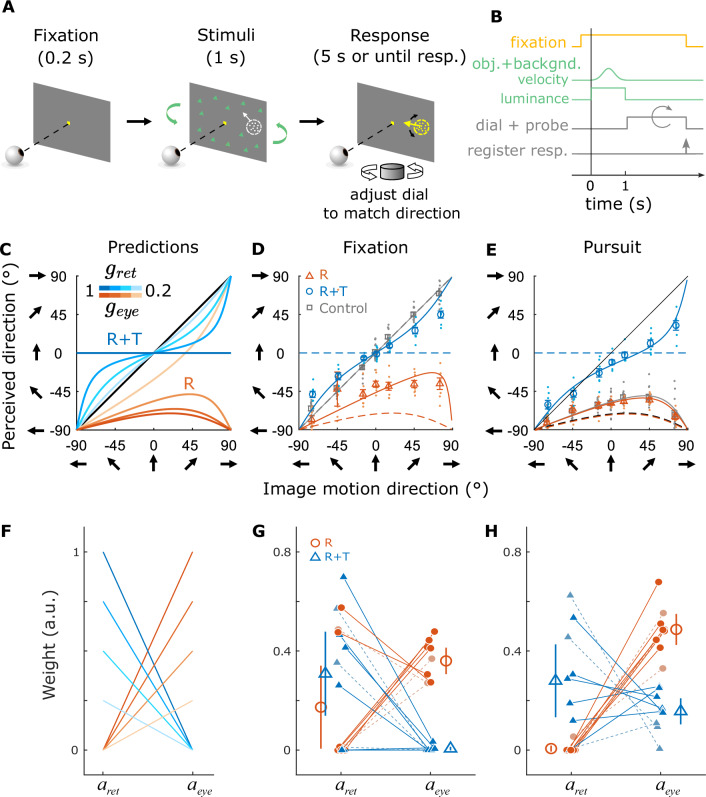 Figure 6
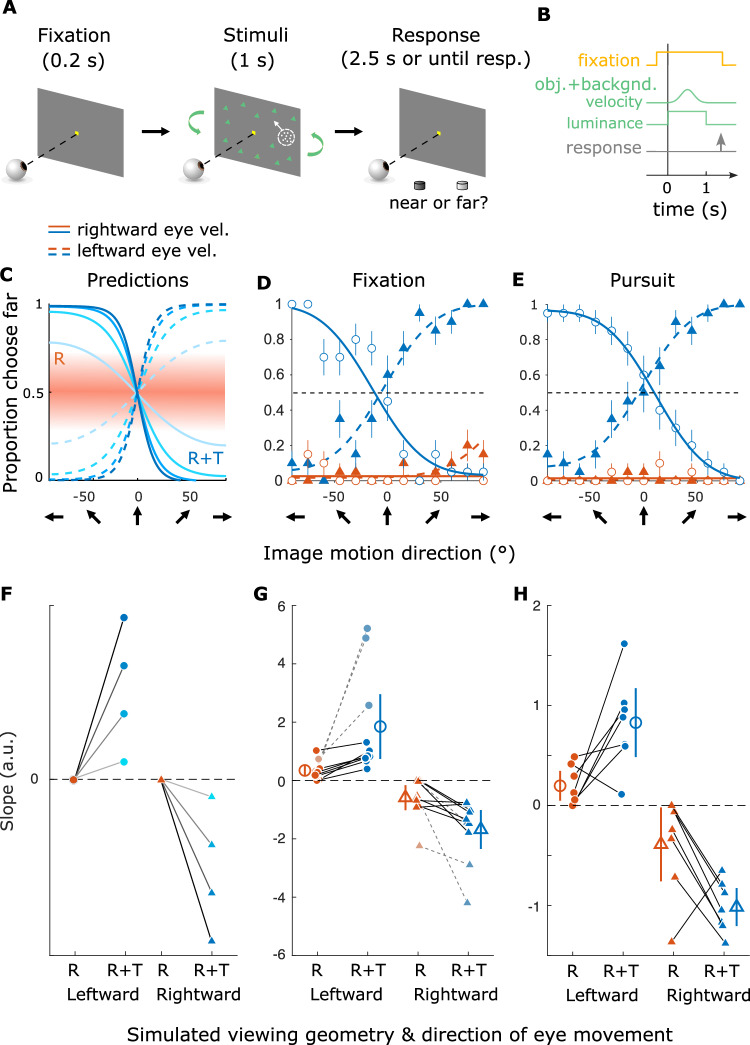 Figure 7
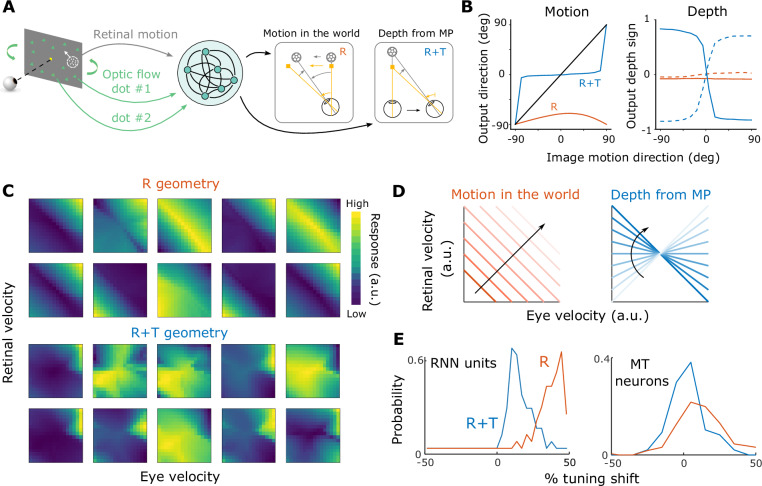 Figure 8
Peer Reviews
No public reviews on file for this paper yet. If you reviewed it on a platform where reviews are public (OpenReview, ICLR, NeurIPS, ICML), you can paste yours below so the community can read it here.
Videos
No videos yet. Explain this paper in a talk, walkthrough, or lecture? Add one.
Taxonomy
TopicsVisual perception and processing mechanisms · Visual Attention and Saliency Detection · Tactile and Sensory Interactions