Polyarginine Peptide R11–Actin Interaction Induces a Domino Effect on Cytoskeleton Remodeling to Suppress Bladder Cancer Metastasis
Zhenghong Liu, Chuanzan Zhou, Wentao Xu, Dahong Zhang, Bin Zheng, Facai Zhang, Xiaowen Qin, Heng Wang, Yixuan Mou, Yang Liu, Haichang Li, Jing Quan, Li Sun, Yiyang Chen, Chenkai Wang, Xuanyi Zhou, Xinyi Chen, Hong Tang, Dingyi Liu, Wenyan Zuo, Dechao Feng, Pu Zhang, Qi Zhang

TL;DR
A polyarginine peptide called R11 disrupts actin in bladder cancer cells, preventing their spread to the lungs by altering the cytoskeleton.
Contribution
R11 is a novel, bladder tumor-targeting peptide that modulates actin dynamics to suppress metastasis through a domino effect on the cytoskeleton.
Findings
R11 interacts with actin to weaken the actin–plectin–vimentin/integrin β4 axis, impairing cellular motility.
Multivalent R11 assemblies enhance actin binding and amplify anti-metastatic effects in bladder cancer.
R11-based materials offer a promising therapeutic platform for cytoskeleton-dependent cancers.
Abstract
Cytoskeletal remodeling, particularly actin dynamics, is a central driver of tumor metastasis. However, actin-targeting agents have faced major translational barriers due to poor specificity and the absence of defined druggable sites. Here, we report a bladder tumor-targeting polyarginine peptide, R11, as a precision modulator of actin dynamics capable of disrupting the cytoskeletal architecture of bladder cancer (BCa) to suppress its lung metastasis potently and persistently. R11 directly interacts with actin, weakening the actin–plectin–vimentin/integrin β4 axis and initiating a cascade of cytoskeletal disorganization that ultimately impairs cellular motility and metastatic potential. Remarkably, nanoscale multivalent assemblies of R11 amplify these effects through enhanced multivalent binding to actin. This study unveils a new strategy for cytoskeleton-targeted intervention through…
Genes, proteins, chemicals, diseases, species, mutations and cell lines named across the full text — each resolved to its canonical identifier and authoritative record.
Click any figure to enlarge with its caption.
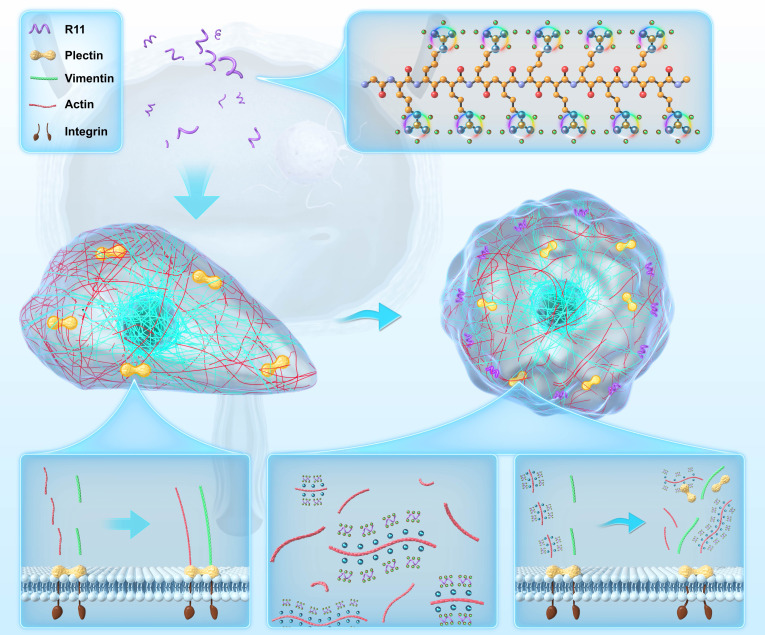 Figure 1
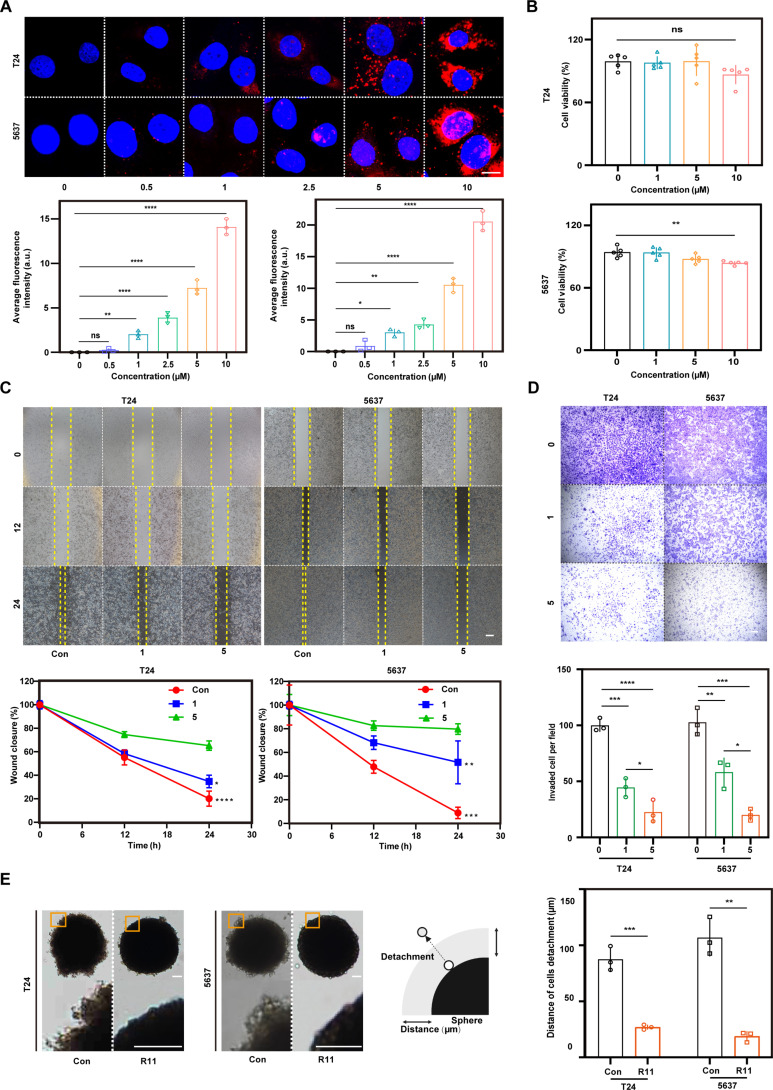 Figure 2
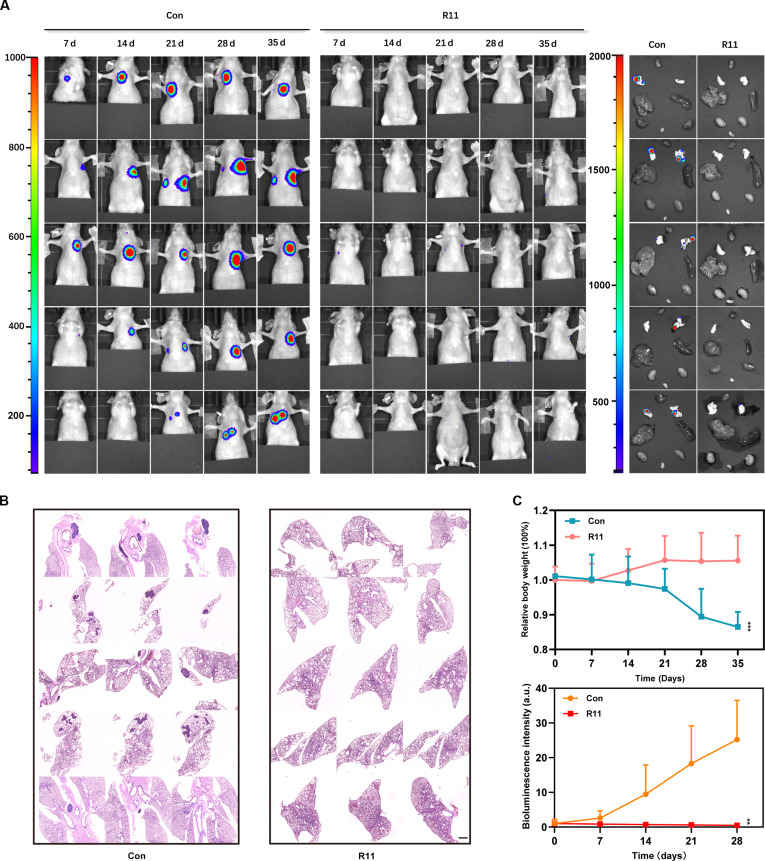 Figure 3
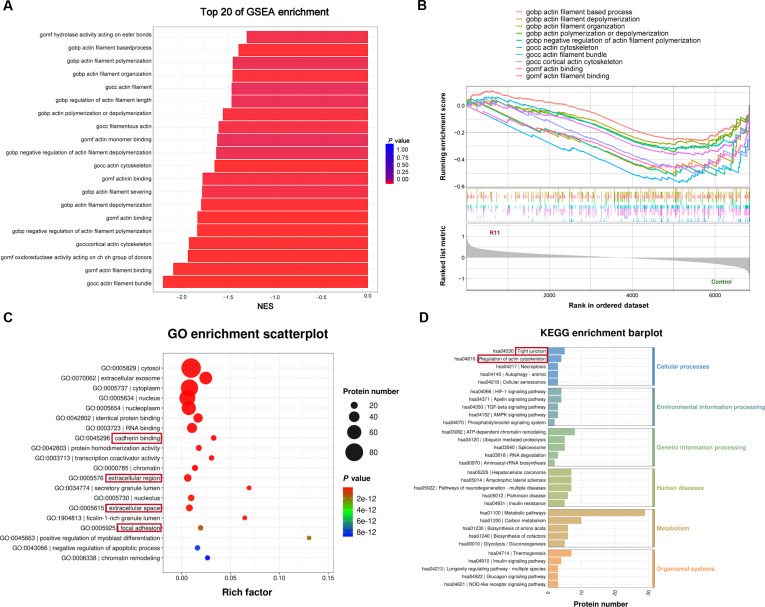 Figure 4
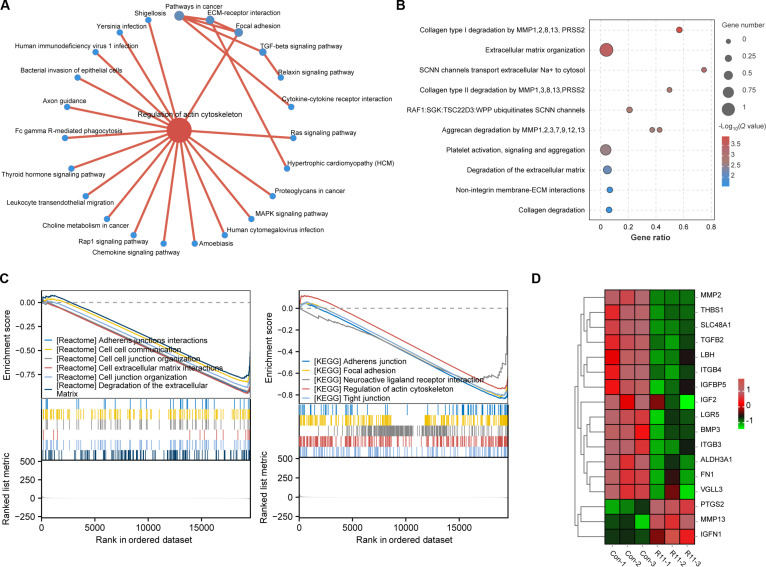 Figure 5
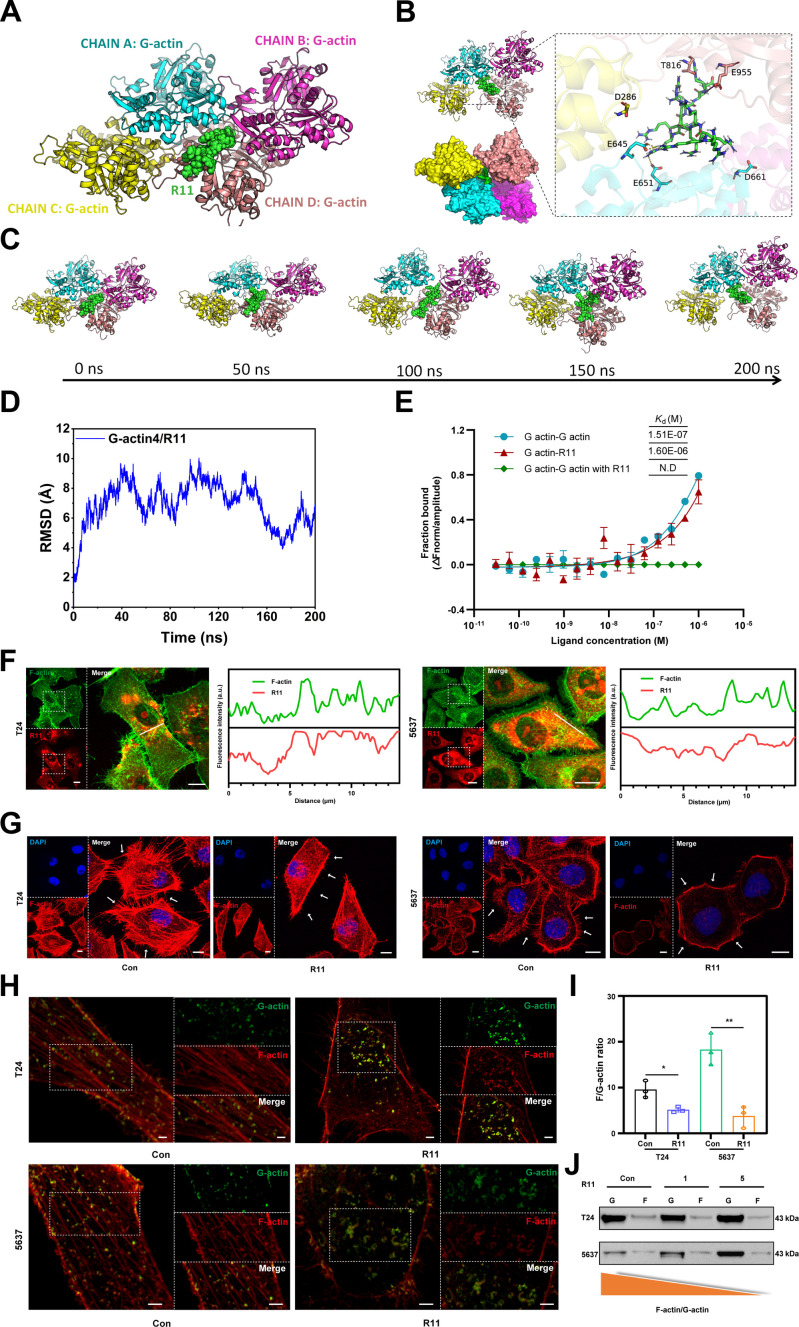 Figure 6
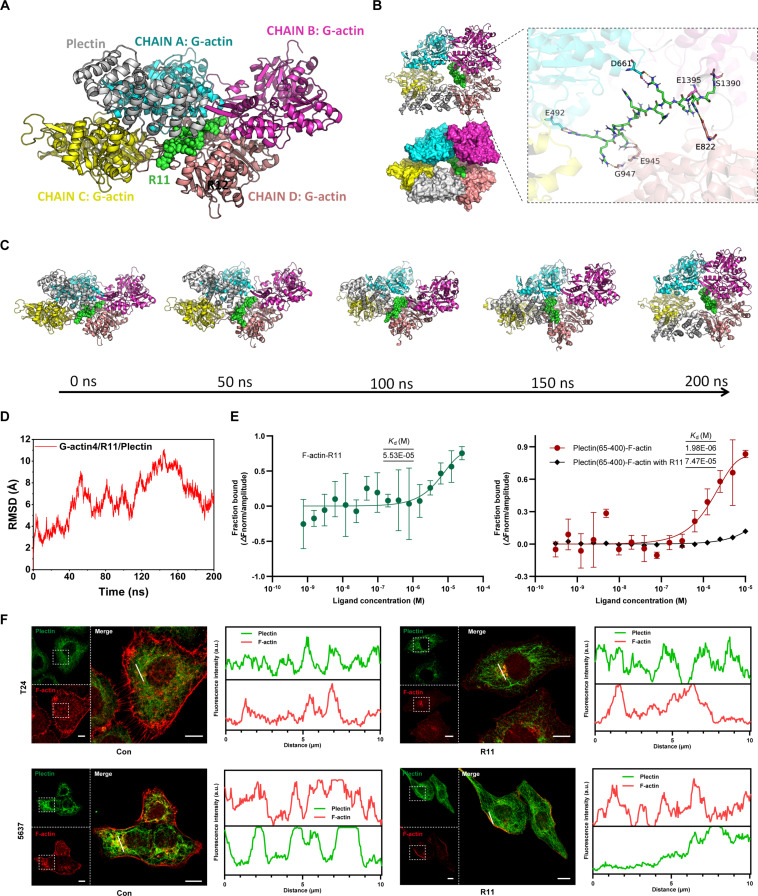 Figure 7
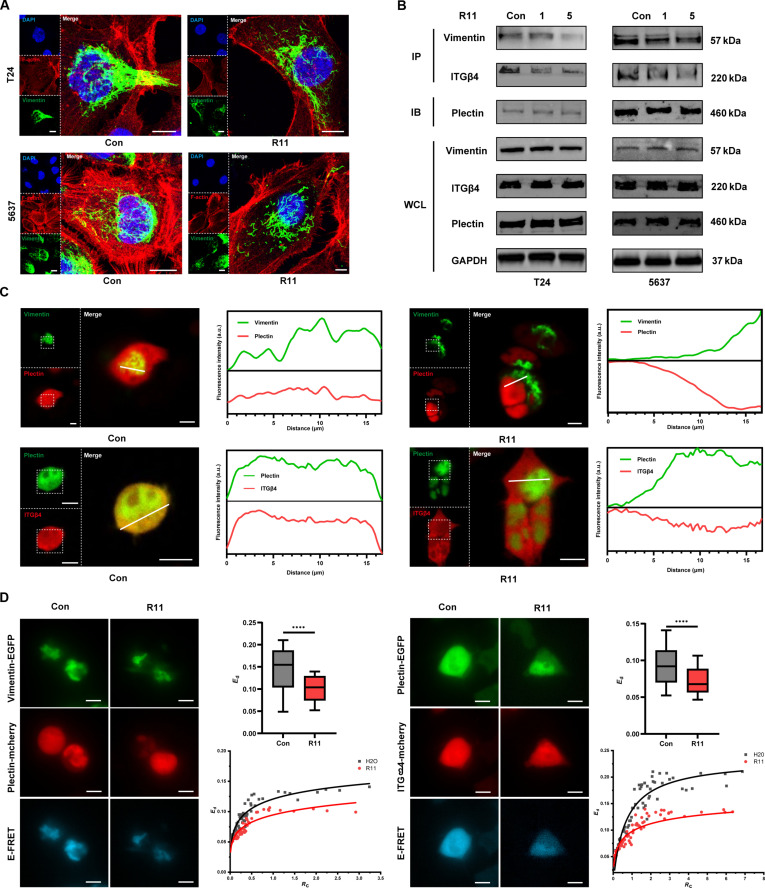 Figure 8
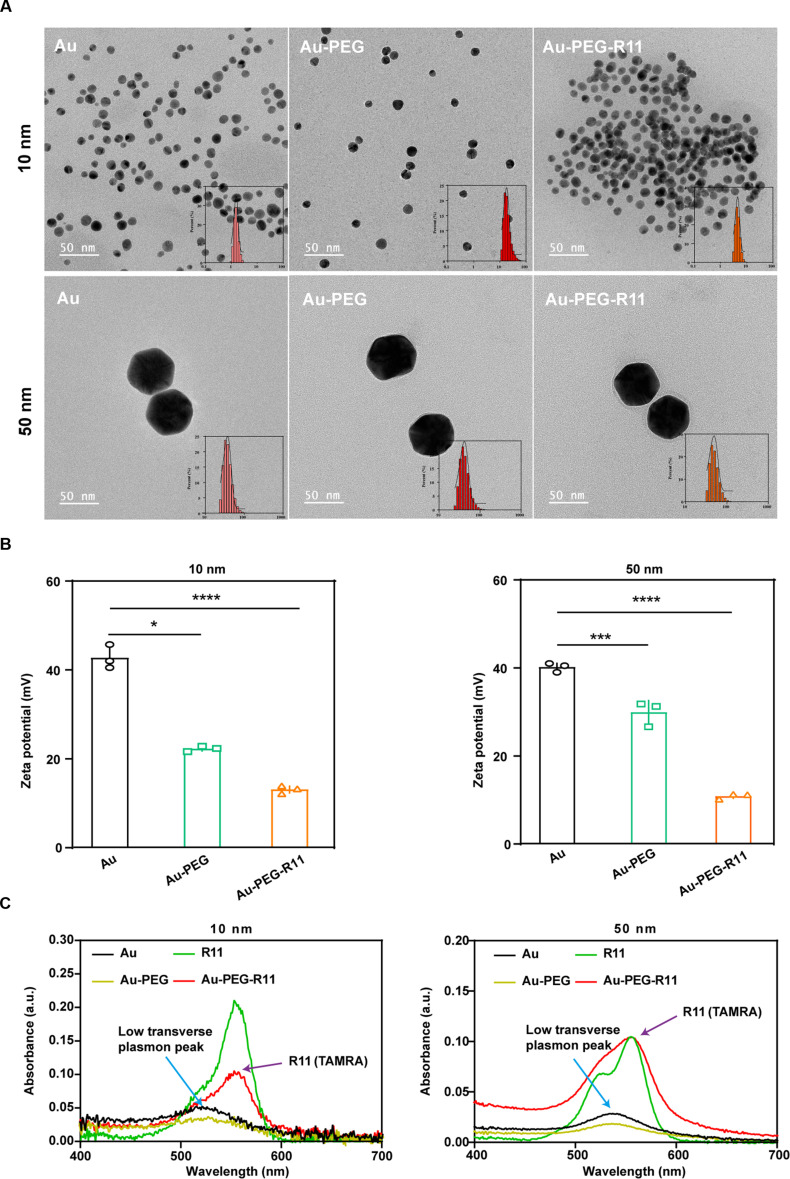 Figure 9
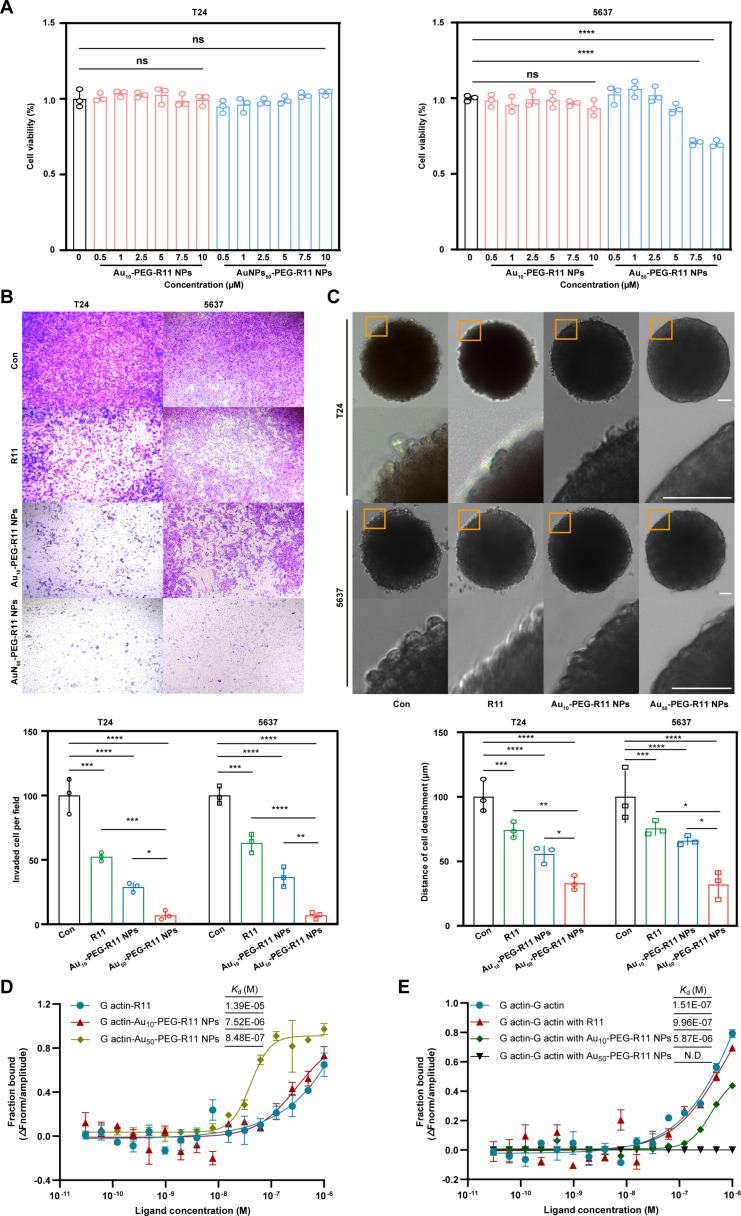 Figure 10
Peer Reviews
No public reviews on file for this paper yet. If you reviewed it on a platform where reviews are public (OpenReview, ICLR, NeurIPS, ICML), you can paste yours below so the community can read it here.
Videos
No videos yet. Explain this paper in a talk, walkthrough, or lecture? Add one.
Taxonomy
TopicsCell Adhesion Molecules Research · RNA Interference and Gene Delivery · Nanoplatforms for cancer theranostics