Endolithic fungal diversity is present in the unique phosphatized rocks of an environmentally extreme equatorial archipelago revealed by DNA amplicon metagenomics
Laucélly Bárbara Avelar Rocha, Vívian Nicolau Gonçalves, Fábio Soares de Oliveira, Guilherme Resende Corrêa, Eduardo Osório Senra, Eduardo Baudson Duarte, Fabyano A. C. Lopes, Micheline C. Silva, Peter Convey, Paulo E. A. S. Câmara, Luiz Henrique Rosa

TL;DR
This study used DNA sequencing to discover diverse fungi living inside rocks from a harsh equatorial archipelago, revealing potential extremophiles and pathogens.
Contribution
The paper reports the first fungal diversity assessment in phosphatized rocks of the São Pedro and São Paulo archipelago using eDNA amplicon metagenomics.
Findings
Endolithic fungi included cosmopolitan, extremophilic, and pathogenic species.
Ascomycota was the dominant fungal phylum, with moderate to low diversity indices.
Further culturing is needed to confirm viability and explore biotechnological potential.
Abstract
We evaluated endolithic fungal diversity associated with rocks sampled at the polyextreme Brazilian São Pedro and São Paulo archipelago using a DNA amplicon metagenomics approach. We detected 808,547 fungal DNA reads grouped into 92 amplicon sequence variants (ASVs). The rocks sampled were geologically characterized as mylonitized peridotites, serpentinized peridotites, and carbonate-matrix sedimentary breccias. Ascomycota was the dominant phylum, followed by Basidiomycota, Mucoromycota, Mortierellomycota and Chytridiomycota. Hortaea werneckii, Cladosporium sp., Simplicillium sp., Blastobotrys serpentis, Penicillium sp., P. simplicissimum, Malassezia restricta, Ascomycota sp., Verrucariaceae sp., and Fungal sp. were the dominant assigned taxa. The endolithic assemblages displayed moderate to low diversity indices. Among the fungal community, only the dominant Fungal sp. occurred in all…
Genes, proteins, chemicals, diseases, species, mutations and cell lines named across the full text — each resolved to its canonical identifier and authoritative record.
Click any figure to enlarge with its caption.
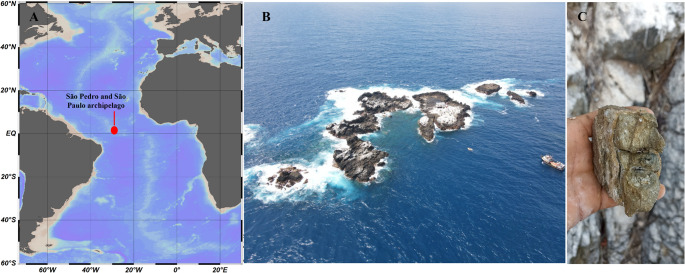 Figure 1
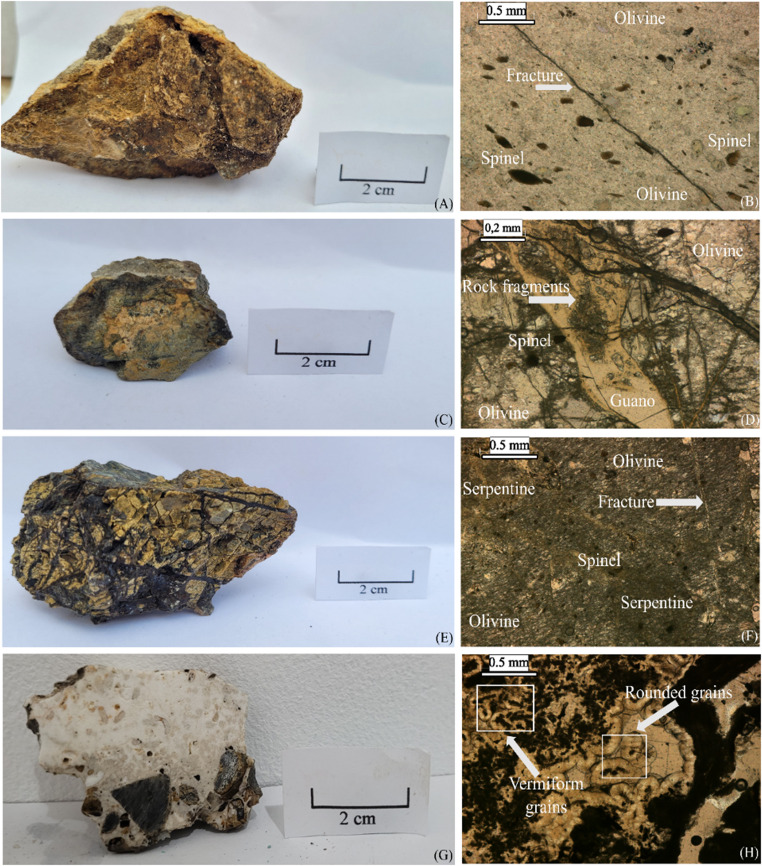 Figure 2
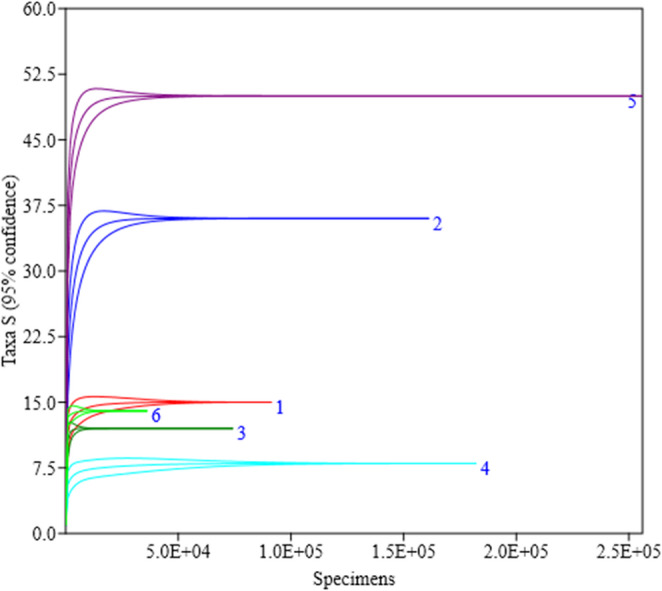 Figure 3
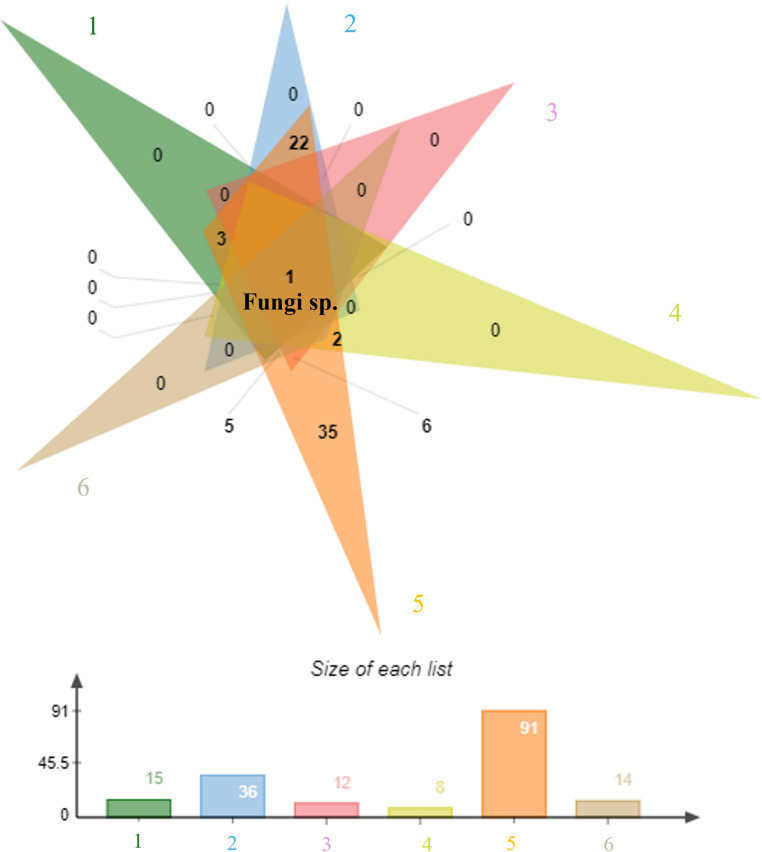 Figure 4
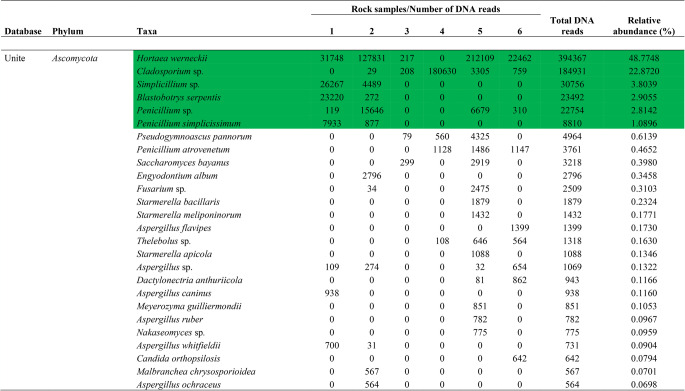 Figure 5
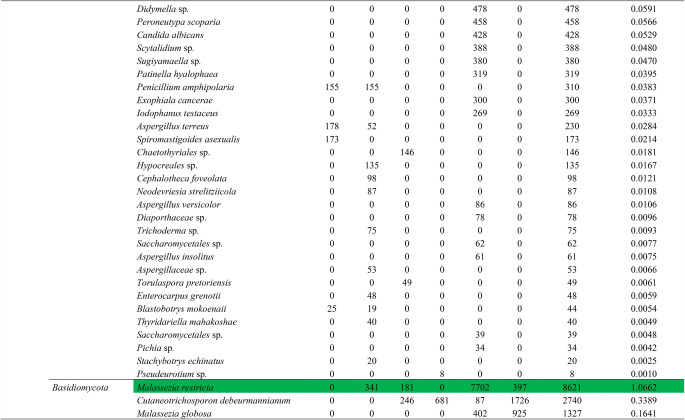 Figure 6
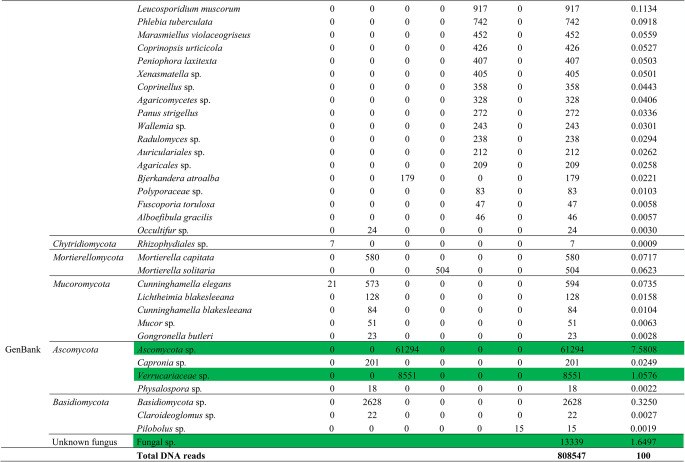 Figure 7
Peer Reviews
No public reviews on file for this paper yet. If you reviewed it on a platform where reviews are public (OpenReview, ICLR, NeurIPS, ICML), you can paste yours below so the community can read it here.
Videos
No videos yet. Explain this paper in a talk, walkthrough, or lecture? Add one.
Taxonomy
TopicsBuilding materials and conservation · Microbial Community Ecology and Physiology · Genomics and Phylogenetic Studies