Bushen Huoxue decoction alleviates bisphenol a-induced infertility through the PMK-1 mitogen-activated protein kinases signaling pathway and downstream mitochondrial unfolded protein response in Caenorhabditis elegans
Linlin Chen, Kanglu Wu, Chenyi Shou, Lijun Zhang, Mengya Tu, Borui Wang, Yun Cai, Zihui Zheng, Jia Sun, Qinli Ruan, Jun Guo

TL;DR
This study shows how a traditional Chinese medicine improves fertility in worms exposed to a harmful chemical by reducing stress and protecting cells.
Contribution
The study identifies the PMK-1 MAPK pathway and UPRmt as key mechanisms by which BSHX decoction improves fertility in a BPA-exposed model.
Findings
BSHX decoction increases fertility by inhibiting RHO-1 protein accumulation in oocytes.
BSHX activates the PMK-1 MAPK pathway and UPRmt to reduce mitochondrial stress and improve fertility.
A combination of BSHX metabolites mimics the fertility-enhancing effects of the full decoction.
Abstract
Bushen Huoxue (BSHX) decoction is a traditional Chinese medicine formula that has been utilized clinically to treat Diminished Ovarian Reserve. However, the underlying mechanisms by which BSHX decoction increases fertility from the perspective of systemic stress protective responses remain poorly understood. This study aims to investigate how BSHX decoction improves female fertility by improving systemic stress resistance in a fertility-defective Caenorhabditis elegans model. Bisphenol A (BPA) was utilized to create a fertility-defective C. elegans model. Brood size was used to evaluate fertility. Survival under heat stress was used to evaluate stress resistance. Loss-of-function mutants and fluorescent protein transgenic strains were used to evaluate gene function. Polymerase chain reaction and RNA interference were used to detect gene expression levels or protein function. BSHX…
Genes, proteins, chemicals, diseases, species, mutations and cell lines named across the full text — each resolved to its canonical identifier and authoritative record.
Click any figure to enlarge with its caption.
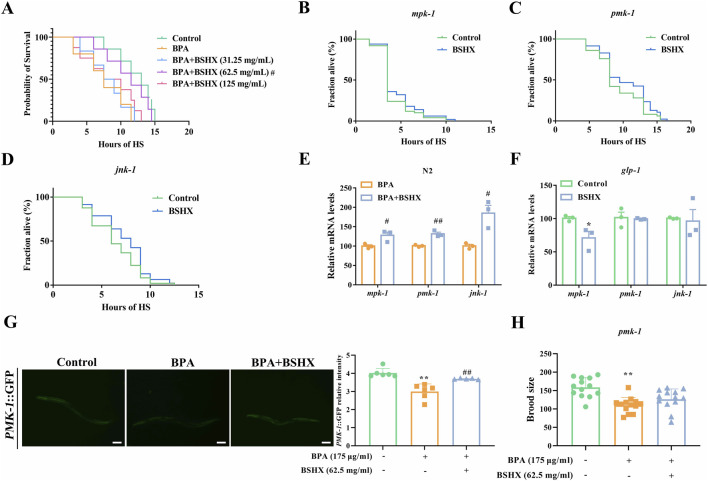 Figure 1
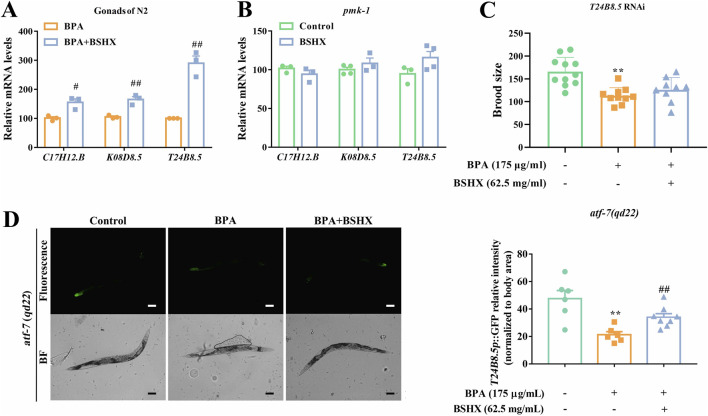 Figure 2
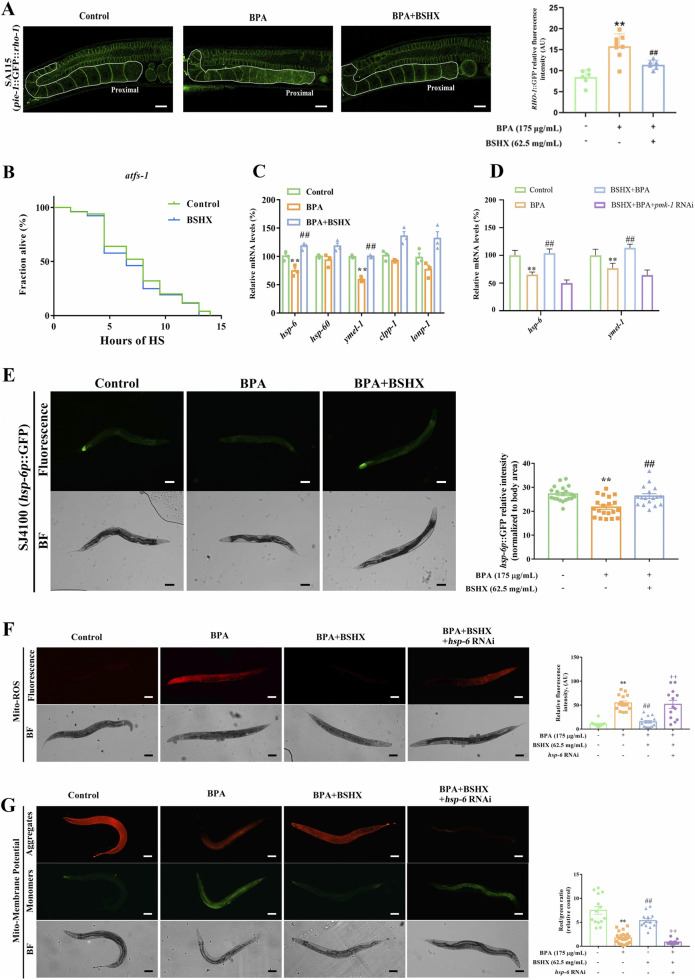 Figure 3
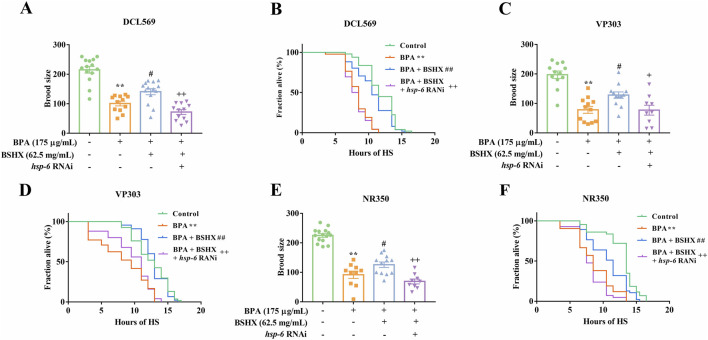 Figure 4
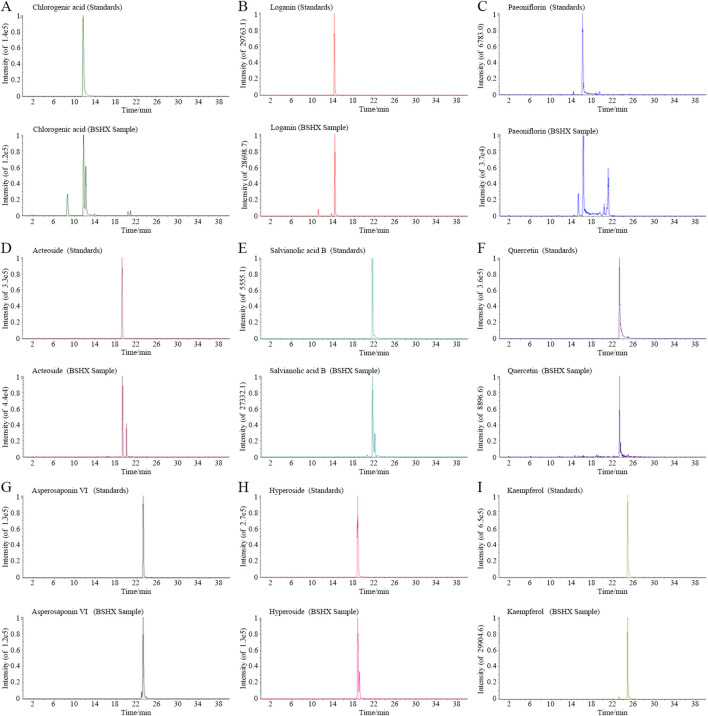 Figure 5
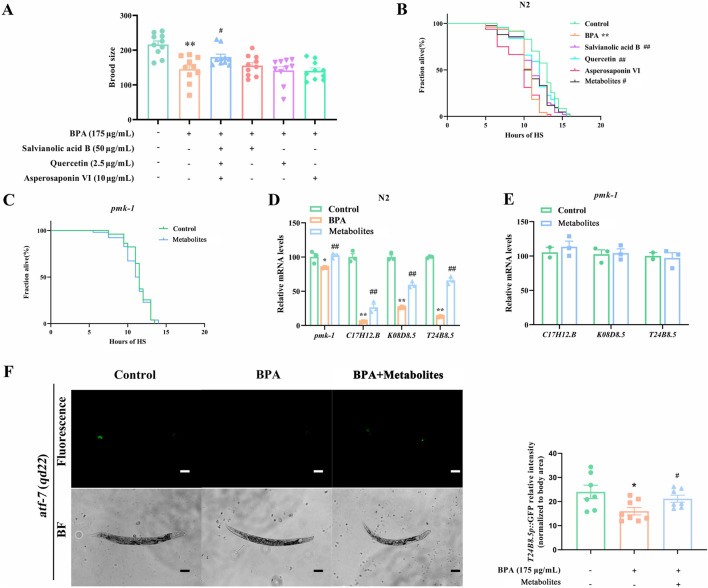 Figure 6
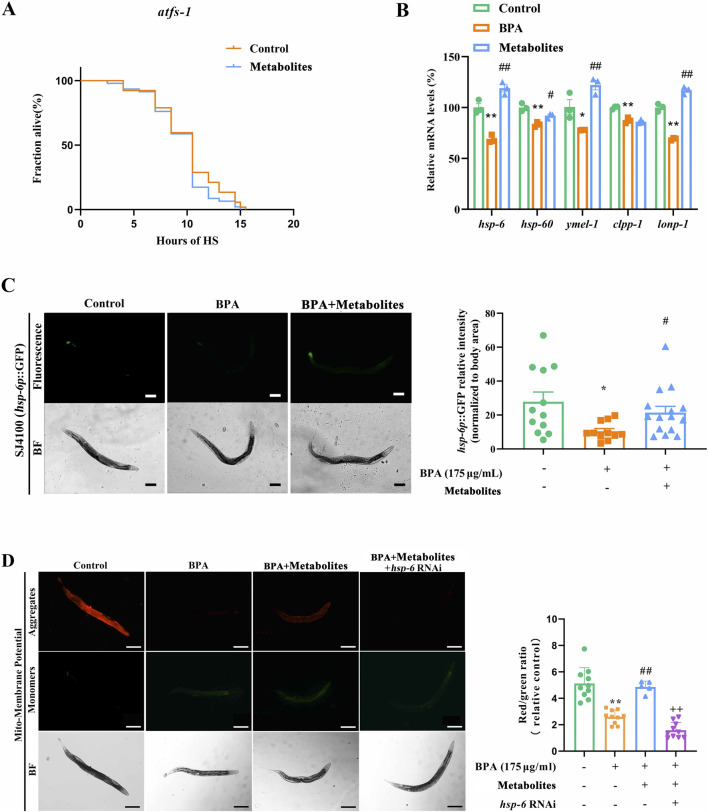 Figure 7
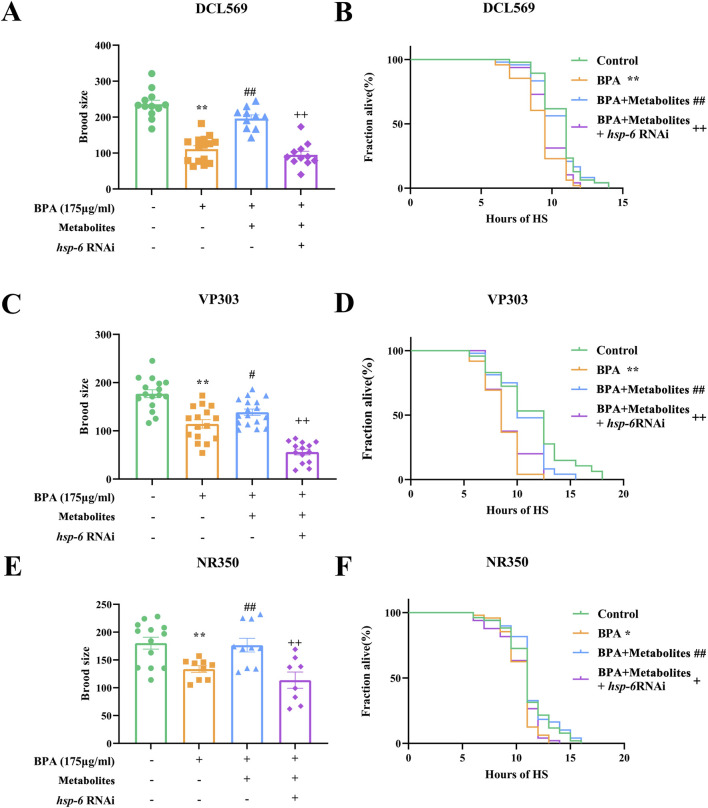 Figure 8
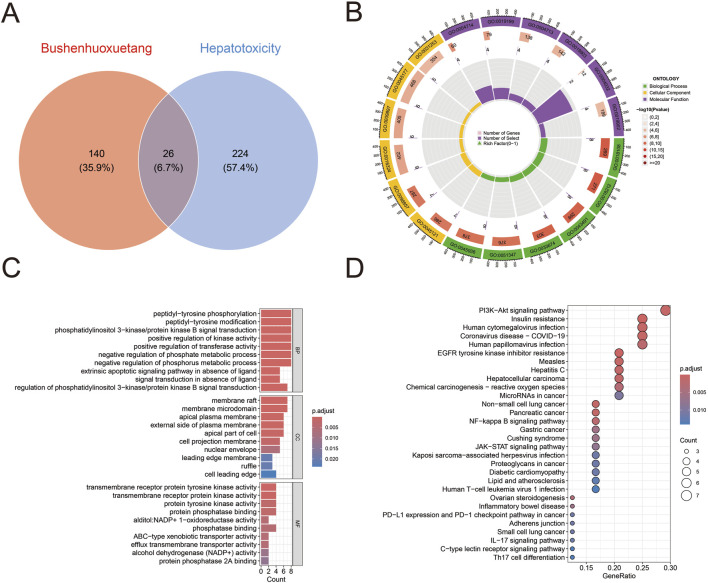 Figure 9
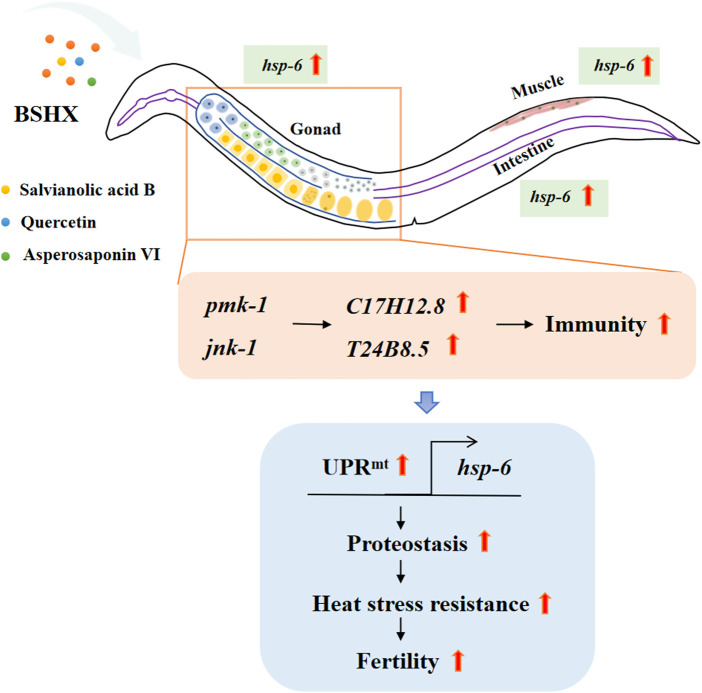 Figure 10
Peer Reviews
No public reviews on file for this paper yet. If you reviewed it on a platform where reviews are public (OpenReview, ICLR, NeurIPS, ICML), you can paste yours below so the community can read it here.
Videos
No videos yet. Explain this paper in a talk, walkthrough, or lecture? Add one.
Taxonomy
TopicsGenetics, Aging, and Longevity in Model Organisms · Reproductive Biology and Fertility · Pluripotent Stem Cells Research