Novel features of Mycoplasma genitalium genomes identified through Oxford Nanopore sequence analysis of isolates from Australia
Jose L. Huaman, Catriona S. Bradshaw, Teck-Phui Chua, Erica L. Plummer, Jennifer A. Danielewski, Lenka A. Vodstrcil, Suzanne M. Garland, Gerald L. Murray

TL;DR
Researchers used new sequencing methods to study Mycoplasma genitalium genomes from Australian isolates, revealing genomic features and resistance patterns.
Contribution
The study introduces optimized Vero cell culture and Oxford Nanopore sequencing to generate complete M. genitalium genomes.
Findings
59% of isolates had a translocated rRNA operon with high identity to MgPar regions.
High rates of macrolide and fluoroquinolone resistance were observed in isolates.
Three isolates with mgpB 161 allele shared specific resistance mutations across multiple genes.
Abstract
Mycoplasma genitalium is a fastidious human pathogen with increasing antimicrobial resistance, yet its genomic landscape remains poorly characterized due to difficulties with culture, including prolonged incubation periods and low DNA yields from both clinical and cultured samples. Consequently, there are few publicly available genome sequences. In this study, a Vero cell culture protocol was optimized to increase M. genitalium DNA yield and integrated with Oxford Nanopore technology. As a result, 22 complete genome sequences were generated with a mean sequencing depth of 51.01×. Comparative genomics revealed that 59% of isolates contained a translocated rRNA operon, with junction flanks showing ~90% identity to the MgPar repetitive regions known to be associated with genomic rearrangement. Phylogenetic analysis revealed multiple groups encompassing both recent and deeply branching…
Genes, proteins, chemicals, diseases, species, mutations and cell lines named across the full text — each resolved to its canonical identifier and authoritative record.
Click any figure to enlarge with its caption.
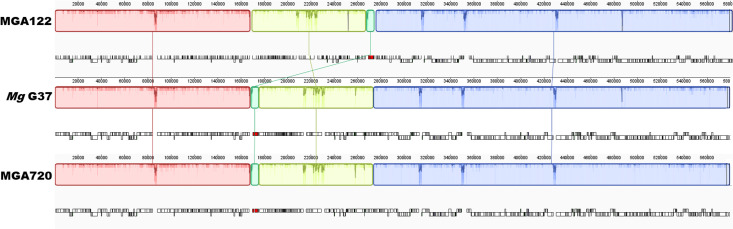 Figure 1
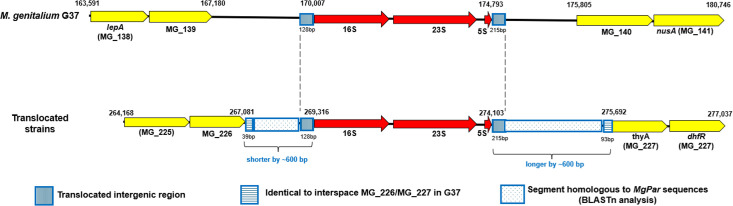 Figure 2
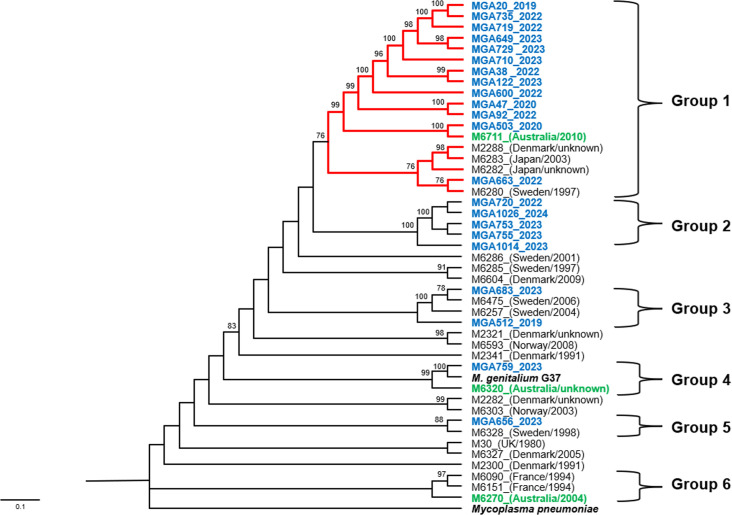 Figure 3
Peer Reviews
No public reviews on file for this paper yet. If you reviewed it on a platform where reviews are public (OpenReview, ICLR, NeurIPS, ICML), you can paste yours below so the community can read it here.
Videos
No videos yet. Explain this paper in a talk, walkthrough, or lecture? Add one.
Taxonomy
TopicsReproductive tract infections research · Microbial infections and disease research · vaccines and immunoinformatics approaches