Analgesic effects of bulleyaconitine A: new advances in research from ion channel targets to clinical translation
Zili Yin, Xinlian Song, Changcheng Zhu, Anguo Hou, Rong Chen

TL;DR
Bulleyaconitine A (BLA) is a plant-derived compound with strong pain-relieving effects and low addiction risk, offering a promising alternative to opioids.
Contribution
The paper reviews recent advances in understanding BLA's mechanisms and strategies to improve its clinical translation.
Findings
BLA blocks sodium channels, activates opioid receptors, and reduces inflammation to relieve various types of pain.
New drug delivery systems and structural modifications are addressing BLA's poor bioavailability and toxicity.
BLA shows potential for treating conditions like visceral hypersensitivity and pain-related anxiety disorders.
Abstract
Chronic pain represents a significant global health concern, posing a severe threat to human wellbeing and affecting up to 20% of the adult population. Bulleyaconitine A (BLA), a diterpenoid alkaloid derived from plants of the Aconitum genus with in the Ranunculaceae family, demonstrates remarkable analgesic properties with a low potential for addiction, thus broad clinical application prospects compared to opioids. Extensive research has elucidated multiple pharmacological mechanisms underlying the analgesic effects of BLA, including state-dependent blockade of voltage-gated sodium channels, activation of the κ-opioid receptor pathway in spinal microglia, and anti-inflammatory immunomodulatory effects through inhibition of the NF-κB pathway. These mechanisms have been validated in various pain models, including neuropathic pain, cancer pain, rheumatoid arthritis pain, and visceral…
Genes, proteins, chemicals, diseases, species, mutations and cell lines named across the full text — each resolved to its canonical identifier and authoritative record.
Click any figure to enlarge with its caption.
 Figure 1
 Figure 2
 Figure 3
 Figure 4
 Figure 5
 Figure 6
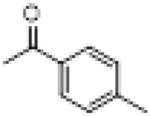 Figure 7
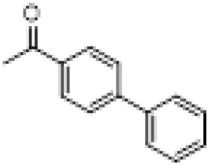 Figure 8
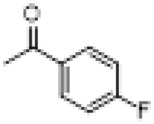 Figure 9
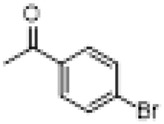 Figure 10
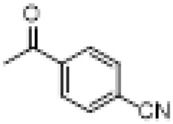 Figure 11
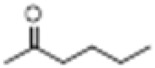 Figure 12
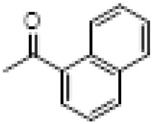 Figure 13
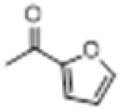 Figure 14
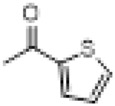 Figure 15
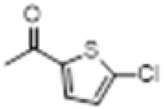 Figure 16
 Figure 17
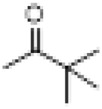 Figure 18
 Figure 19
 Figure 20
 Figure 21
 Figure 22
 Figure 23
 Figure 24
 Figure 25
 Figure 26
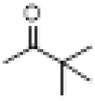 Figure 27
 Figure 28
 Figure 29
 Figure 30
 Figure 31
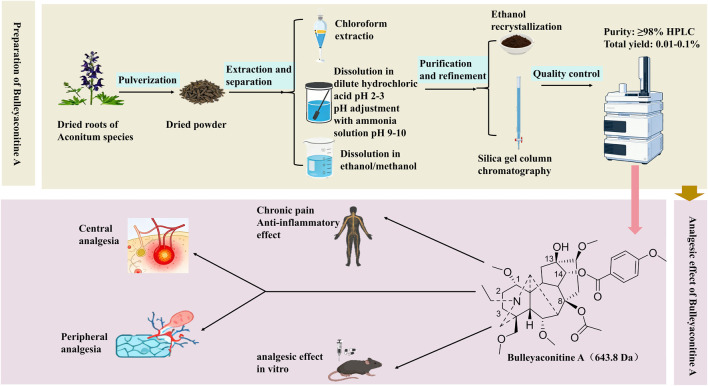 Figure 32
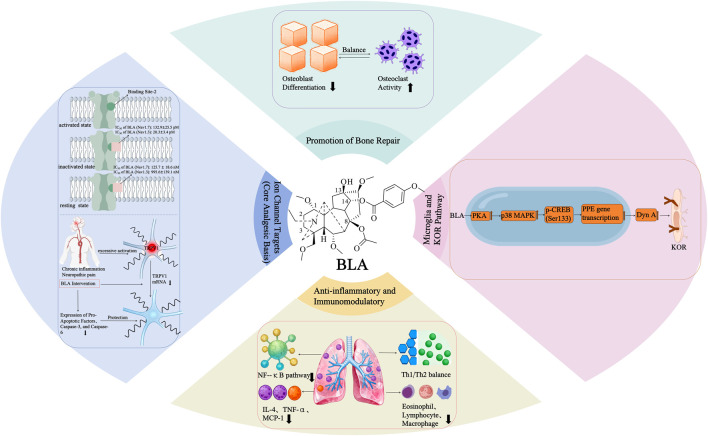 Figure 33
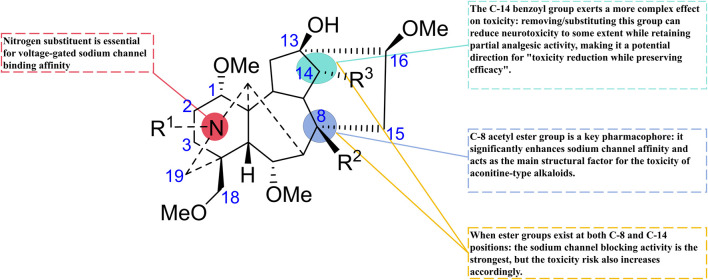 Figure 34
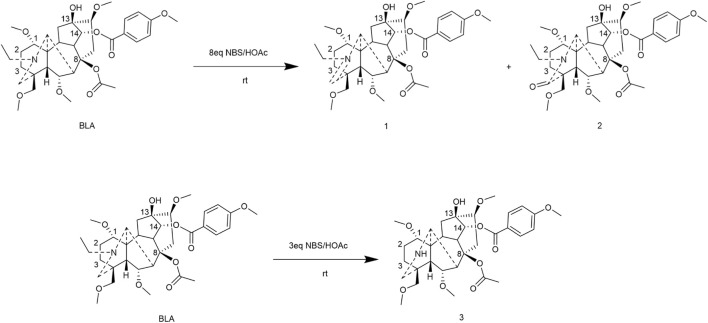 Figure 35
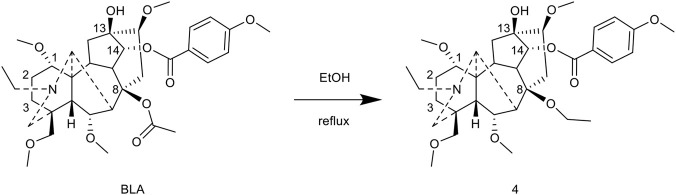 Figure 36
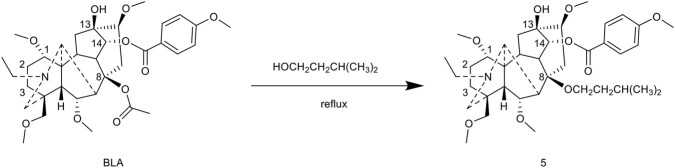 Figure 37
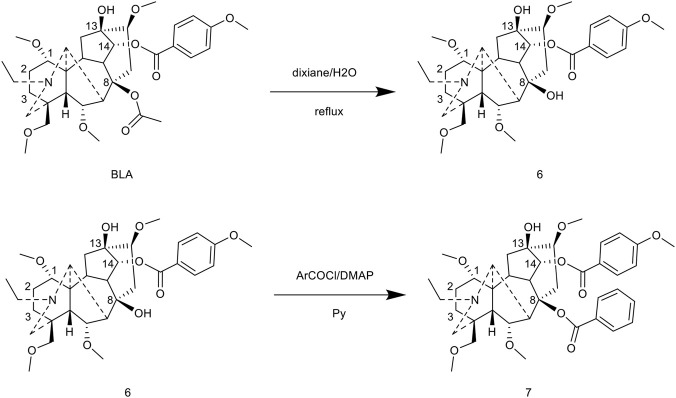 Figure 38
 Figure 39
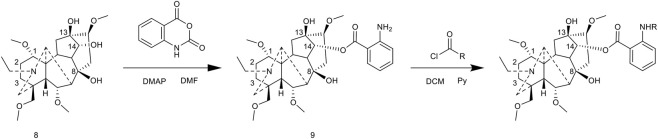 Figure 40
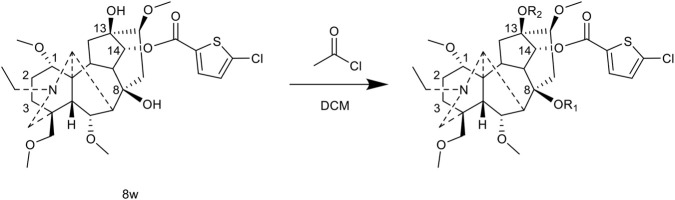 Figure 41
 Figure 42
Peer Reviews
No public reviews on file for this paper yet. If you reviewed it on a platform where reviews are public (OpenReview, ICLR, NeurIPS, ICML), you can paste yours below so the community can read it here.
Videos
No videos yet. Explain this paper in a talk, walkthrough, or lecture? Add one.
Taxonomy
TopicsPlant-based Medicinal Research · Berberine and alkaloids research · Neuropeptides and Animal Physiology