Reliability of a gamified tablet-based tapping digital test for assessing motor coordination in adults
Yasmim Fernandes Moniz, Luis Duarte Andrade Ferreira

TL;DR
A new gamified tablet test for measuring motor coordination in adults shows good reliability and could be useful in clinical settings.
Contribution
The study introduces a novel gamified digital test for motor coordination with verified intra-rater reliability.
Findings
The Tapping Digital Test showed good intra-rater reliability (ICC of 0.80 for right hand and 0.85 for left hand).
The test had moderate correlation with the Tapping Test but weak correlations with other traditional tests.
The gamified test is proposed as a novel and accessible tool for assessing fine motor coordination.
Abstract
Motor coordination can be defined as the ability to perform motor tasks efficiently and in the shortest possible time. This skill is essential in daily life, as many tasks require a certain level of coordination. Assessing motor coordination is crucial, particularly in motor rehabilitation, making the availability of accessible and effective tools to measure this variable essential for clinical practice. The objective of this study was to verify the reliability of a new gamified motor coordination test (Tapping Digital Test on a tablet interface) and to investigate the correlation of this test with traditional assessment methods, including the Tapping Test, Box and Blocks Test, and Nine Hole Peg Test. A total of 45 healthy adults were recruited to participate, performing all motor coordination tests across two assessments with a 1-week interval between them. The results showed good…
Click any figure to enlarge with its caption.
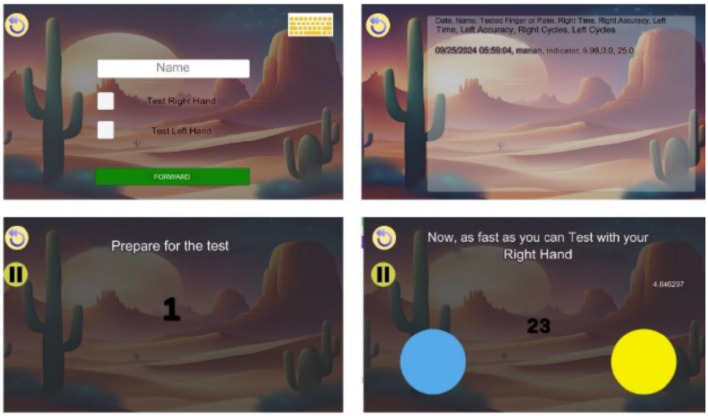 Figure 1
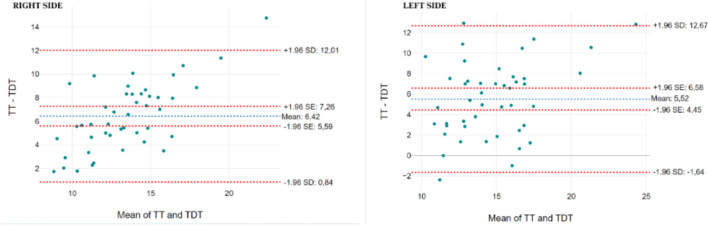 Figure 2
Peer Reviews
No public reviews on file for this paper yet. If you reviewed it on a platform where reviews are public (OpenReview, ICLR, NeurIPS, ICML), you can paste yours below so the community can read it here.
Videos
No videos yet. Explain this paper in a talk, walkthrough, or lecture? Add one.
Taxonomy
TopicsChildren's Physical and Motor Development · Stroke Rehabilitation and Recovery · Motor Control and Adaptation