Effects of low-serum adaptation on growth and protein expression in stably lactoferrin-overexpressing mammary alveolar cells
Zhenxing Qiang, Xiaoqian Cai, Zhenzhen Zhang, Hui Wang, Qiuying Wang, Yajing Ji, Guangpeng Li, Guanghua Su, Lei Yang, Weicang Qiao, Junying Zhao, Ming Chen, Chunling Bai, Lijun Chen

TL;DR
Researchers adapted mammary cells to grow with low serum while maintaining lactoferrin production, which could reduce costs and improve scalability for industrial applications.
Contribution
A novel low-serum adaptation strategy was developed to sustain bovine mammary cell growth and lactoferrin expression.
Findings
Cells maintained stable proliferation at 1% fetal bovine serum under both adaptation strategies.
Adding knockout serum replacement and insulin-transferrin-selenium increased growth rate by 30%.
Lactoferrin mRNA and protein levels remained consistent under low-serum conditions.
Abstract
Long-term culture with high serum concentrations increases culture costs, accelerates cell senescence, and limits industrial-scale applications. Serum reduction adaptation is an effective solution for addressing these issues. In this study, we aimed to investigate the effects of two low-serum adaptation strategies on the growth and lactoferrin expression in stably LTF-overexpressing bovine mammary alveolar cells transfected with large T antigen (MAC-T). Two adaptation protocols of serum concentration reduction and dual-medium gradient adaptation were implemented to progressively reduce serum dependence in MAC-T cells. Under both adaptation modes, cells maintained stable proliferation at 1% fetal bovine serum (FBS). At the 0.5% FBS (serum reduction) and 10% basal control medium, equivalent to 1% FBS in dual-medium adaptation stages, adding 10% knockout™ serum replacement and 1%…
Genes, proteins, chemicals, diseases, species, mutations and cell lines named across the full text — each resolved to its canonical identifier and authoritative record.
Click any figure to enlarge with its caption.
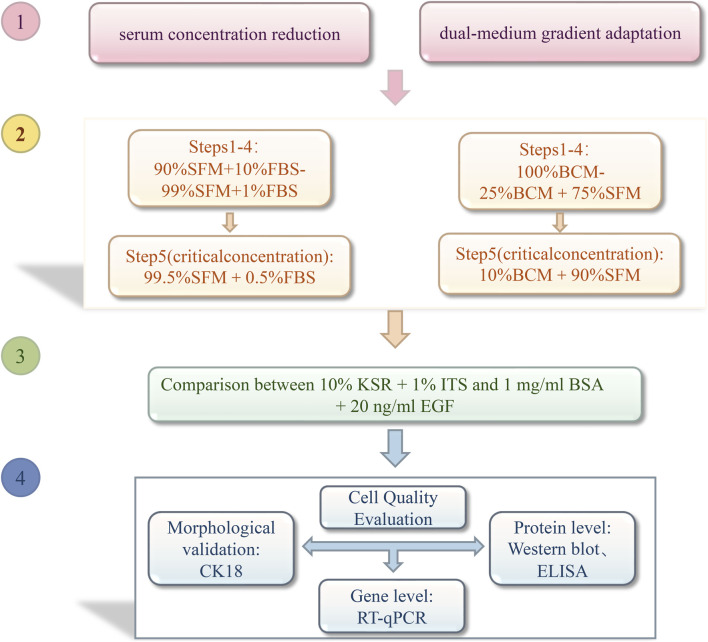 Figure 1
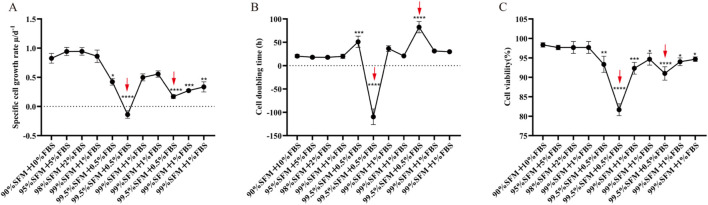 Figure 2
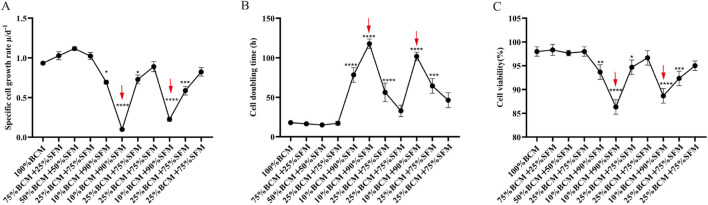 Figure 3
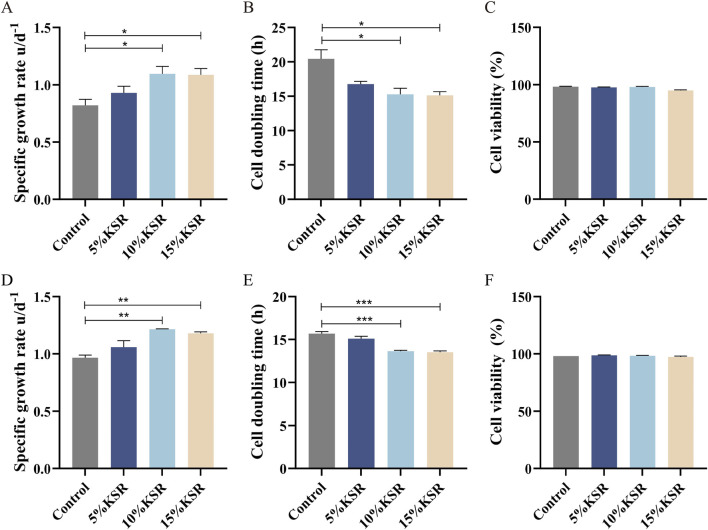 Figure 4
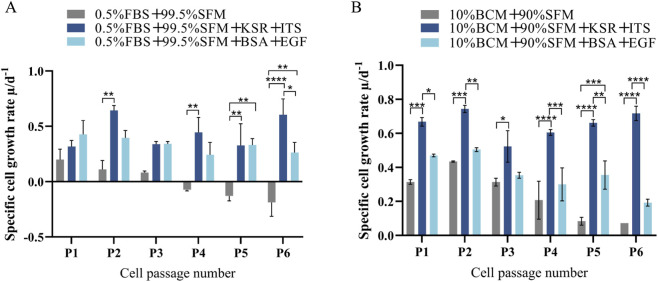 Figure 5
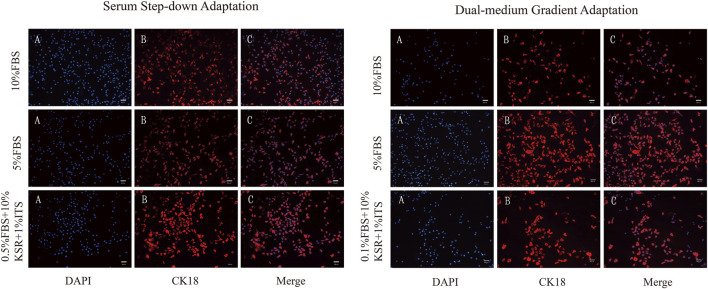 Figure 6
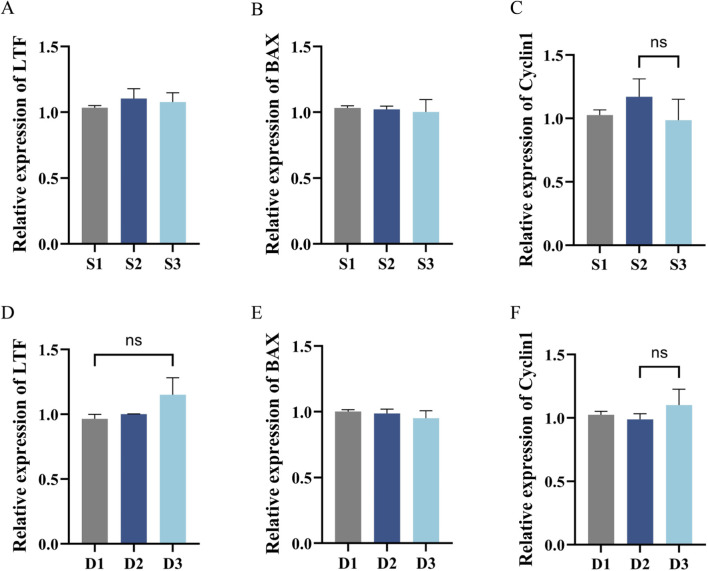 Figure 7
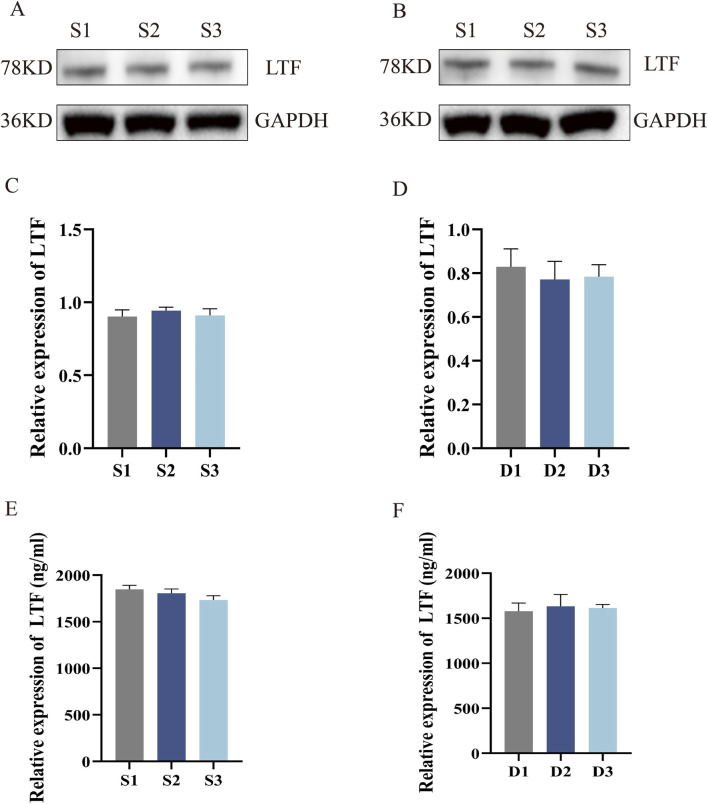 Figure 8
Peer Reviews
No public reviews on file for this paper yet. If you reviewed it on a platform where reviews are public (OpenReview, ICLR, NeurIPS, ICML), you can paste yours below so the community can read it here.
Videos
No videos yet. Explain this paper in a talk, walkthrough, or lecture? Add one.
Taxonomy
TopicsInfant Nutrition and Health · Pancreatic function and diabetes · Animal Genetics and Reproduction