Research on spinal characteristics and exercise intervention in 6–18 year old adolescents based on computer vision recognition
Xiangrong Cheng, Jingmin Liu, Yu Liu, Yukihiro Haswgawa, Jianyu Li, Mingliang Ye, Fei Xiao

TL;DR
This study uses computer vision to assess spinal health in 6–18 year old adolescents and finds that specific exercises like football, badminton, and dance can improve spinal tilt angles.
Contribution
The study introduces a computer vision-based method for evaluating spinal health and identifies effective exercise interventions for different spinal issues in adolescents.
Findings
Adolescents show significant spinal tilt and rotation issues, with boys having larger tilt angles than girls.
Football, badminton, and dance improve spinal tilt angles, but effectiveness varies by body part.
Spinal health issues are more pronounced in younger and 18-year-old adolescents, with age and gender differences observed.
Abstract
Spinal health significantly impacts adolescents’ posture, athletic performance, mental well-being, and quality of life. It provides data support for promoting the physical and mental health of adolescents and implementing the construction of a strong education country. This study employed computer vision recognition technology to screen and evaluate the spinal health status of 4,534 adolescents aged 6–18. Through a 12-week exercise intervention, the study compared the effects of different exercise programs on adolescents’ spinal health. (1) The spine characteristics of 4,534 children and adolescents aged 6 ~ 18 years old showed that there were more middle and high risk people with neck forward tilt, neck roll, overall spine roll, high and low shoulder and pelvic rotation, and the tilt or rotation angle of boys was larger than that of girls. (2) From the perspective of age, the tilt…
Click any figure to enlarge with its caption.
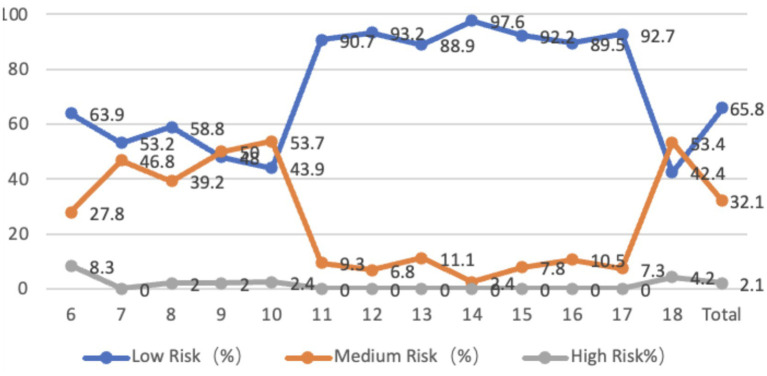 Figure 1
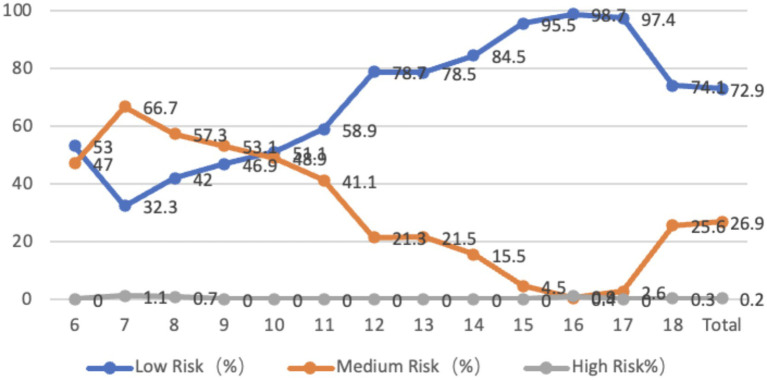 Figure 2
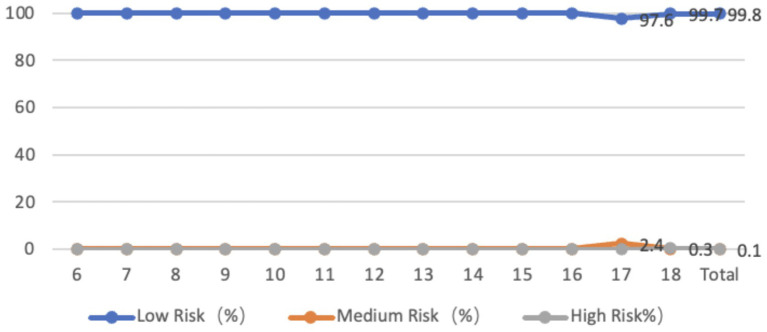 Figure 3
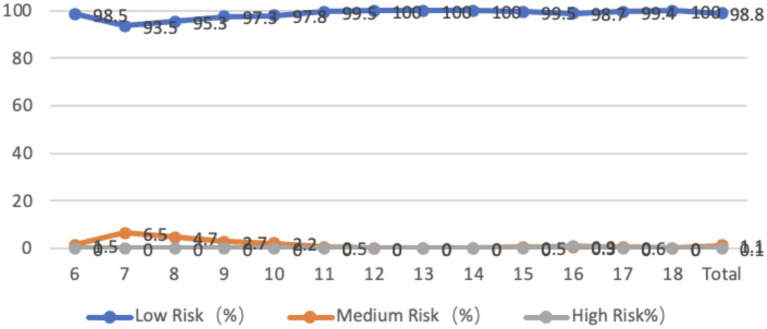 Figure 4
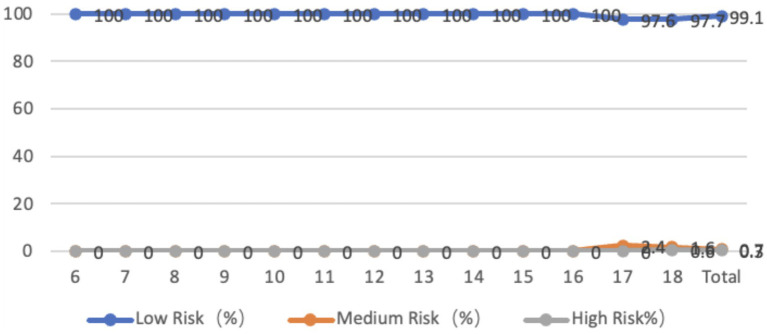 Figure 5
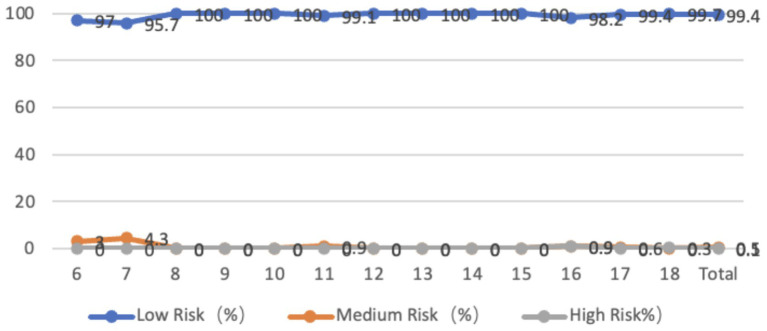 Figure 6
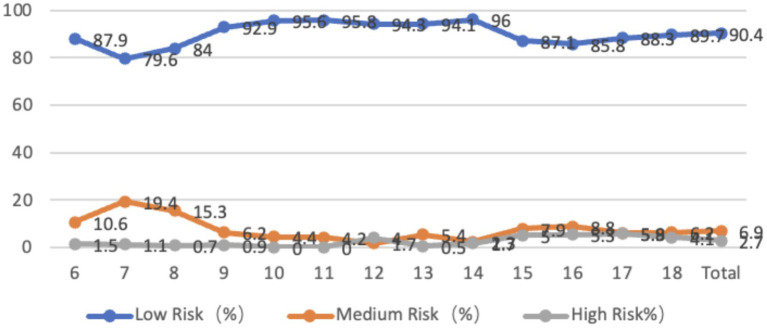 Figure 7
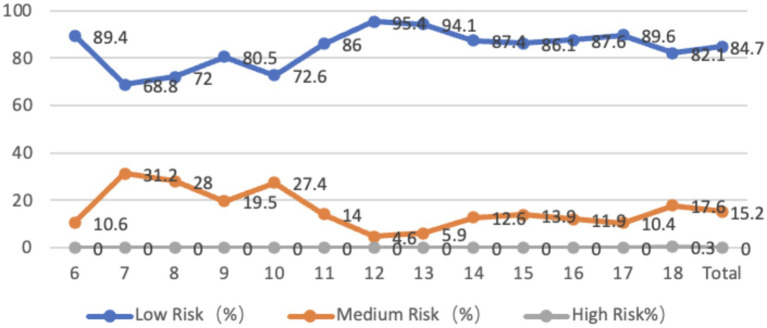 Figure 8
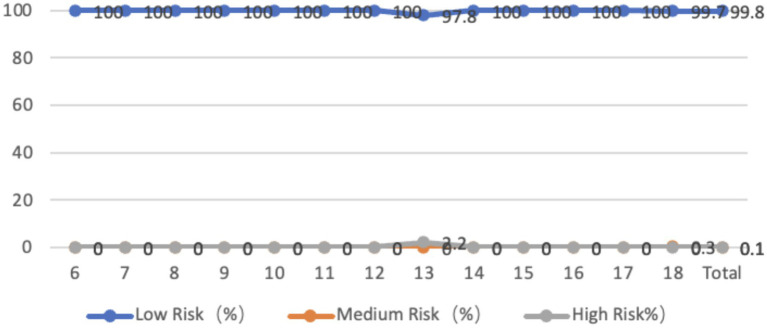 Figure 9
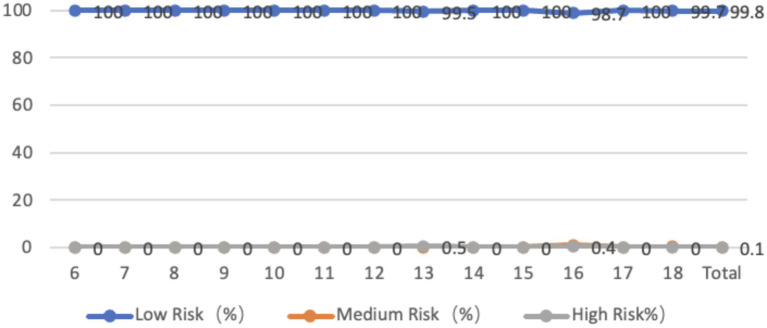 Figure 10
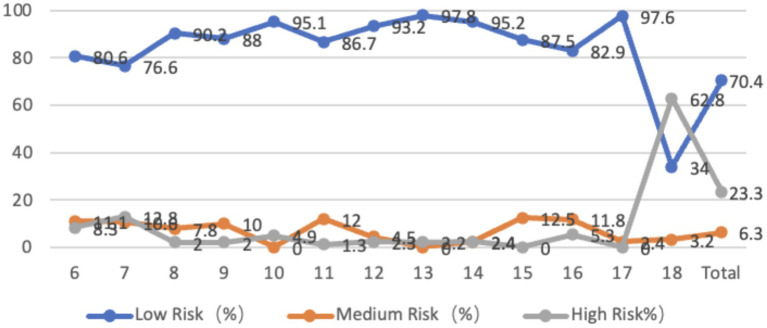 Figure 11
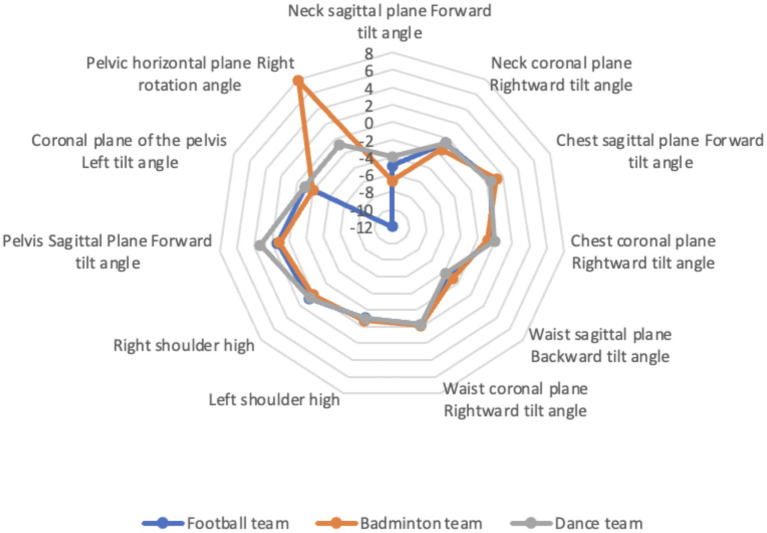 Figure 12
Peer Reviews
No public reviews on file for this paper yet. If you reviewed it on a platform where reviews are public (OpenReview, ICLR, NeurIPS, ICML), you can paste yours below so the community can read it here.
Videos
No videos yet. Explain this paper in a talk, walkthrough, or lecture? Add one.
Taxonomy
TopicsScoliosis diagnosis and treatment · Medical Imaging and Analysis · Musculoskeletal pain and rehabilitation