Template-assisted synthesis of pH-responsive hollow mesoporous silica nanocarriers: the role of engineered pores and surface characteristics
Sahar Gooneh-Farahani, Mohammad Imani, Morteza Daliri Joupari, Abdolreza Simchi

TL;DR
Researchers developed pH-sensitive hollow silica nanoparticles that can release drugs more quickly in acidic environments, which could improve drug delivery in nanomedicine.
Contribution
A green-chemistry method for creating pH-responsive hollow mesoporous silica nanocarriers with tunable pore structures and surface properties is introduced.
Findings
HSNPs with ink-bottle-like mesoporous structures and high surface area were synthesized using polystyrene templates.
pH-responsive drug release was demonstrated, with four times faster desorption at pH=4.5 compared to pH=7.4.
Template removal methods significantly affect pore architecture and surface characteristics of the nanocarriers.
Abstract
Hollow silica nanoparticles (HSNPs), characterized by a hollow interior enclosed within a solid mesoporous silica shell, offer several advantages, including low density, high surface area, excellent adsorption capacity, and biocompatibility, making them highly attractive for diverse applications in fields such as food, construction, electronics, imaging, and nanomedicine. To investigate the largely unexplored role of the hollow interior and surface functionality in the design of smart nanocarriers, we propose a facile, green-chemistry-based approach for the synthesis of HSNPs, utilizing polystyrene nanoparticles (64 ± 11 nm in diameter) as sacrificial templates. An ultrathin mesoporous silica shell, 10–12 nm in thickness, is conformally deposited through the controlled hydrolysis of a Si precursor, yielding a nanocarrier system that enables the high adsorption of macromolecules with a…
Genes, proteins, chemicals, diseases, species, mutations and cell lines named across the full text — each resolved to its canonical identifier and authoritative record.
Click any figure to enlarge with its caption.
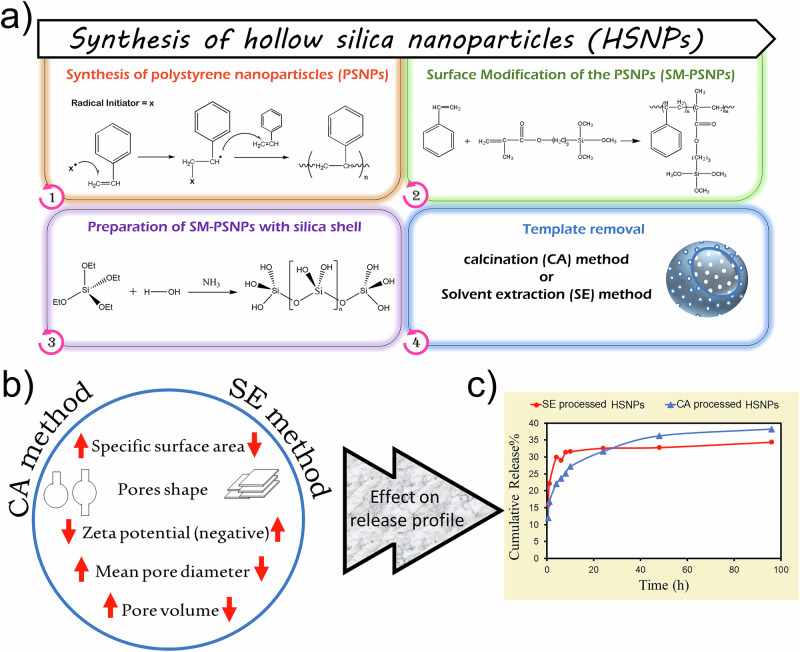 Figure 1
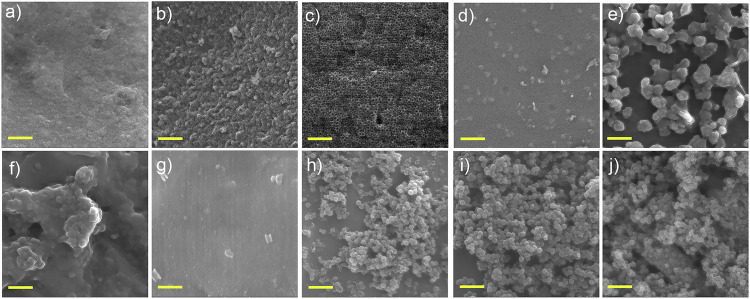 Figure 2
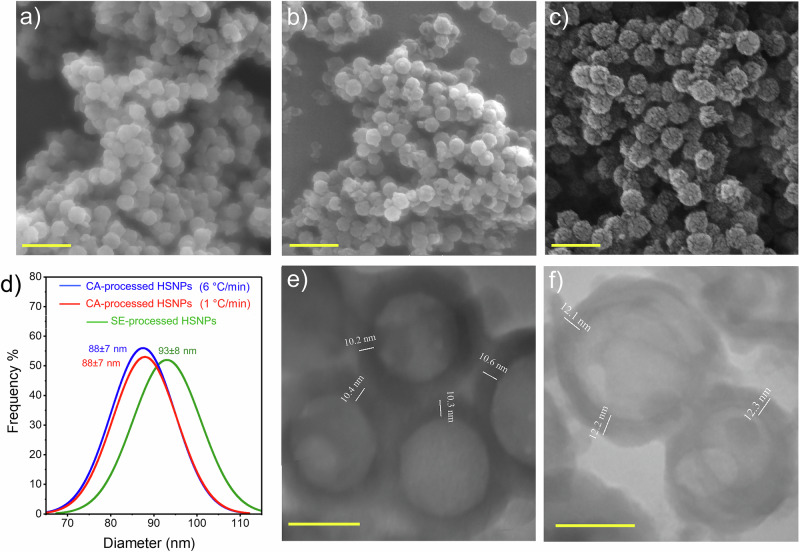 Figure 3
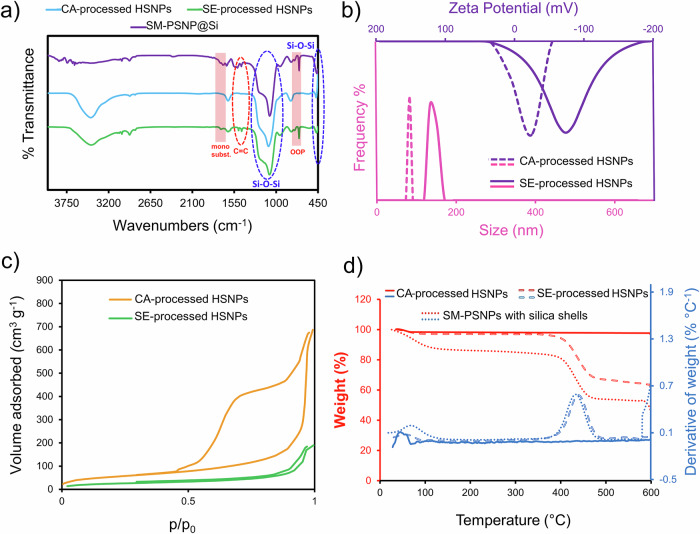 Figure 4
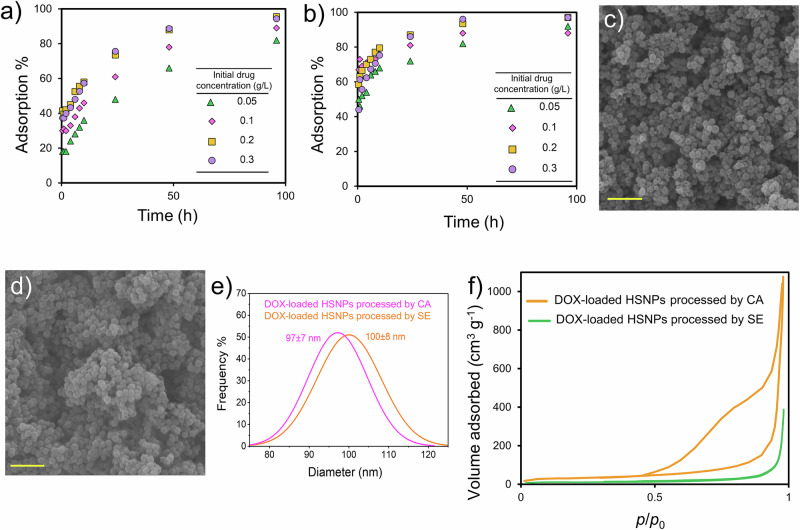 Figure 5
 Figure 6
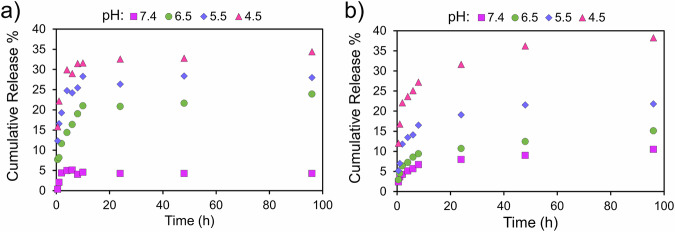 Figure 7
 Figure 8
 Figure 9
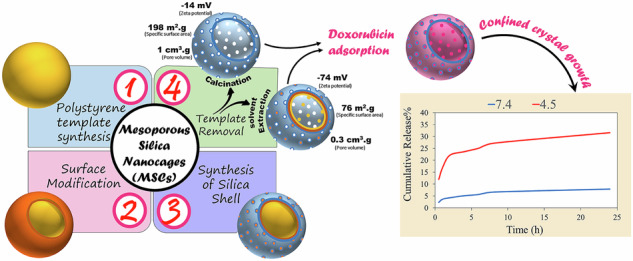 Figure 10
Peer Reviews
No public reviews on file for this paper yet. If you reviewed it on a platform where reviews are public (OpenReview, ICLR, NeurIPS, ICML), you can paste yours below so the community can read it here.
Videos
No videos yet. Explain this paper in a talk, walkthrough, or lecture? Add one.
Taxonomy
TopicsMesoporous Materials and Catalysis · Aerogels and thermal insulation · Diatoms and Algae Research