Predicted Effects of Patient Variability and Notch Signaling on In Situ Vascular Tissue Engineering
Jordy G. M. van Asten, Cecilia M. Sahlgren, Jay D. Humphrey, Tommaso Ristori, Sandra Loerakker

TL;DR
This study uses computational models to explore how patient differences and Notch signaling affect the success of engineered blood vessels.
Contribution
The study introduces a computational model to identify sources of variability in vascular tissue engineering outcomes and evaluates Notch signaling manipulation.
Findings
Differential inflammation, scaffold degradation, and pre-stretch are major sources of variability in TEVG outcomes.
Immobilizing Jagged ligands on scaffolds improves some TEVG functionalities but does not reduce outcome variability significantly.
Combining Jagged immobilization with other treatments may enhance TEVG performance under patient-specific conditions.
Abstract
In situ vascular tissue engineering aims to create living blood vessel replacements from biodegradable scaffolds. The functionality of these tissue-engineered vascular grafts (TEVGs) has often been limited, with substantial failure rate and outcome variability. Current optimization strategies seem unable to satisfy all requirements for functional TEVGs and the key sources of outcome variability remain unclear. Here, we computationally explored potential sources of TEVG variability and effects of manipulating Notch, a key vascular signaling pathway. We simulated the evolution of a TEVG from a degradable scaffold under varying patient-specific conditions, driven by immuno-mechano-mediated growth and remodeling mechanisms including Notch. Our simulations suggest that differential inflammatory production, scaffold degradation, and scaffold axial pre-stretch are major sources of variability…
Genes, proteins, chemicals, diseases, species, mutations and cell lines named across the full text — each resolved to its canonical identifier and authoritative record.
Click any figure to enlarge with its caption.
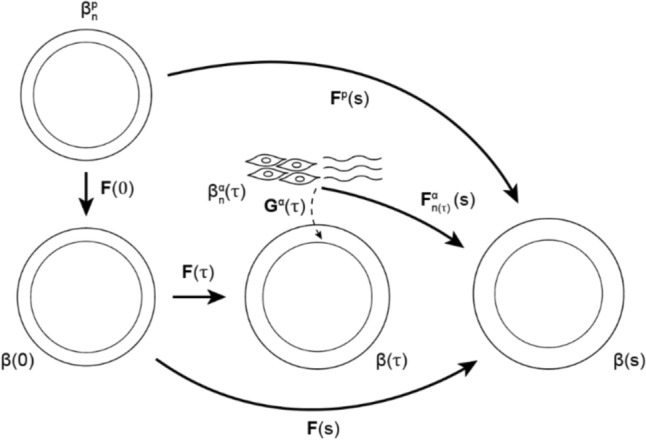 Figure 1
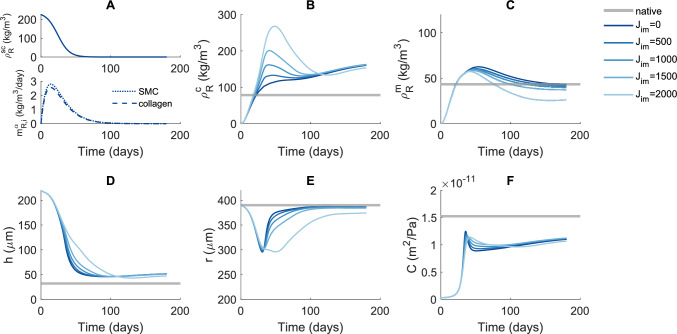 Figure 2
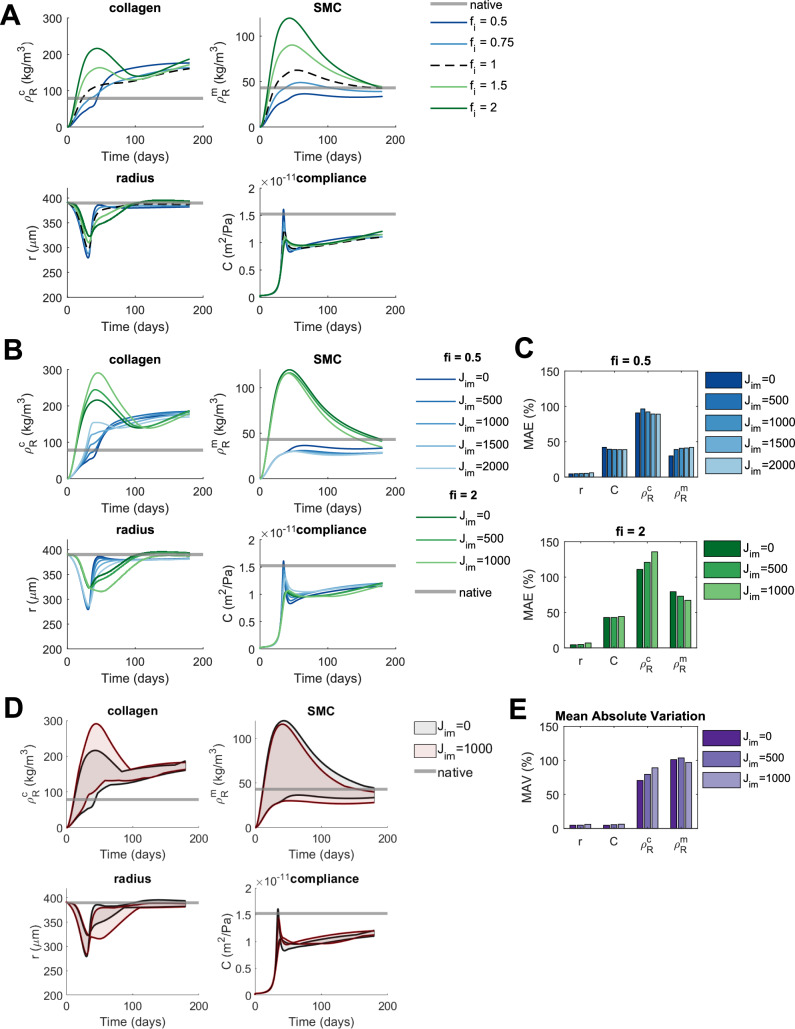 Figure 3
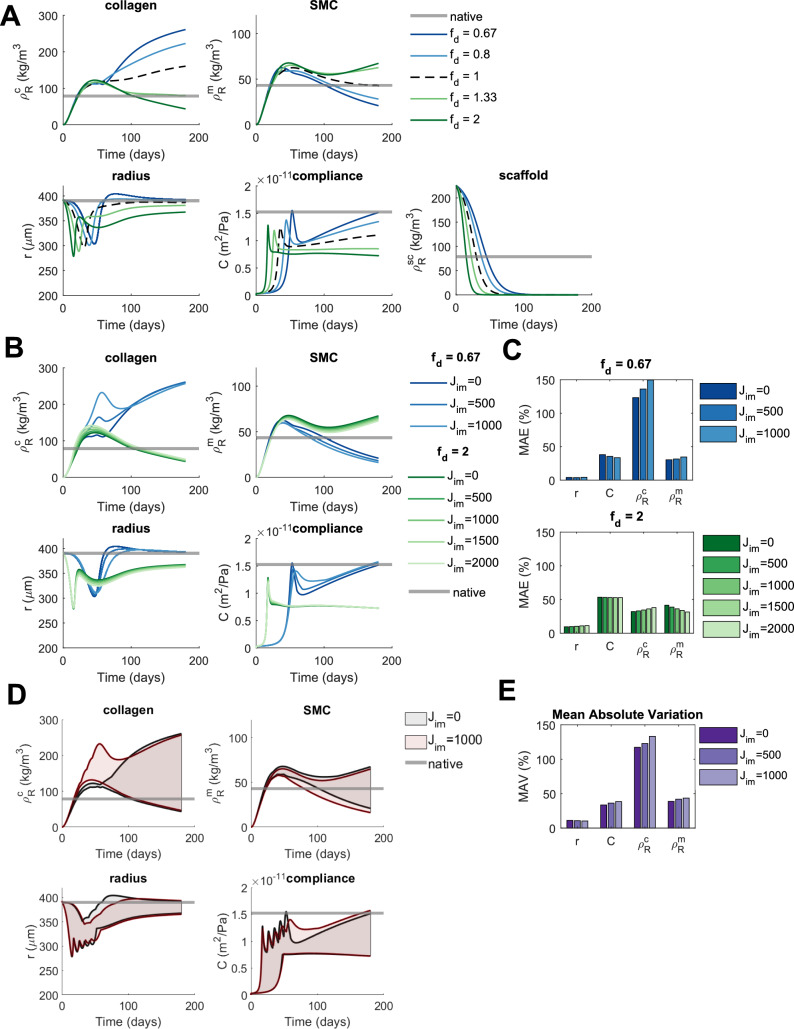 Figure 4
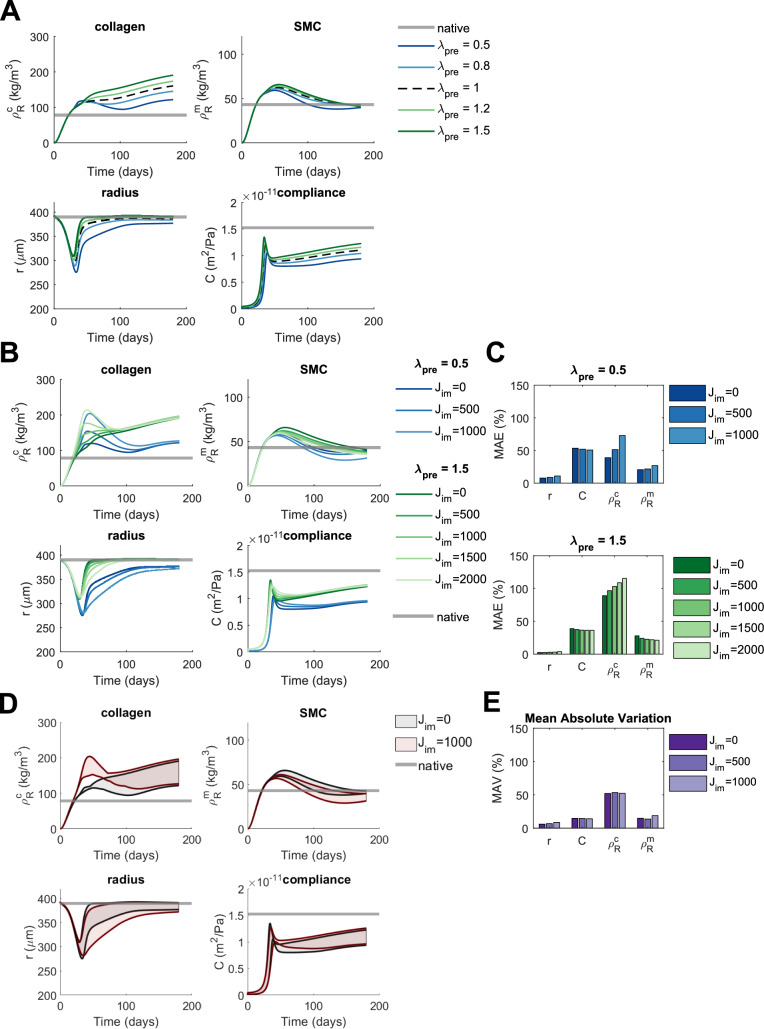 Figure 5
Peer Reviews
No public reviews on file for this paper yet. If you reviewed it on a platform where reviews are public (OpenReview, ICLR, NeurIPS, ICML), you can paste yours below so the community can read it here.
Videos
No videos yet. Explain this paper in a talk, walkthrough, or lecture? Add one.
Taxonomy
TopicsElectrospun Nanofibers in Biomedical Applications · 3D Printing in Biomedical Research · Angiogenesis and VEGF in Cancer