Computational prioritization of multi-target inhibitors: explainable QSAR and docking-based discovery of dual AChE/BACE1 chemotypes
İsa Bozkır, Merve Seda İbişoğlu, İlknur Kayıkçıoğlu Bozkır, Halil İbrahim Güler

TL;DR
This paper presents a computational method to identify dual inhibitors of AChE and BACE1, which are relevant for Alzheimer's disease treatment.
Contribution
The study introduces an explainable QSAR and docking-based pipeline for discovering dual AChE/BACE1 inhibitors.
Findings
The GBDT + ECFP6 model achieved high performance with Recall ≈ 1.00 and PR-AUC ≈ 0.84.
SHAP analysis identified aromatic and hydrogen-bonding substructures as key contributors to inhibition.
Prospective candidates showed favorable CNS properties and oral drug-likeness.
Abstract
The discovery of dual acetylcholinesterase (AChE) and β-secretase (BACE1) inhibitors remains a promising strategy against multifactorial Alzheimer’s disease. Here, rigorously curated ChEMBL-derived data were used to develop explainable QSAR (Quantitative structure–activity relationship) models for dual-inhibition prioritization. Molecules were standardized, near-duplicates were removed using a Tanimoto similarity threshold (≥ 0.80), and physicochemical outliers were filtered prior to modeling. Multiple classifiers (including Light Gradient-Boosting Machine, eXtreme Gradient Boosting, Random Forest, Support Vector Machine, k-Nearest Neighbors and Gradient Boosting Decision Trees) and fingerprints (e.g., RDKit fingerprints, Extended Connectivity Fingerprint) were benchmarked under scaffold-based nested cross-validation to prevent data leakage. Class imbalance was handled with SMOTETomek…
Genes, proteins, chemicals, diseases, species, mutations and cell lines named across the full text — each resolved to its canonical identifier and authoritative record.
Click any figure to enlarge with its caption.
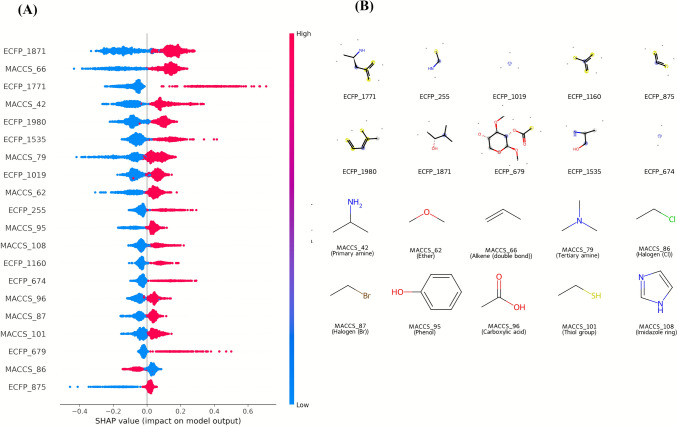 Figure 10
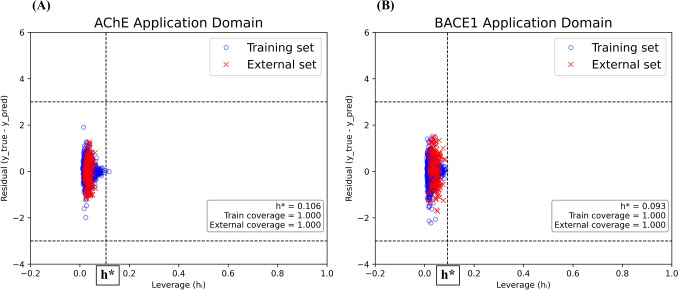 Figure 11
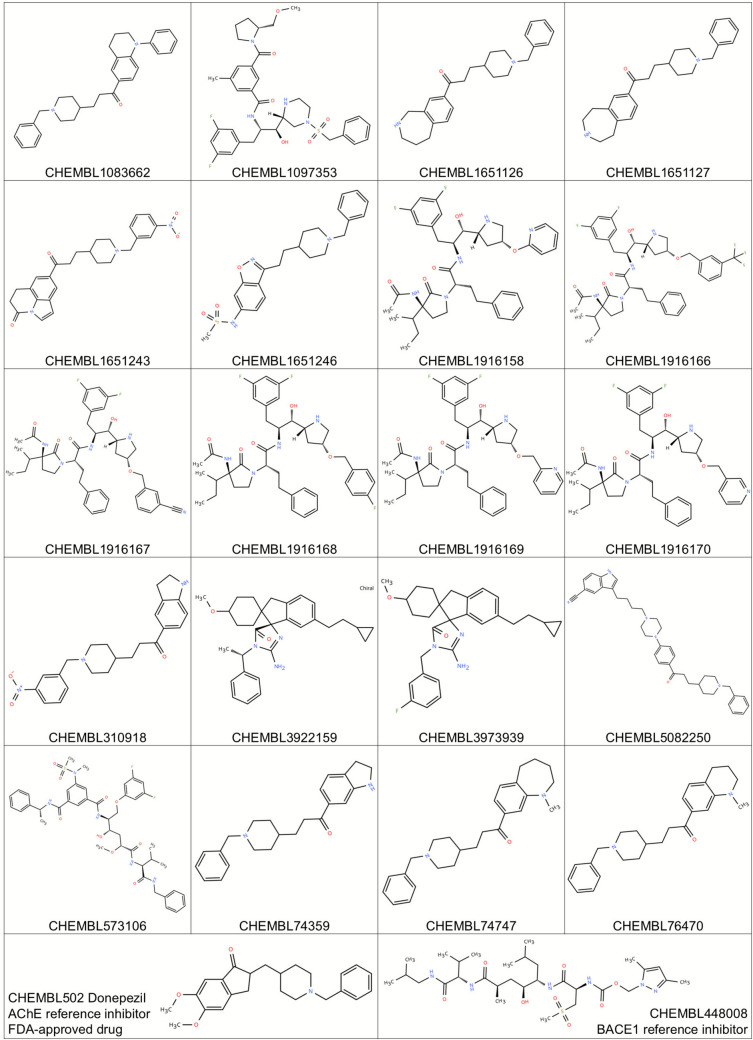 Figure 12
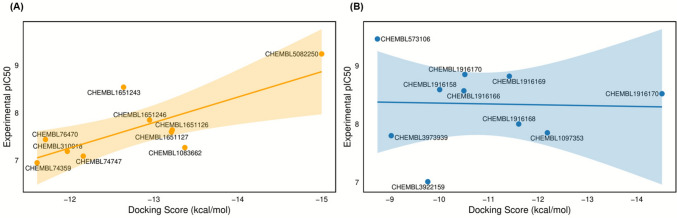 Figure 13
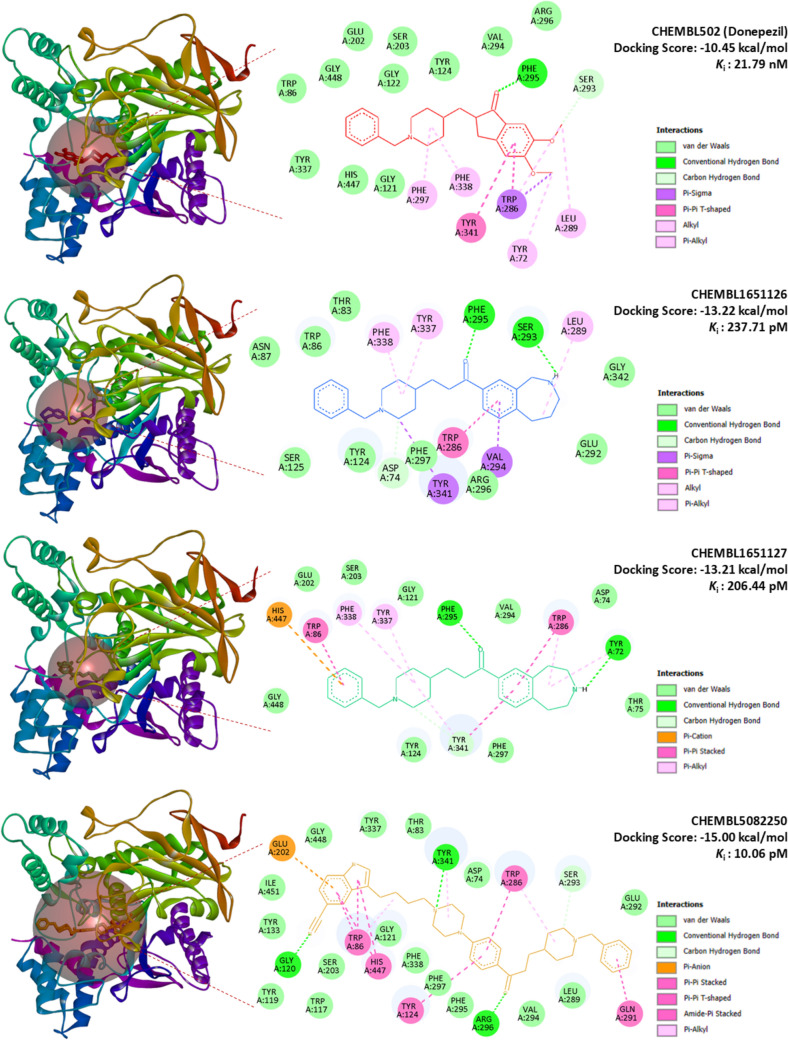 Figure 14
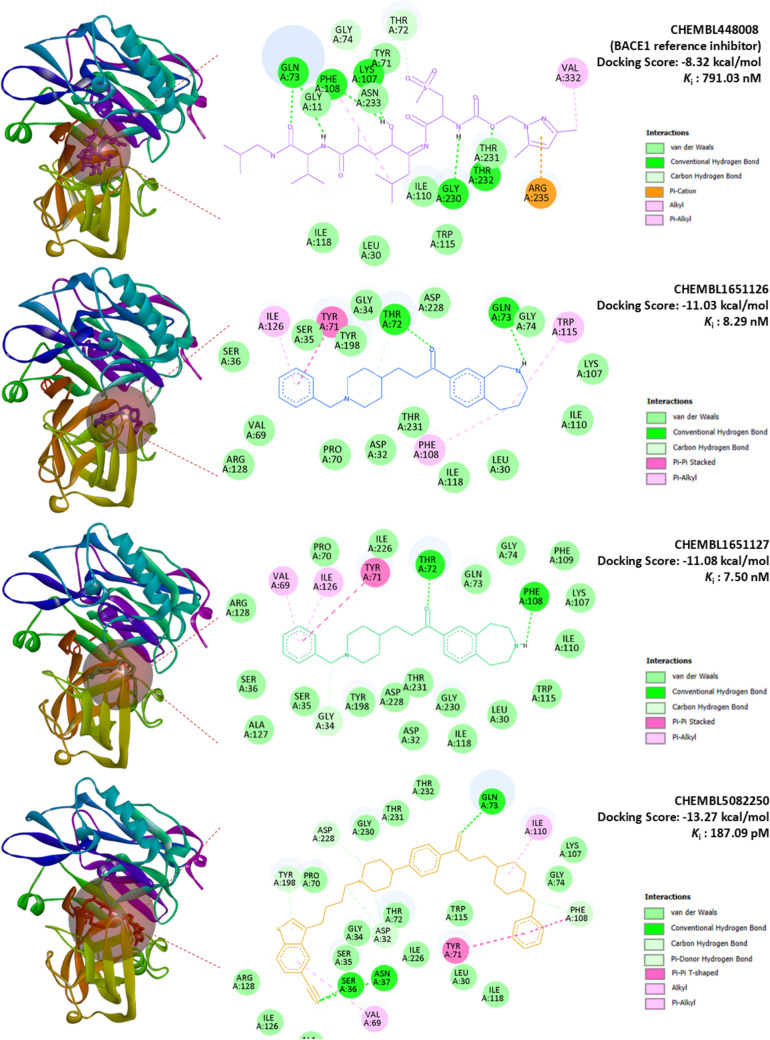 Figure 15
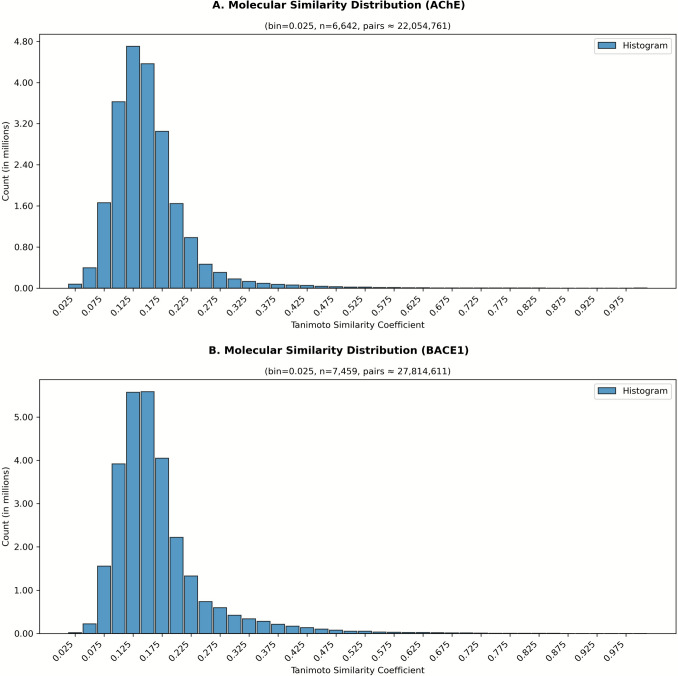 Figure 1
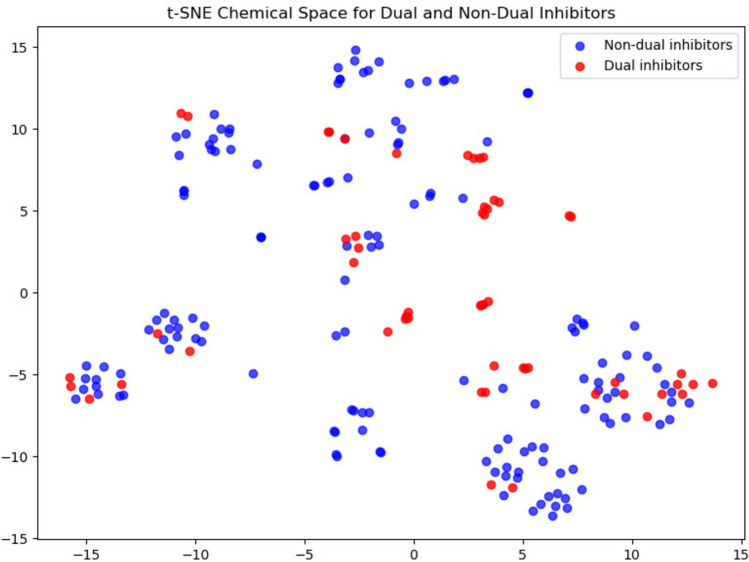 Figure 2
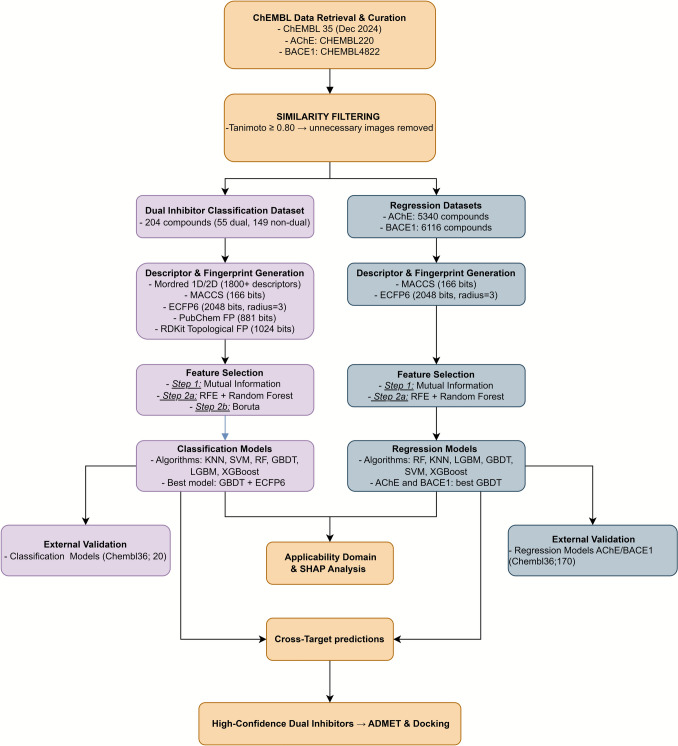 Figure 3
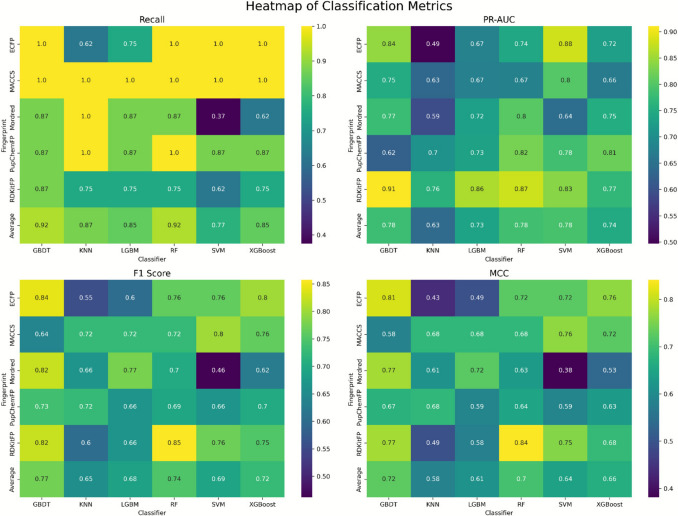 Figure 4
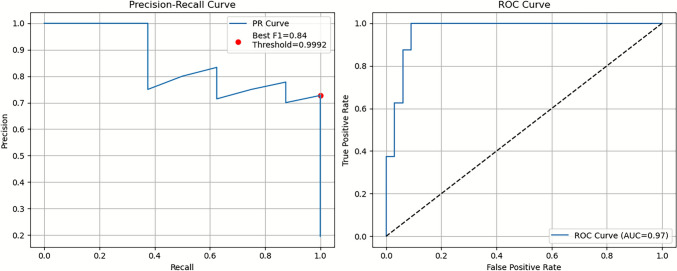 Figure 5
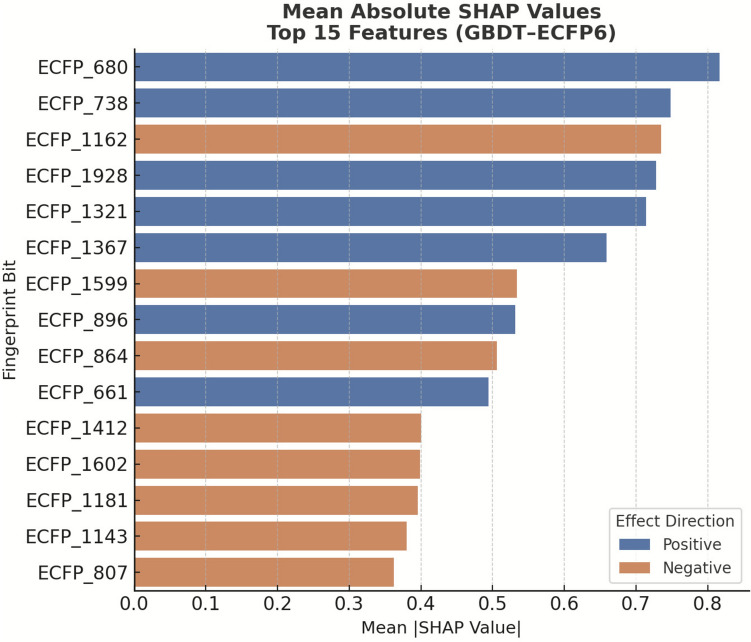 Figure 6
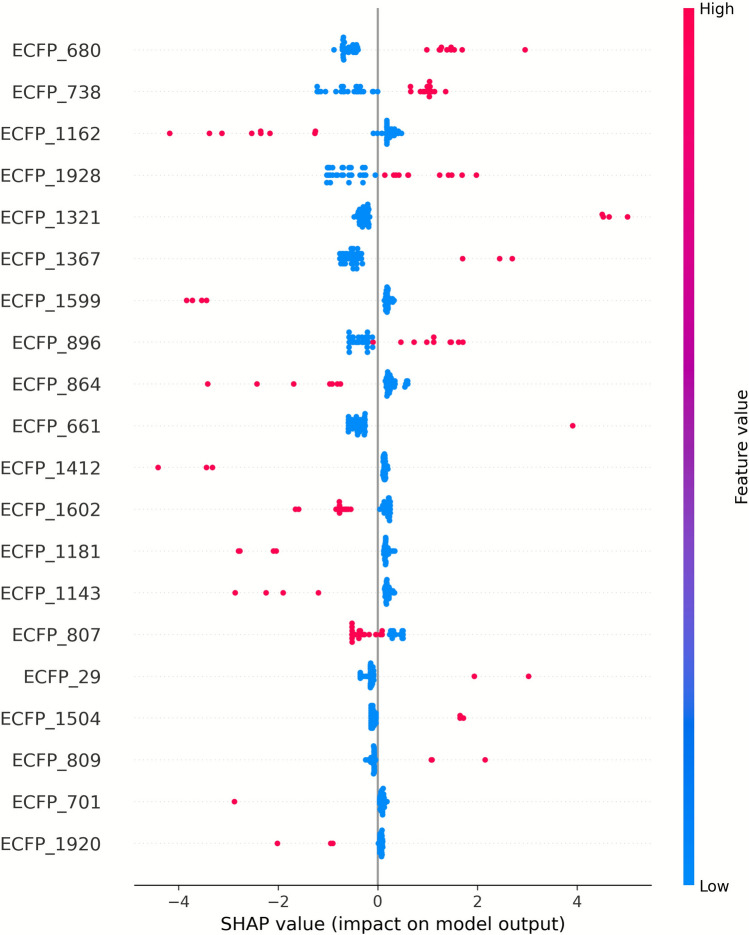 Figure 7
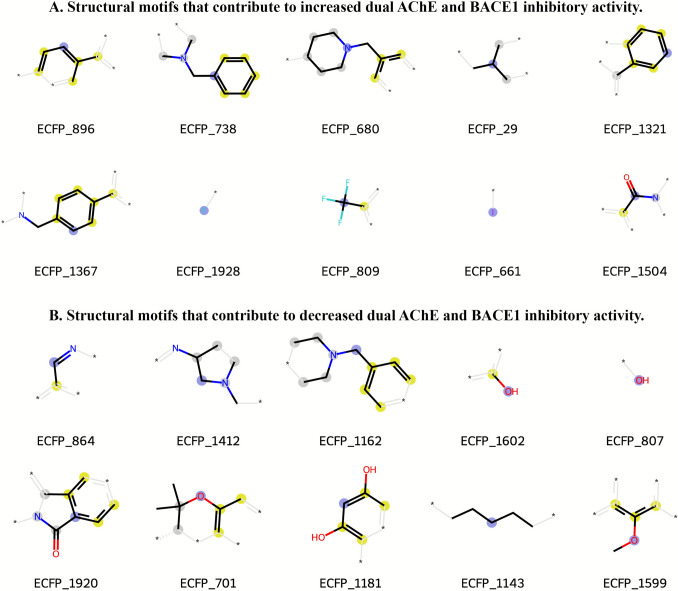 Figure 8
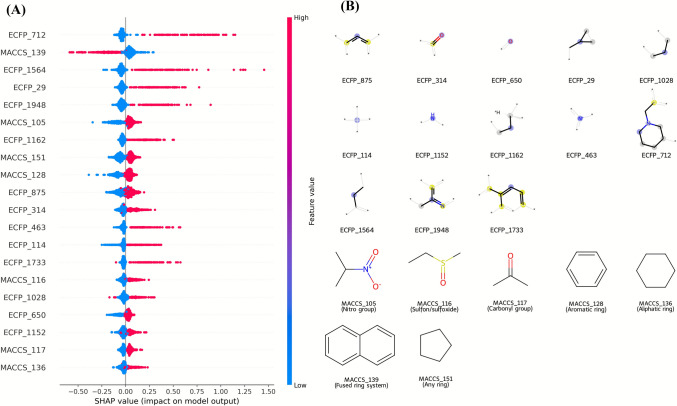 Figure 9
Peer Reviews
No public reviews on file for this paper yet. If you reviewed it on a platform where reviews are public (OpenReview, ICLR, NeurIPS, ICML), you can paste yours below so the community can read it here.
Videos
No videos yet. Explain this paper in a talk, walkthrough, or lecture? Add one.
Taxonomy
TopicsCholinesterase and Neurodegenerative Diseases · Computational Drug Discovery Methods · Alzheimer's disease research and treatments