Sustained Delivery of Chondrogenic Molecules Using Sugar Glass Nanoparticle-Integrated Fibrous Scaffolds for Cartilage Tissue Engineering
To Wang, Yiwei Dong, Marcus T. Cicerone, Wan-Ju Li

TL;DR
Researchers developed a new type of scaffold that slowly releases a growth factor to help bone marrow stem cells turn into cartilage cells, offering a promising approach for cartilage tissue engineering.
Contribution
The novel use of sugar glass nanoparticles to encapsulate and sustainably release TGFB1 in fibrous scaffolds for chondrogenic differentiation of BMSCs.
Findings
TGFB1 was sustained over 39 days from scaffolds incorporating sugar glass nanoparticles.
PLA-based scaffolds showed the highest cumulative TGFB1 release.
BMSCs on these scaffolds showed enhanced chondrogenic differentiation with upregulated cartilage markers.
Abstract
Biomaterial scaffolds capable of controlled release of bioactive molecules hold significant potential in tissue engineering, offering a promising avenue to enhance tissue regeneration. They provide localized and sustained delivery of biological cues to direct stem cell differentiation while creating a three-dimensional microenvironment that supports cell adhesion and growth. In this study, we utilized reverse micelle sugar glass nanoparticles (SGnPs), previously developed by our team, to encapsulate the chondrogenic growth factor TGFB1. This approach aimed to preserve the bioactivity of these molecules before their release. The TGFB1-SGnPs were directly incorporated into electrospun fibrous scaffolds, engineered specifically to ensure the sustained release of the growth factor during the culture of human bone marrow-derived mesenchymal stem/stromal cells (BMSCs). TGFB1 was released in…
Genes, proteins, chemicals, diseases, species, mutations and cell lines named across the full text — each resolved to its canonical identifier and authoritative record.
Click any figure to enlarge with its caption.
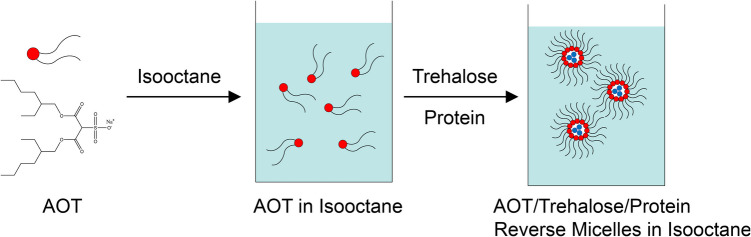 Figure 1
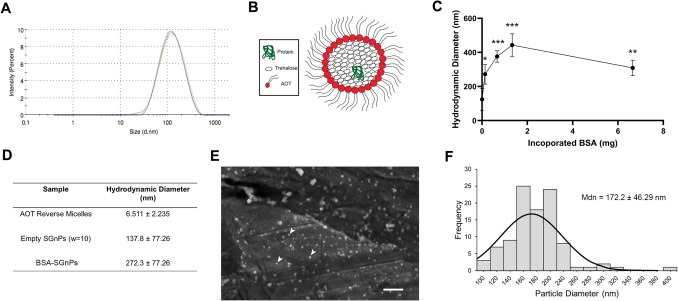 Figure 2
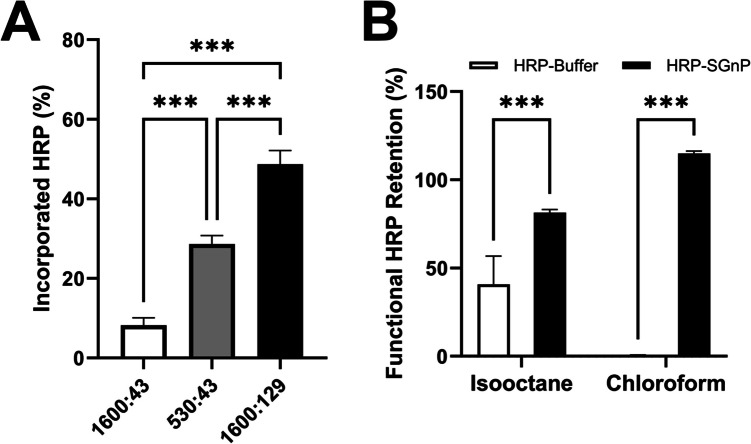 Figure 3
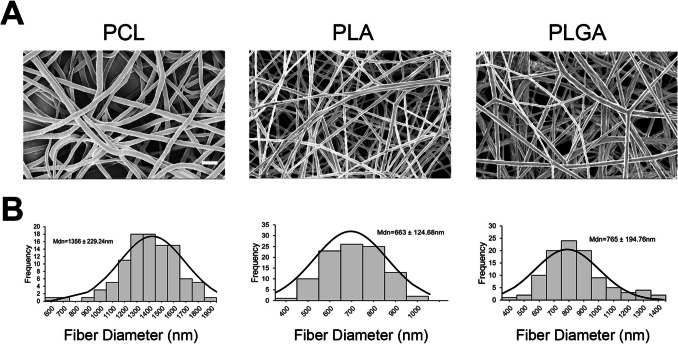 Figure 4
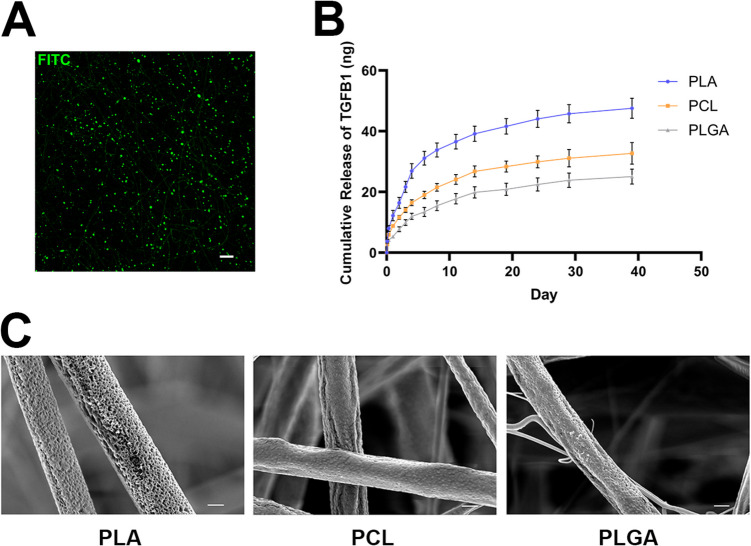 Figure 5
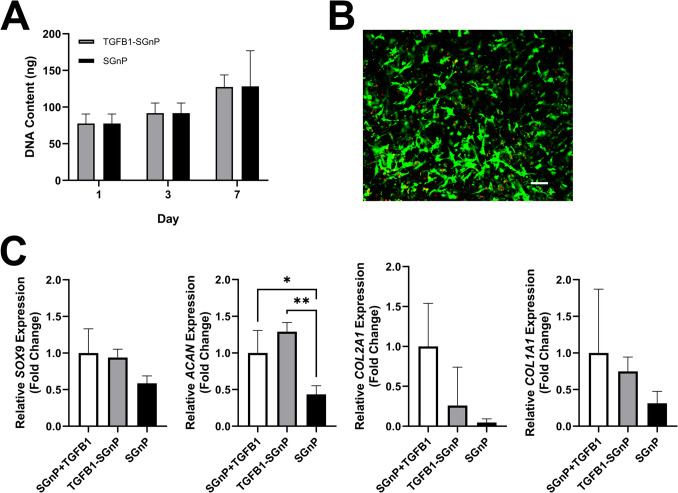 Figure 6
Peer Reviews
No public reviews on file for this paper yet. If you reviewed it on a platform where reviews are public (OpenReview, ICLR, NeurIPS, ICML), you can paste yours below so the community can read it here.
Videos
No videos yet. Explain this paper in a talk, walkthrough, or lecture? Add one.
Taxonomy
TopicsElectrospun Nanofibers in Biomedical Applications · Silk-based biomaterials and applications · Tissue Engineering and Regenerative Medicine