Quality of Life of People with Mental Health Challenges and Problematic Substance Use while Engaged with an Exercise Physiology Service
Jane Kugelman, Meg Doohan, Brett Dyer, Jake O’Brien, Mridula Kayal, Justin Chapman

TL;DR
This study shows that an exercise physiology service can improve the quality of life for people with mental health issues and substance use problems, especially in mental health and coping.
Contribution
The study demonstrates the feasibility and effectiveness of Accredited Exercise Physiologist services for improving quality of life in this specific population.
Findings
Quality of life improved by 5.8% per year, mainly in mental health and coping dimensions.
161 participants completed at least two assessments over a three-year service period.
Linear mixed-effects models showed significant improvements in QoL dimensions.
Abstract
People with mental health challenges and problematic substance use may experience low quality of life (QoL) because of illness-related factors and psychosocial stressors. Evidence indicates that regular exercise can improve QoL for people with a range of mental health and substance use issues, and Accredited Exercise Physiologists (AEPs) provide evidence-based exercise interventions for people with a range of health conditions. This study examined QoL changes in people with mental health challenges and problematic substance use while engaged in an AEP service. The service was implemented over three years and involved weekly group exercise sessions and health education. Linear mixed-effects models were used to evaluate trajectories of QoL total score and each dimension (independent living, pain, senses, relationships, mental health, coping). A total of 295 participants were inducted,…
Genes, proteins, chemicals, diseases, species, mutations and cell lines named across the full text — each resolved to its canonical identifier and authoritative record.
Click any figure to enlarge with its caption.
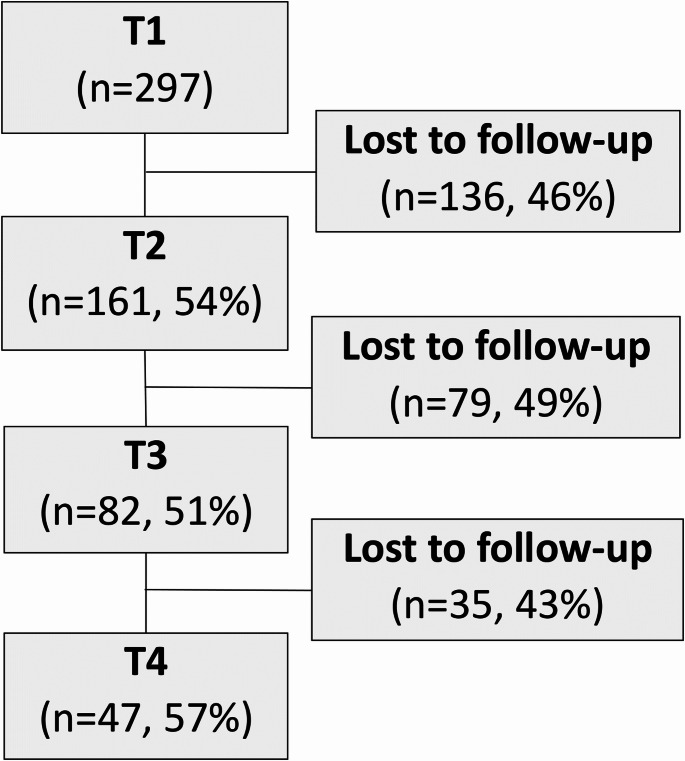 Figure 1
 Figure 2
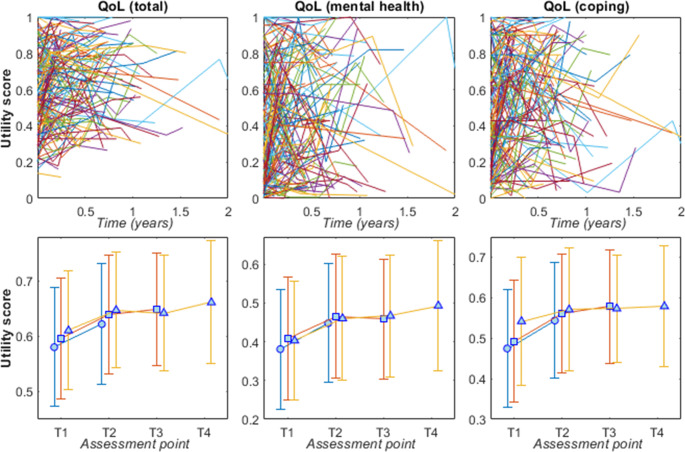 Figure 3
Peer Reviews
No public reviews on file for this paper yet. If you reviewed it on a platform where reviews are public (OpenReview, ICLR, NeurIPS, ICML), you can paste yours below so the community can read it here.
Videos
No videos yet. Explain this paper in a talk, walkthrough, or lecture? Add one.
Taxonomy
TopicsSchizophrenia research and treatment · Cardiac Health and Mental Health · Physical Activity and Health