False Lumen Haemodynamics in Type B Aortic Dissection: An in Vitro Study Using PIV and Patient-Specific Flexible Phantoms
A. Koulogiannis, Q. Li, S. Homer-Vanniasinkam, V. Diaz-Zuccarini, S. Balabani

TL;DR
This study uses flexible models and advanced imaging to analyze blood flow in aortic dissections, revealing how wall flexibility affects dangerous blood patterns.
Contribution
The study introduces patient-specific flexible phantoms and PIV to experimentally characterize false lumen haemodynamics in type B aortic dissection.
Findings
Wall compliance significantly alters false lumen flow patterns compared to rigid models.
A high-velocity jet forms during systole, creating rotational flow in the false lumen.
Diastolic flow reversal generates vortices in both true and false lumens.
Abstract
Aortic dissection (AD) is a catastrophic vascular pathology caused by delamination of the vascular wall and the formation of a false lumen. False lumen haemodynamics is a key determinant of aneurysmal growth, rupture, and thrombosis. Quantifying the haemodynamics in the false lumen can provide markers to predict these events and stratify patient risk. While such metrics can be extracted from numerical simulations or imaging modalities such as 4D flow MR, high-resolution experimental data are needed to validate them. The present study provides an in vitro characterization of the flow inside the false lumen of a type B aortic dissection using a patient-specific flexible phantom and Particle Image Velocimetry. A mock circulatory loop imposing patient-specific flow waveforms at the inlet and outlets of the aortic phantom and a refractive index matching blood analog were employed.…
Genes, proteins, chemicals, diseases, species, mutations and cell lines named across the full text — each resolved to its canonical identifier and authoritative record.
Click any figure to enlarge with its caption.
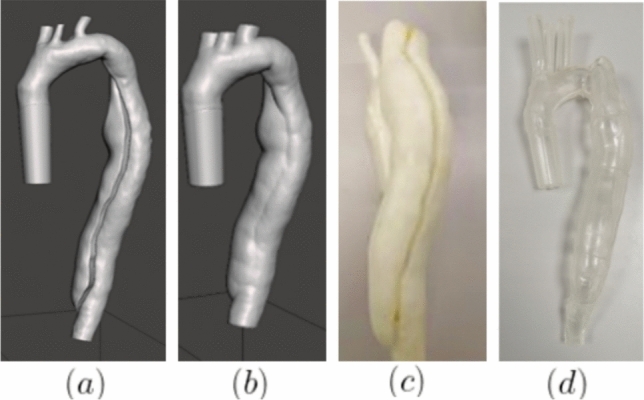 Figure 1
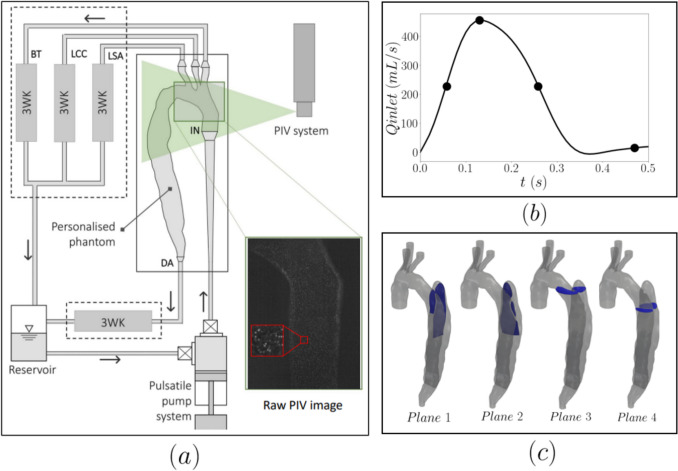 Figure 2
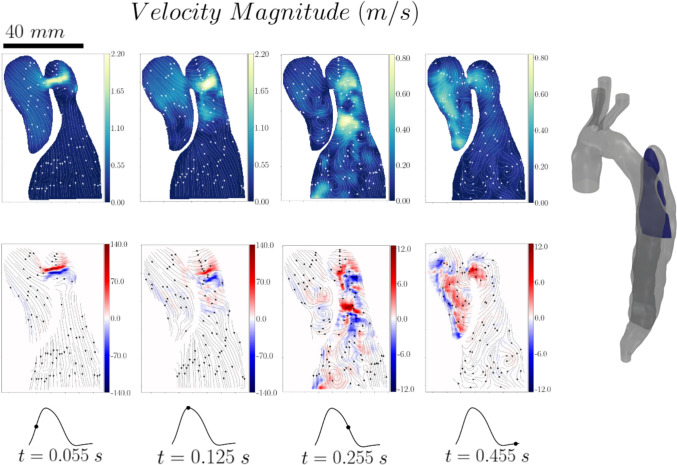 Figure 3
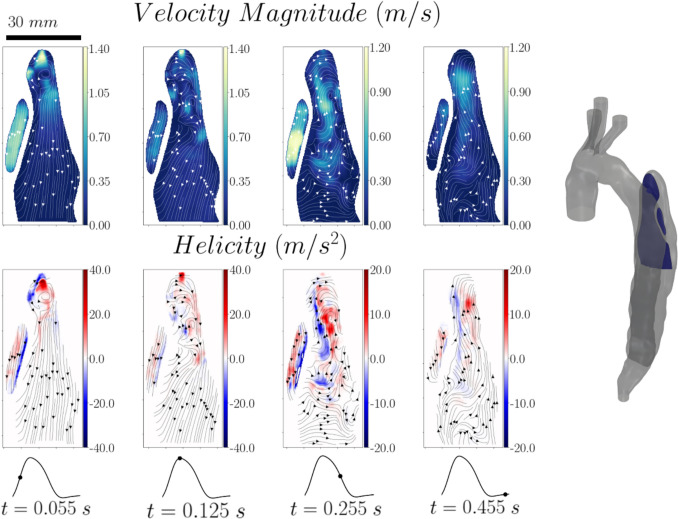 Figure 4
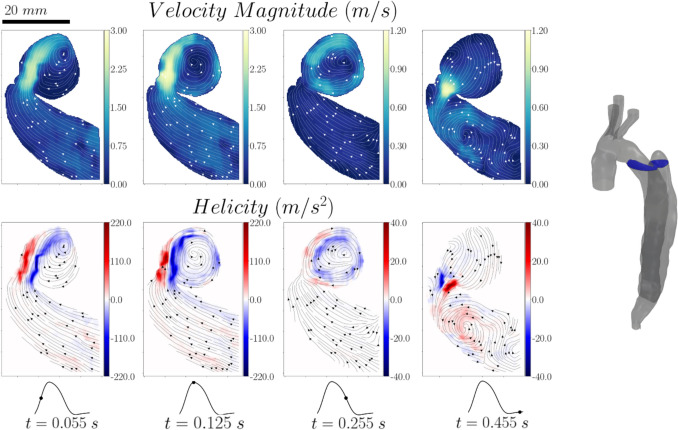 Figure 5
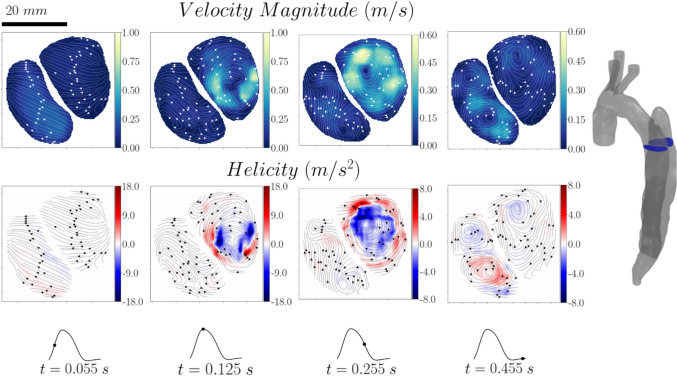 Figure 6
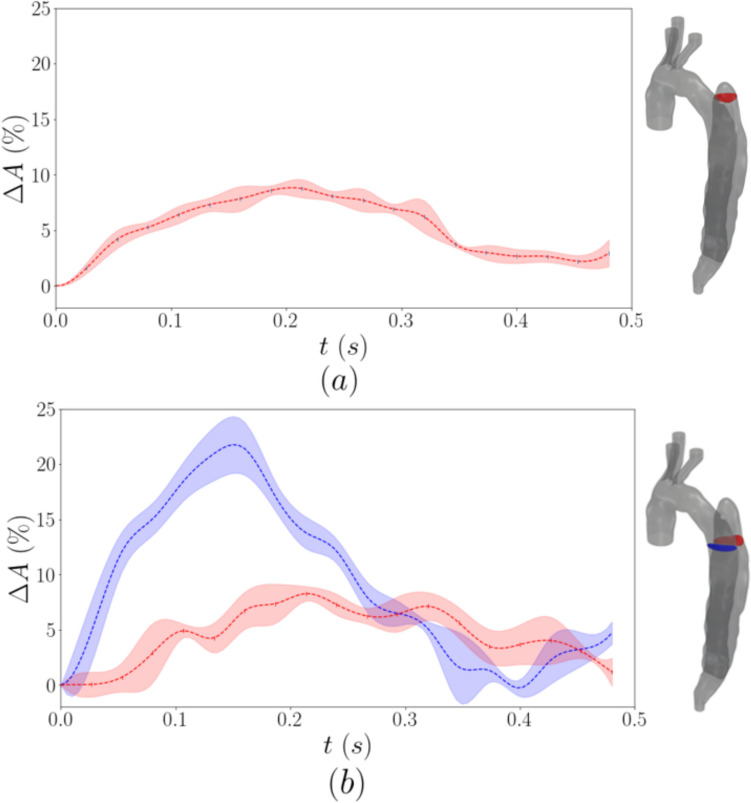 Figure 7
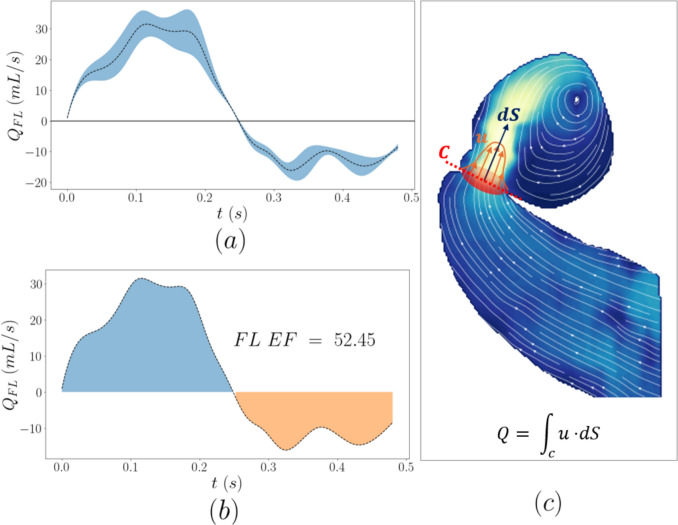 Figure 8
Peer Reviews
No public reviews on file for this paper yet. If you reviewed it on a platform where reviews are public (OpenReview, ICLR, NeurIPS, ICML), you can paste yours below so the community can read it here.
Videos
No videos yet. Explain this paper in a talk, walkthrough, or lecture? Add one.
Taxonomy
TopicsAortic Disease and Treatment Approaches · Aortic aneurysm repair treatments · Coronary Interventions and Diagnostics