Acoustic Detection of Intracranial Cavitation Induced by Blunt Impacts in Polyacrylamide Human Head Models Across Varying Orientations
Eric J. Galindo, Michaelann S. Tartis

TL;DR
This study uses acoustic imaging to detect cavitation bubbles in head models during blunt impacts, showing how impact orientation affects bubble behavior and potential brain injury.
Contribution
The study demonstrates the feasibility of using acoustic detection to monitor cavitation in head models, linking impact orientation to bubble dynamics and injury mechanisms.
Findings
Acoustic plane wave imaging effectively detected bubble growth despite reflections.
Passive cavitation detection showed higher sensitivity during bubble collapse with broadband responses.
Impact angle influenced cavitation onset and persistence, with 90° angles causing earliest cavitation.
Abstract
Traumatic brain injury remains a major health concern among civilians and military personnel, with intracranial cavitation hypothesized as a damage mechanism during blunt impacts. This study examines cavitation bubble activity in simplified polyacrylamide human head models, focusing on different anatomical regions and imaging modalities. A drop tower setup with high-speed acoustic and optical imaging was used to characterize the onset, expansion, and collapse of bubbles and assess the impact orientation’s effects. Acoustic plane wave imaging and passive cavitation detection captured emissions linked to bubble dynamics. Although plane wave imaging was affected by reflections, it detected bubble growth effectively. In contrast, passive cavitation detection showed greater sensitivity during collapse, with broadband spectral responses. Signal processing extracted relevant spectral…
Genes, proteins, chemicals, diseases, species, mutations and cell lines named across the full text — each resolved to its canonical identifier and authoritative record.
Click any figure to enlarge with its caption.
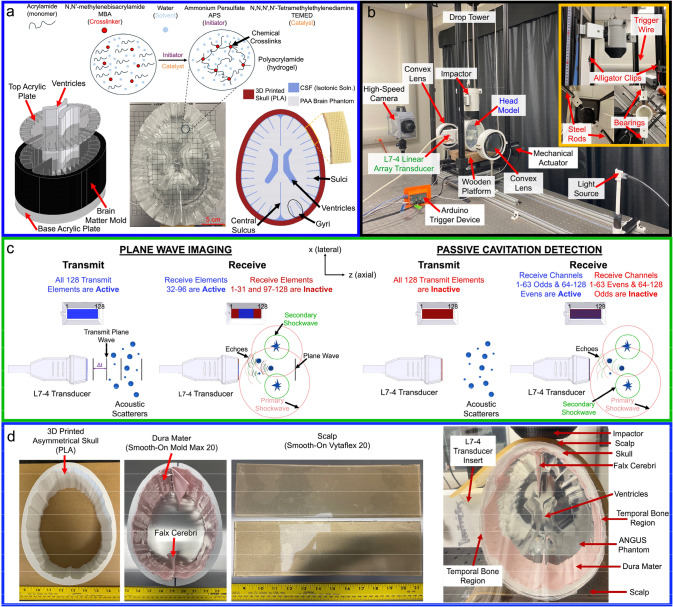 Figure 1
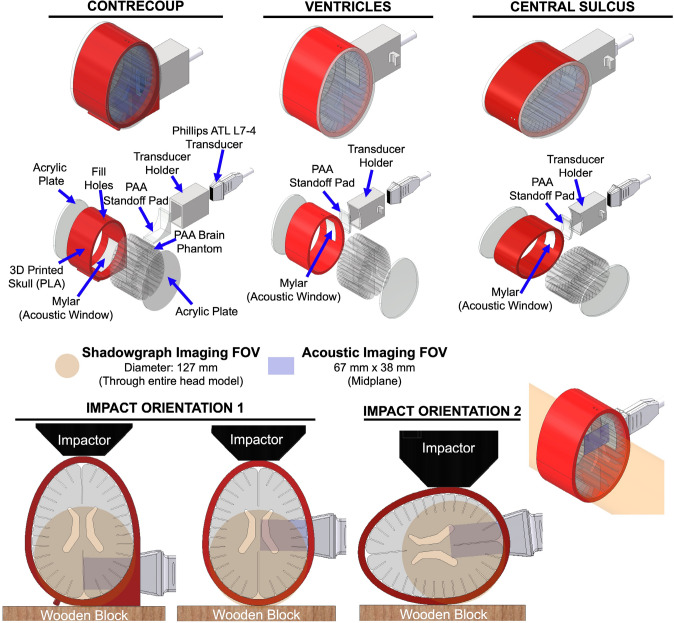 Figure 2
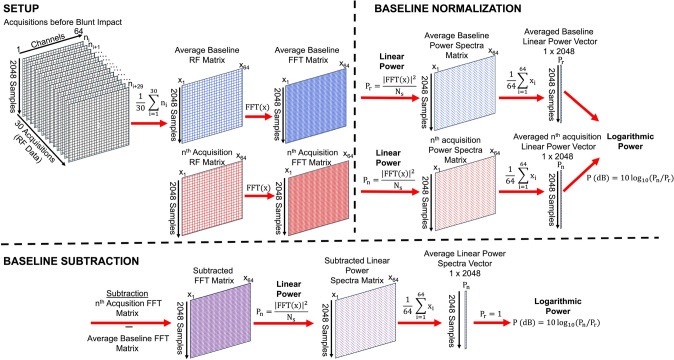 Figure 3
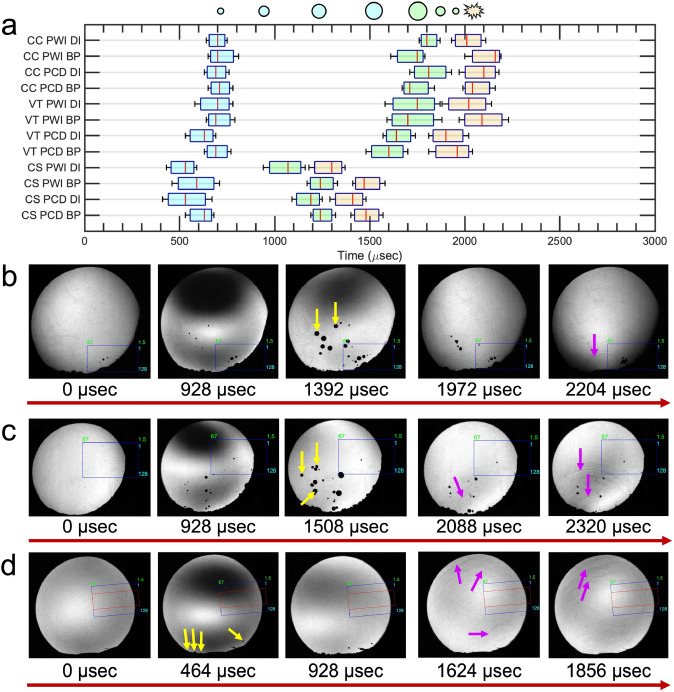 Figure 4
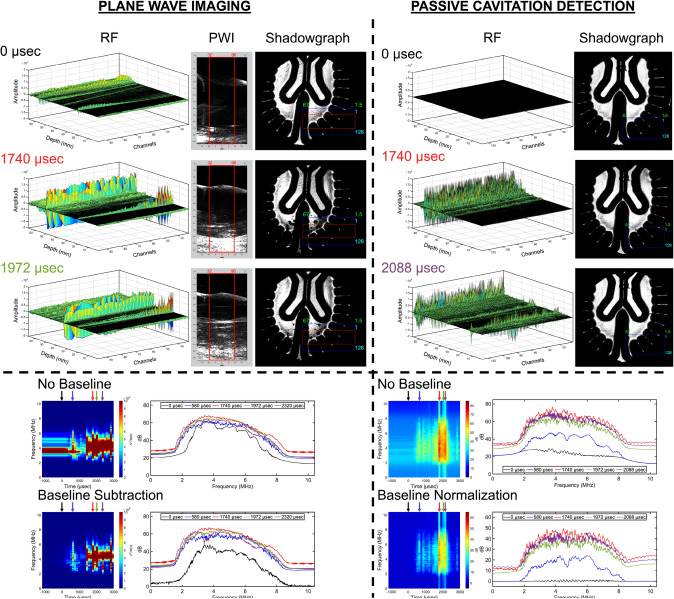 Figure 5
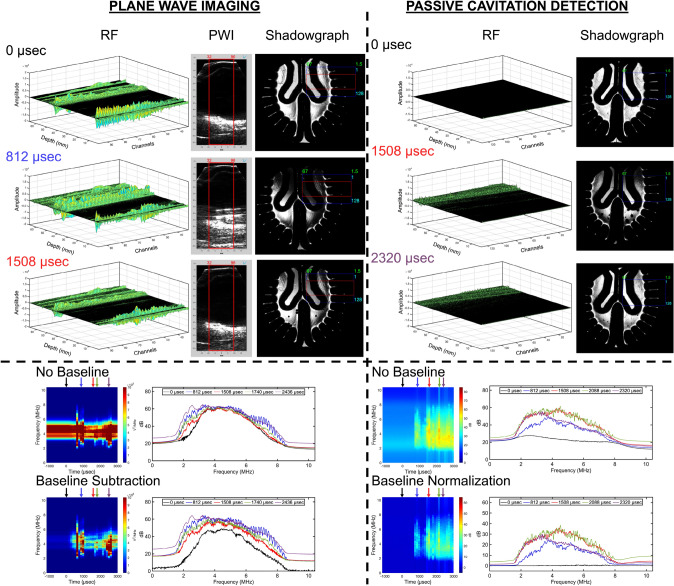 Figure 6
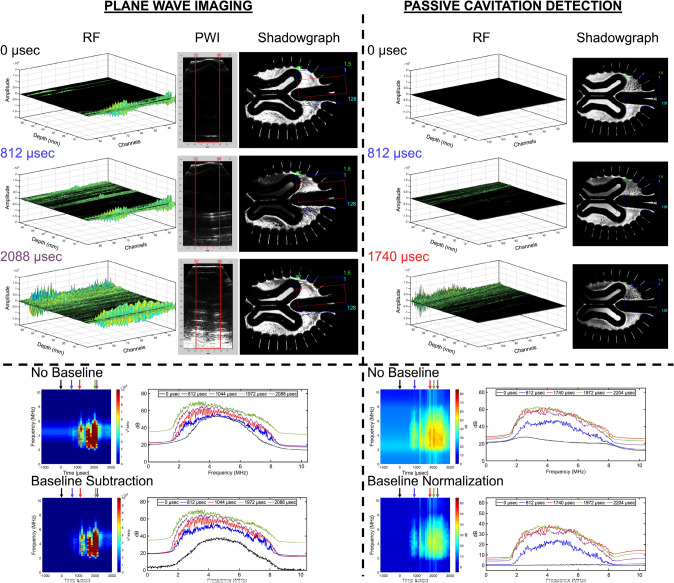 Figure 7
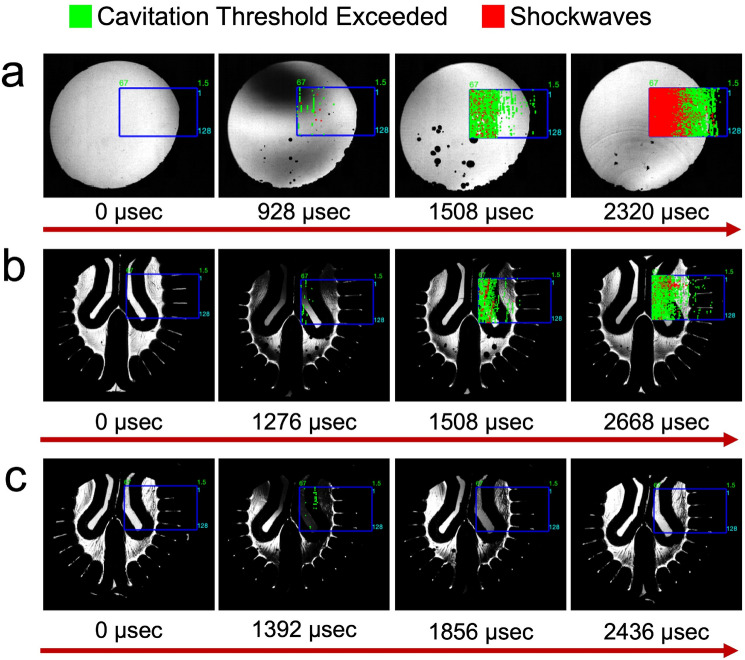 Figure 8
Peer Reviews
No public reviews on file for this paper yet. If you reviewed it on a platform where reviews are public (OpenReview, ICLR, NeurIPS, ICML), you can paste yours below so the community can read it here.
Videos
No videos yet. Explain this paper in a talk, walkthrough, or lecture? Add one.
Taxonomy
TopicsUltrasound and Cavitation Phenomena · Ultrasonics and Acoustic Wave Propagation · Automotive and Human Injury Biomechanics