Elucidating the roles of essential genes in autotrophic metabolism and cell morphology of Clostridium ljungdahlii by CRISPRi
Saira Munir, Sai Wan, Xinyu Gao, Mingchi Lai, Zhenjie Mu, Hui Wang, Ziyong Liu, Fuli Li, Lin Xia, Yang Tan

TL;DR
This study uses CRISPRi to explore essential genes in Clostridium ljungdahlii, revealing their roles in autotrophic metabolism and cell shape.
Contribution
The study introduces a CRISPRi system to investigate essential genes in C. ljungdahlii, revealing their roles in autotrophic growth and cell division.
Findings
Repression of PFOR1, PFOR2, AOR1, AOR2, and GAP-I genes impairs autotrophic growth and ethanol production.
Downregulation of ftsZ leads to elongated cell morphology, indicating its role in cell shape regulation.
Abstract
Understanding the function of essential genes in Clostridium ljungdahlii is critical for unraveling its autotrophic metabolism and optimizing its potential as a platform for syngas fermentation. However, study on essential genes of this species remains insufficient. Here, we employed an inducible CRISPR interference (CRISPRi) system to investigate the roles of key metabolic and cell division genes in C. ljungdahlii. Targeted repression of genes encoding pyruvate:ferredoxin oxidoreductase (PFOR1, PFOR2), acetaldehyde:ferredoxin oxidoreductase (AOR1, AOR2), and glyceraldehyde phosphate hydrogenase type I (GAP-I) revealed their essential contributions to autotrophic growth, as knockdown strains exhibited impaired growth and reduced ethanol production. Furthermore, downregulation of the cell division gene ftsZ resulted in elongated cell morphology, highlighting its critical role in cell…
Genes, proteins, chemicals, diseases, species, mutations and cell lines named across the full text — each resolved to its canonical identifier and authoritative record.
Click any figure to enlarge with its caption.
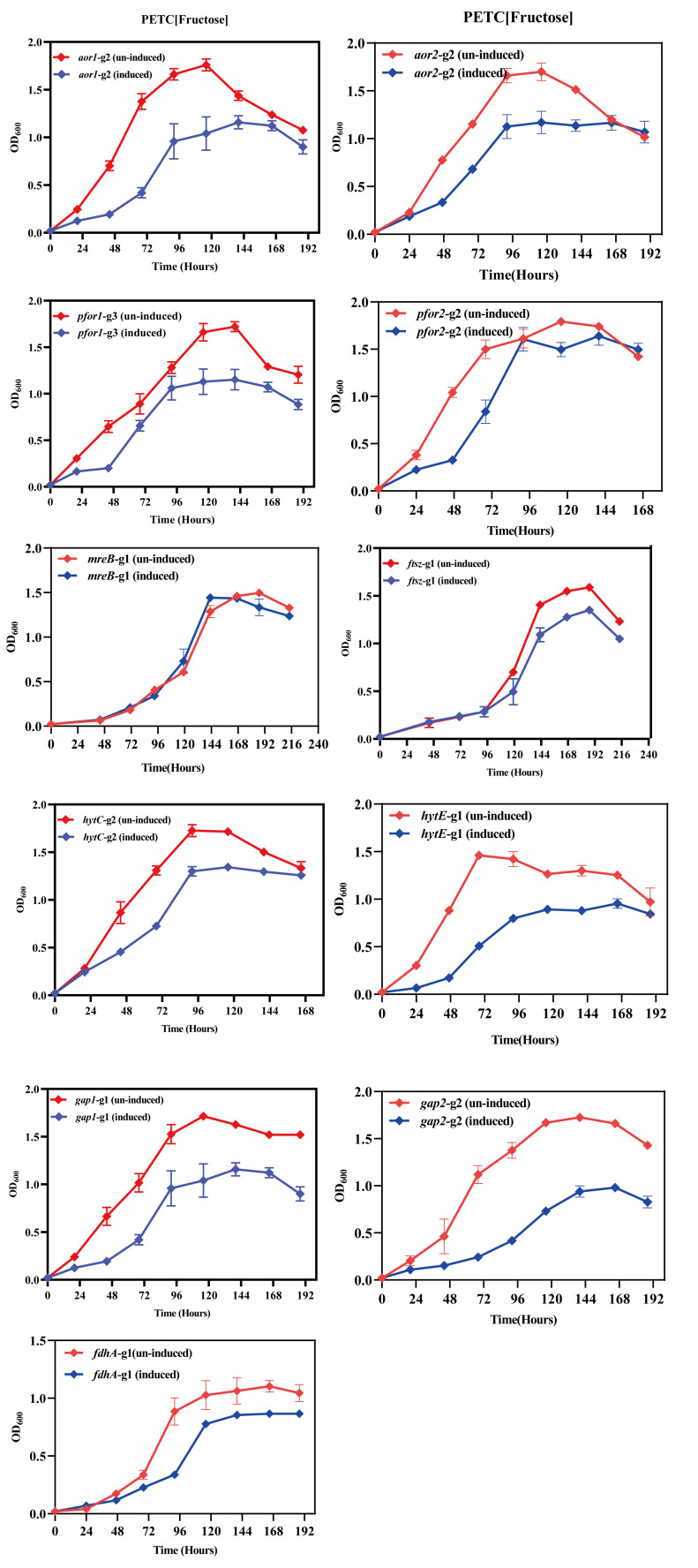 Figure 10
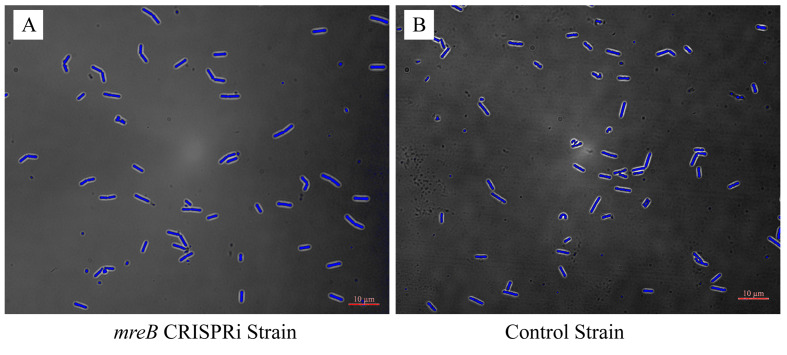 Figure 11
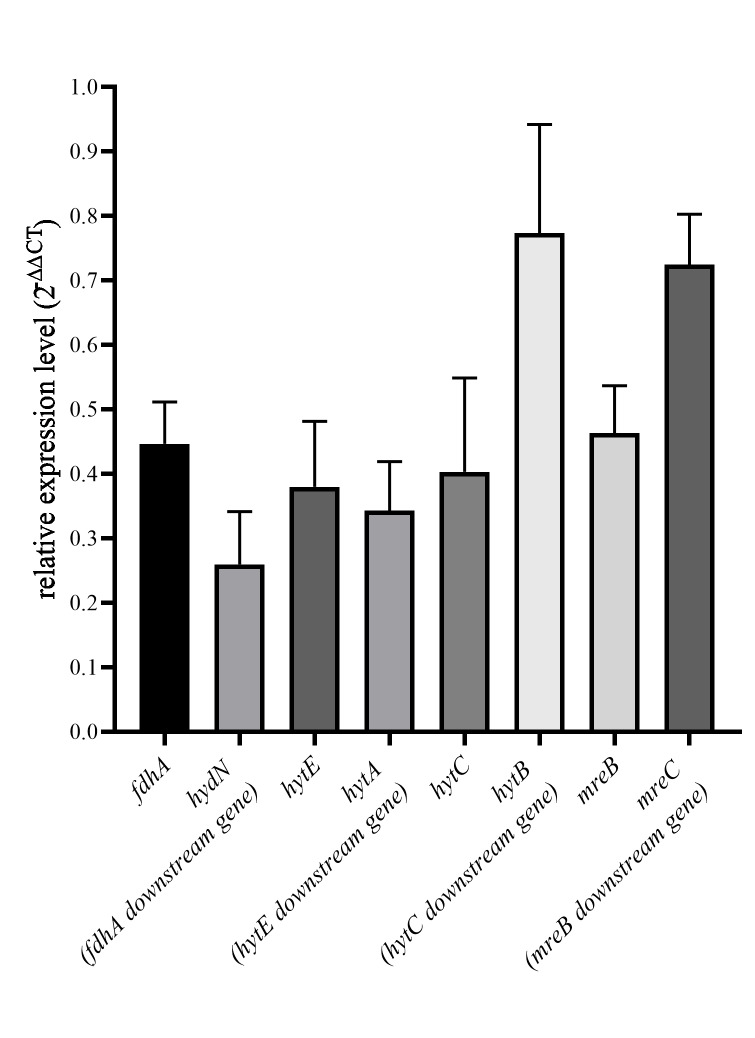 Figure 12
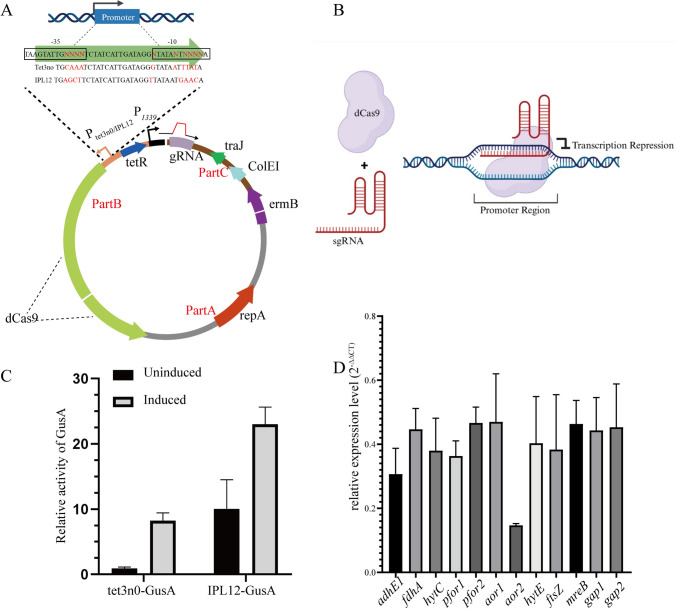 Figure 1
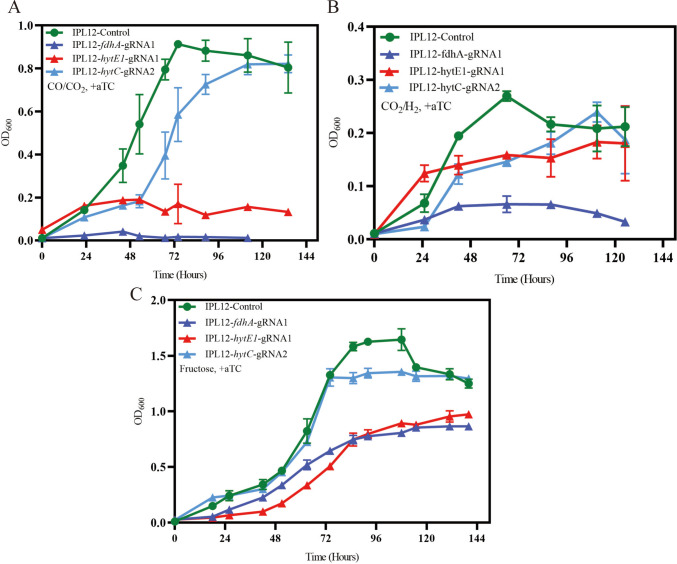 Figure 2
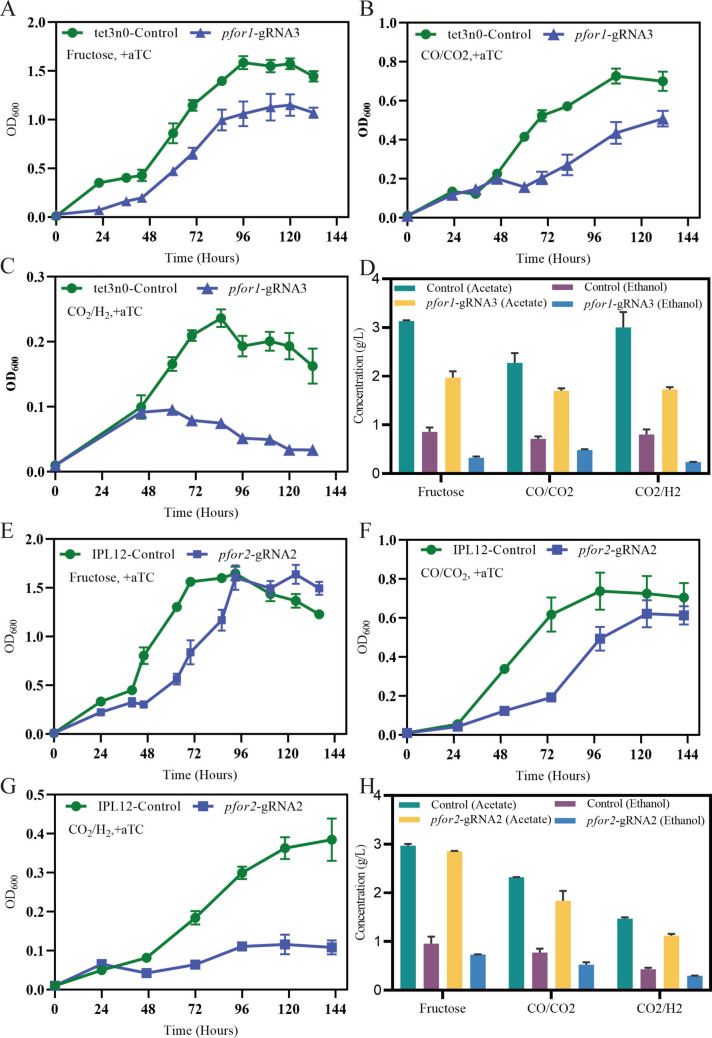 Figure 3
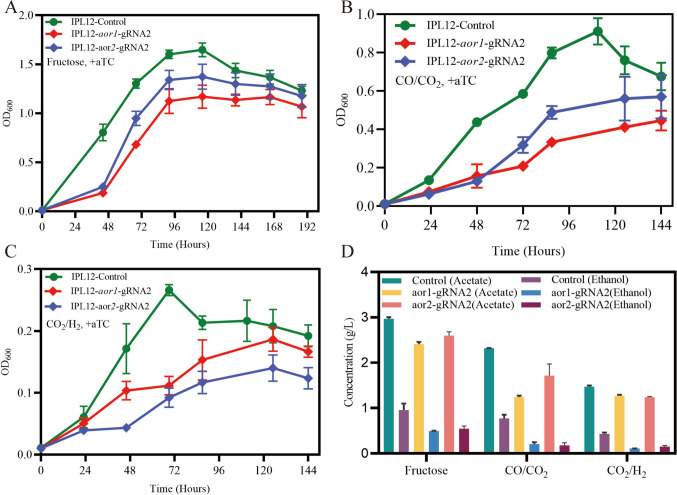 Figure 4
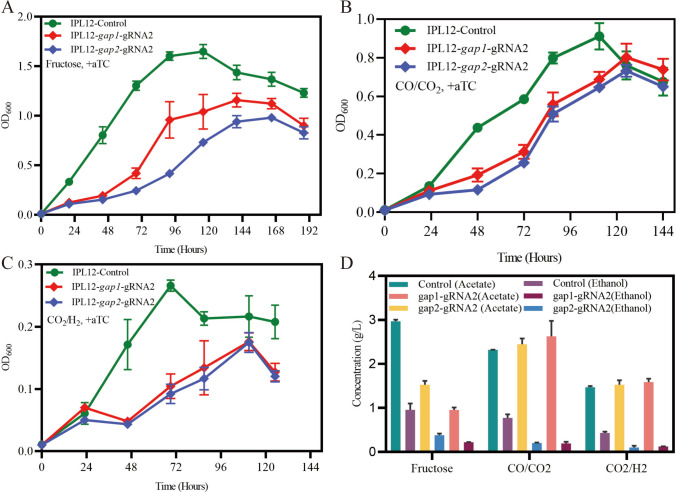 Figure 5
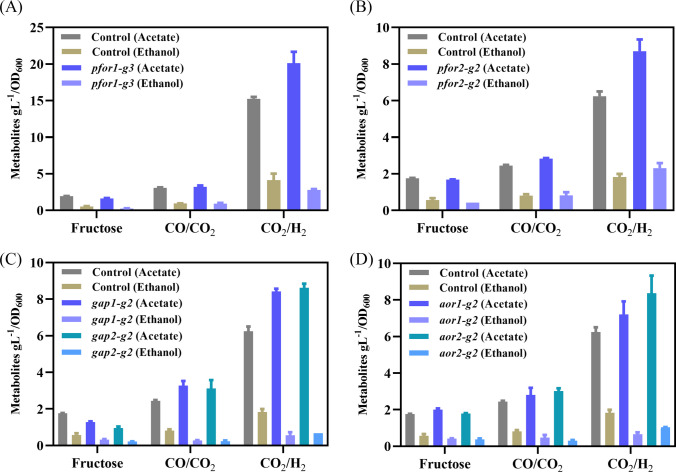 Figure 6
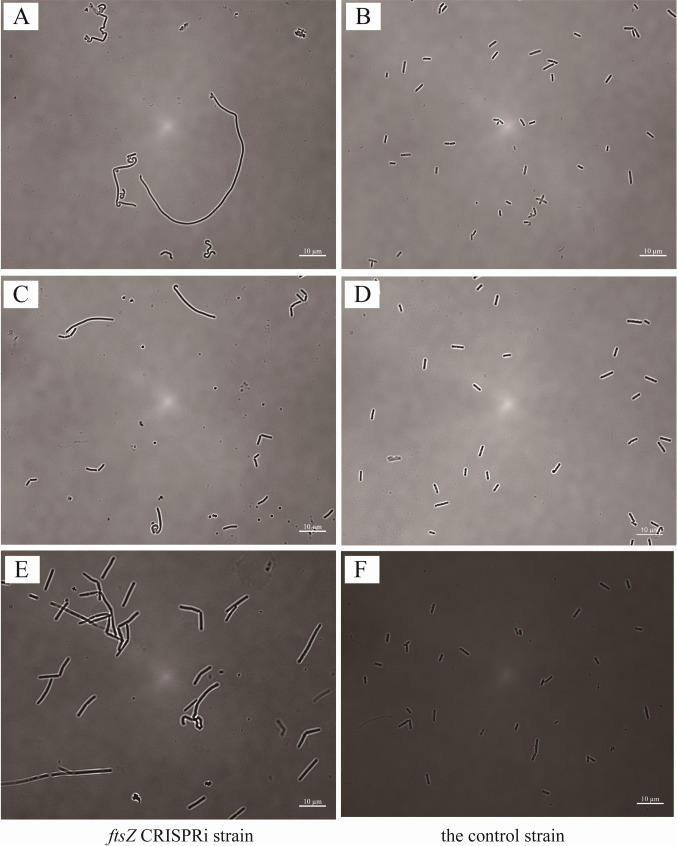 Figure 7
 Figure 8
 Figure 9
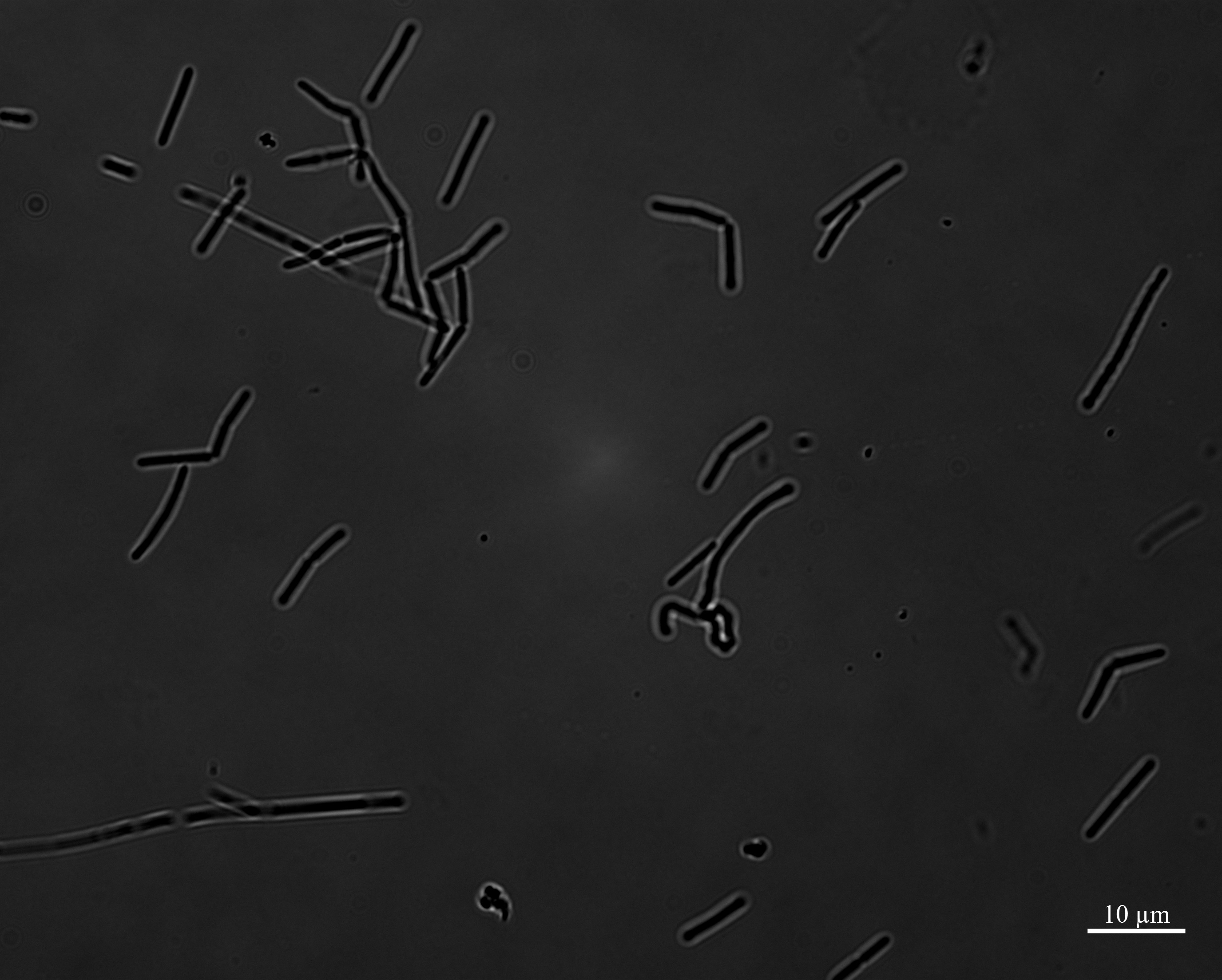 Figure 13
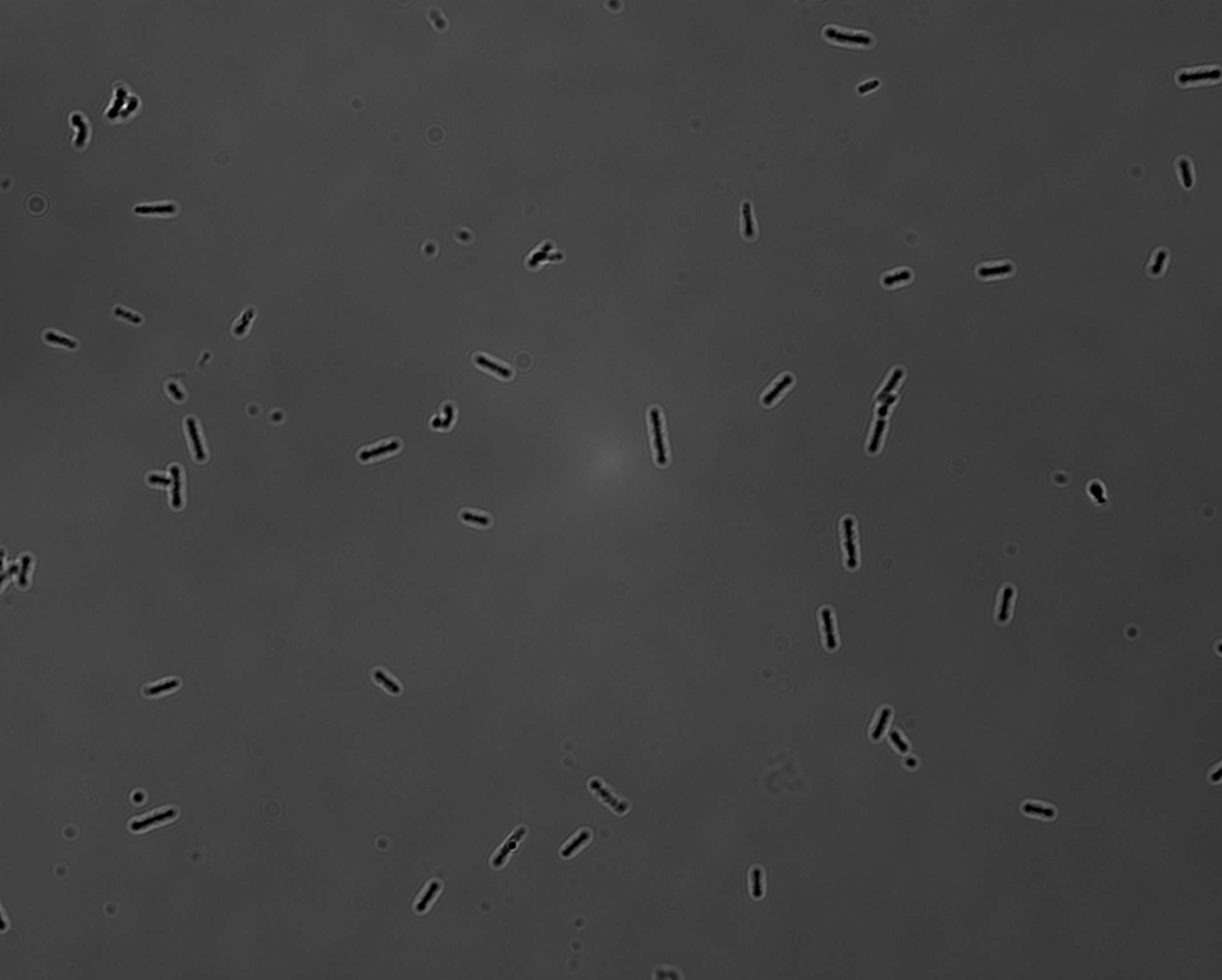 Figure 14
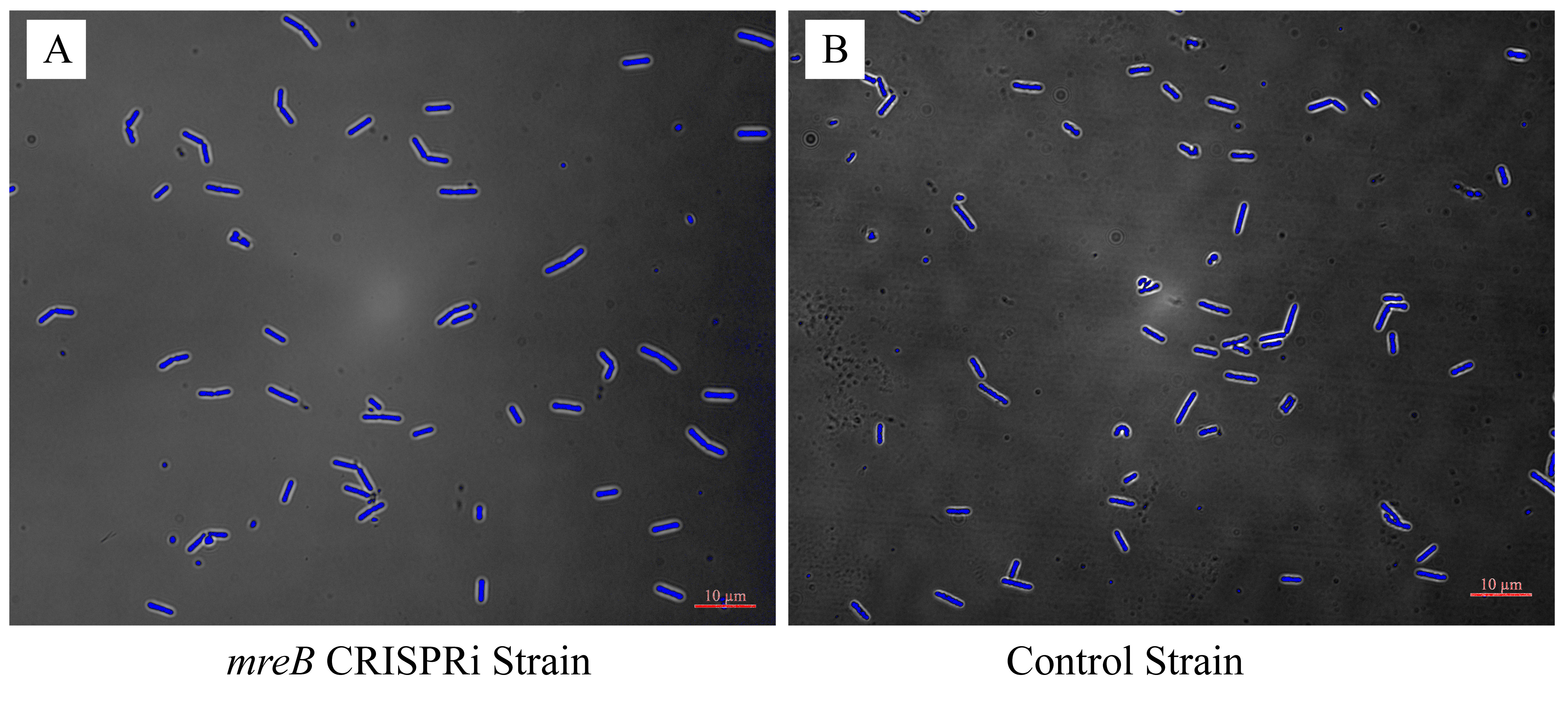 Figure 15
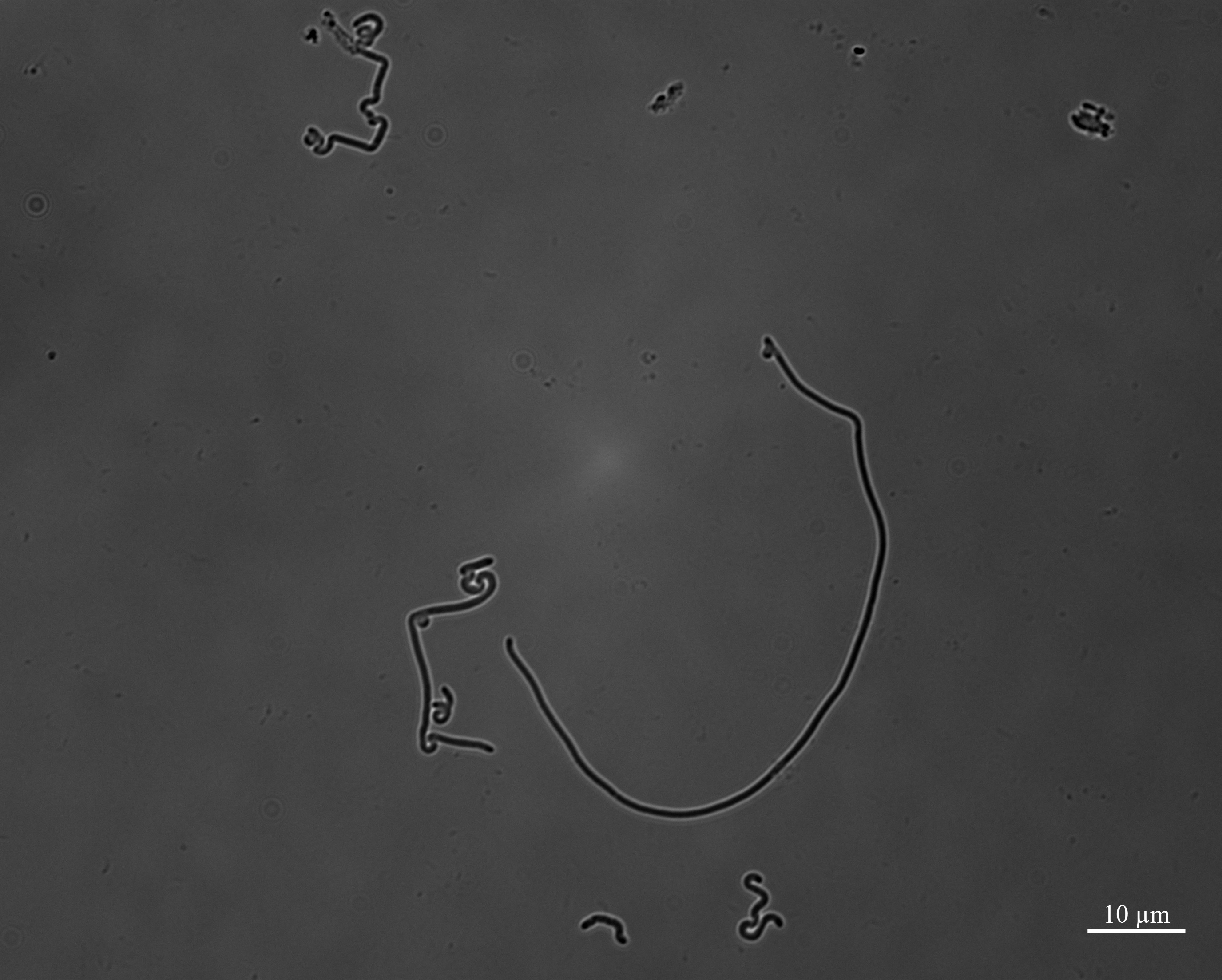 Figure 16
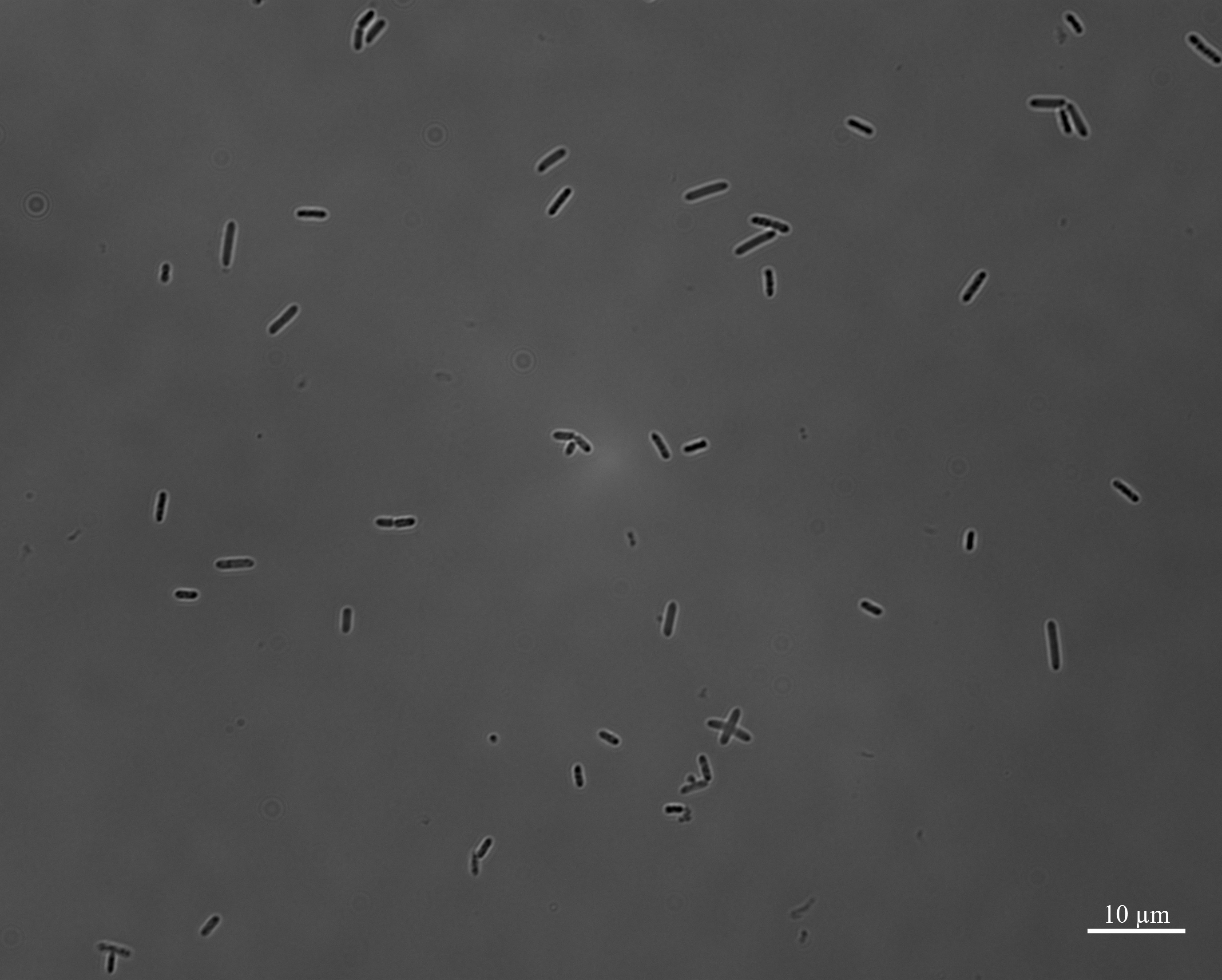 Figure 17
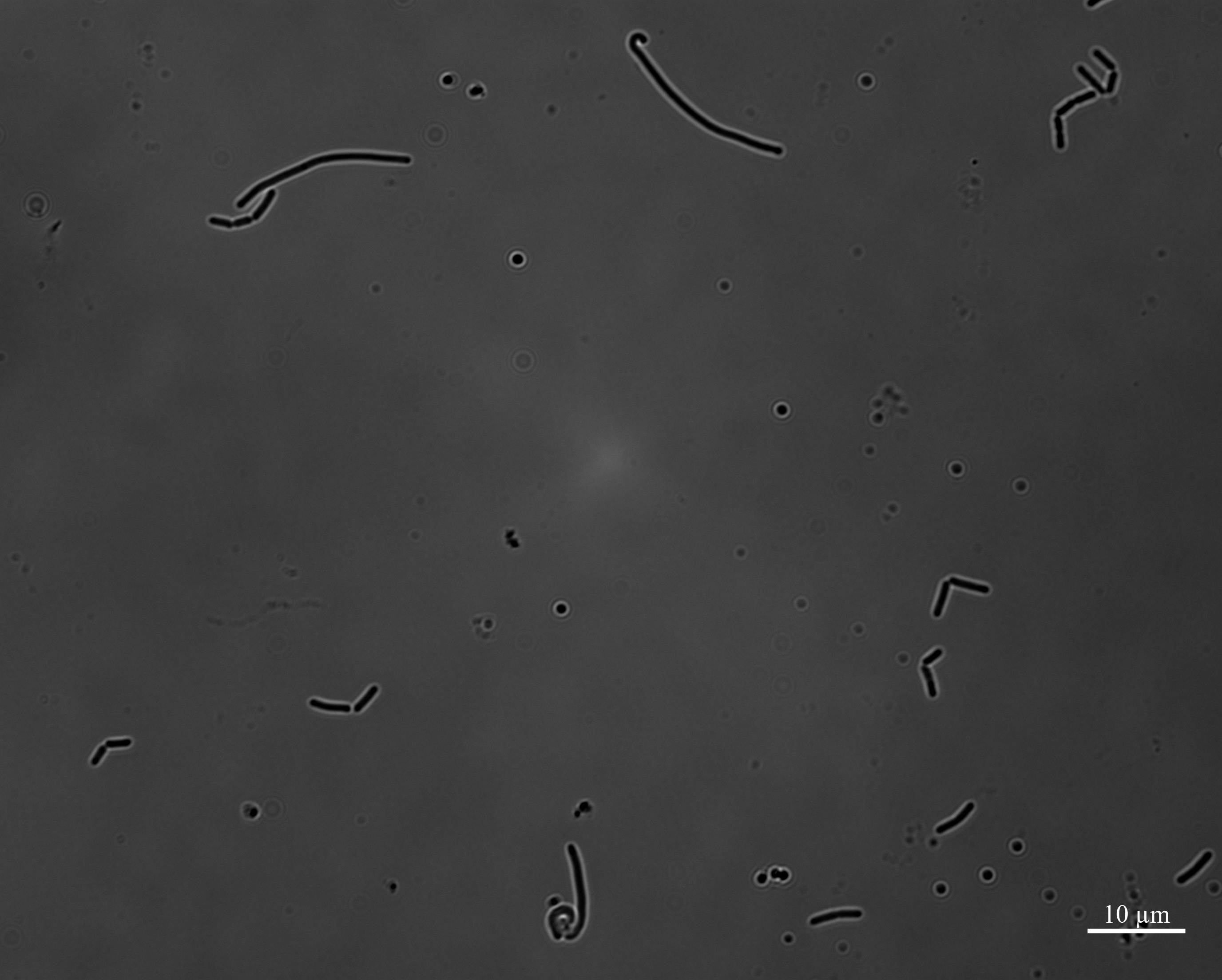 Figure 18
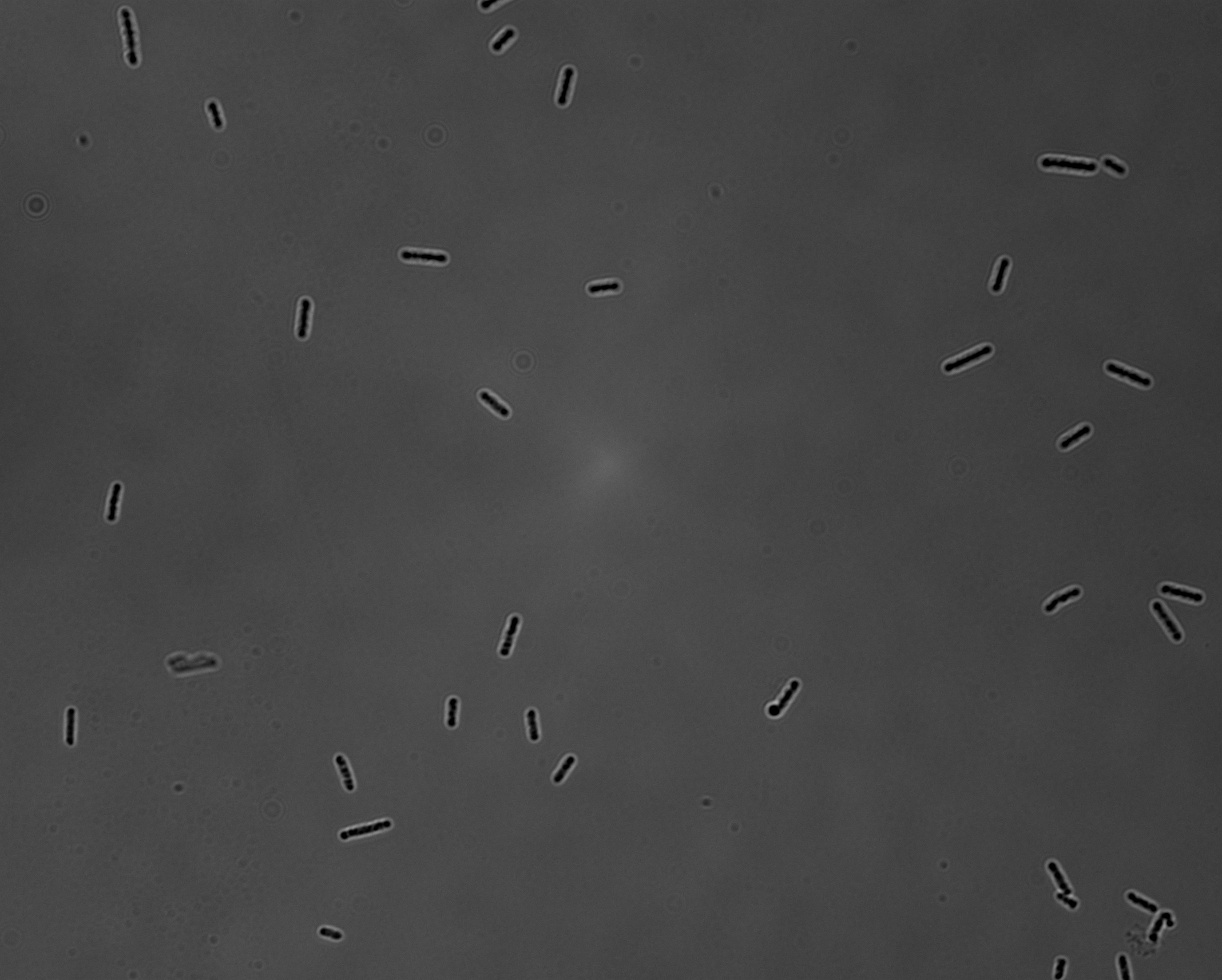 Figure 19
Peer Reviews
No public reviews on file for this paper yet. If you reviewed it on a platform where reviews are public (OpenReview, ICLR, NeurIPS, ICML), you can paste yours below so the community can read it here.
Videos
No videos yet. Explain this paper in a talk, walkthrough, or lecture? Add one.
Taxonomy
TopicsMicrobial Fuel Cells and Bioremediation · Clostridium difficile and Clostridium perfringens research · Anaerobic Digestion and Biogas Production