Genome wide data recover hierarchical genetic structure and help define conservation units for the threatened Asian Houbara
Thierry Bernard Hoareau, Keiler Arthur Collier, Matthew J. Miller, Yves Hingrat, Eric Le Nuz, Nyambayar Batbayar, Ohad Hatzofe, Asaf Mayrose, Loïc Lesobre

TL;DR
This study uses genome-wide data to identify eight genetically distinct units of the Asian Houbara Bustard, highlighting conservation priorities for the vulnerable species.
Contribution
The study introduces a novel integration of genomic, geographic, and behavioral data to define conservation units in a widespread, threatened bird species.
Findings
Eight hierarchically structured evolutionary significant units (ESUs) were identified across the Asian Houbara's range.
Range-edge ESUs (Israel, Mongolia, Yemen) show low genetic diversity and recent inbreeding, indicating high conservation concern.
Genetic differentiation is strongly predicted by longitudinal separation, especially among high-latitude migrant populations.
Abstract
The Asian Houbara Bustard (Chlamydotis macqueenii), a partially migratory bird from the western and Central Asian steppes, is listed as vulnerable on the IUCN Red List. This study reassesses the species’ genetic structure using modern genomics to identify evolutionary significant units (ESUs). Following the generation of a de novo reference assembly and resequencing data (114 birds, 10 locations), we integrated genetic results, migratory behaviour, and geography to identify eight hierarchically structured ESUs: four near range edges (Yemen, Mongolia, Eastern Kazakhstan, Israel) and four within the central range (Central-Eastern, Central-Western, North Iran, South Iran). Low genetic diversity and recent inbreeding make ESUs on the range periphery (Israel, Mongolia, Yemen) the most genetically threatened, consistent with the central-marginal hypothesis. ESUs do not cluster according to…
Genes, proteins, chemicals, diseases, species, mutations and cell lines named across the full text — each resolved to its canonical identifier and authoritative record.
Click any figure to enlarge with its caption.
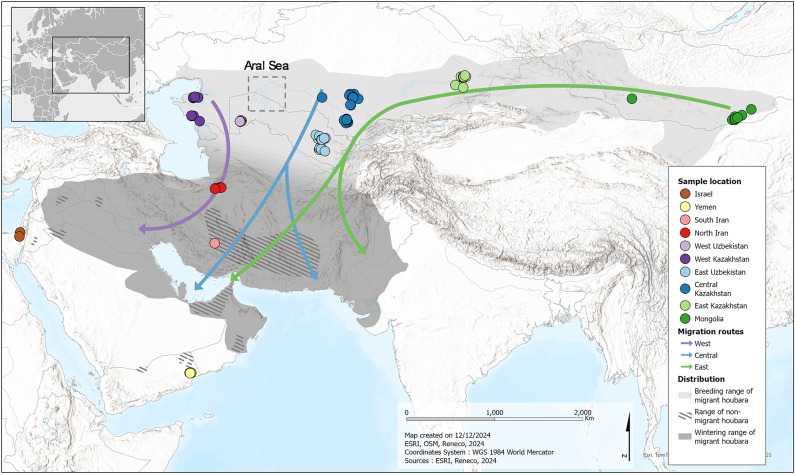 Figure 1
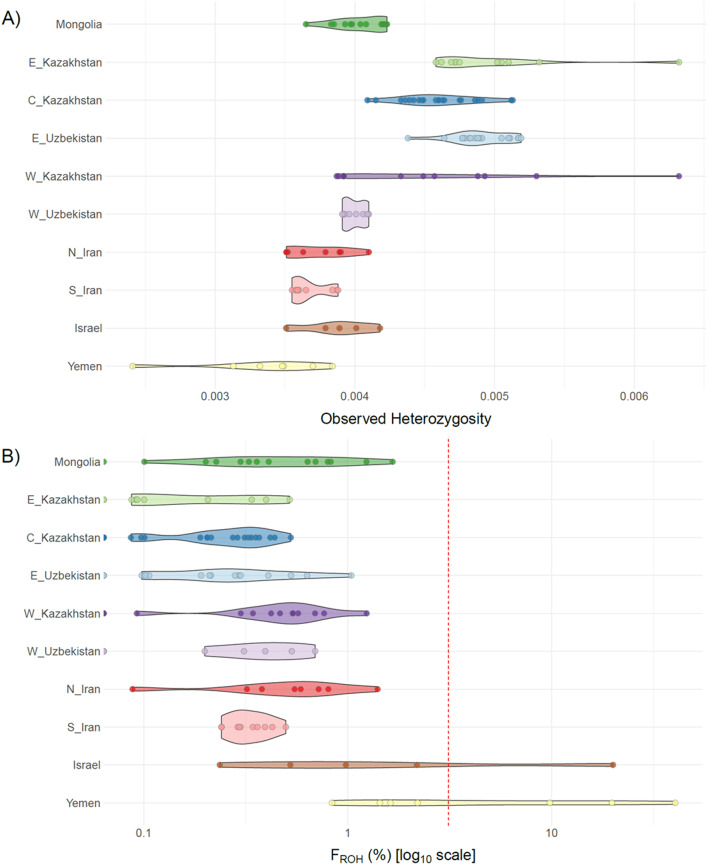 Figure 2
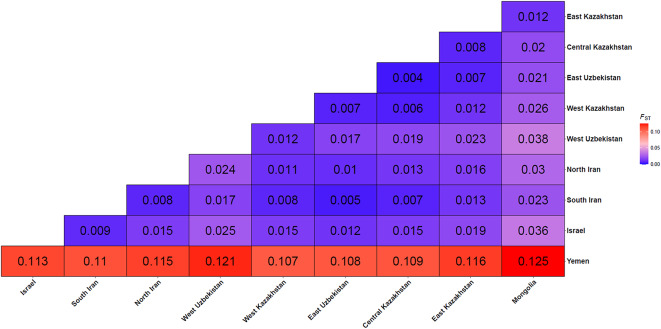 Figure 3
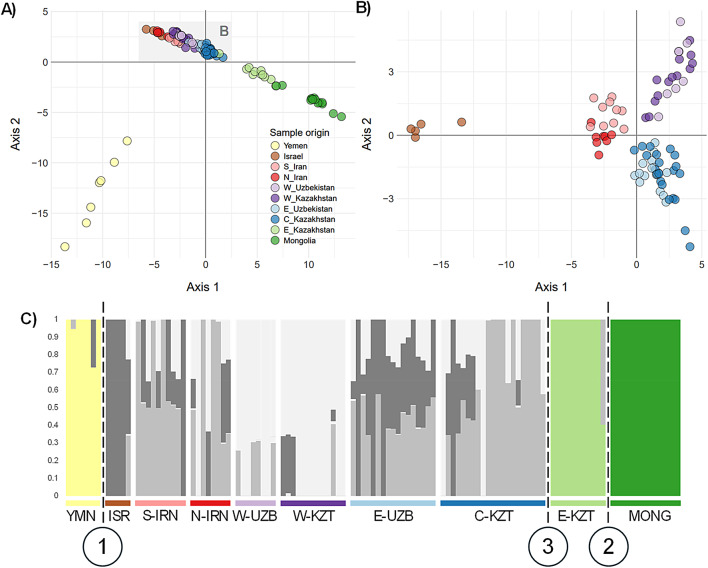 Figure 4
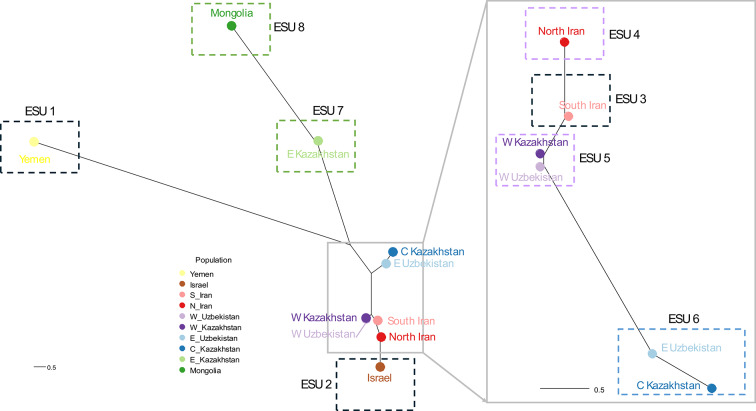 Figure 5
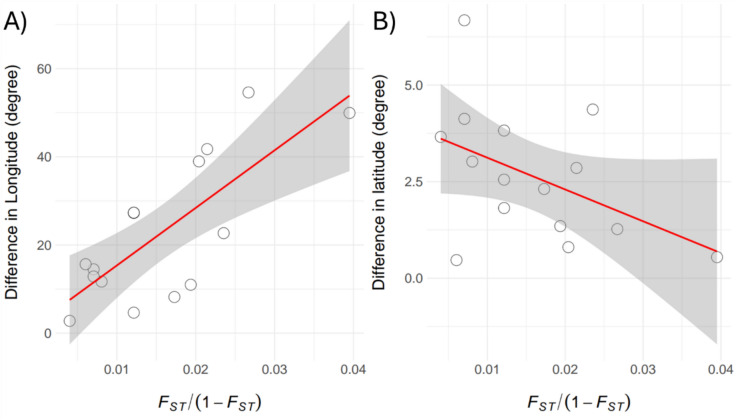 Figure 6
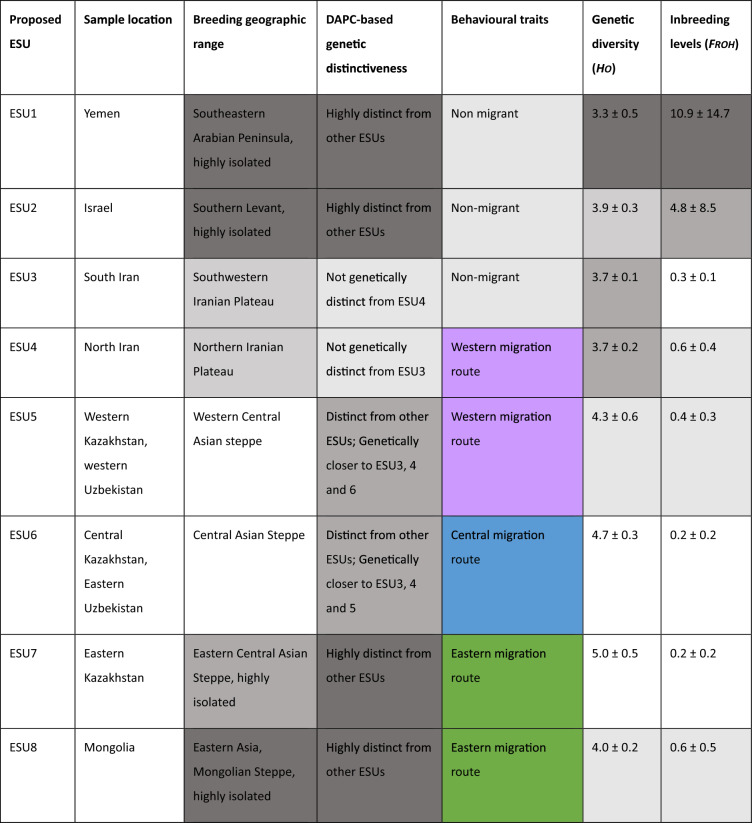 Figure 7
Peer Reviews
No public reviews on file for this paper yet. If you reviewed it on a platform where reviews are public (OpenReview, ICLR, NeurIPS, ICML), you can paste yours below so the community can read it here.
Videos
No videos yet. Explain this paper in a talk, walkthrough, or lecture? Add one.
Taxonomy
TopicsGenetic diversity and population structure · Avian ecology and behavior · Species Distribution and Climate Change