Distribution of Voltage‐Gated Sodium Channels and Scaffolding Proteins on Vestibular Calyx Ending Delineates the Axon Initial Segment
Anna Lysakowski, Aravind Chenrayan Govindaraju, Steven D. Price, Sophie Gaboyard‐Niay, Irina Calin‐Jageman, Robstein L. Chidavaenzi, Ruth Anne Eatock, Robert M. Raphael, Jay M. Goldberg

TL;DR
This study shows that the calyx endings in the inner ear have distinct regions with specific sodium channels and proteins, similar to parts of brain neurons, which may explain how they transmit signals.
Contribution
The paper identifies specific sodium channels and scaffolding proteins in microdomains of vestibular calyx endings, revealing a structure analogous to the axon initial segment in neurons.
Findings
Voltage-gated sodium channels and scaffolding proteins are differentially distributed across calyx microdomains.
The calyx outer surface functions similarly to an axon initial segment in central neurons.
Variation in sodium channel subunits correlates with differences in afferent firing properties across epithelial zones.
Abstract
The amniote inner ear contains an unusual type of hair cell and a unique postsynaptic calyx terminal with specialized ion channel expression and afferent transmission mechanisms. The calyceal afferent terminal enwraps the hair cell and leads to a heminode. It has morphological and functional microdomains with distinct complements of potassium channels and scaffolding proteins. Stimulation of hair cells gives rise to postsynaptic potentials in the membrane facing the hair cell that propagate along the outer face of the calyx and parent axon to the heminode, giving rise to spikes with timing and response properties that vary with location (epithelial zone) and afferent morphology (calyx‐only vs. dimorphic with additional bouton terminals). Heminodes of calyx‐only afferents lie within the epithelium, placing the calyces themselves closer to the heminode. We report that diverse…
Genes, proteins, chemicals, diseases, species, mutations and cell lines named across the full text — each resolved to its canonical identifier and authoritative record.
Click any figure to enlarge with its caption.
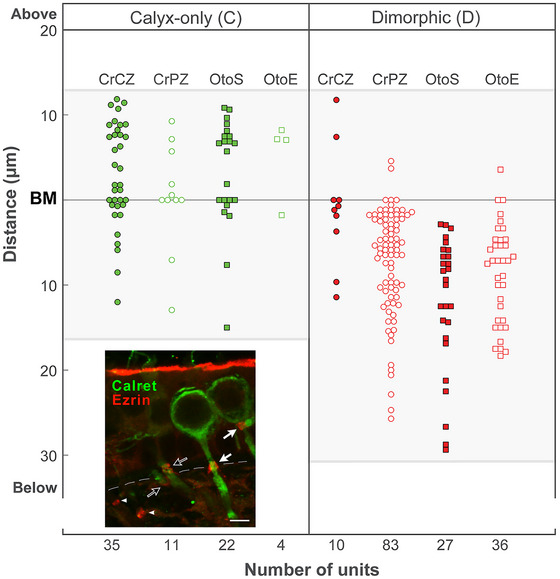 Figure 1
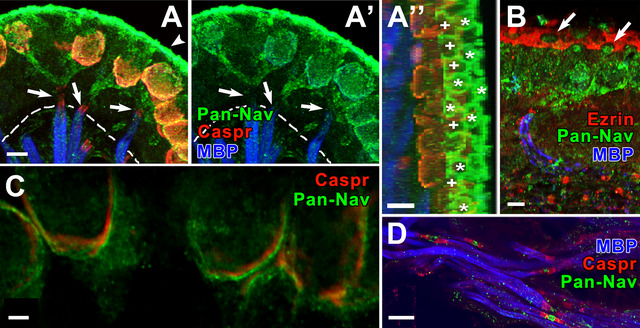 Figure 2
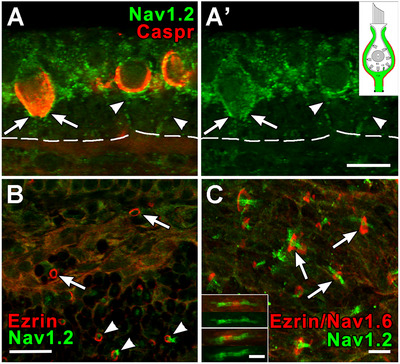 Figure 3
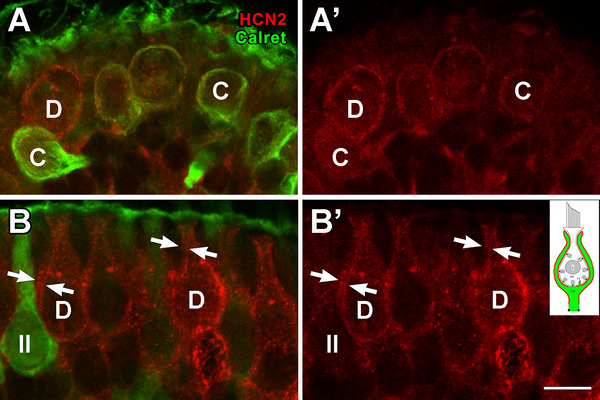 Figure 4
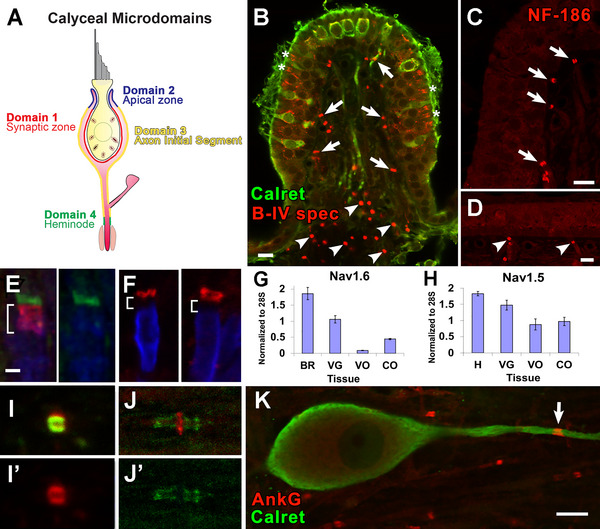 Figure 5
 Figure 6
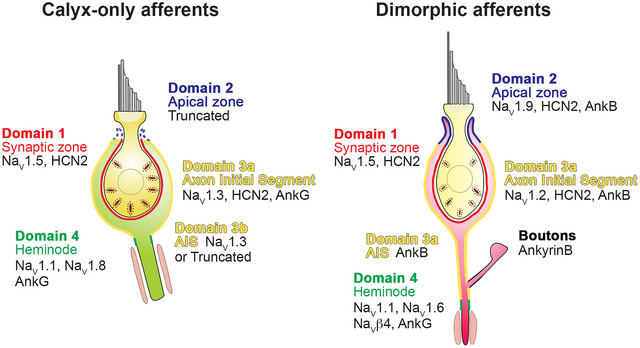 Figure 7
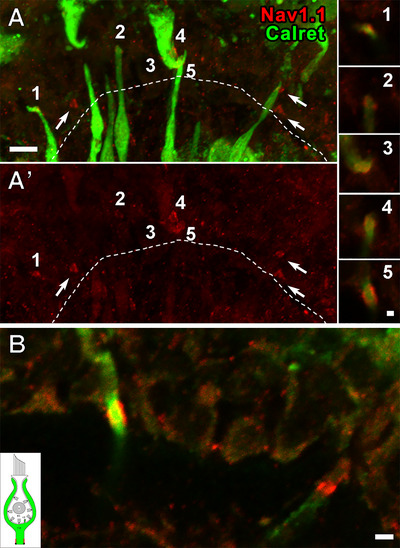 Figure 8
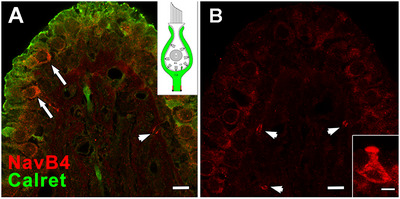 Figure 9
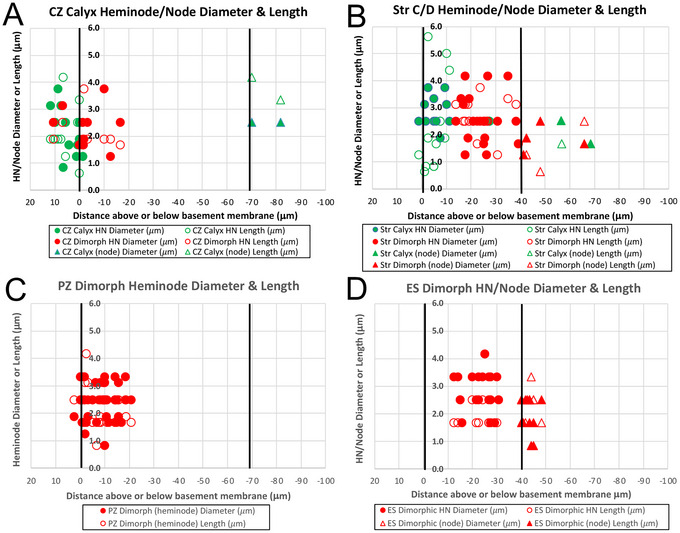 Figure 10
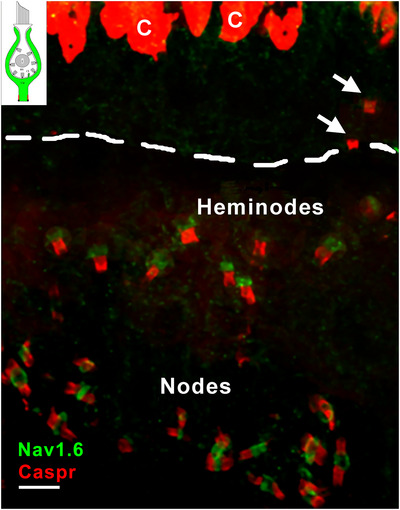 Figure 11
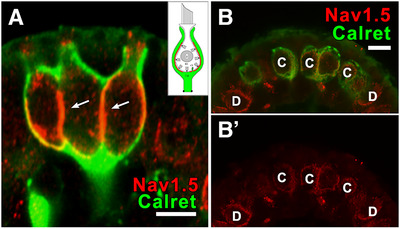 Figure 12
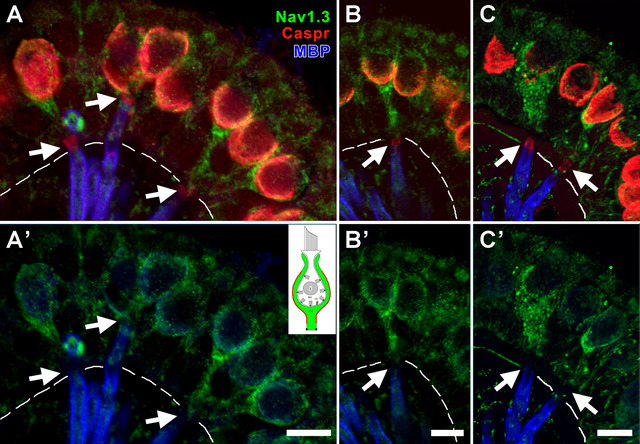 Figure 13
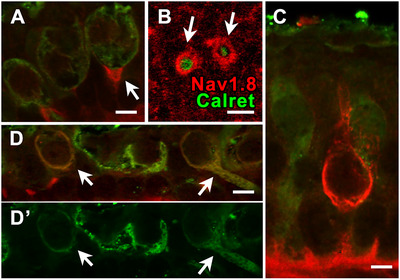 Figure 14
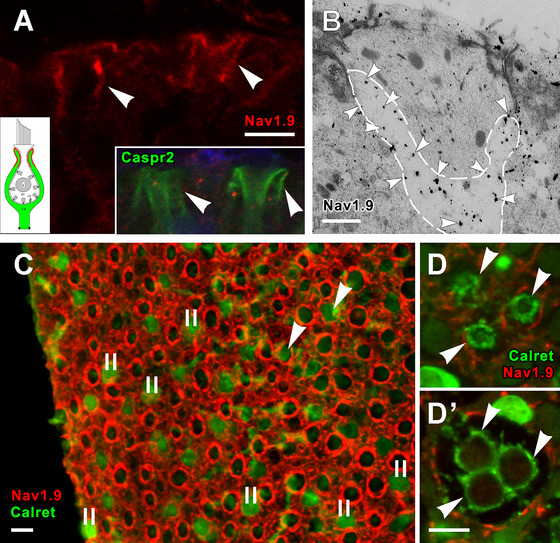 Figure 15
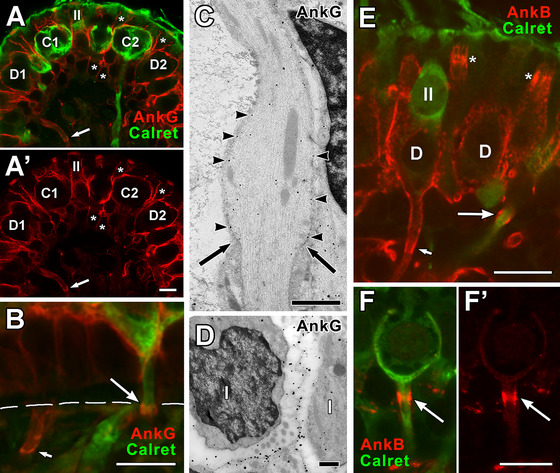 Figure 16
Peer Reviews
No public reviews on file for this paper yet. If you reviewed it on a platform where reviews are public (OpenReview, ICLR, NeurIPS, ICML), you can paste yours below so the community can read it here.
Videos
No videos yet. Explain this paper in a talk, walkthrough, or lecture? Add one.
Taxonomy
TopicsHearing, Cochlea, Tinnitus, Genetics · Vestibular and auditory disorders · Ear Surgery and Otitis Media